Cooking on charcoal grill gives food a smoky, flame-grilled flavor that is difficult to achieve with gas grilling. The smell of charcoal, sizzling sausages, juicy chicken, seared steak, seafood, and vegetables is what makes backyard BBQ feel special. For beginners, the process may seem confusing at first, but it becomes much easier when you understand how to choose charcoal, light the grill, cook with direct or indirect heat, and control the lid and vents.
Start by Choosing the Right BBQ Grill Charcoal
Before learning how to grill with charcoal, the first step is choosing the right bbq grill charcoal. Charcoal is the fuel that creates heat and gives food the smoky flavor people expect from a charcoal BBQ. The two common options are lump charcoal and charcoal briquettes.
Both types can be used for grilling, but they behave differently once they are lit. Lump charcoal is usually known for natural wood flavor, high heat, and quick response to airflow. Briquettes are usually known for longer burning, steadier temperature, and more uniform shape. Understanding these differences helps beginners choose the right charcoal before placing food on the grill.
Briquettes vs Lump Charcoal: What Is the Difference?
The question of briquettes vs lump charcoal is one of the most common questions for new BBQ users. Both are charcoal fuels, but they are made differently and give a different cooking experience.
Lump Charcoal
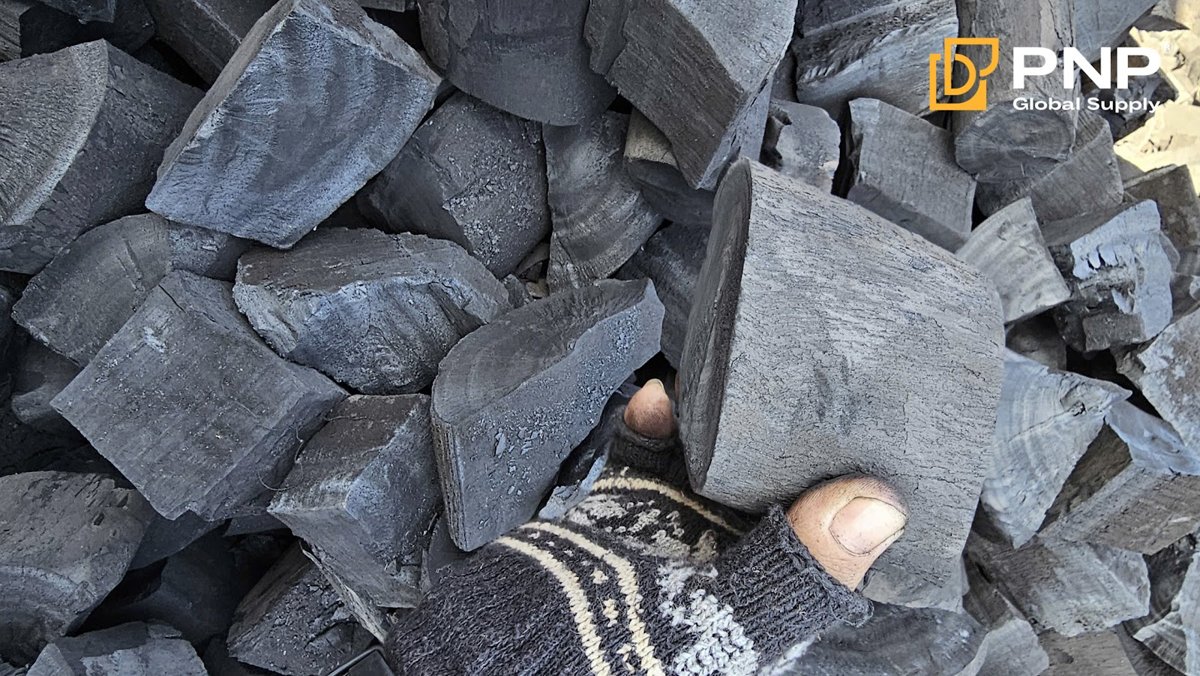
Lump charcoal is made from real pieces of wood that are slowly burned in an airtight or low-oxygen environment. During this process, sap, moisture, and natural compounds in the wood are reduced, leaving behind pure charcoal that can be used as BBQ fuel.
This type of charcoal is often used by pitmasters and experienced BBQ cooks because it responds well to oxygen. When more air flows into the grill, lump charcoal can burn hotter and faster. When airflow is reduced, the heat slows down. This makes lump charcoal useful for users who want more control through the vents and chimney of the charcoal BBQ.
Lump charcoal works well for foods that need hot and fast cooking, such as steak, burgers, sausages, pork chops, and vegetables. It can create strong heat and a clear flame-grilled flavor.
However, lump charcoal is usually the more expensive option. The pieces inside one bag may also vary in size, which can make cooking less consistent. Large and small pieces do not always burn at the same speed, so beginners may need time to learn how to manage the heat.
Charcoal Briquettes
Charcoal briquettes are usually made from leftover wood pieces and sawdust. These materials are mixed with additives, then compressed into a uniform pillow-like shape. Some additives may help the briquettes light more easily, burn longer, or create a certain grilling effect.
Because briquettes have a more consistent shape, they are easier to arrange and measure in the grill. They also tend to burn longer than lump charcoal and maintain a steadier temperature. For beginners learning how to grill with charcoal, this stability can make the cooking process easier to manage.
Briquettes are also usually a more affordable option, which is one reason they are commonly found in large retail bags. However, they can produce more ash than lump charcoal and may not burn as hot. Depending on the material and additives, some briquettes can also give off a chemical smell if they are not properly lit before cooking.
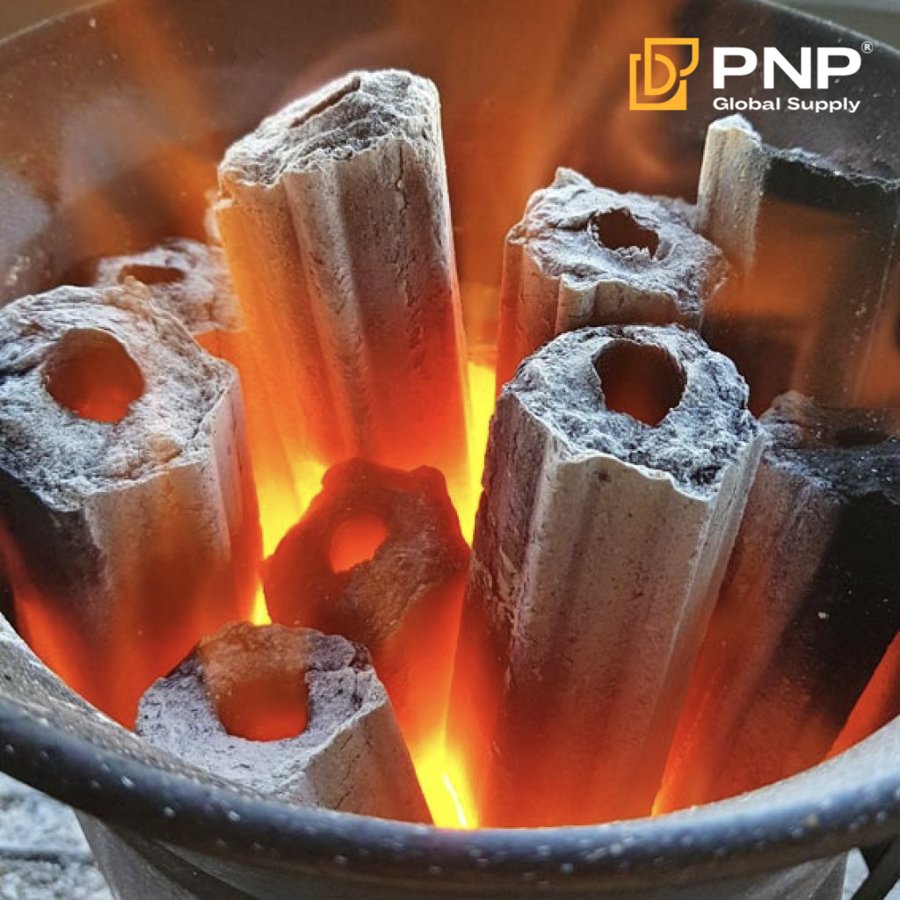
Which Charcoal Should Beginners Use?
There is no single best choice for every BBQ user. Lump charcoal is usually better for hotter cooking, faster searing, and a more natural charcoal flavor. It also gives users better response when adjusting airflow, which is helpful once they understand how the grill vents work.
Charcoal briquettes are often easier for beginners because they burn for a longer time and keep temperature more stable. Their uniform shape also makes them easier to arrange, especially for longer BBQ sessions or indirect cooking.
The price of charcoal can also affect the decision. Lump charcoal is often more expensive because it is made from real wood pieces and may give stronger heat. Briquettes are usually cheaper and more consistent, but users should still pay attention to ash, smell, and heat performance. The best choice is not always the lowest price, but the charcoal that works well for the food and cooking method.
How to Grill with Charcoal: A Step-by-Step Guide for Beginners
After choosing the right charcoal, the next step is learning how to grill with charcoal properly. From lighting the fire to selecting the cooking method and controlling the temperature, these basic techniques help create stable heat and produce more evenly cooked BBQ.
Light the Charcoal Grill Properly
Begin by preparing the charcoal basket or firebox according to your grill’s instructions. Add the appropriate amount of charcoal based on the grill size and the amount of food you plan to cook. If needed, use lighter cubes or other safe fire starters to make ignition easier. Some users also use kitchen paper as a simple lighting aid.
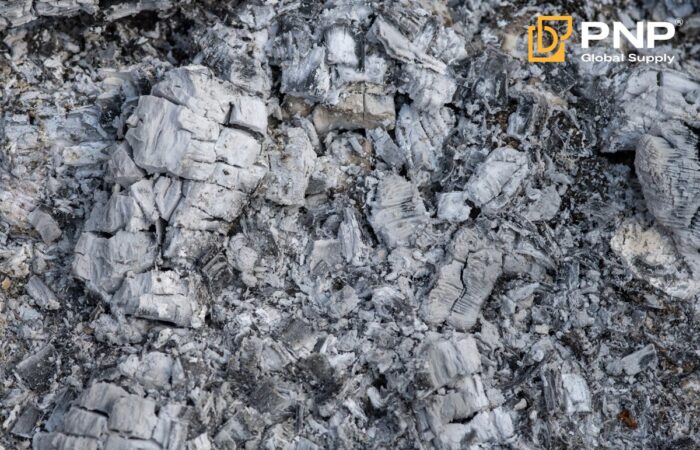
Once the charcoal is burning, avoid placing food on the grill while large flames are still visible. Wait until the charcoal becomes red-hot, burns steadily, and develops a light gray ash coating. This indicates that the grill is ready for cooking and helps reduce uneven heat and excess smoke.
Choose Between Direct and Indirect Cooking
There are two main charcoal grilling methods: direct cooking and indirect cooking.
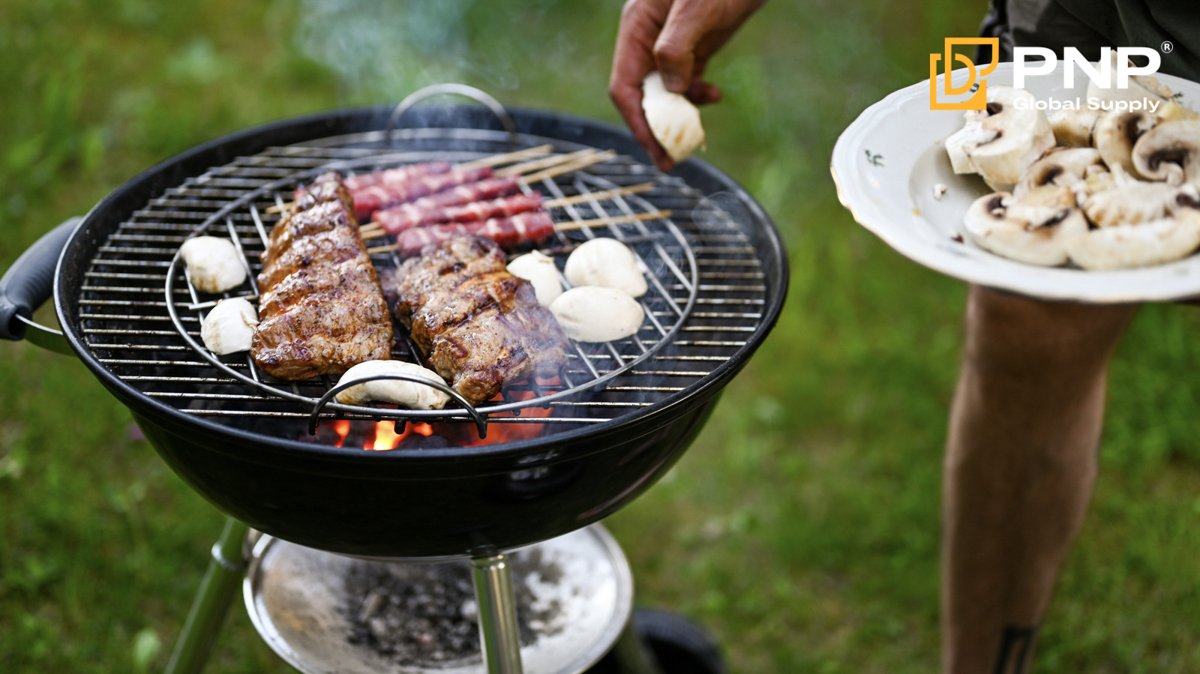
Direct cooking places food directly over the glowing charcoal. The intense heat cooks food quickly while creating the seared surface and grill marks that are typical of BBQ. It is ideal for steaks, burgers, sausages, vegetables, and other thin cuts of meat.
Indirect cooking places food beside the charcoal rather than directly above it. With the lid closed, hot air circulates around the food like an oven, allowing larger items such as whole chicken, ribs, and fish to cook evenly without burning the outside. For a 1.2 kg spatchcocked chicken, a temperature of 180°C for approximately 1 hour is a useful reference.
Control the Lid and Air Vents
The lid and air vents are the key to controlling heat in a charcoal grill. The bottom vent regulates how much oxygen enters the grill, while the top vent controls how much heat and smoke escape.
Opening the vents allows more oxygen to reach the charcoal, making it burn hotter and faster. Closing them slightly reduces airflow, lowers the temperature, and extends the charcoal’s burn time. For larger foods that require slower cooking, keeping the lid closed helps maintain consistent heat and promotes even cooking from all sides.
Maintain a Stable Cooking Temperature
Temperature management is one of the most important charcoal grilling skills. If the grill becomes too hot, reduce the airflow by adjusting the vents gradually. If the temperature drops too low, open the vents slightly to increase oxygen and revive the fire.
Avoid making large adjustments all at once, as charcoal responds slowly to airflow changes. The goal is not to create the biggest fire, but to maintain the right temperature for the food being cooked.
Common Charcoal Grilling Mistakes to Avoid
One of the most common beginner mistakes is cooking before the charcoal is fully ready. Large flames do not mean the grill has reached the ideal cooking stage; stable, glowing charcoal produces much better results.
Another mistake is using direct heat for every type of food. While direct grilling works well for smaller items, larger cuts benefit from indirect heat so they can cook through evenly. Beginners should also avoid leaving the vents fully open or completely closed, as proper vent control is essential for consistent temperature. Finally, choosing charcoal based only on price may result in excessive ash, short burn time, or unwanted odors that affect BBQ quality.
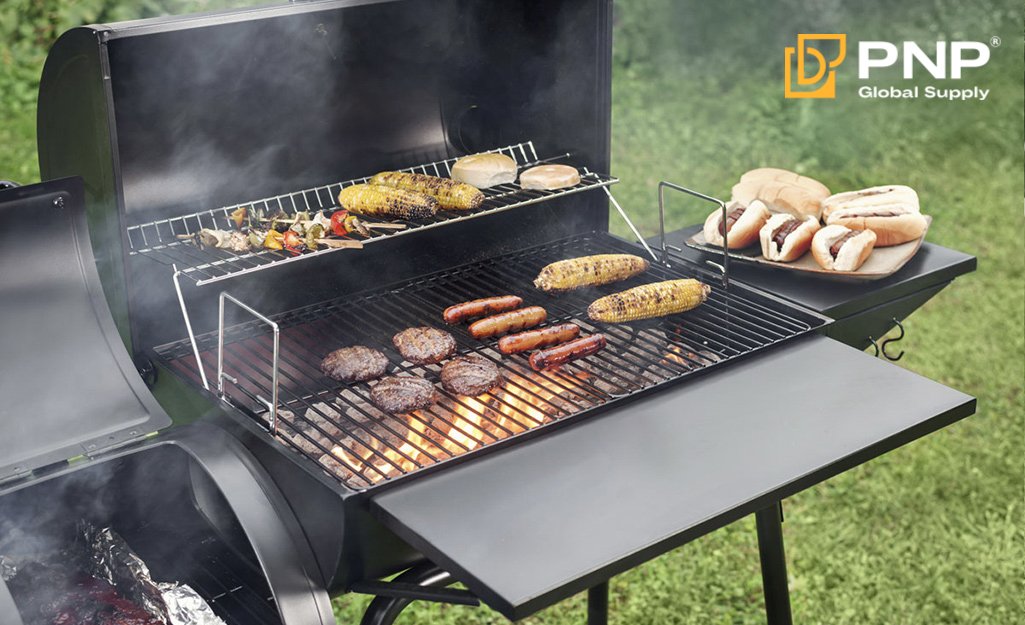
Choosing BBQ Charcoal from PNP Charcoal
For users who want better BBQ results, charcoal should be chosen based on how it performs in real cooking. The important points include lighting ability, heat level, burn time, smoke, ash, smell, and how easy the charcoal is to control with airflow.
Lump charcoal and briquettes both have their place in BBQ cooking. Lump charcoal can be a good choice for users who want natural wood charcoal and stronger heat response. Briquettes can be a good choice for users who prefer steady heat, longer burning, and more uniform handling.
PNP Charcoal supplies charcoal options for BBQ, restaurant, wholesale, retail, and distribution needs. Depending on the market and cooking purpose, buyers can consider lump charcoal or briquette charcoal and test product performance before placing larger orders.
Conclusion
The article above has explained the basics of cooking on charcoal grill for beginners. A good charcoal BBQ starts with suitable bbq grill charcoal, lighting it properly, and understanding the difference between direct and indirect cooking. For BBQ, restaurant, wholesale, or distribution charcoal needs, contact PNP Charcoal for suitable product options and further support.
Contact us for more information
Facebook: PNP Charcoal
Instagram: PNP Charcoal
Email: info@pnpglobalsupply.com