Charcoal briquettes are now one of the most common fuels for BBQ, grilling, and outdoor cooking. But who invented charcoal briquettes, and why did this simple fuel become so popular?
Who Invented Charcoal Briquettes?
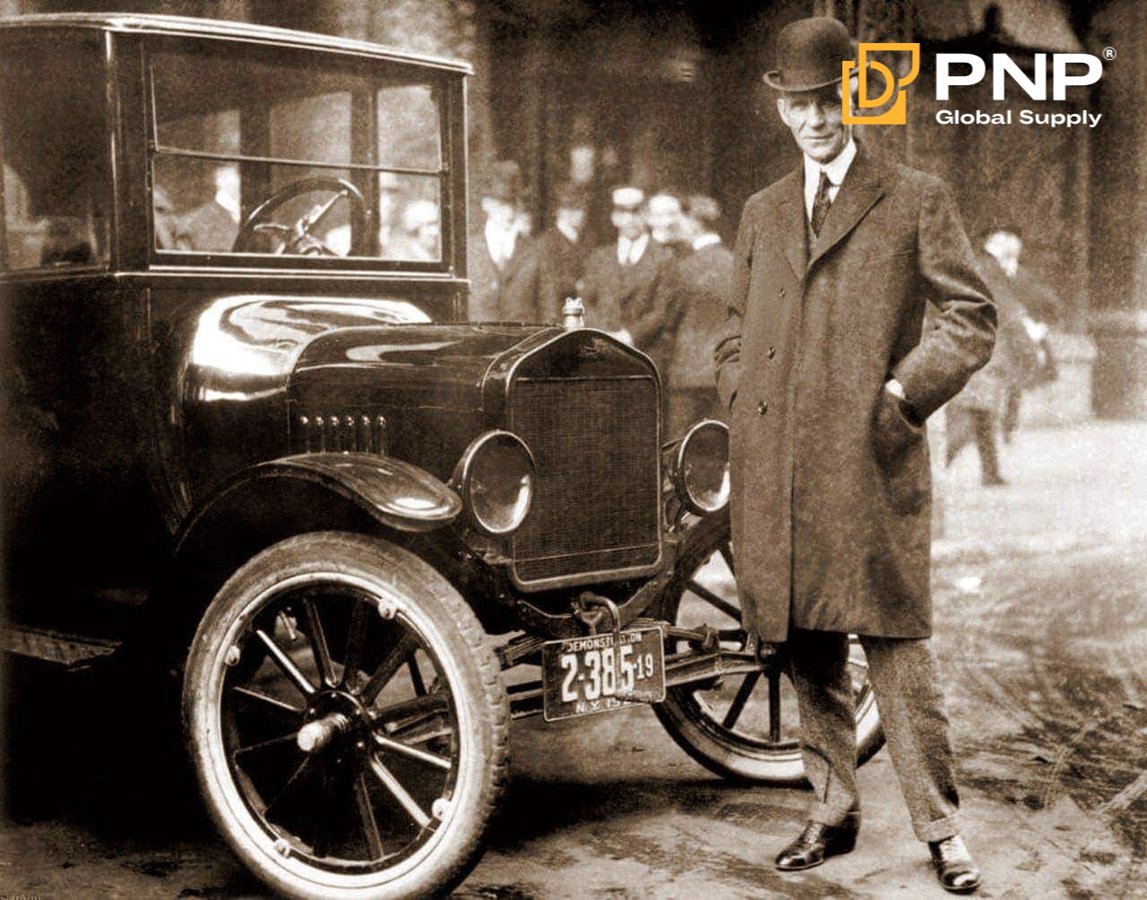
The story of charcoal briquettes became important in the early 1900s, when Henry Ford was producing large numbers of Model T cars. At that time, many car parts still used wood, which meant Ford’s factories created a large amount of wood waste during production.
This waste included sawdust, wood scraps, and leftover wood pieces. Instead of seeing them only as factory waste, Ford wanted to find a practical way to reuse these materials. This became the starting point for the development of charcoal briquettes as a useful fuel product.
To solve this problem, Orin Stafford, a chemist from the University of Oregon, developed a process that could turn wood waste into charcoal briquettes. His method involved carbonizing the wood waste, mixing the carbonized material with cornstarch, and pressing it into small pillow-shaped briquettes.
This process made the fuel easier to handle, store, pack, and use compared with loose scraps or irregular charcoal pieces. More importantly, it gave new value to leftover materials from industrial production.
So, when answering who invented charcoal briquettes, Orin Stafford should be recognized as the person who developed the technical process behind the product. His invention turned wood waste into a practical and convenient fuel format.
What Are Charcoal Briquettes?
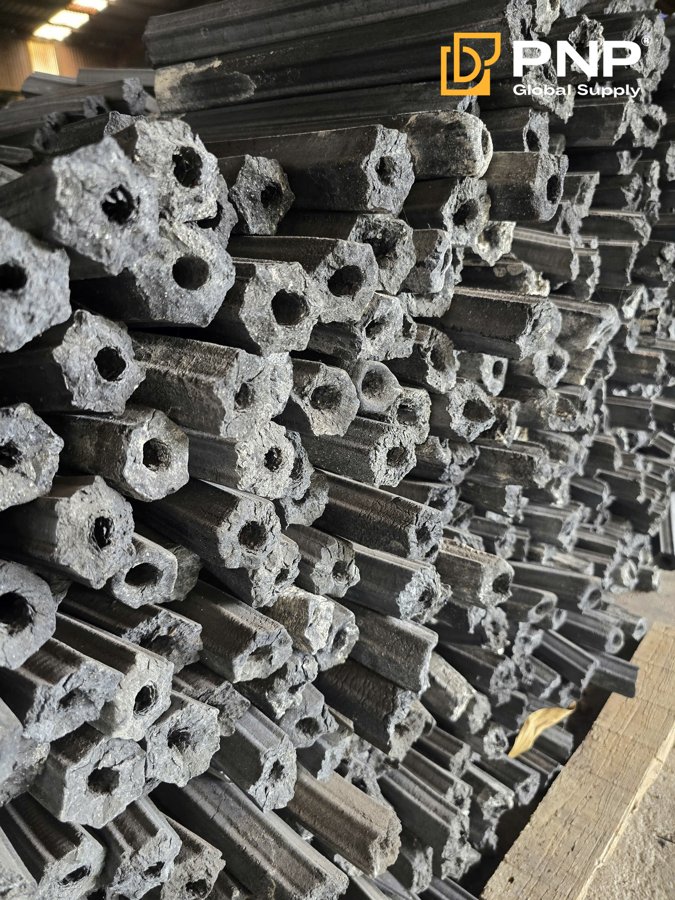
Charcoal briquettes are small, shaped pieces of charcoal fuel used for BBQ, grilling, outdoor cooking, restaurants, retail, and wholesale supply. Unlike traditional lump charcoal, which comes in irregular pieces, briquettes are made in a more uniform shape. This makes them easier to pack, transport, store, and arrange in a grill.
The key advantage of charcoal briquettes is convenience. Their regular shape helps users control fuel quantity more easily, while their compact form makes them suitable for packaged BBQ products. That is why charcoal briquettes became popular not only among home users, but also among distributors, retailers, restaurants, and other commercial buyers.
How Did Henry Ford Popularize Charcoal Briquettes?
Although Orin Stafford developed the briquette-making process, Henry Ford played a major role in bringing charcoal briquettes into wider commercial use.
After seeing the value of turning wood waste into fuel, Ford used the idea to support a new business opportunity. He founded the Ford Charcoal Company to produce and sell charcoal briquettes made from leftover wood materials from his automobile production.
This was an important milestone because it moved charcoal briquettes from a technical solution into a commercial product. Instead of remaining only a way to reuse factory waste, briquettes became a fuel that consumers could buy for cooking, heating, and later BBQ use.
The Ford Charcoal Company later became connected with Kingsford, one of the most well-known charcoal brands in the United States. This is why the Kingsford charcoal briquette story is often mentioned when people talk about the history of modern BBQ fuel.
In simple terms, Orin Stafford invented the process, while Henry Ford helped commercialize and popularize charcoal briquettes. Together, their roles shaped the development of the charcoal briquette industry and made briquettes more familiar to households, BBQ users, and commercial buyers.
How Are Charcoal Briquettes Produced Today?
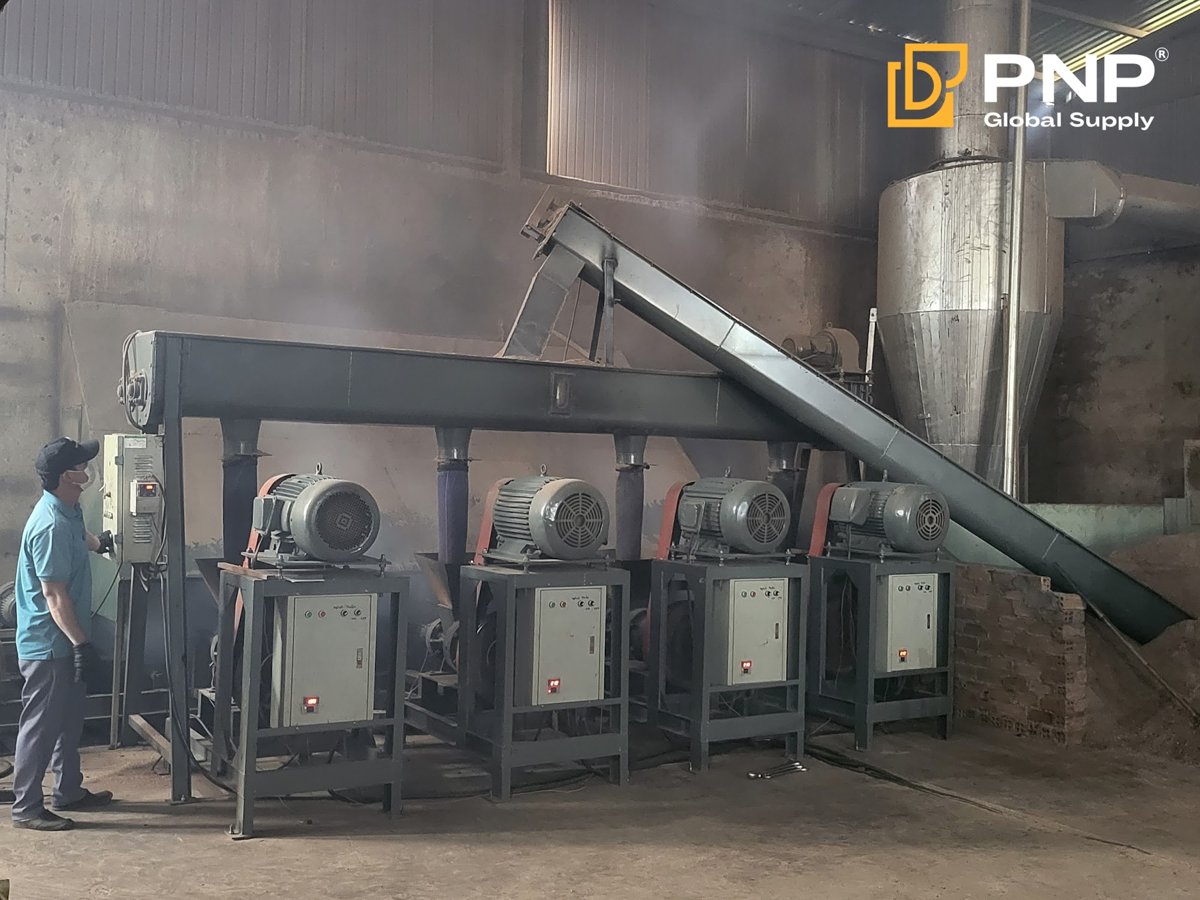
Modern charcoal briquettes still follow the same basic idea: turning carbon-rich raw materials into a shaped, easy-to-use fuel. The exact process can vary by charcoal factory, but it usually includes raw material preparation, carbonization, mixing, forming, drying or finishing, sorting, and packing.
First, suitable raw materials are prepared. Then the material is carbonized to become charcoal. After that, the charcoal material may be processed and mixed with a binder to help form stable briquettes. The mixture is pressed into a uniform shape, then dried or finished before packing.
For buyers, production control is important. A professional charcoal factory needs to manage moisture, shape consistency, hardness, packing condition, and burning performance. Importers, wholesalers, BBQ distributors, restaurants, and retailers often evaluate charcoal briquettes based on heat, burn time, smoke, ash, breakage rate, and overall cooking experience.
This is why charcoal briquettes are not only judged by appearance. A good briquette should be practical in real cooking use and stable enough for commercial supply.
Why Are Charcoal Briquettes Still Popular?
Charcoal briquettes remain popular because they solve many practical problems for BBQ users. They are compact, easy to store, easy to arrange in a grill, and suitable for people who want a more predictable cooking experience.
Compared with irregular fuel pieces, briquettes offer a more consistent shape and more convenient handling. This makes them useful for backyard BBQ, outdoor cooking, restaurant grilling, retail charcoal products, and briquette barbecues.
They are also practical for distribution. Their shape makes packaging and transportation easier, while their familiar use case makes them easy for customers to understand. For businesses, charcoal briquettes are a product format that works well for wholesale, retail, restaurant supply, and BBQ markets.
The history of charcoal briquettes also shows a simple but powerful idea: useful products can come from leftover materials. What started as a solution for wood waste became one of the most common fuels in modern grilling.
Conclusion
So, who invented charcoal briquettes? Orin Stafford was the chemist who invented and developed the process of making charcoal briquettes by carbonizing wood waste, mixing it with cornstarch, and compressing it into pillow-shaped pieces.
If you are looking for charcoal briquettes for wholesale, distribution, BBQ, restaurant, or retail supply, PNP Charcoal can support international buyers with charcoal products for different market needs.
Contact us for more information
Facebook: PNP Charcoal
Instagram: PNP Charcoal
Email: info@pnpglobalsupply.com