Importing charcoal involves more than choosing a product and negotiating a price. International buyers must also confirm product specifications, legal sourcing, shipping acceptance, documentation, and destination-country requirements before committing to an order. A low supplier quotation can become expensive if the shipment is delayed, rejected, or delivered with inconsistent quality. To import charcoal successfully, buyers need a clear purchasing process that connects product selection with transport safety and customs readiness.
Understand Your Market Before You Import Charcoal
Start by identifying who will use the charcoal and how it will be sold. Restaurant distributors may prioritize reliable heat and suitable piece sizes, while retail businesses also need consistent bag weights, clear labels, and packaging that protects the product during handling. These requirements should shape the purchase specification before suppliers prepare quotations.
There are many countries that import charcoal, but demand alone does not determine whether a product is suitable for a particular market. World Bank WITS data for 2024 records wood charcoal imports into China, Saudi Arabia, Japan, South Korea, the United States, Germany, and the United Kingdom, among other destinations. This historical trade data indicates established import activity; it does not establish current prices or import permissions.
Before ordering, ask a local customs broker to confirm importer registration, the applicable national tariff code, duties and taxes, labeling rules, and any product-specific restrictions. Requirements should be checked for the actual raw material, country of origin, and destination rather than copied from another buyer’s shipment.
Choose the Right Charcoal and Define the Specifications
Select the product according to its intended use
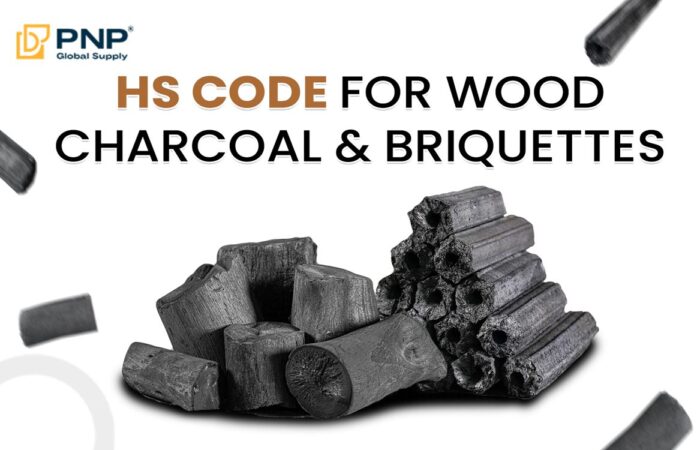
Buyers generally compare lump charcoal with charcoal briquettes. Lump charcoal retains the natural structure of the original material, so piece dimensions can vary. Briquettes are formed into more consistent shapes, which can help businesses standardize packing and fuel portions.
For wood-based products, mangrove charcoal and kaya charcoal are options buyers may encounter when sourcing BBQ fuel. Buyers searching for khaya charcoal should confirm the supplier’s product naming and actual wood species instead of relying on a commercial name alone. The agreed product description should remain consistent across the quotation, contract, test reports, and shipment documents.
Sawdust charcoal briquettes and coconut shell charcoal briquettes provide other sourcing options. Their suitability should be evaluated through actual samples rather than assumed from shape, appearance, or advertised burning time.
Turn product preferences into measurable requirements
An order description such as “premium BBQ charcoal” leaves too much room for disagreement. Specify the accepted piece-size range, moisture and ash limits, packing weight, and acceptable quantities of fines or broken pieces. If fixed carbon or calorific value is important, agree on the test method and supporting laboratory report.
Burning performance should also be assessed under comparable conditions. Charcoal quantity, airflow, grill design, and ignition method affect the results. Record these conditions during sample testing so later batches can be evaluated against a meaningful reference.
Verify the Supplier and Approve Samples
Experienced wood charcoal importers assess both the product and the company behind it. Request the supplier’s registered business details, factory information, product specifications, and current production or packing evidence. Confirm whether the seller manufactures the charcoal directly or purchases it from another producer.
Legal sourcing also deserves attention. Ask for information identifying the raw material and its origin, together with supporting evidence relevant to the destination market. Do not assume that a product name proves the material was legally harvested or that a supplier’s certification covers every shipment.
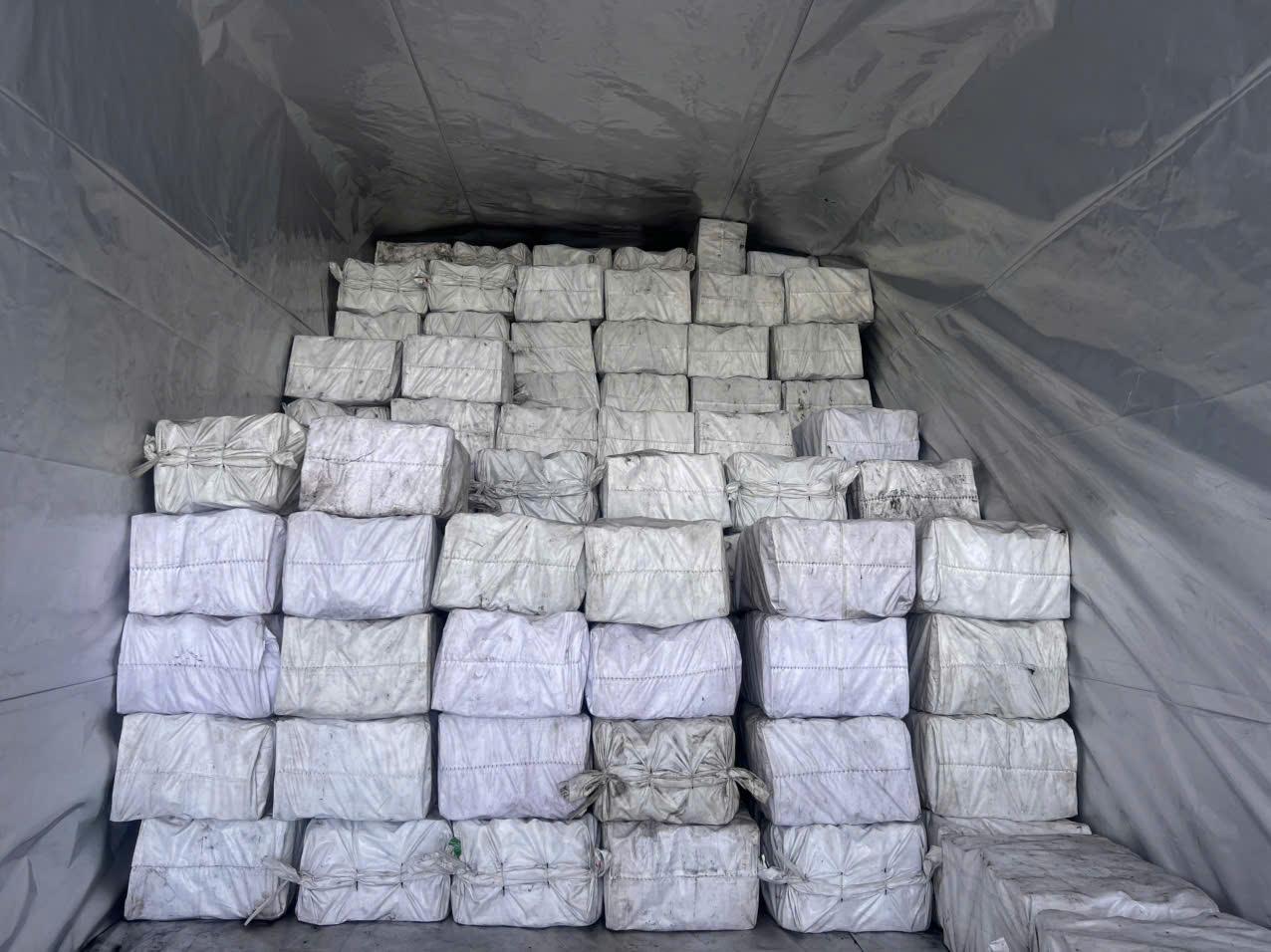
Before placing a bulk order, test a representative sample for ignition behavior, usable heat, burning duration, smoke, odor, ash, and breakage. Examine the packing as well: excessive dust or inconsistent bag weights can affect resale even when the charcoal burns satisfactorily.
Approve the sample in writing and retain a reference portion where practical. The purchase agreement should link bulk production to the accepted specification, not merely to a photograph or an informal description.
Compare Quotations and Calculate the Landed Cost
Why “charcoal rate today” does not provide a complete buying price
A search for charcoal rate today may help buyers explore the market, but there is no single universal charcoal price. Quotations vary with raw material, product grade, sorting requirements, packaging, order quantity, origin, destination, and freight conditions.
Request a dated quotation stating the currency, price unit, net cargo weight, packaging details, quotation validity, and delivery term. Ask whether the quoted amount includes export handling, dangerous goods charges, inspection, and other shipment-related costs.
Compare offers on the same basis. A price for unsorted charcoal in bulk bags should not be treated as equivalent to a price for size-controlled charcoal in labeled retail packs.
Budget beyond the supplier’s invoice
Landed cost includes the product and the expenses required to deliver it to the intended warehouse. Depending on the agreed delivery term, these may include origin transport, export handling, ocean freight, insurance, destination terminal charges, customs brokerage, duties, taxes, and inland delivery.
Avoid counting expenses twice when they are already included in the supplier’s quotation. Separately, allow for potential inspection costs, storage, demurrage, or detention if clearance or collection is delayed.
Confirm the named port or place and the applicable Incoterms edition in the contract. Also establish who books transport, obtains insurance, handles clearance, and pays each local charge.
Prepare Export Documentation and Import Requirements
Buyers searching for “export documentation charcoal importing countries” are usually trying to establish which paperwork is needed at both ends of the shipment. The answer depends on the trade route, product, carrier, and destination authorities.
Commercial and customs documents
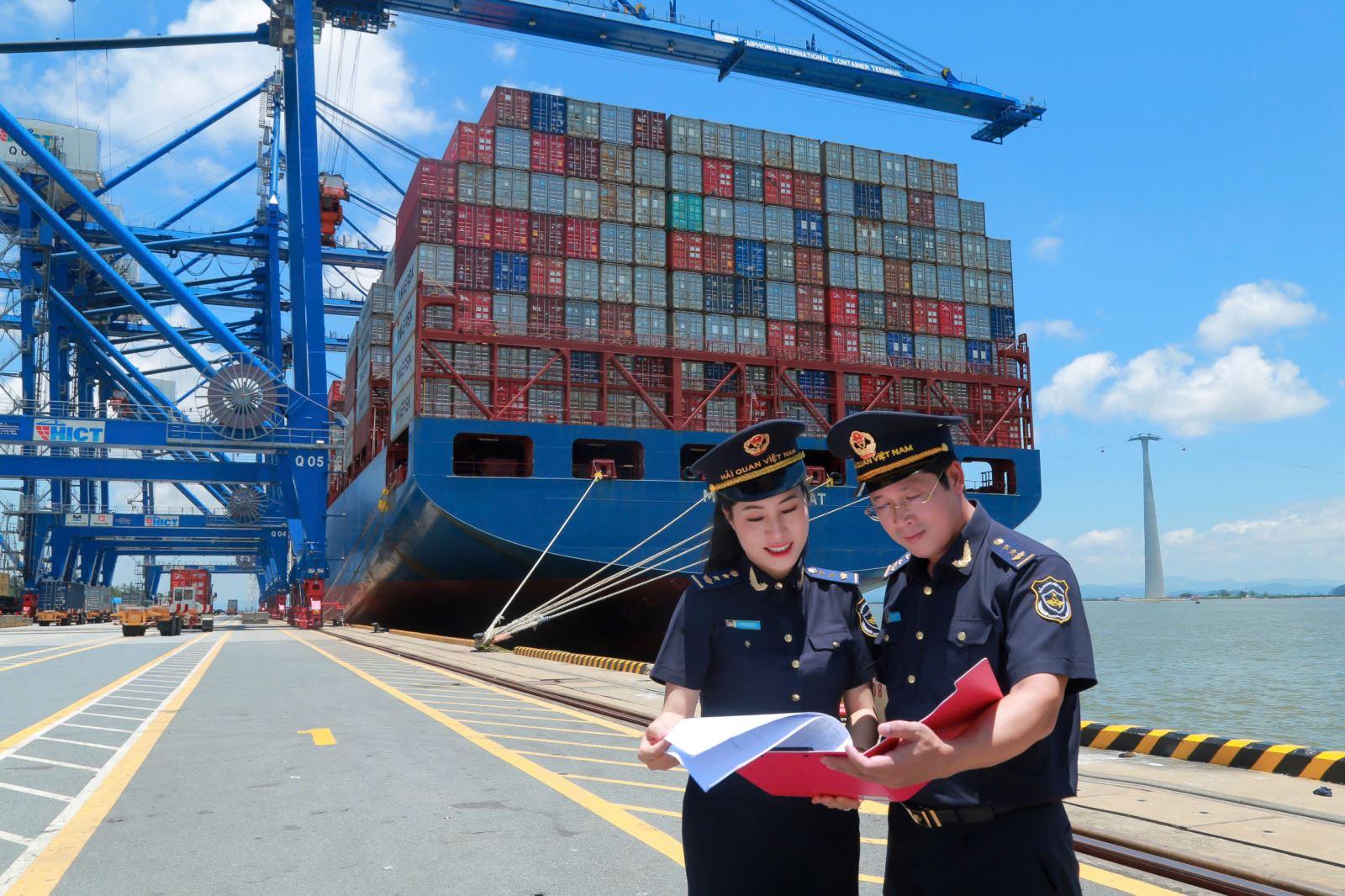
The core shipment file commonly includes a commercial invoice, packing list, and bill of lading or other agreed transport document. A certificate of origin may be needed for customs purposes or a preferential tariff claim, subject to the applicable rules.
The invoice should accurately describe the product, quantity, value, currency, and agreed delivery term. The packing list should show package quantities and net and gross weights. Draft documents should be reviewed before final issuance so descriptions, company details, and shipment information remain consistent.
Ask the customs broker to confirm the complete national declaration code. A historical trade-data code is not automatically the correct code for a current customs entry.
Conditional permits and supporting evidence
An import permit, plant-health document, sourcing declaration, inspection certificate, or other supporting record may be required for a particular shipment. None should be presented as universally mandatory without checking the destination’s rules.
For example, the United States’ APHIS provides official guidance for plant and wood-product imports and separate guidance for wood packaging material. Buyers should determine the requirements for the charcoal and any wooden pallets or dunnage separately.
Finalize the document list with the exporter, destination broker, and freight forwarder before production and booking.
Confirm Dangerous Goods Shipping and Packaging
Charcoal can self-heat, making transport preparation a critical part of the purchasing process. Under IMDG Code Amendment 42-24, mandatory from 1 January 2026, charcoal covered by UN 1361 must be declared and transported as dangerous goods under Class 4.2. An N.4 self-heating test cannot be used to exempt UN 1361 charcoal from the Code’s requirements.
Buyers should confirm carrier acceptance before paying for a shipment that may be difficult to book. Request confirmation of the applicable packaging, marking, labeling, declaration, conditioning, and container-stowage requirements.
Carrier conditions can extend beyond the general regulatory baseline. Maersk’s published charcoal advisory, effective from 1 October 2025, specifies acceptance from pre-audited shippers and requires documents including a dangerous goods declaration, material safety data sheet, weathering certificate, and vanning certificate at defined stages. It also sets carrier-specific thermal-jacket and survey requirements. These conditions should not be assumed to apply identically to every shipping line.
Fire-resistant bags alone do not establish shipping compliance. The complete packaging arrangement must satisfy the applicable dangerous goods requirements and the selected carrier’s acceptance conditions. Confirm the arrangement before ordering printed packaging or finalizing the loading plan.
Inspect the Shipment and Prepare for Arrival
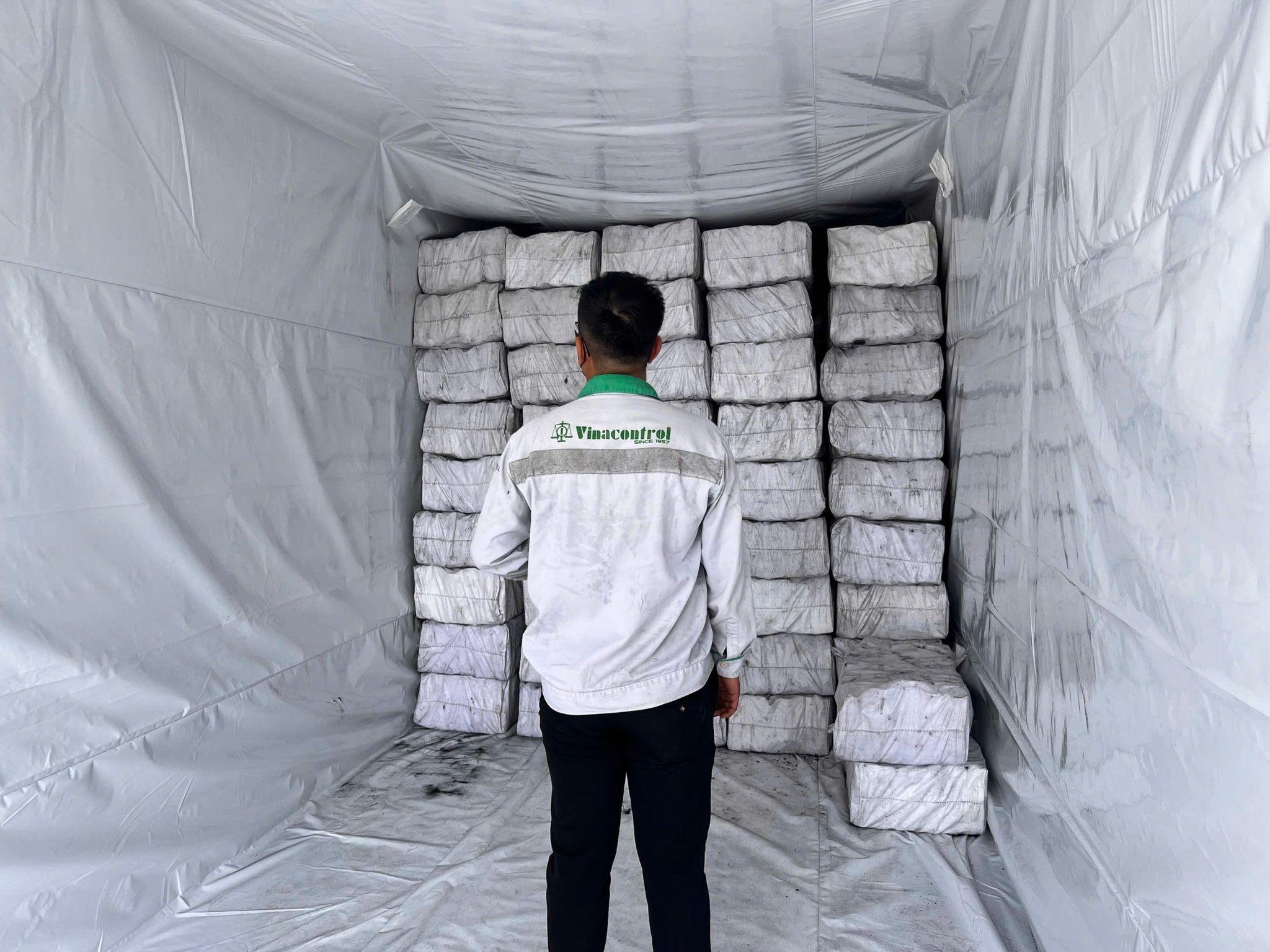
Before dispatch, verify that the cargo matches the approved product and packing specifications. Depending on the agreed inspection scope, this can include checking package weights, size distribution, fines, bag condition, labels, and relevant test results.
Shipment records should identify the inspected batch and, where applicable, the container and seal numbers. Loading photographs provide useful evidence, but they do not replace laboratory testing or a required dangerous goods survey.
Send the final document set to the destination broker early enough for review and any required pre-arrival submissions. Confirm vessel details, expected arrival, cargo-release arrangements, and the deadlines for collecting the container.
On receipt, check package condition, quantities, and any visible damage before distributing the charcoal. Record discrepancies promptly and retain evidence according to the contract and insurance claim procedures. Establish safe unloading and storage arrangements appropriate to the cargo.
Planning Your Charcoal Order with PNP Charcoal
When preparing an inquiry for PNP Charcoal, provide the intended application, preferred charcoal type, estimated order quantity, packing requirements, and destination port. Include any specifications or documents already requested by your customs broker.
A complete inquiry helps the supplier assess the product requirement and prepare a more comparable quotation. Before confirming the order, agree on sample approval, inspection responsibilities, shipping acceptance, and the final document list.
Conclusion
To import charcoal successfully, connect product quality with legal sourcing, transparent landed costs, accurate documents, and compliant transportation. Confirm these requirements before committing to bulk production rather than resolving them after the cargo is packed.
Contact PNP Charcoal with your product specifications and destination details to discuss your purchasing requirements.
Contact us for more information
Facebook: PNP Charcoal
Instagram: PNP Charcoal
Email: info@pnpglobalsupply.com