Can you burn charcoal in a wood stove when you run out of firewood or have leftover BBQ fuel? Although both fuels can produce heat, they are not interchangeable. A wood-burning stove is designed around specific fuel requirements, while grilling charcoal serves a different purpose. Choosing the wrong fuel can create carbon monoxide hazards and operating conditions the stove was not designed to handle. Understanding this difference helps households, retailers, and charcoal buyers select the right fuel for the right equipment.
Can You Burn Charcoal in a Wood Stove?
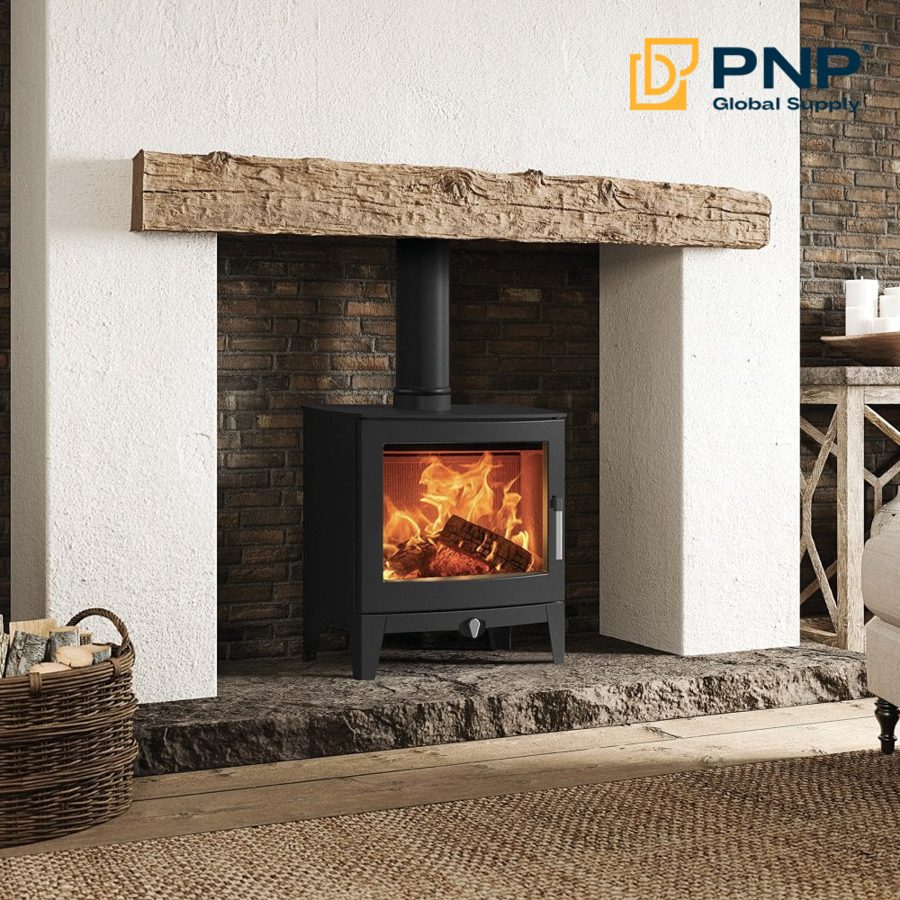
No—do not use BBQ charcoal as a substitute for firewood in a wood-only stove. Use the fuel specified in the appliance manual, normally dry, seasoned firewood. The fact that charcoal is made from wood does not mean a stove approved for wood logs is also approved for charcoal.
Cornell Cooperative Extension advises users to read their stove’s owner’s manual and burn seasoned firewood rather than alternative materials. Fuel choice affects how the appliance burns, how effectively it delivers heat, and how safely it operates.
A stove’s firebox, air controls, and flue system work together under specified operating conditions. Changing the fuel changes those conditions. Adding a small amount of charcoal, mixing it with logs, or leaving the stove door open does not establish that the fuel is safe.
For buyers supplying both heating and cooking markets, clear product descriptions are essential. Charcoal sold for grilling should not be promoted as a replacement for wood-stove logs.
Why BBQ Charcoal Is Not a Suitable Replacement for Firewood
Carbon monoxide remains a serious hazard
Burning charcoal produces carbon monoxide, an odorless and colorless gas that can accumulate to dangerous levels in enclosed spaces. A charcoal fire may appear quiet and produce little visible smoke, but that does not mean it is safe to use indoors.
The U.S. Consumer Product Safety Commission’s charcoal grill safety guidance states that charcoal should never be burned inside homes, vehicles, tents, or campers, even when ventilation is provided. It also warns that charcoal continues producing carbon monoxide until it is completely extinguished.
Opening a window is not a safe workaround for indoor charcoal use. Likewise, having a chimney does not establish that a wood-only stove is approved for a different fuel. A carbon monoxide alarm is an important safety measure, but it does not make an unsuitable fuel suitable.
Fuel changes can create unsuitable operating conditions
Charcoal and firewood behave differently during combustion. Their ignition behavior, fuel-bed structure, and response to airflow are not identical. A load of grilling charcoal should therefore not be treated as equivalent to a load of wood logs.
It is also misleading to rely on one advertised charcoal temperature to judge compatibility. Actual operating conditions depend on the fuel quantity, airflow, appliance design, and how the fire is managed. The relevant question is whether the manufacturer has approved that fuel for that specific stove.
Using an unapproved fuel may also affect warranty coverage. Users should check the manual rather than assume that a stove’s metal body or heat-resistant lining can handle any solid fuel.
Low smoke does not mean indoor-safe
Grilling charcoal is sometimes described as low-smoke or smokeless. These descriptions concern visible smoke under particular burning conditions; they do not mean the fuel produces no combustion gases.
Natural lump charcoal, including mangrove charcoal, still produces carbon monoxide when burned. The absence of strong odor, thick smoke, or large flames is not a reliable safety indicator. Retail packaging and product descriptions should keep this distinction clear.
Wood Stoves, Multi-Fuel Stoves, and Charcoal Grills Are Different
A wood-burning stove is a heating appliance intended for the wood fuel specified by its manufacturer. A charcoal grill is cooking equipment designed to hold a charcoal bed beneath or beside food. Their different purposes mean that fuel recommendations cannot simply be transferred from one to the other.
A multi-fuel stove also requires careful interpretation. “Multi-fuel” does not mean every combustible material is acceptable. A model may allow certain named fuels without allowing BBQ charcoal. Approval for coal or another solid fuel should not be interpreted as approval for charcoal.
When buying bbq stove charcoal, first confirm that the cooking equipment is designed for charcoal. Product names alone can be confusing, especially when “stove,” “burner,” and “grill” are used loosely in online listings.
For household BBQ use, select an appropriate outdoor charcoal grill and follow its operating instructions. Do not bring an outdoor grill indoors, into a garage, or into a tent for cooking or heating.
What Should You Burn in a Wood Stove Instead?
For a wood-only stove, use dry, seasoned firewood that meets the manufacturer’s requirements. Cornell Cooperative Extension recommends seasoned wood with a moisture content of about 20% or less. Wet wood consumes energy as moisture evaporates and can contribute to greater smoke and creosote buildup.
Choose suitable log sizes and follow the appliance’s loading guidance. Trying to increase heat by adding an unapproved fuel is not a substitute for correct fuel preparation and stove operation.
Compressed wood products also need to be identified correctly. Uncarbonized wood briquettes are not the same product as charcoal briquettes. Similar names or shapes do not establish that either product is approved for a particular stove.
If the correct firewood is unavailable, do not improvise with BBQ charcoal. Obtain suitable fuel or use another properly installed heating appliance according to its instructions.
Choosing Wood Charcoal for Grilling
Wood charcoal for grilling belongs in compatible cooking equipment, not in a wood-only room heater. Once the appliance and outdoor cooking location are confirmed, buyers can compare charcoal based on how it performs during actual grilling.
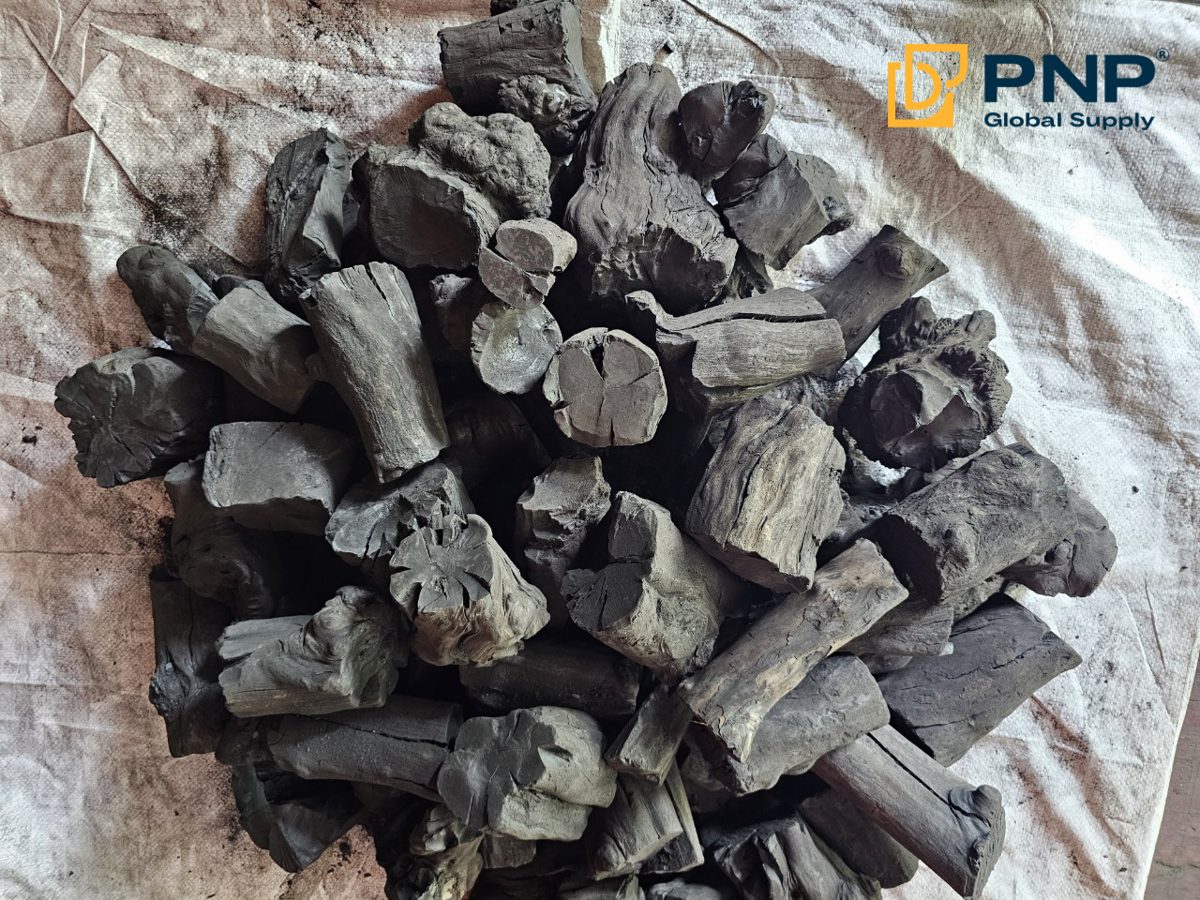
Lump charcoal retains the natural structure of the original wood, so piece size and shape can vary. This affects how pieces fit together in a grill and how easily users arrange the fuel bed. Briquette charcoal has a more regular form, which can help with portioning and placement.
Neither appearance nor a long advertised burn time is enough to establish overall cooking quality. Buyers should assess ignition, usable heat, smoke during lighting, ash, and whether the pieces remain intact during handling and burning.
For restaurants and distributors, comparisons are more useful when samples are tested with the same grill, fuel weight, and airflow settings. A controlled outdoor test provides a clearer basis for selecting a product than comparing unrelated supplier claims.
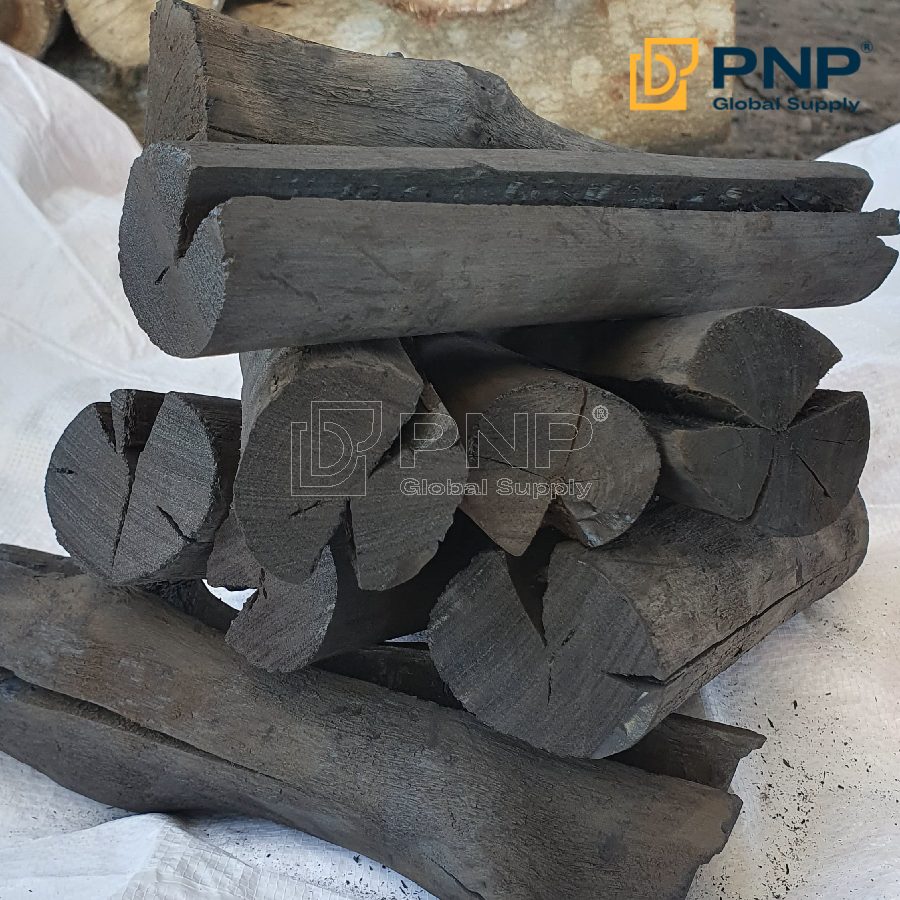
Choosing BBQ Charcoal from PNP Charcoal
PNP Charcoal supplies charcoal products for BBQ, restaurant, wholesale, retail, and distribution needs. Buyers can discuss the intended cooking equipment, preferred charcoal type, size, and packing requirements before selecting samples.
For mangrove charcoal and other grilling options, a useful starting point is the customer’s real application. The fuel should suit the grill and cooking routine, rather than being selected only by appearance or price.
Buyers preparing a bulk purchase can also read PNP Charcoal’s guide on how to check charcoal quality before placing a bulk order, which covers practical burning tests, moisture, ash, packing, and breakage.
Conclusion
Can you burn charcoal in a wood stove? Do not use BBQ charcoal in a wood-only stove. Follow the appliance manual and use the specified seasoned firewood. Keep grilling charcoal for compatible outdoor cooking equipment.
For buyers sourcing wood charcoal for grilling, PNP Charcoal can help discuss product options, sample testing, and packing requirements. Visit PNP Charcoal to explore suitable products for your BBQ market.
Contact us for more information
Facebook: PNP Charcoal
Instagram: PNP Charcoal
Email: info@pnpglobalsupply.com