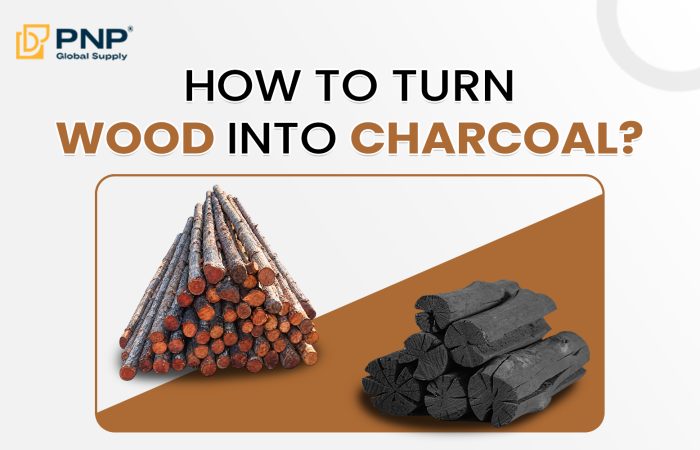
Golden skin, juicy meat, and the aroma of food cooked over glowing coals make charcoal chicken a BBQ favorite. However, getting the outside browned without leaving the center undercooked takes more than a good marinade. The right chicken cuts, a two-zone fire, and careful temperature checks all matter. This charcoal chicken recipe brings those elements together with a simple garlic-spice marinade and a grilling method suitable for backyard meals or small restaurant batches.
What Is Charcoal Chicken?
Charcoal chicken is chicken cooked over a charcoal fire, using direct heat, indirect heat, or a combination of both. Direct heat browns the surface, while indirect heat allows thicker pieces to cook through more gently.
Unlike a recipe tied to one cuisine, charcoal-grilled chicken can use many different seasonings. Garlic, paprika, cumin, lemon, and herbs work well together, while chili adds optional heat. The method below uses bone-in, skin-on thighs and drumsticks because they suit a gradual cook followed by a brief finish over hotter coals.
The aim is well-browned skin rather than a heavily blackened coating. A controlled fire lets the seasoning develop without burning before the meat reaches a safe internal temperature.
Ingredients for This Charcoal Chicken Recipe
Chicken and Marinade
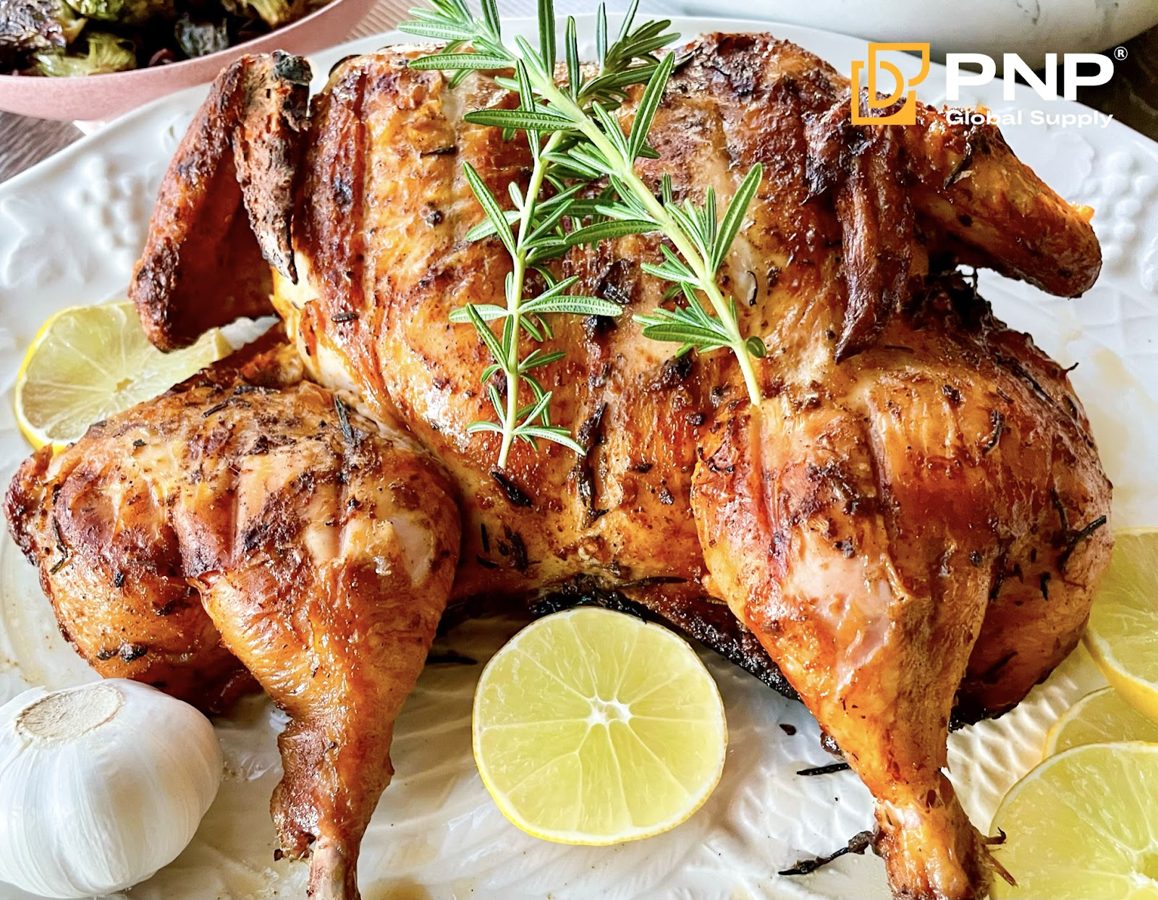
For approximately four servings, use 1.2–1.5 kg of bone-in, skin-on chicken thighs and drumsticks, preferably in similar sizes so they cook at a comparable rate.
For the marinade, combine three tablespoons of olive oil, two tablespoons of lemon juice, five minced garlic cloves, two teaspoons of paprika, one teaspoon of ground cumin, one teaspoon of dried oregano, one teaspoon of ground black pepper, and 1½ teaspoons of fine salt. Add half a teaspoon of chili flakes if a mildly spicy finish is preferred.
This mixture gives the chicken a savory coating without relying on a sugary glaze that can burn over direct heat. If using a pre-salted seasoning blend, reduce the added salt accordingly.
For serving, prepare lemon wedges, a fresh salad, grilled vegetables, or rice. A separate yogurt-and-herb sauce also works well with the warm spices.
Grilling Equipment
Use a charcoal grill with a lid, a chimney starter, long-handled tongs, heat-resistant gloves, and a food thermometer. A grill-level thermometer is useful for monitoring the cooking environment, but it does not replace checking the temperature inside the chicken.
Keep a clean platter and clean utensils ready for the cooked food. Raw chicken, its juices, and used preparation tools should remain separate from items used for serving.
Choosing Charcoal for Grilling Chicken
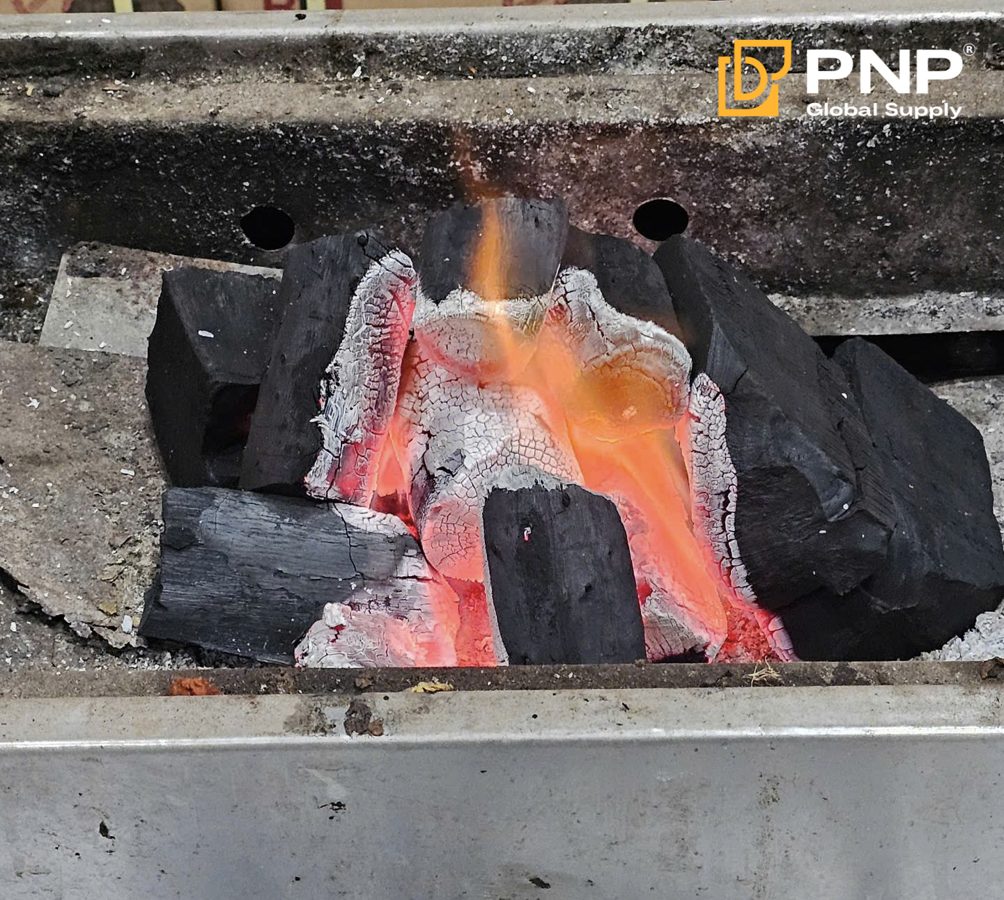
Good fuel should provide enough usable heat to cook the chicken through while leaving room to control browning. Dry charcoal with manageable piece sizes makes it easier to build a fire with a hotter side and a cooler side.
Lump charcoal is one option for this recipe. Its irregular pieces require some attention when arranging the fuel bed: avoid packing small fragments so tightly that they restrict airflow, and keep the cooking zone clear of excessive loose dust.
Mangrove charcoal is another option for charcoal-grilled chicken. PNP Charcoal describes its mangrove charcoal as a dense wood charcoal used for grilling, with sustained heat and relatively low smoke once properly lit. Actual performance still depends on moisture, piece size, airflow, and grill setup. Readers can explore the product’s characteristics in PNP’s Mangrove Charcoal Review: Appearance, Burning Performance, and Key Characteristics.
If searching for “lump charcoal near me,” compare more than availability or bag price. Check whether the product is intended for cooking, whether the packaging is dry and intact, and whether the pieces suit the grill. Never use treated wood or unidentified fuel.
How to Charcoal Chicken Step by Step
For readers searching “how to charcoal chicken,” the most useful starting point is a two-zone fire. Cook the chicken through on the indirect side, then use the hotter side to finish the skin.
Step 1: Prepare and Marinate the Chicken
Pat the chicken dry with paper towels. Trim any loose pieces of skin or excess hanging fat, but leave the main skin layer in place.
Mix the marinade ingredients in a food-safe bowl, add the chicken, and turn each piece until evenly coated. Cover and refrigerate for approximately 2–6 hours. This is a suggested flavor-development window for the recipe, not a requirement for safe cooking.
Keep the chicken refrigerated until the grill is ready. The USDA advises marinating poultry in the refrigerator rather than on the counter. If a portion of marinade will be served as a sauce, reserve it before adding the raw chicken. For this recipe, discard the marinade remaining in the raw-chicken container.
Step 2: Light the Charcoal
Place the grill outdoors in an open area, away from combustible materials. Never operate a charcoal grill inside a home, tent, garage, or other enclosed space.
Light the charcoal in a chimney starter using a suitable firelighter and follow the equipment manufacturer’s instructions. Allow the fuel to establish a steady glow before transferring it to the grill. Do not add lighter fluid to burning or hot charcoal.
Wear heat-resistant gloves when handling the chimney. Keep children and pets away from the grill throughout lighting, cooking, and cooling.
Step 3: Create Direct and Indirect Heat Zones
Arrange the lit charcoal on one side of the grill, leaving the other side without charcoal directly underneath. The fueled side provides direct heat for browning, while the empty side provides a gentler cooking area when the lid is closed.
As a practical starting point, aim for a covered-grill temperature of approximately 180–200°C near the indirect cooking area. Treat this as a recipe guideline rather than a fixed requirement; grill design, wind, and fuel loading will affect the temperature.
Preheat and clean the grate before adding the chicken. For more detail on lighting and arranging fuel, read PNP Charcoal’s How to Use a Charcoal Grill.
Step 4: Cook the Chicken Over Indirect Heat
Lift the chicken from the marinade and let excess liquid drip off. Place the pieces skin-side up on the indirect side, leaving space between them, and close the lid.
Begin checking progress after approximately 25 minutes. Bone-in thighs and drumsticks may take around 35–50 minutes in total, including the final browning stage, but size and grill conditions can change that timing considerably.
Rotate the pieces if one side cooks faster. Avoid repeatedly opening the lid, as this makes the cooking temperature harder to maintain. If the surface darkens too quickly, move the chicken farther from the charcoal.
Step 5: Brown the Skin Over Direct Heat
When the chicken is approaching its final cooking temperature, move it over the direct-heat side for a short finish. Place the skin toward the heat and check frequently, turning or moving the pieces as needed.
Watch for flare-ups as fat drips onto the coals. If flames reach the chicken, move it back to the indirect side rather than leaving it over the fire. The goal is crisp, browned skin—not a burnt spice coating.
Step 6: Check the Internal Temperature and Serve
Insert a food thermometer into the thickest part of each piece without touching the bone. According to the USDA’s Grilling and Food Safety guidance, all poultry should reach a minimum internal temperature of 165°F, approximately 74°C.
Check more than one piece, especially when sizes vary. Brown skin, clear juices, and cooking time alone cannot confirm that chicken is safely cooked.
Transfer the finished chicken to a clean platter and rest it for approximately five minutes before serving. Add lemon wedges and the prepared side dishes.
Common Mistakes When Cooking on Charcoal Grill Setups
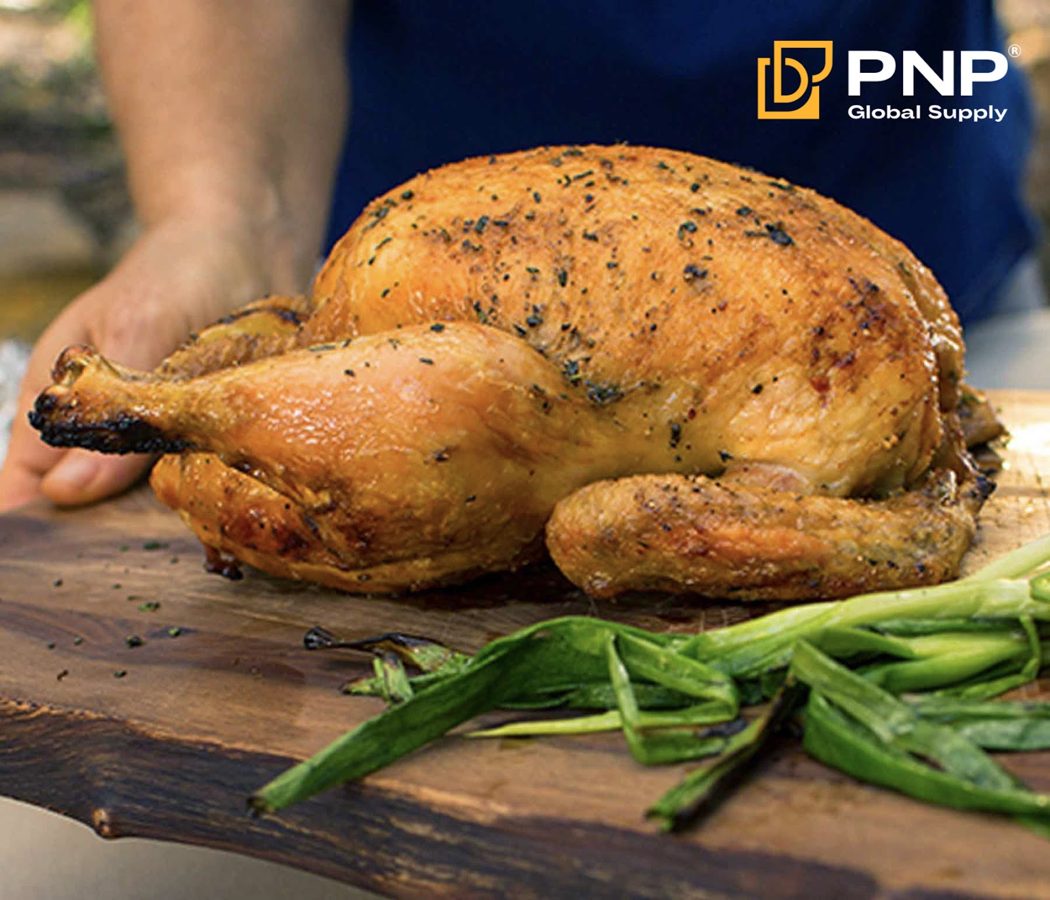
A common problem when cooking on charcoal grill setups is using strong direct heat for the entire cooking process. The skin may look ready while the meat near the bone still needs more time. Maintaining an indirect zone gives thicker pieces somewhere to finish cooking without further scorching.
Another mistake is putting dripping-wet chicken on the grate. Excess marinade falls onto the coals, encourages flare-ups, and can burn before the chicken is cooked. Let the excess drain away while keeping a thin, even coating on the meat.
Overcrowding also makes the process harder to control. Leave enough space to turn the pieces and move them away from sudden flames. For larger batches, cook in stages rather than filling every available part of the grate.
Finally, do not judge doneness by appearance. Even an attractive golden crust must be followed by a thermometer check.
Adapting the Recipe for a Charcoal Restaurant
For a charcoal restaurant, repeatability matters as much as flavor. Standardize the chicken cut, portion size, marinade weight, and preparation time so staff can follow the same process from batch to batch.
Record the fuel load and approximate grill temperature used during recipe trials. Cooking times can help organize service, but every batch still needs temperature verification. Do not partially grill chicken and hold it for finishing later; USDA guidance specifically advises against that practice.
For fuel sourcing, PNP Charcoal supplies options including mangrove charcoal and other wood charcoal products. Restaurants can discuss product size, packing, and order requirements with the supplier to find an option suited to their grilling equipment and service volume.
Conclusion
A successful charcoal chicken recipe combines a balanced marinade, controlled heat, and a reliable internal-temperature check. Cook gently over indirect heat, finish the skin over hotter coals, and confirm each piece is safely cooked before serving.
For charcoal options for BBQ or restaurant grilling, contact PNP Charcoal to discuss suitable products and ordering requirements.
Contact us for more information
Facebook: PNP Charcoal
Instagram: PNP Charcoal
Email: info@pnpglobalsupply.com