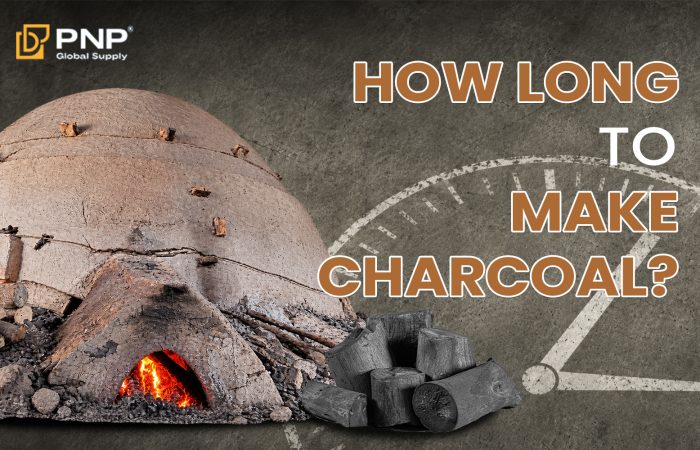
Turning wood into usable charcoal requires more than burning logs until they look black. Wood selection, moisture, oxygen control, and cooling all influence the finished fuel. Understanding how to turn wood into charcoal helps buyers see why products made from similar raw materials can perform differently. From small-scale production to commercial kilns, the goal is to convert wood into a carbon-rich fuel without allowing it to burn away into ash.
How Charcoal Is Made
Charcoal is produced through carbonization, a process in which wood is heated with a restricted oxygen supply. Heat removes moisture and breaks down the wood’s structure, releasing gases, vapors, and tar compounds while leaving a carbon-rich solid behind.
The difference between carbonization and an ordinary wood fire is how heat and oxygen are managed. With enough oxygen, wood and the charcoal it forms continue burning, eventually leaving mostly mineral ash. During charcoal making, operators control the process to preserve the solid charcoal rather than consume it completely.
According to the FAO’s guide to carbonisation processes, dried wood begins significant thermal decomposition at around 280°C. Further heating changes the charcoal’s fixed carbon content, volatile matter, and yield. These temperatures explain the process; they are not a universal operating recipe for every kiln.
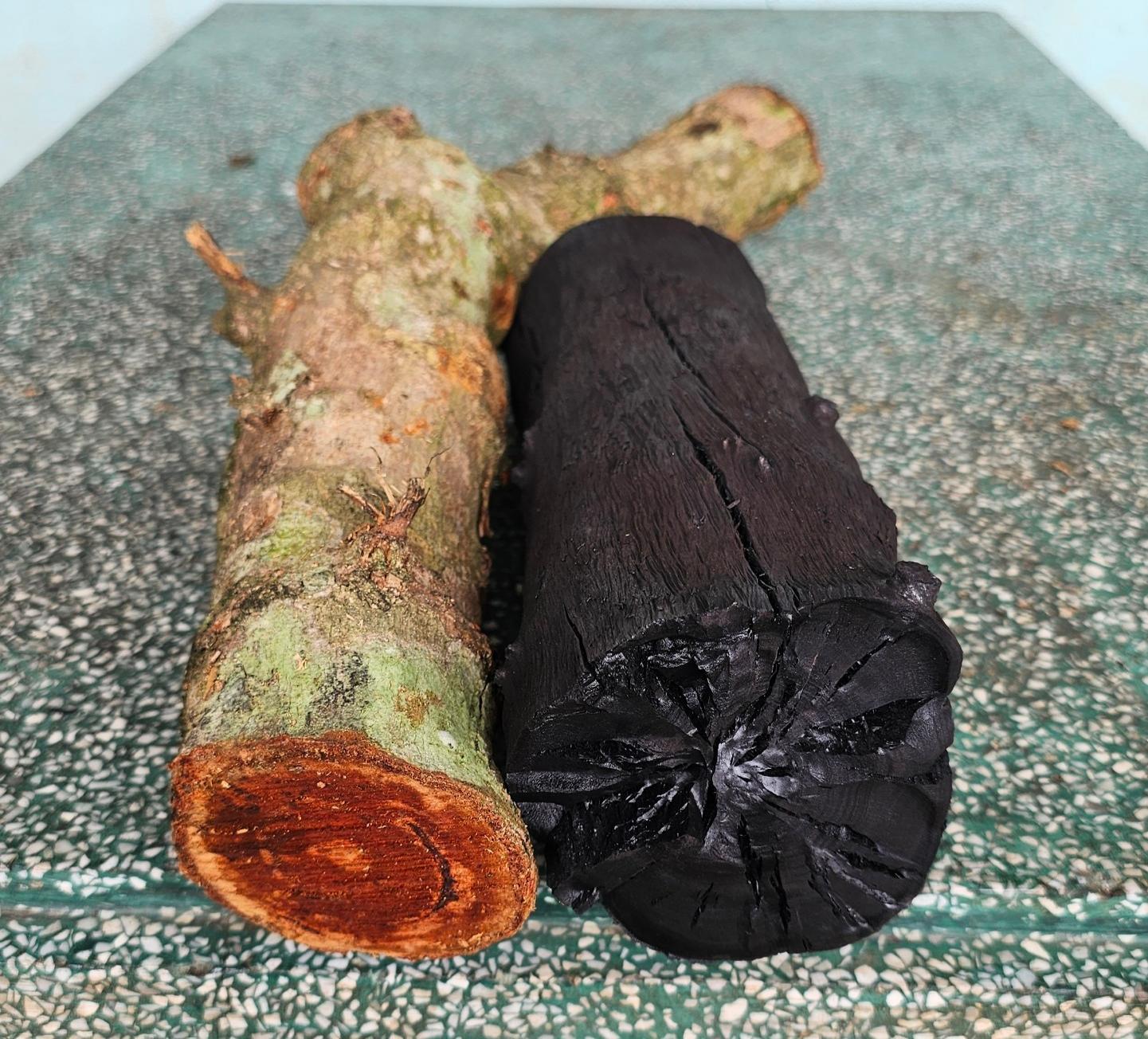
Choosing Wood for Charcoal Making
The raw material affects the structure and handling characteristics of finished charcoal. Sound wood with suitable density can produce a firm product, but wood species alone does not determine quality. Moisture, log thickness, kiln operation, and cooling must also be controlled.
Producers should use clean wood from legal, traceable sources. Painted timber, preservative-treated wood, glued boards, and mixed demolition waste are unsuitable choices for charcoal intended for cooking because they may introduce unwanted contaminants.
Mangrove Wood
Mangrove charcoal is made by carbonizing mangrove wood. Its natural wood structure remains visible in the finished pieces, which may be sorted and cut to meet buyer requirements.
Production must begin with legally sourced material. Mangrove ecosystems are environmentally sensitive, so the product name should never be treated as permission to harvest wood from protected areas. Buyers should request appropriate origin information rather than assume that all material sold under the same name has the same sourcing background.
Khaya Wood
Khaya charcoal, also marketed as kaya charcoal, is another hardwood lump charcoal option. The finished product retains the natural form of the wood rather than being molded into a uniform briquette.
As with other wood charcoal, its performance depends on preparation and carbonization, not simply the species name. Differences in wood dimensions, residual moisture, and processing can affect how consistently a batch is converted.
PNP Charcoal’s article on identifying high-quality khaya charcoal for BBQ provides further product-specific discussion.
How to Turn Wood into Charcoal: The Production Process
The following stages explain the production sequence used in wood charcoal manufacturing. Equipment design determines the operating procedure, so kiln settings and loading methods should be established by trained operators rather than copied from a general guide.
Step 1: Prepare and Size the Wood
Wood is inspected and prepared before entering the kiln. Producers remove unsuitable material and cut or split logs into dimensions appropriate for the equipment.
Relatively consistent dimensions help reduce uneven processing. A load containing very thick logs alongside small pieces may develop areas that carbonize at different rates. The aim is not to make every piece identical, but to prepare a load the kiln can process effectively.
Step 2: Reduce Excess Moisture
Wood must lose its water before carbonization can progress effectively. Pre-drying reduces the energy needed to evaporate moisture inside the kiln.
Wet wood increases the drying burden and can make production less efficient. However, there is no single moisture target suitable for every charcoal system. Producers need a preparation standard matched to their raw material, equipment, and production method.
Step 3: Load the Carbonization Equipment
Prepared wood is placed in a purpose-built kiln or retort according to its loading design. The arrangement must support the intended movement of heat and gases throughout the load.
Traditional kilns may generate heat by burning part of the wood inside the system. Retorts can use a separate heating arrangement to heat the wood indirectly. Both approaches require controlled operation; neither should be confused with putting wood inside an improvised, completely sealed container.
Step 4: Carbonize Under Controlled Conditions
As heating continues, the wood dries and decomposes, releasing volatile compounds and leaving charcoal. Operators manage heat, oxygen entry, and gas discharge according to the system’s design.
FAO describes approximately 450–500°C as a useful balance between fixed carbon content and friability for conventional wood charcoal production. Higher temperatures can reduce volatile matter further, but they also change yield and may make the product more fragile. Specialist charcoal processes can use different conditions.
Uniform treatment across the load matters as much as the final temperature. Poor heat distribution can leave some pieces partly carbonized while other areas are over-burned.
Step 5: Cool Before Unloading
Cooling is a critical production stage, not merely a waiting period. Hot charcoal exposed to air can ignite again, consuming finished product and creating serious fire and carbon monoxide hazards.
Operators follow the equipment’s shutdown and cooling procedure before opening and unloading. The absence of visible flames does not prove that charcoal is cool enough to handle or pack. Cooling time varies with the equipment, load, and operating conditions.
Step 6: Sort and Prepare the Finished Charcoal
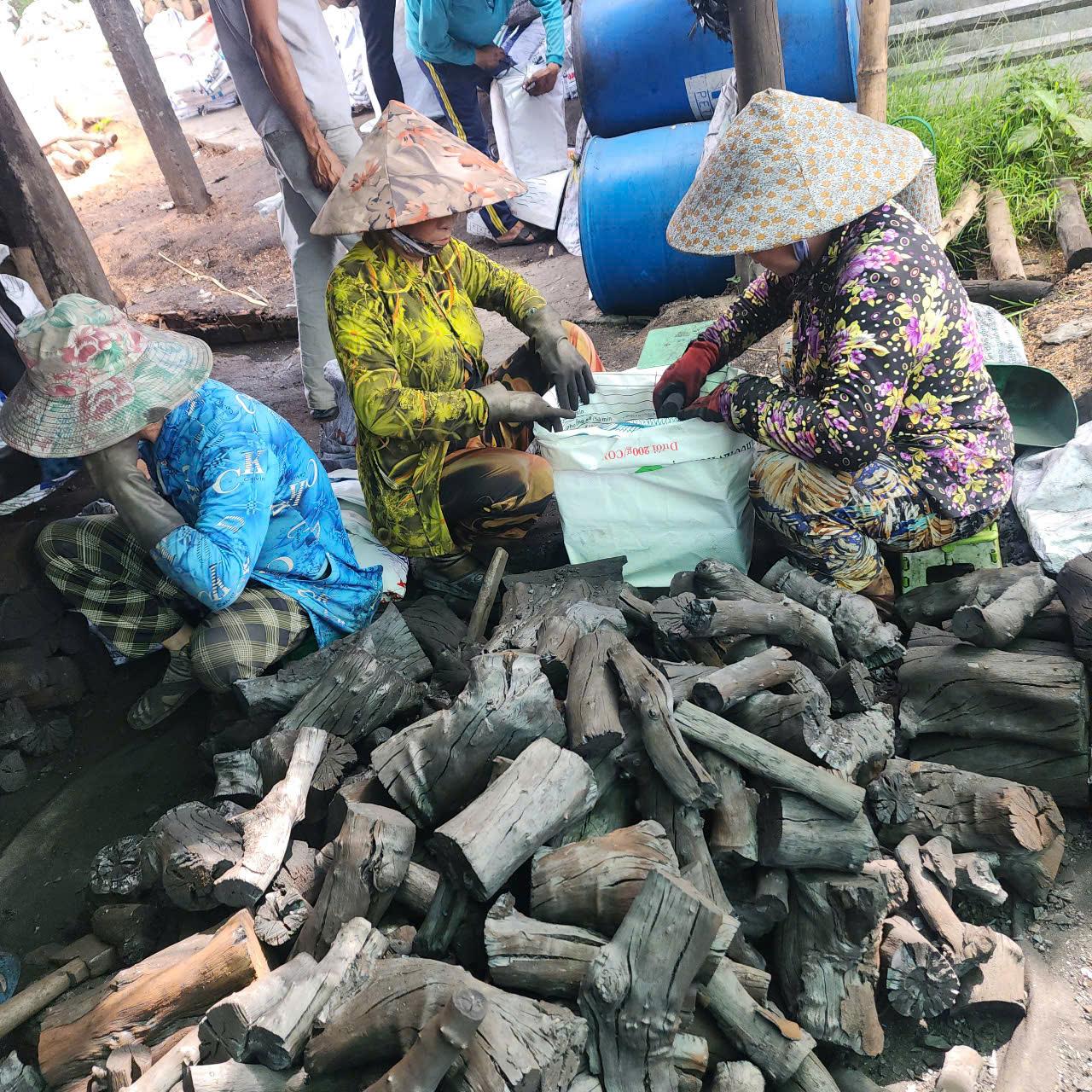
After cooling, charcoal is inspected and sorted. Producers separate unsuitable pieces, excessive fines, and material outside the required size range.
The finished product is then prepared for its intended use and packing format. For commercial orders, size grading, product condition, and agreed specifications help turn a carbonized batch into a more consistent saleable fuel.
How Long Does It Take to Make Charcoal?
There is no single production time that applies to every kiln. A complete cycle includes wood preparation, drying, heating, carbonization, and cooling—not just the period when the equipment is actively heated.
Small, purpose-built systems may complete their processing cycle faster than large traditional kilns. Larger loads, wetter wood, and thick logs can extend the time required. Cooling also contributes substantially to the full turnaround.
For commercial planning, producers should distinguish carbonization time from the complete batch cycle. Quoting only the heating period can give an unrealistic impression of how quickly finished charcoal becomes ready for sorting and packing.
Home Made Charcoal and Commercial Production
Interest in home made charcoal often begins with the idea of converting available wood into BBQ fuel. The underlying chemistry is the same as in commercial production, but small-scale equipment does not automatically provide the controls needed for safe, consistent results.
Improvised setups can create fire, pressure, smoke, and carbon monoxide hazards. A general online explanation cannot replace equipment instructions, operator training, or local fire and environmental requirements. Carbonization should not be attempted indoors, in garages, or in enclosed areas.
Commercial production adds repeatable raw-material preparation, controlled processing, product inspection, and documented specifications. For restaurants and distributors, these controls matter because appearance alone cannot establish whether charcoal will perform consistently.
Choosing Wood Charcoal from PNP Charcoal
Understanding production helps buyers ask more useful questions about finished charcoal. Rather than choosing by wood species or black appearance alone, buyers can discuss the product’s specifications, size range, packing, and intended cooking conditions.
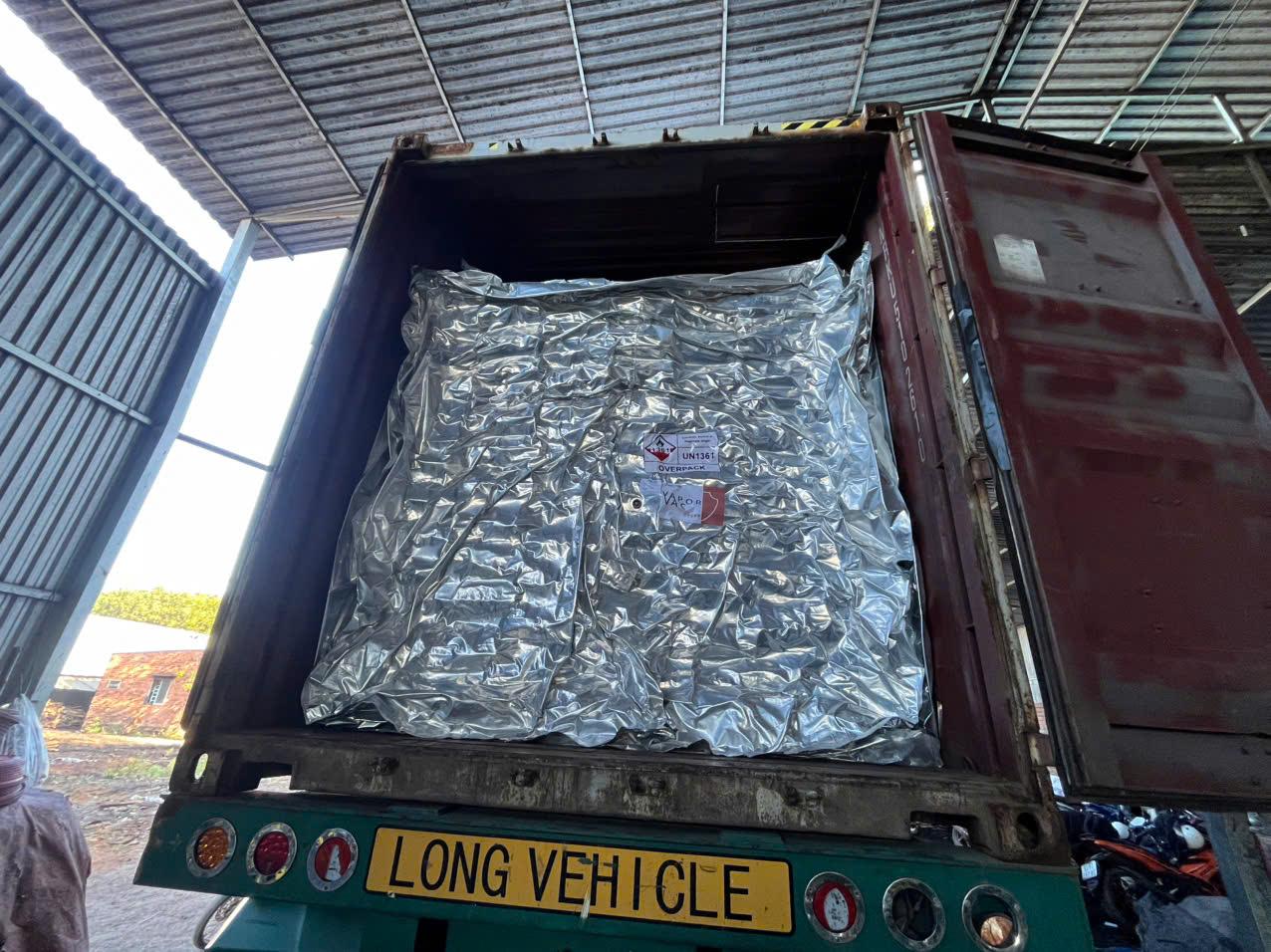
PNP Charcoal supplies wood charcoal options including mangrove and kaya charcoal. Share your required charcoal type, order quantity, product dimensions, and packing requirements with our team to discuss a suitable option for your business.
Conclusion
Understanding how to turn wood into charcoal means following the entire process, from clean raw material and moisture control to carbonization, cooling, and sorting. Each stage influences the finished product—not just the choice of wood.
Contact PNP Charcoal to discuss wood charcoal products, specifications, and bulk order requirements.
Contact us for more information
Facebook: PNP Charcoal
Instagram: PNP Charcoal
Email: info@pnpglobalsupply.com