Choosing the right charcoal coal hs code starts with identifying the fuel correctly. Wood charcoal, charcoal briquettes, and non-carbonized wood briquettes may serve similar markets, but they do not automatically share the same customs classification. For importers and distributors, understanding these differences helps prepare accurate product descriptions, review tariff requirements, and reduce avoidable documentation errors before shipment.
What Is the HS Code for Wood Charcoal?
Under the WCO’s HS 2022 nomenclature, heading 4402 includes wood charcoal in both loose and agglomerated forms. “Agglomerated” refers to material formed into larger units, which is relevant to charcoal briquettes. The heading therefore covers more than natural lump charcoal.
The six-digit subheadings distinguish charcoal by its raw material.
HS 4402.10 — Bamboo Charcoal
Subheading 4402.10 covers charcoal made from bamboo. Buyers should not select this code simply because the finished charcoal resembles another product in size or shape. The bamboo origin is the defining distinction within this subheading.
A supplier’s product specification should identify the raw material clearly, especially when the charcoal is processed into briquettes and its original structure is no longer visible.
HS 4402.20 — Shell or Nut Charcoal
Subheading 4402.20 covers charcoal of shell or nut. Coconut shell charcoal is a relevant example for BBQ fuel buyers. Where the product is coconut shell charcoal, whether loose or agglomerated, this is the six-digit subheading to review.
Buyers should be cautious when using older online references. Some historical tariff schedules group shell charcoal differently. The classification should be checked against the nomenclature and national tariff schedule applicable to the shipment, not copied from an outdated listing.
HS 4402.90 — Other Wood Charcoal
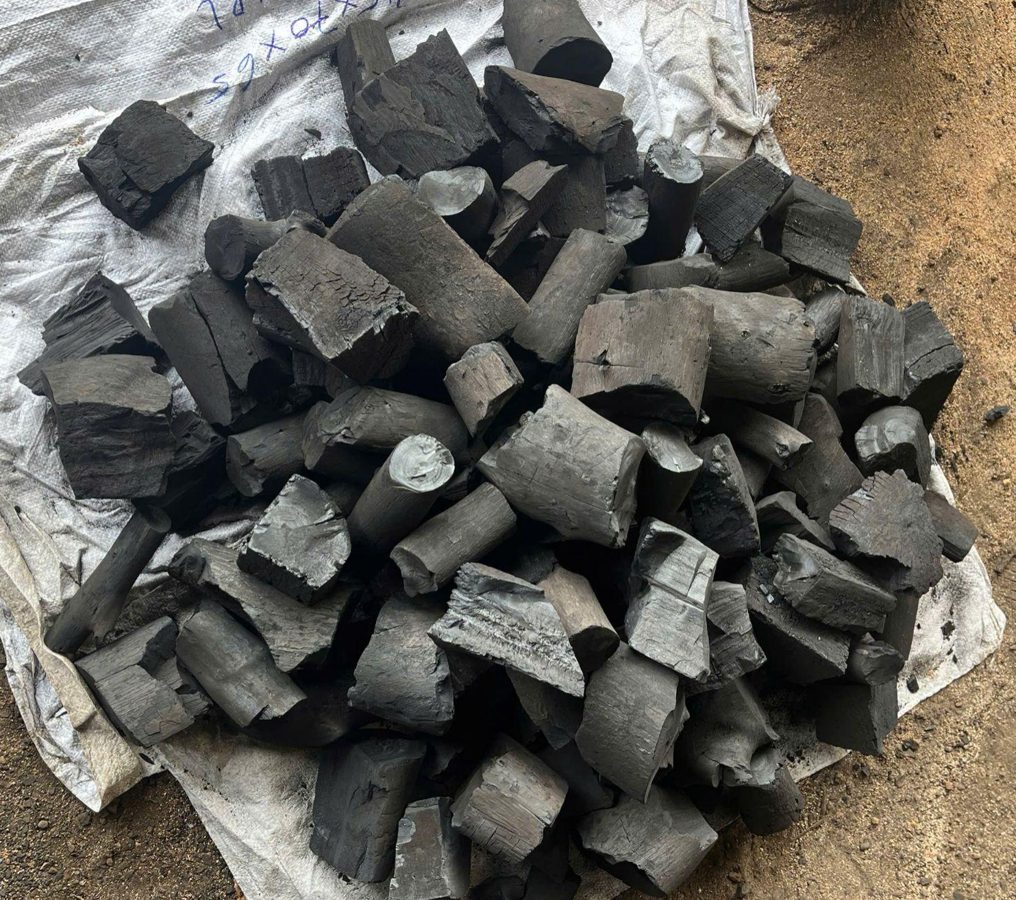
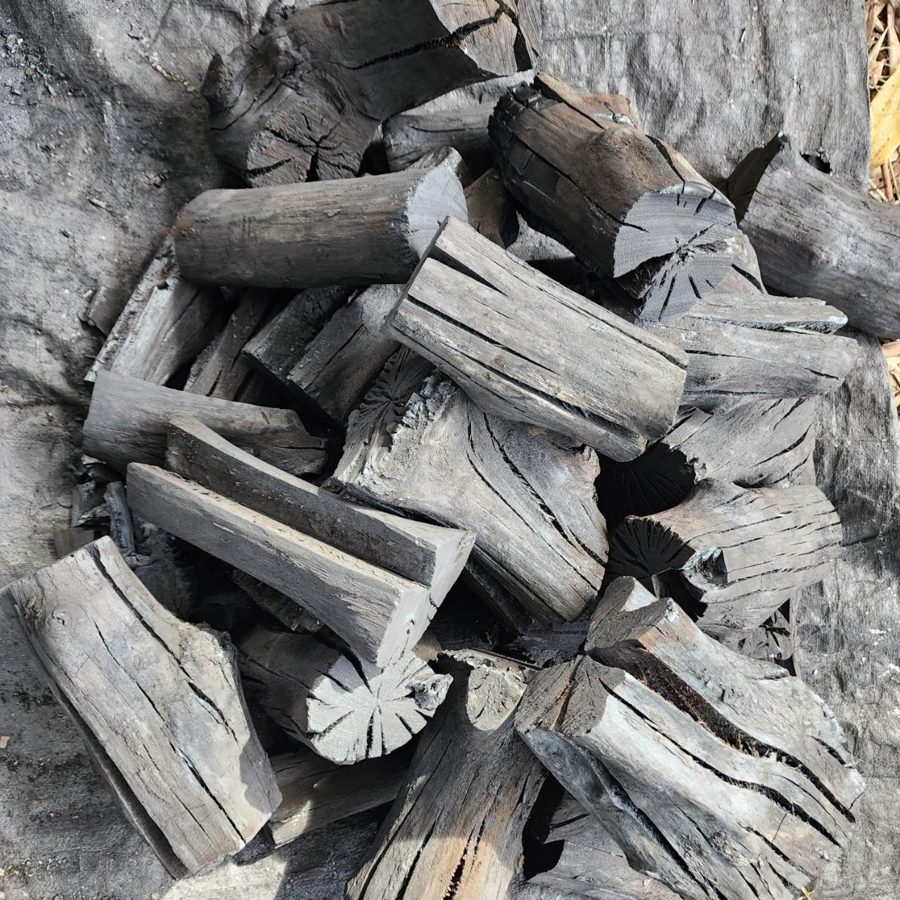
Subheading 4402.90 covers other charcoal within heading 4402, excluding the bamboo and shell-or-nut categories above. Conventional wood charcoal and carbonized wood-sawdust briquettes generally fall within this category, subject to their actual composition and the destination country’s detailed tariff provisions.
This is the relevant starting point for many hardwood lump charcoal products and wood-based charcoal briquettes. However, 4402.90 is a six-digit HS subheading, not necessarily the complete code required on a national customs declaration.
HS Code for Wood Charcoal Briquettes and Sawdust Charcoal
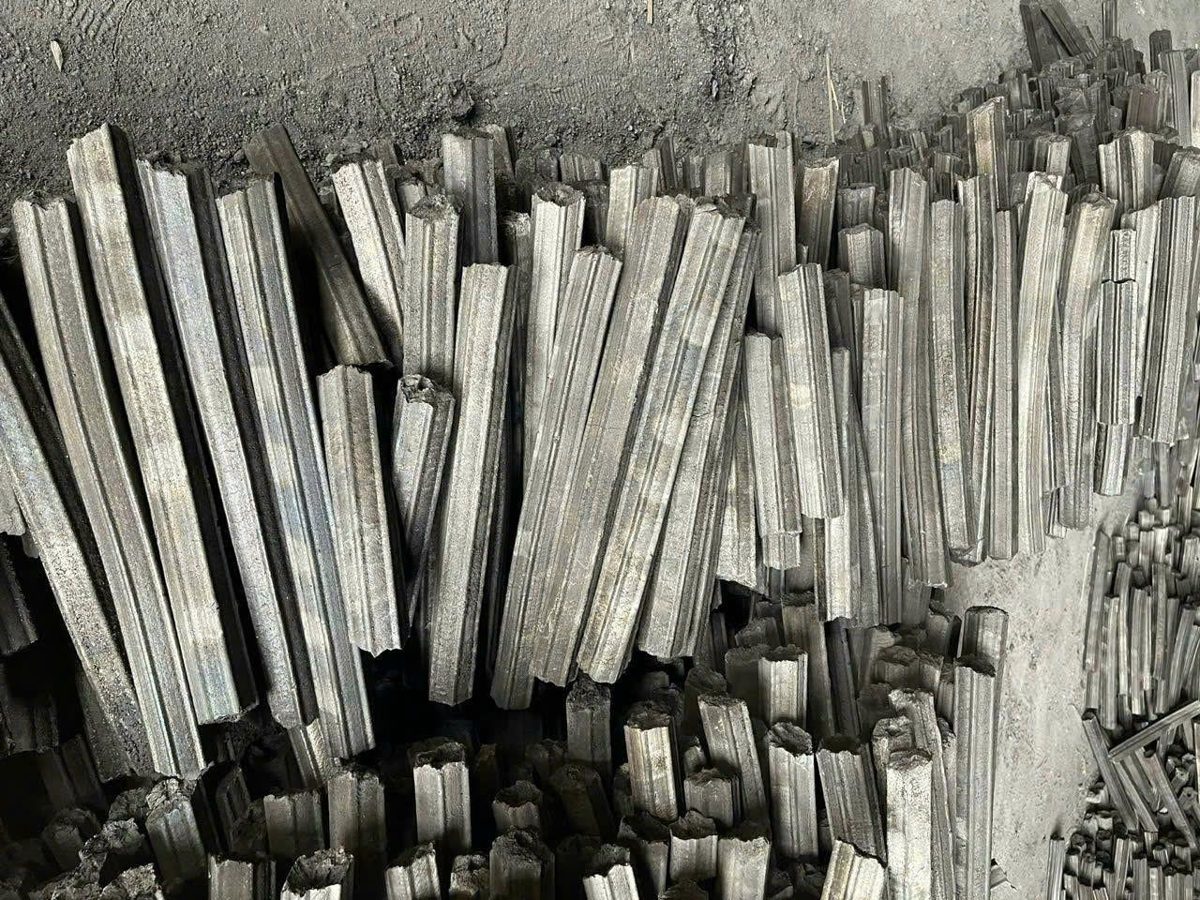
Wood charcoal briquettes are often confused with ordinary compressed wood briquettes because both products can have uniform shapes. The key difference is whether the material has been carbonized.
When the finished product is charcoal made from wood or wood sawdust, heading 4402 is the appropriate heading to examine. For wood-based charcoal other than bamboo or shell-and-nut charcoal, the relevant six-digit category is generally 4402.90. Compressing charcoal into briquettes does not, by itself, move it outside heading 4402, whose wording expressly includes agglomerated charcoal.
Sawdust charcoal should therefore be described in a way that distinguishes it from raw sawdust and uncarbonized sawdust briquettes. A description such as “carbonized wood-sawdust charcoal briquettes for BBQ use” gives a customs broker more useful information than “sawdust fuel” or “BBQ briquettes.”
Briquette shape alone is not enough to determine the code. Hexagonal, cylindrical, or other formed products may have different classifications depending on their materials and processing. If the product contains mixed feedstocks or additional substances, buyers should provide the full formulation for classification review.
Are Biomass Briquettes Classified Under the Same HS Code?
Biomass briquettes is a broad commercial term, not a single customs category. It may describe non-carbonized compressed wood fuel, charcoal briquettes, or products made from other agricultural materials. Using the term without a clear material description can lead to an incorrect classification.
For non-carbonized wood briquettes, HS 2022 provides subheading 4401.32. The WCO subheading note defines these products as certain wood-processing by-products, including sawdust, shavings, or chips, agglomerated by compression or with a binder not exceeding 3% by weight. It also specifies permitted forms and a minimum cross-sectional dimension greater than 25 mm.
This means 4401.32 is not a universal code for every product marketed as a biomass briquette. The product must meet the relevant definition. Briquettes made from non-wood agricultural residues require their own classification assessment.
The practical distinction is straightforward: non-carbonized wood briquettes and carbonized wood charcoal briquettes should not be treated as interchangeable products. Buyers should establish the material and carbonization status before discussing the final tariff code.
Understanding the Charcoal HSN Code and National Tariff Codes
Buyers searching for a coal hsn code are often looking for the classification used in India. Indian HSN listings identify heading 4402 for wood charcoal, including shell or nut charcoal, whether or not agglomerated.
However, an international HS reference and a complete national tariff code are not always the same length. The WCO nomenclature provides the six-digit classification framework, while national schedules can add further subdivisions. Buyers should therefore confirm the complete code required in their destination market rather than assume that a code used by another importer is directly transferable.
Classification should also be kept separate from tax calculations. A heading number alone does not establish the final import duty, GST, VAT, or other charges payable on a shipment. Those amounts must be checked against the applicable national rules, origin treatment, and shipment details.
For commercial planning, ask the customs broker to confirm both the classification and its tariff consequences before finalizing landed-cost estimates.
What BBQ Charcoal Importers Should Confirm Before Shipment
For bbq charcoal importers, classification review should begin before the commercial invoice and shipping documents are finalized. The supplier should clearly identify whether the product is hardwood lump charcoal, carbonized sawdust briquettes, coconut shell charcoal briquettes, or non-carbonized wood fuel.
A useful technical description includes the raw material, carbonization status, physical form, and any binders or additives. Product photographs and a short manufacturing explanation can help the broker understand the goods, particularly when the trading name is ambiguous.
For example, “wood briquettes” does not explain whether the product is compressed raw wood or finished charcoal. Similarly, “coconut briquettes” should specify whether the material is coconut shell charcoal and disclose any relevant ingredients. Clear descriptions make classification review more reliable.
Once the code has been reviewed, the invoice description, specification sheet, and customs declaration should describe the same product consistently. Where uncertainty remains, buyers should ask the destination customs authority about the available advance or binding classification ruling procedure.
HS classification is also separate from transport safety. Confirming a tariff code does not replace the carrier’s requirements for cargo acceptance, packaging, testing, or shipment documentation.
Choosing Wood Charcoal and Briquettes from PNP Charcoal
PNP Charcoal supports buyers sourcing charcoal for BBQ, restaurant, wholesale, retail, and distribution needs. Before confirming an order, buyers can discuss the product type, raw material, size, packing, and intended market so the commercial specification accurately identifies the goods.
For classification purposes, buyers should share that specification with their customs broker and confirm the destination tariff code independently. Supplier information supports the review, but it should not be treated as a customs authority’s classification decision.
Alongside documentation, buyers should evaluate whether the product meets their actual market requirements. PNP Charcoal’s guide on how to check charcoal quality before placing a bulk order explains practical checks for appearance, burning performance, moisture, ash, and packing.
Conclusion
The correct coal hs code depends on what the fuel actually is. Wood charcoal generally falls under heading 4402, while non-carbonized wood briquettes require a separate review under heading 4401. Confirm the raw material, processing, and destination tariff code before shipment.
Contact PNP Charcoal to discuss suitable wood charcoal and briquette products for your market.
Contact us for more information
Facebook: PNP Charcoal
Instagram: PNP Charcoal
Email: info@pnpglobalsupply.com