What is charcoal made of? Many charcoal buyers want to know what charcoal is made of before choosing between lump charcoal, sawdust briquettes, coconut charcoal, or other charcoal products. The raw material matters because it affects burning time, heat level, ash content, smoke, hardness, shape, and packing stability. This guide explains the main materials used in charcoal production and how each material affects the finished product
What Is Charcoal Made Of?
Charcoal is made of carbonized wood or biomass. It is different from coal, which is a fossil fuel mined from the ground. Charcoal is produced through charcoal making, where raw material is heated under controlled conditions with limited oxygen.
When producers make charcoal from wood, the wood is not burned completely into ash. It is heated slowly so that water, tar, and volatile gases leave the material. The remaining structure becomes lighter, darker, drier, and higher in carbon.
When buyers ask what is charcoal made out of, the answer depends on the product type. Natural lump charcoal is made from carbonized wood pieces. Briquette charcoal is usually made from processed materials such as sawdust, coconut shell charcoal powder, wood charcoal powder, or charcoal fines.
In commercial supply, charcoal is commonly divided into two main groups:
- Lump charcoal
- Briquette charcoal
What Is Lump Charcoal Made Of?
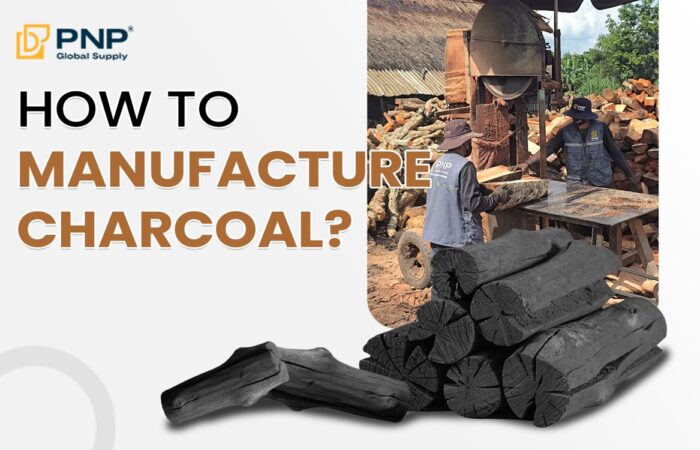
Lump charcoal is made from whole wood pieces. The wood is selected, cut, dried, carbonized, cooled, sorted, and packed. After carbonization, the charcoal keeps the natural and irregular shape of the original wood.
Common Wood Materials Used for Lump Charcoal
Mangrove Wood
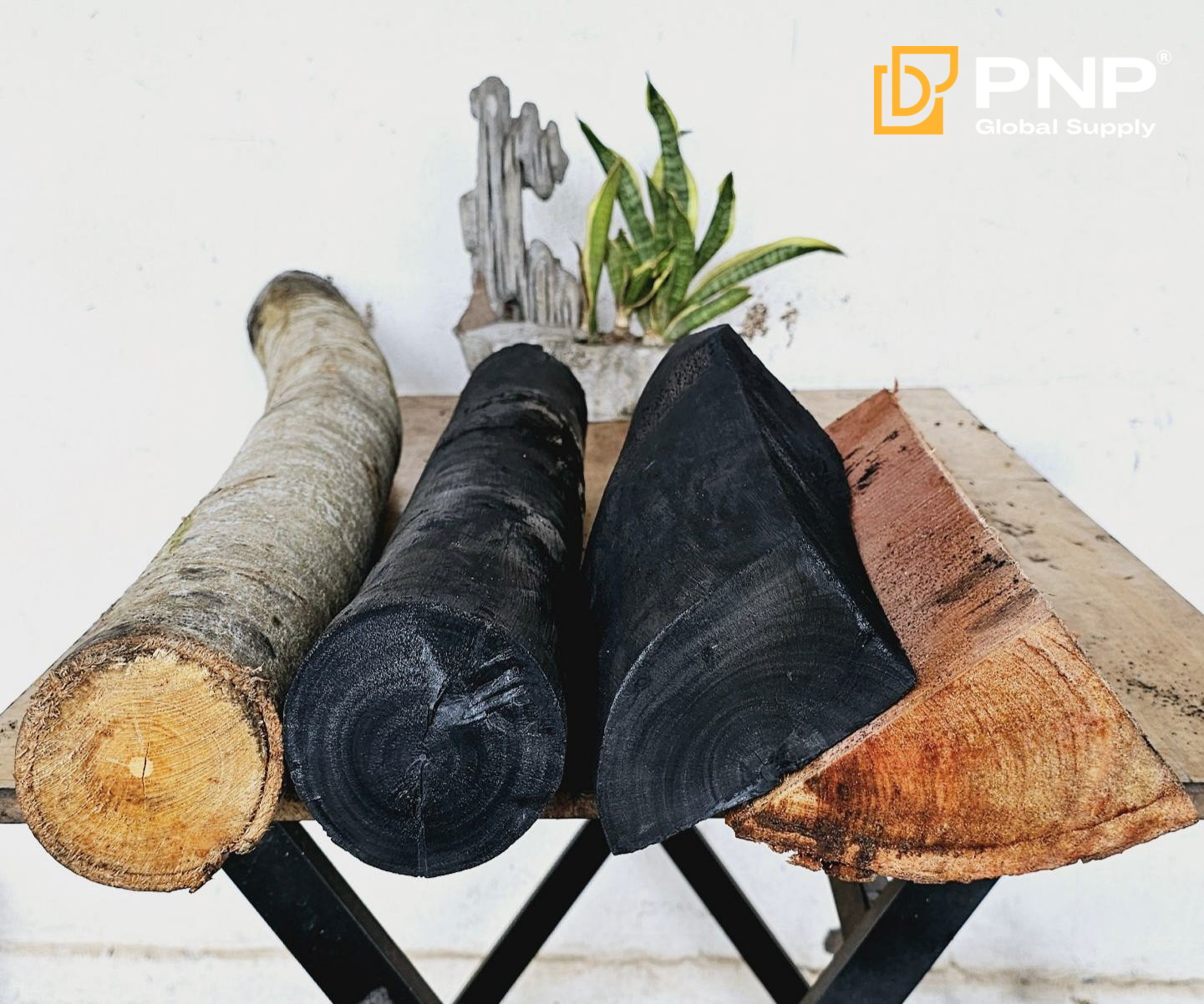
Mangrove charcoal is made from mangrove wood, a dense wood material from the mangrove ecosystem. This wood is well known in charcoal production because it can produce strong black charcoal with high heat, low smoke, and stable burning performance.
One important feature of mangrove wood is its striped grain structure. After carbonization, mangrove charcoal can crack along the length of the stick. Because of this, cutting mangrove charcoal by hand can easily break the charcoal into smaller pieces. For more consistent sizing, producers often use cutting machines or hand saws instead of chopping. This helps reduce breakage, remove under-carbonized pieces, and make the charcoal easier to sort and pack neatly.
Mangrove charcoal has a calorific value of around 7504 kcal/kg and a burning time of about 3.5–4 hours.
Kaya Wood
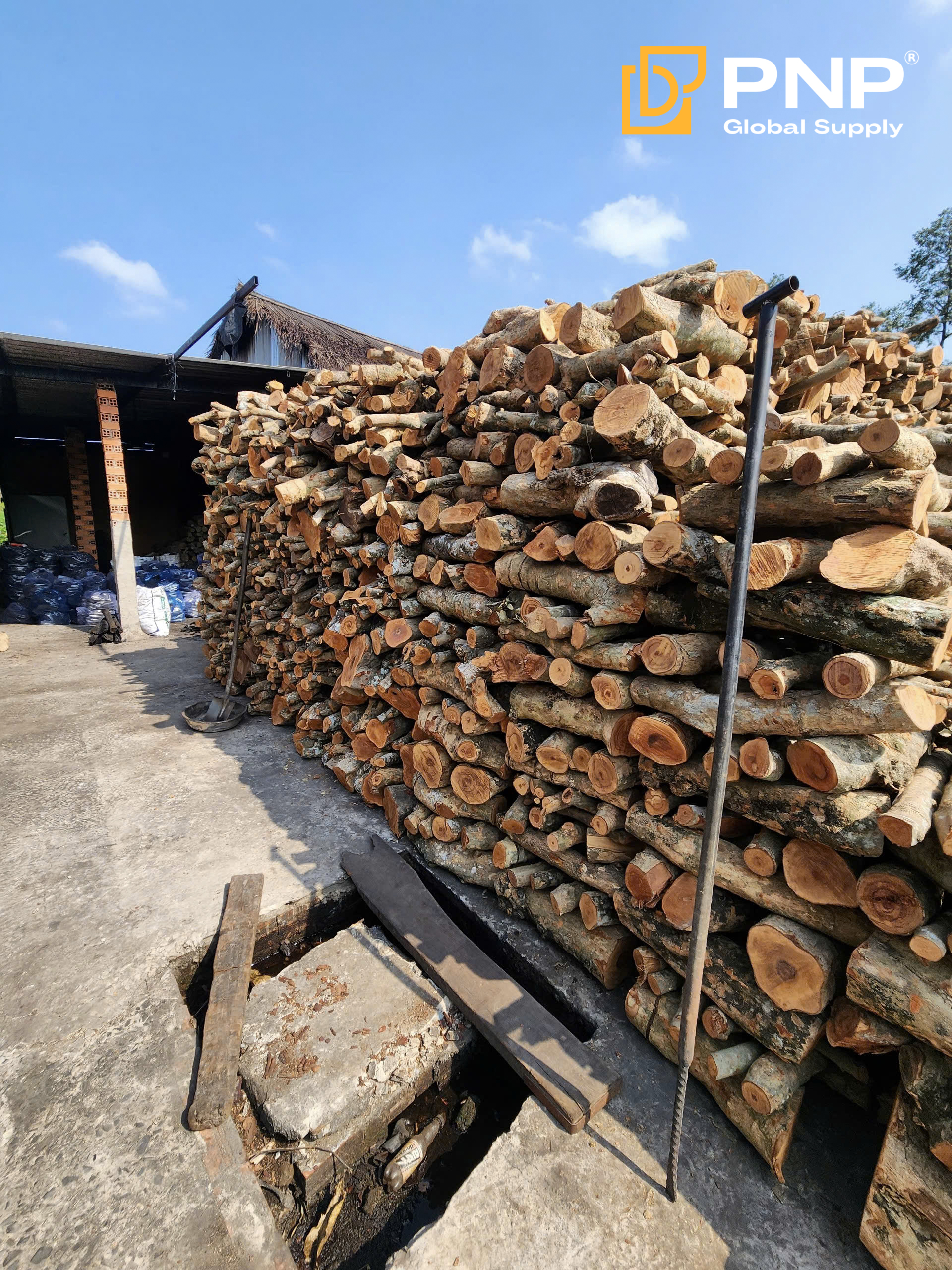
Kaya charcoal is made from kaya wood, a common timber tree with fast growth and a large wood volume. Because the raw material is relatively available in some production areas, kaya wood can be processed into natural lump charcoal for regular charcoal supply.
Kaya charcoal is usually produced in lump form. One noticeable feature of this charcoal is the white ash it creates after burning. Many buyers prefer this characteristic because white ash is often associated with cleaner burning and lower visible impurities.
Kaya charcoal has a calorific value of around 6587 kcal/kg and a burning time of about 3–3.5 hours.
Coffee Wood
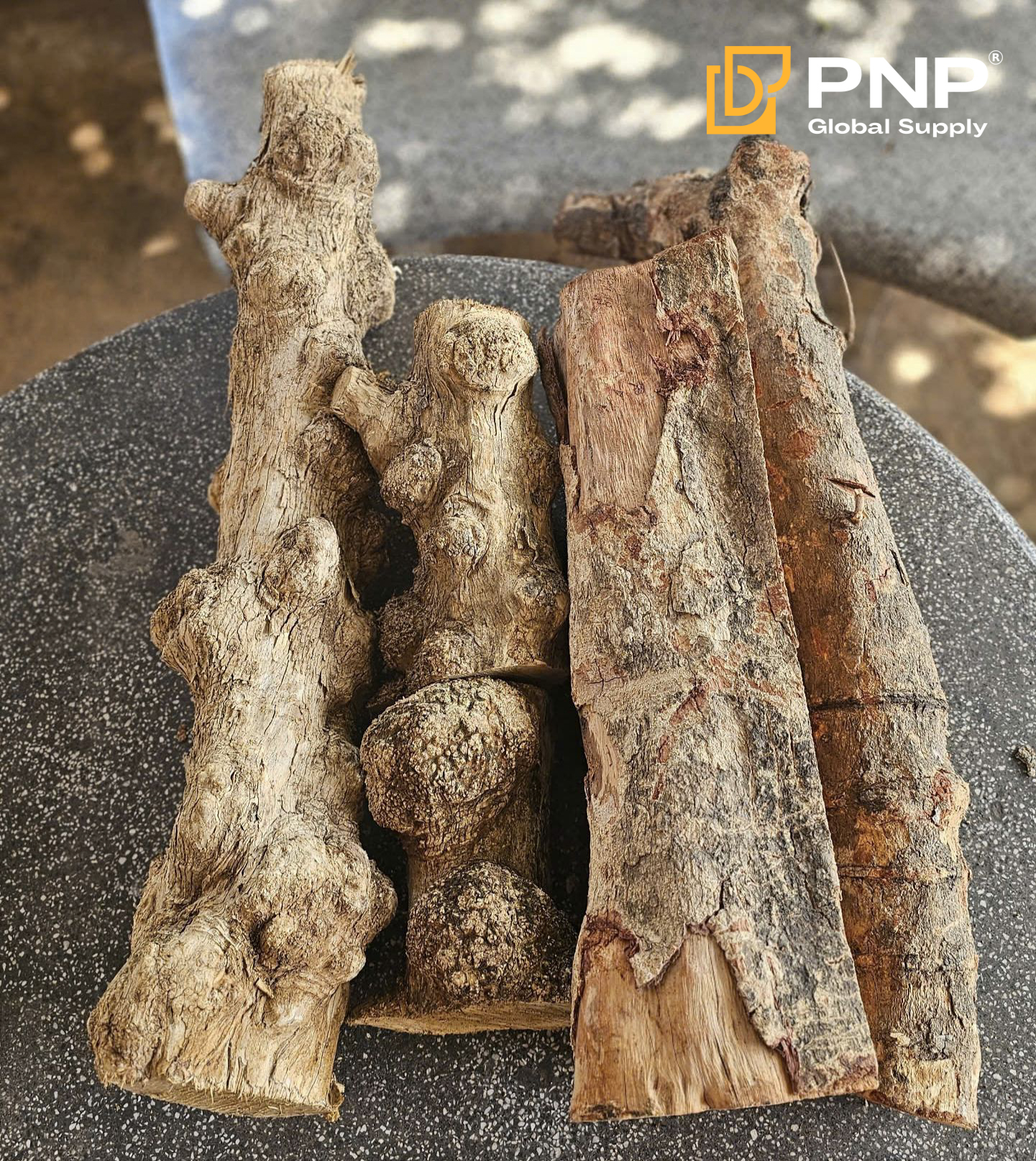
Coffee wood charcoal is made from coffee tree wood. It uses agricultural wood resources and can be processed into natural lump charcoal for BBQ and cooking. Coffee wood charcoal is made from coffee tree wood, including trunks and branches from coffee-growing areas. Unlike timber trees grown mainly for wood, coffee trees are primarily cultivated for coffee beans. As a result, the supply of coffee wood depends on pruning seasons, old tree replacement, and farming cycles.
This seasonal raw material characteristic makes coffee wood charcoal different from many other lump charcoal products. Coffee wood is usually carbonized into small lump charcoal pieces and can be used for BBQ, cooking, and wholesale charcoal supply.
Coffee wood charcoal has a calorific value of around 6701 kcal/kg and a burning time of about 3–3.5 hours.
Longan Wood
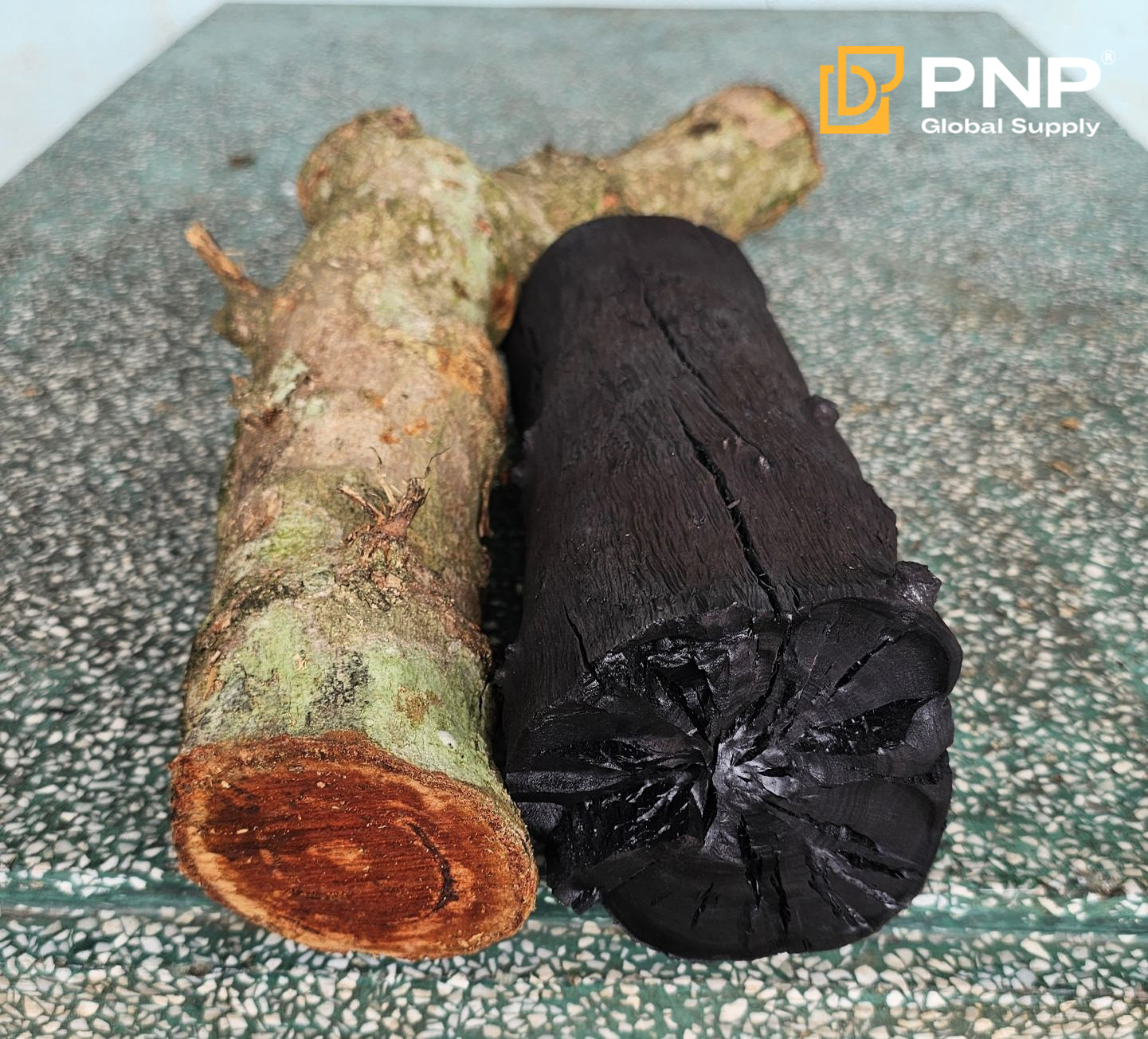
Longan charcoal is made from longan wood, a fruit-tree wood known for its dense and hard structure. Because of this natural wood quality, longan charcoal is considered a strong lump charcoal option with good heat performance when the wood is properly dried and carbonized.
One important characteristic of longan wood is that it may contain small knots or eye marks, especially in some northern raw material sources. During burning, these knots can sometimes cause popping or small sparks. Longan charcoal from southern sources may have fewer of these issues, depending on the raw material condition and production process.
Longan charcoal has a calorific value of around 6726 kcal/kg and a burning time of about 3–3.5 hours.
Eucalyptus Wood
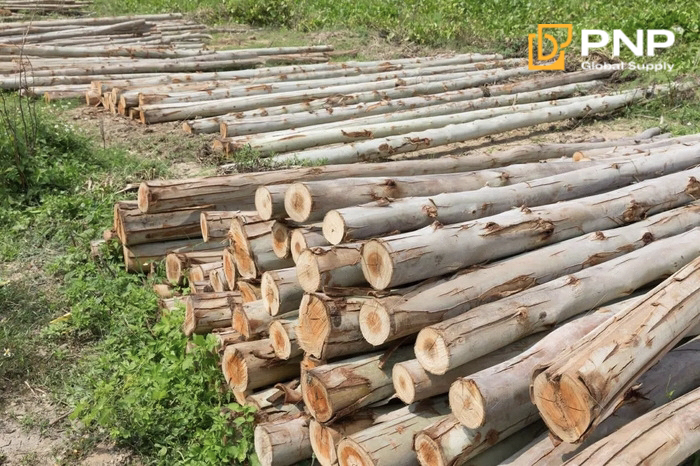
Eucalyptus charcoal is made from eucalyptus wood, an industrial wood material commonly grown for timber and paper production. Eucalyptus trees are tall, straight, and can provide a large wood volume, making them a practical raw material for charcoal production.
Eucalyptus wood can be processed into solid stick charcoal with stable heat and a clean appearance. It is also commonly used to produce white charcoal through a more controlled carbonization process. This makes eucalyptus an important wood material for buyers who need charcoal with a firm structure, consistent size, and practical packing performance.
White charcoal has a calorific value of around 7500 kcal/kg and a burning time of about 4–5 hours.
What Is Briquette Charcoal Made Of?
Briquette charcoal is made from processed raw materials instead of whole wood pieces. The most common materials are sawdust, coconut shell charcoal powder, wood charcoal powder, and charcoal fines.
The material is dried, screened or ground, compressed into shape, carbonized or dried depending on the production method, cooled, and packed. Briquette charcoal has a more uniform shape than lump charcoal, which makes it easier to count, stack, pack, and use.
Sawdust
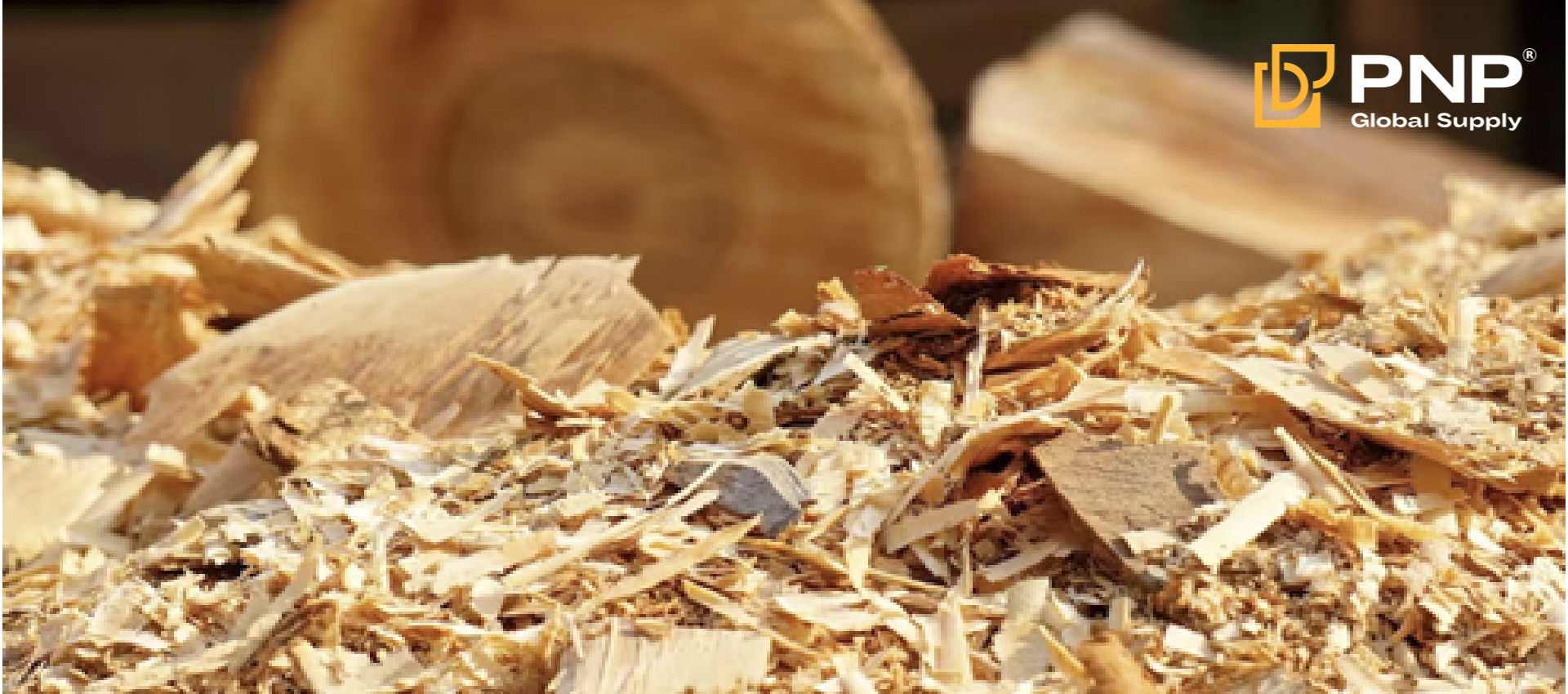
Sawdust briquette charcoal is made from sawdust. The sawdust is dried, compressed into briquettes, and carbonized into a solid charcoal product. Sawdust briquette charcoal has a calorific value of around 7900 kcal/kg and a burning time of about 6–7 hours.
This product often comes in a hexagonal shape, with diameter around 3.8–4.8 cm and length around 15–20 cm. It is suitable for buyers who need long burning time and uniform shape.
Coconut Shell
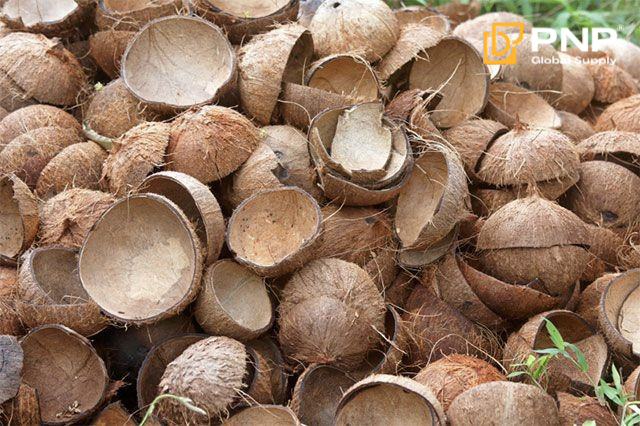
Coconut charcoal is made from coconut shell. The shell is carbonized, processed into powder, and compressed into shapes such as cube, finger, or hexagon. Coconut charcoal has a calorific value of around 7224 kcal/kg and a burning time of about 2 hours.
Coconut charcoal has a compact structure and uniform appearance.
Charcoal Production Process
The charcoal production process depends on the raw material and product type, but most charcoal factories follow these basic steps:
Step 1: Raw material preparation
Wood, sawdust, coconut shell, or charcoal powder is selected and prepared based on the product type. For lump charcoal, the wood is cut into suitable sizes. For briquette charcoal, the raw material is screened or processed before shaping.
Step 2: Drying
The raw material is dried to reduce moisture before carbonization. Lower moisture helps the material carbonize more evenly and reduces smoke during production.
Step 3: Carbonization
The prepared material is heated inside a kiln with limited oxygen. This process removes moisture and volatile compounds while keeping the carbon structure. If there is too much oxygen, the material can burn into ash instead of becoming charcoal.
Step 4: Cooling
After carbonization, the charcoal must be cooled before it is exposed to air. Hot charcoal can reignite if it is removed from the kiln too early.
Step 5: Sorting
The finished charcoal is sorted by size, shape, dust level, hardness, and appearance. This step helps separate suitable products from broken pieces or excess dust.
Step 6: Packing
The charcoal is packed based on product type and buyer requirements. Proper packing helps reduce breakage and keeps the product stable for wholesale, restaurant, BBQ, and export orders.
Learn more about: How the Charcoal Making Process Delivers Export-Quality Charcoal?
Choosing Charcoal at PNP Charcoal
At PNP Charcoal, buyers can choose between natural lump charcoal and briquette charcoal depending on their market, usage, and packing requirements.
For buyers who prefer natural wood charcoal, PNP Charcoal offers lump charcoal options such as mangrove charcoal, kaya charcoal, coffee wood charcoal, longan charcoal, eucalyptus charcoal, and white charcoal. For buyers who need uniform shape and easier packing, PNP Charcoal offers briquette charcoal such as sawdust briquette charcoal and coconut charcoal.
Before placing an order, buyers can discuss the raw material, charcoal type, size or shape, burning time, moisture and ash expectations, packing requirement, intended use, and sample quality with PNP Charcoal.
Conclusion
What is charcoal made of? The article above has explained what charcoal is made of and how raw materials affect the final product. Lump charcoal is made from natural wood pieces, while briquette charcoal is made from processed materials such as sawdust, coconut shell charcoal powder, or wood charcoal powder.
If you are looking for lump charcoal, sawdust briquette charcoal, or coconut charcoal for BBQ, restaurant, wholesale, or export supply, contact PNP Charcoal for suitable charcoal options.
Contact us for more information
Facebook: PNP Charcoal
Instagram: PNP Charcoal
Email: info@pnpglobalsupply.com