Coffee charcoal is a natural lump charcoal made from coffee wood, valued for its stable burning performance and distinctive wood-charcoal structure. This review takes a closer look at the product itself, covering its charcoal color, lump shape, size, structure, heat output, smoke, ash, breakage, and packing condition to provide a practical overview of its real performance.
What Is Coffee Charcoal?
Coffee charcoal is produced from coffee wood that is prepared and carbonized into solid charcoal pieces. In Vietnam, coffee wood can come from coffee tree pruning, old-tree replacement, or other coffee farm material sources. Because it is made from natural wood, coffee charcoal has an irregular lump structure rather than a machine-pressed briquette shape.
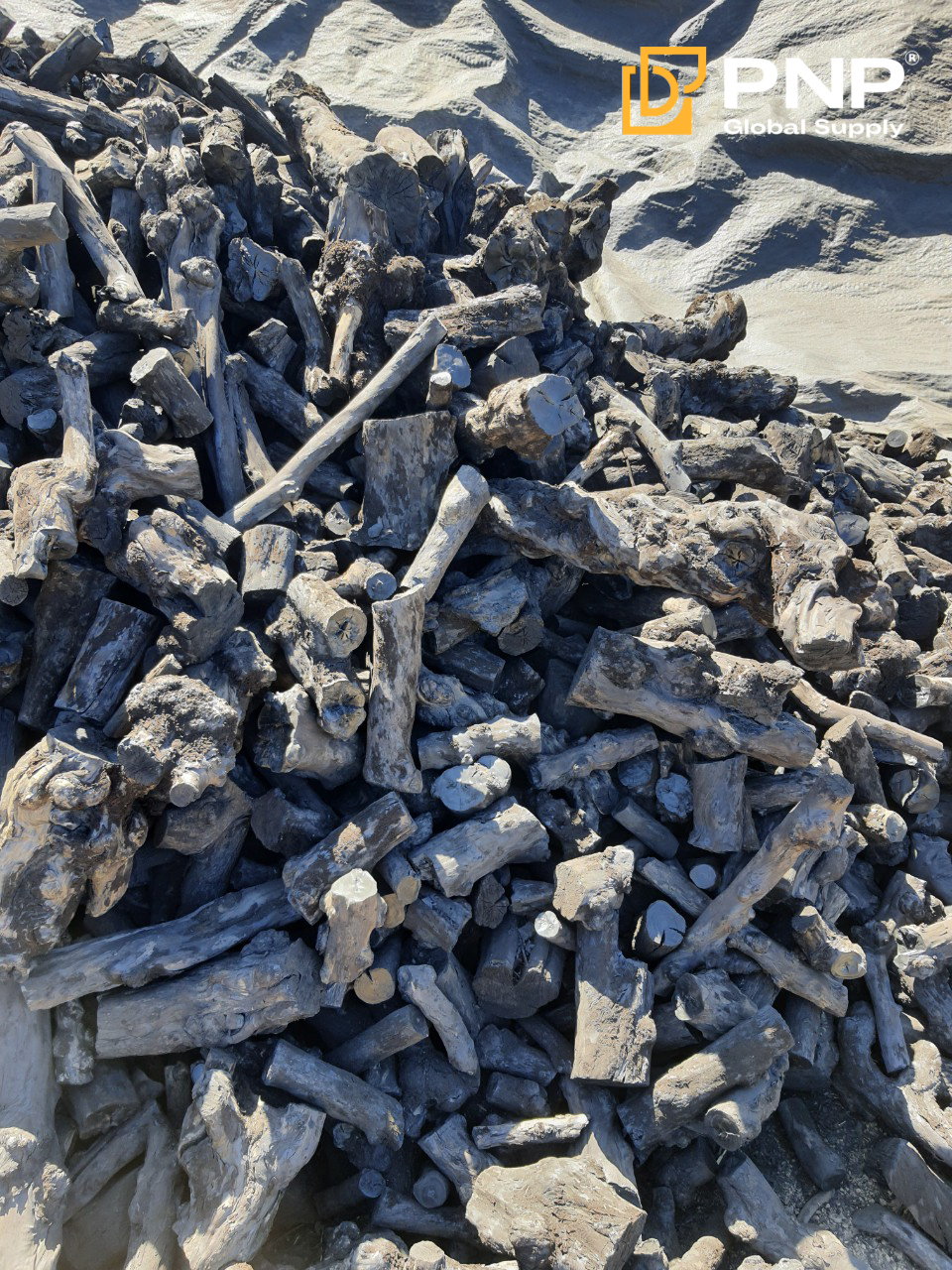
This gives coffee charcoal a more natural appearance. The pieces are not identical in size or form, but a good batch should still look clean, firm, and properly carbonized. Its natural lump form is one of the most recognizable features of coffee charcoal compared with sawdust briquettes or coconut charcoal briquettes.
Coffee Charcoal Performance Review
Charcoal Color
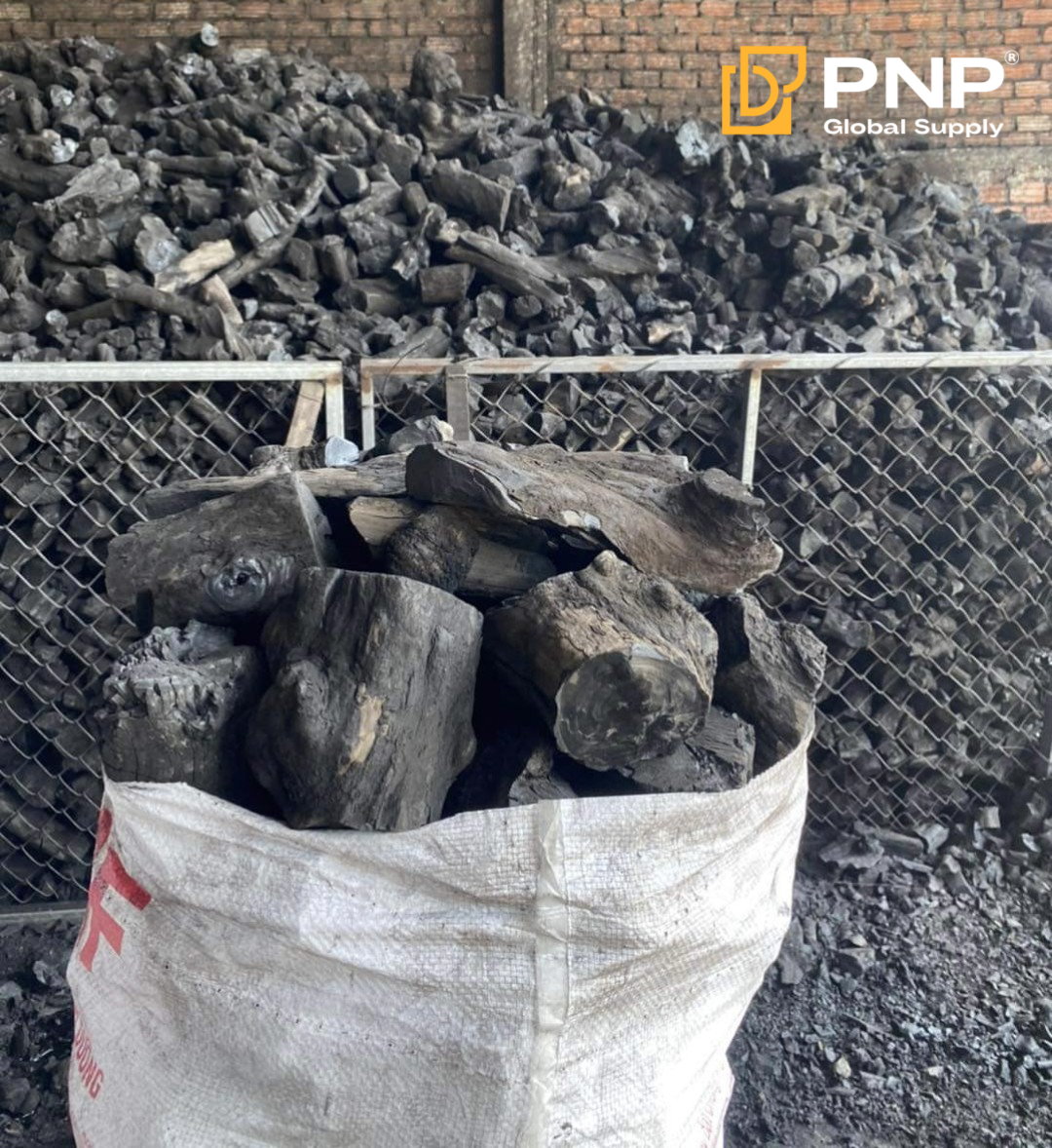
The charcoal color of coffee charcoal should usually appear clean black when it has been properly carbonized. A solid black surface suggests that the wood has gone through the carbonization process and has become usable charcoal.
Color can also show product condition. If the pieces look too brown, soft, or woody, the charcoal may not be fully carbonized. If the surface looks dusty, overly broken, or mixed with too many small fragments, the overall appearance may look less clean. For a review of coffee charcoal, color is important because it reflects both the carbonization result and the visual quality of the finished product.
Shape
Coffee charcoal comes in a natural lump shape, so each piece has an irregular form rather than a fixed, uniform appearance. Unlike briquette charcoal, which is machine-pressed into hexagon, cube, or finger shapes, coffee charcoal follows the original structure of the coffee wood.
Its surface is naturally rough and uneven, often with raised and bumpy textures instead of a smooth finish. This rugged appearance is one of the characteristic features of lump charcoal. While the shape varies from piece to piece, a good batch should still contain solid, recognizable lump pieces with minimal dust and excessive breakage.
Size
PNP coffee charcoal commonly has a diameter of about 5–10cm and a length of about 4–12cm. This size range is suitable for regular handling and burning because the pieces are not too small or too oversized.
Size affects how coffee charcoal behaves during use. Smaller pieces may light faster but can also burn more quickly. Larger pieces may support a steadier burn but can be less convenient in smaller grills. For coffee charcoal as a product, a balanced size range helps create a more stable and usable batch.
Structure
Coffee charcoal should have a firm, dry, and properly carbonized structure. Since it is made from coffee wood, its internal structure can show natural wood grain and density. This gives the product its lump charcoal character.
A solid structure helps the charcoal stay intact during packing, loading, transport, and handling. If the pieces break too easily, the bag may contain more dust and small fragments. Coffee charcoal should not feel soft, damp, or under-carbonized. A firm structure and clean break surface are better signs of finished charcoal quality.
Lighting Ability
Coffee charcoal should light within a reasonable time when used with proper airflow and ignition conditions. As natural lump charcoal, it may not light exactly like processed briquettes, but it should still be practical for BBQ and cooking applications.
Lighting ability is affected by moisture, piece size, airflow, and carbonization quality. If the charcoal is too damp, it may take longer to ignite and may create more smoke at the beginning. A dry and properly carbonized coffee charcoal batch should be easier to prepare and more consistent during the early burning stage.
Heat and Charcoal Burning Temperature
Coffee charcoal has a calorific value of about 6701 kcal/kg and a burn time of around 3–3.5 hours. These figures show that coffee charcoal can provide practical heat for BBQ, restaurant cooking, and general grilling use.
Charcoal burning temperature is not fixed in every situation. It depends on airflow, grill type, charcoal arrangement, piece size, and ignition method. In real use, coffee charcoal is valued not only for heat output but also for how steadily it can maintain heat during cooking. A stable burn is one of the important performance signs in this charcoal review.
Smoke
Good coffee charcoal can produce a lower smoke level when it is properly carbonized and kept dry. This makes it useful for grilling, BBQ, restaurant kitchens, and outdoor cooking setups where smoke control matters.
Smoke can still change depending on moisture, airflow, and lighting method. If coffee charcoal is damp or not fully carbonized, it may smoke more at the beginning. A cleaner-burning coffee charcoal batch should create less smoke after ignition and maintain a more comfortable cooking environment.
Ash
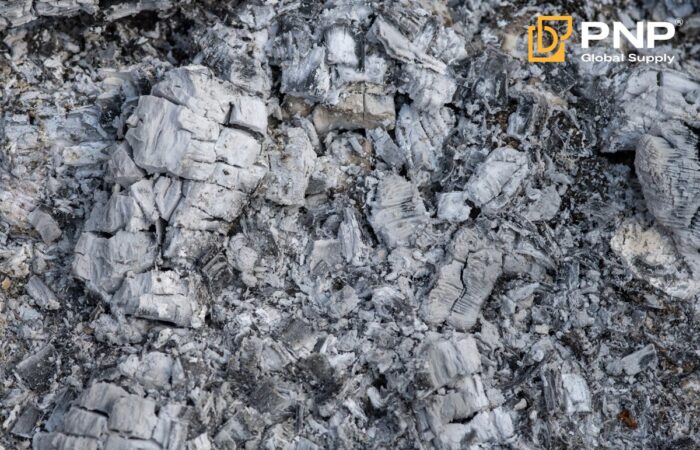
Ash is another visible part of coffee charcoal performance. After burning, coffee charcoal should leave a manageable ash amount. Lower and cleaner ash helps keep the cooking area easier to manage and supports better airflow during burning.
Ash condition can be affected by raw material, carbonization, moisture, and burning setup. In a product review, ash is not only about quantity. It also shows how cleanly the charcoal burns and how easy it is to handle after use.
Breakage
Breakage is part of the physical review of coffee charcoal. Since coffee charcoal is supplied in natural lump form, some variation is normal, but the product should not arrive with too much dust or too many small fragments.
A stronger structure helps the pieces remain usable after storage, loading, delivery, and repacking. Too much breakage can reduce product appearance and make the charcoal less convenient for restaurant, wholesale, or retail use. The best visual result is a bag with clear lump pieces, limited dust, and a clean overall presentation.
Packing
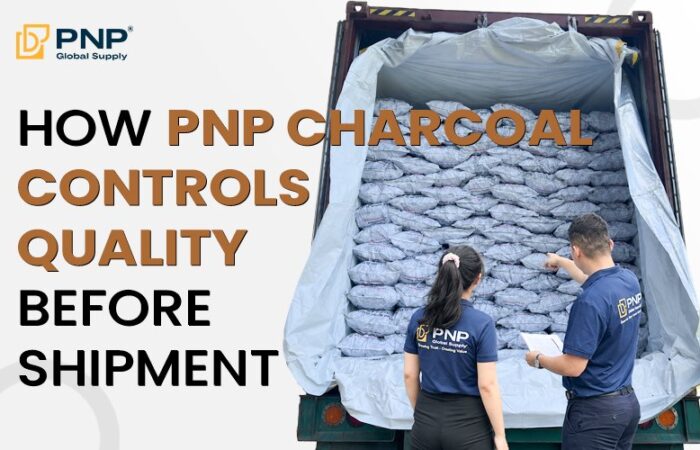
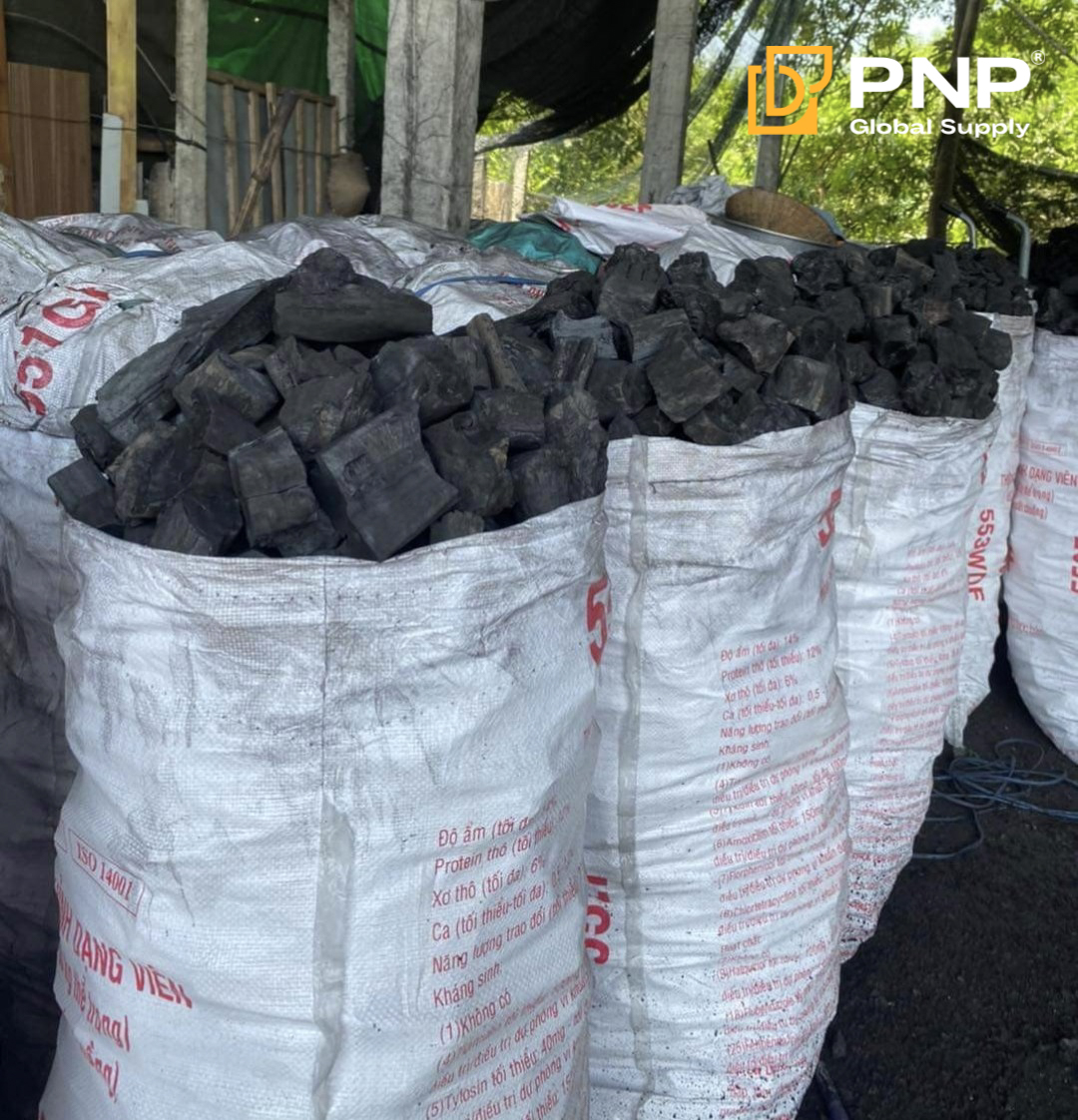
Packing protects coffee charcoal from moisture, dust, and breakage during storage and delivery. Because coffee charcoal is a natural lump charcoal, packing quality affects how the product looks when it reaches the end user.
Coffee charcoal can be packed in different formats depending on order requirements, such as PP bags, kraft paper bags, carton boxes, jumbo bags, or customized/private-label bags. Good packing should be strong enough for handling and transport while keeping the lump charcoal pieces cleaner and more intact.
Learn more about: Discover the Various Uses of Coffee Charcoal
Choosing Coffee Charcoal at PNP Charcoal
PNP Charcoal supplies coffee charcoal as part of its lump charcoal product range for B2B buyers. With its natural coffee wood raw material, lump shape, and practical burn time, coffee charcoal can be a suitable choice for BBQ, restaurant, wholesale, and distribution needs.
Buyers can review coffee charcoal based on product specifications such as burn time, calorific value, size range, and intended use. They can also request samples to check charcoal color, charcoal burning temperature, ash, smoke, and breakage before confirming a bulk order.
For buyers who are still comparing different products, it is useful to review coffee charcoal together with other charcoal types such as mangrove charcoal, kaya charcoal, longan charcoal, eucalyptus charcoal, white charcoal, sawdust briquette charcoal, and coconut charcoal.
Conclusion
This coffee charcoal review has focused on the product’s own characteristics rather than a general buying guide. Coffee charcoal stands out for its coffee wood raw material, natural lump shape, practical 3–3.5 hour burn time, calorific value of about 6701 kcal/kg, and review points such as charcoal color, structure, heat, smoke, ash, breakage, and packing.
For coffee charcoal inquiries, product specifications, samples, or packing requirements, contact PNP Charcoal for more information.
Contact us for more information
Facebook: PNP Charcoal
Instagram: PNP Charcoal
Email: info@pnpglobalsupply.com