Binchotan charcoal is known for strong heat, long burning time, low smoke, and a clean grilling experience. For buyers, understanding how to make binchotan charcoal helps explain why production skill, raw material selection, kiln control, sorting, and packing all affect final quality. This guide shows how PNP produces vietnam white charcoal for grilling, restaurants, wholesale, and distribution needs.
What Is Binchotan Charcoal?
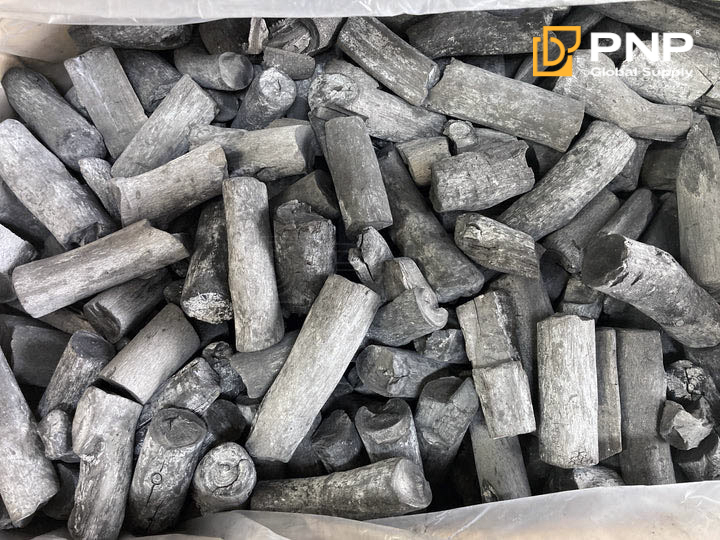
Binchotan charcoal, also known as white charcoal, is a premium charcoal type made through a high-temperature carbonization process. Traditional binchotan japanese charcoal is strongly associated with Japan, where dense hardwood is fired carefully to create hard, clean-burning charcoal for grilling and cooking.
Compared with regular charcoal, binchotan charcoal has a denser structure and a cleaner burning profile. It is often chosen by restaurants and BBQ users because it can provide strong heat, burn for a long time, and produce less smoke when properly made and stored.
At PNP Charcoal, white charcoal is supplied as a premium grilling charcoal option for buyers who need stable performance. White charcoal has a solid stick shape, around 4–5 hours of burning time, and a calorific value of about 7500 kcal/kg.
Why the Production Process Matters
Making binchotan charcoal requires more than simply burning wood. It begins with carefully selected hardwood, followed by a precisely controlled carbonization process, high-temperature firing, natural cooling, sorting, and packing.
One of the key factors behind consistent quality is how the charcoal is carbonized through multiple controlled stages. This helps develop the dense structure, stable heat, low smoke, and durability that buyers expect from Vietnam white charcoal.
Step 1: Selecting Suitable Wood Material
The first step in making binchotan charcoal is selecting suitable wood material. Traditional Japanese binchotan is usually made from dense hardwood such as ubame oak. This type of wood is limited and expensive, which is one reason authentic Japanese binchotan charcoal is often positioned at a very high price level.
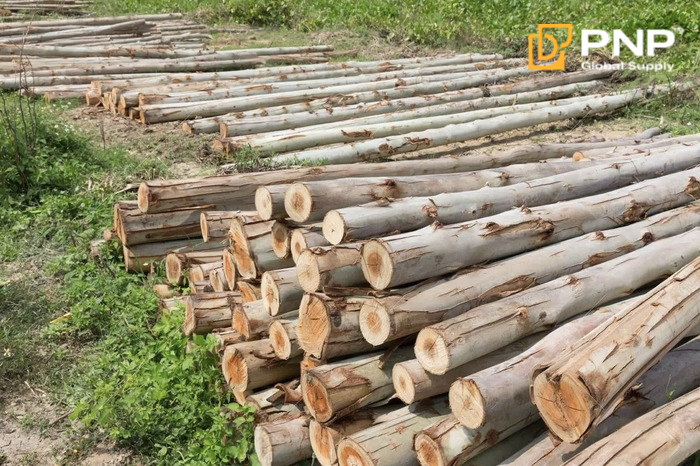
For vietnam white charcoal, PNP Charcoal uses eucalyptus as the raw material for producing white charcoal. Eucalyptus is suitable for solid stick charcoal because it has a firm structure and can support high-heat charcoal production when properly carbonized.
Raw material quality is important because it affects the density, hardness, burn time, and final charcoal shape. Wood pieces should be selected and prepared carefully before entering the kiln. Material with too much moisture, unsuitable size, or poor structure can affect the carbonization process and reduce finished product consistency.
Step 2: Preparing the Wood Before Carbonization
Before carbonization, the wood needs to be prepared for the kiln. This step includes sorting the wood, controlling size, and reducing unsuitable material that may affect burning quality.
Proper preparation helps the kiln process become more stable. If wood pieces are too wet or inconsistent in size, they may carbonize unevenly. Some pieces may become under-carbonized, while others may crack or burn too much.
For white charcoal production, stable preparation is important because buyers expect a hard, dense, and clean-burning product. A good charcoal factory does not only focus on the final appearance. It must also control the material before firing so the finished charcoal can perform well in real grilling use.
Step 3: Double Carbonization in the Kiln
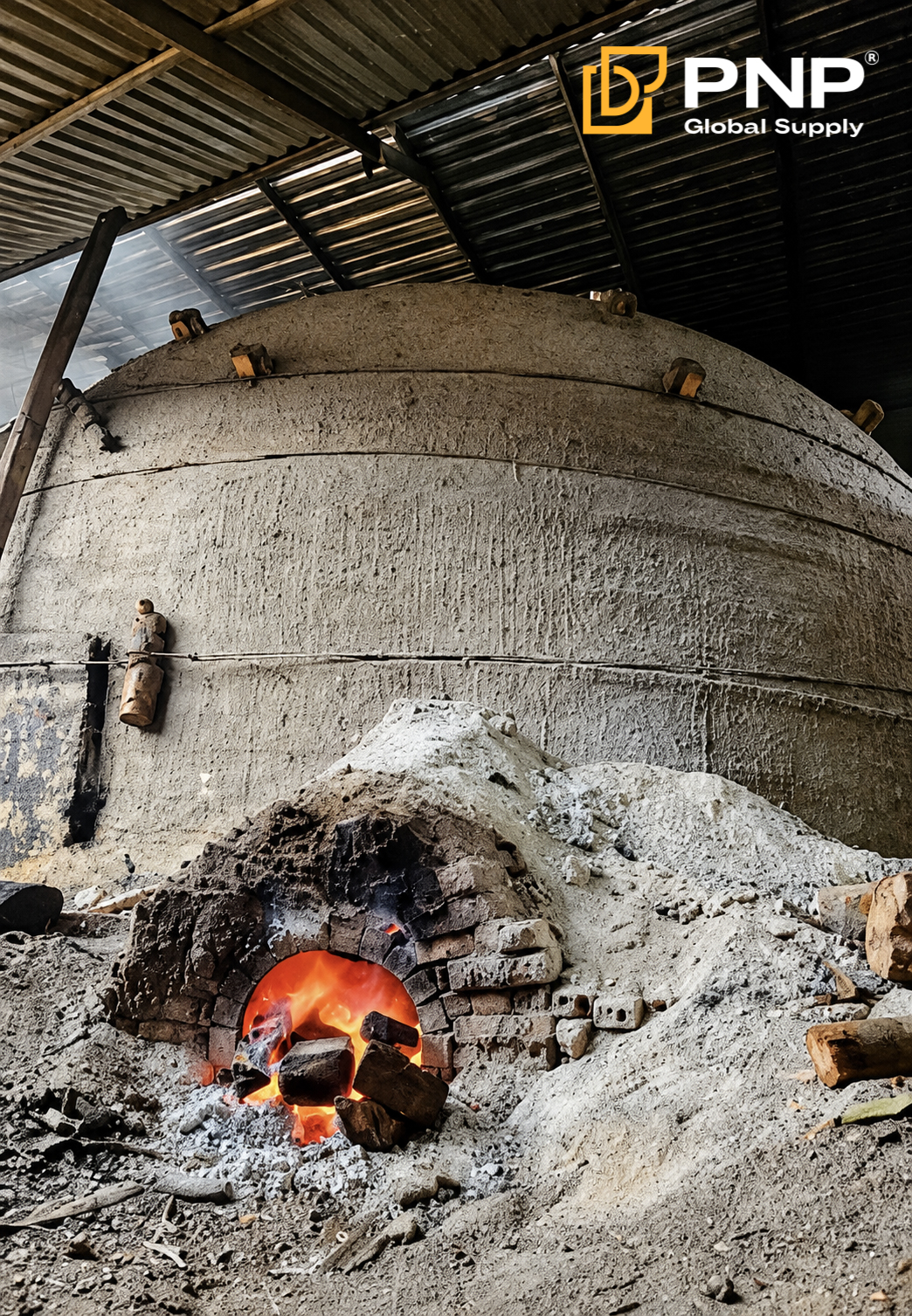
After preparation, the wood is placed into the kiln for the first carbonization stage. In this stage, the wood is heated under limited oxygen so moisture and volatile matter are gradually removed while the carbon structure begins to form.
For binchotan-style white charcoal, the process does not stop after the first carbonization. The charcoal continues through a second high-temperature carbonization stage, where the kiln temperature is raised further to refine the charcoal structure, remove more impurities, and create the dense, hard quality associated with white charcoal.
Both stages must be controlled carefully. If the kiln temperature rises too fast, the wood may crack or burn unevenly. If either carbonization stage is incomplete, the finished charcoal may produce more smoke, lower heat, or unstable burning performance.
Skilled workers monitor the kiln condition, airflow, and heat development throughout the process to make sure the charcoal reaches the right stage before cooling, sorting, and packing.
Step 4: High-Temperature Firing
High-temperature firing is one of the key steps that makes binchotan charcoal different from regular charcoal. Traditional binchotan production can reach very high temperatures, often around 1000°C.
This stage helps remove more impurities and create the hard, dense structure that white charcoal is known for. It also supports stronger heat and cleaner burning performance, which are important for binchotan charcoal for grilling.
High-temperature firing requires experience. If the timing is not controlled well, the charcoal may become too brittle, break easily, or lose consistency. If the heat is not high enough, the product may not reach the expected white charcoal quality.
For buyers, this step explains why making binchotan charcoal is more difficult than producing regular lump charcoal. It requires proper kiln management and experienced production control.
Step 5: Cooling the Charcoal
After high-temperature firing, the charcoal must be cooled properly. In white charcoal production, hot charcoal is usually removed from the kiln and covered with ash, powder, or soil-like material to reduce temperature and stop burning.
This cooling step helps create the pale surface often seen on white charcoal. It also helps protect the internal structure of the charcoal after firing.
Cooling must be handled carefully because the charcoal is extremely hot when removed from the kiln. If the process is too rough, the sticks may break. If cooling is not controlled properly, the final appearance and structure may be affected.
For B2B buyers, cooling quality matters because it can affect breakage, surface condition, and product presentation after packing.
Step 6: Sorting by Size and Quality
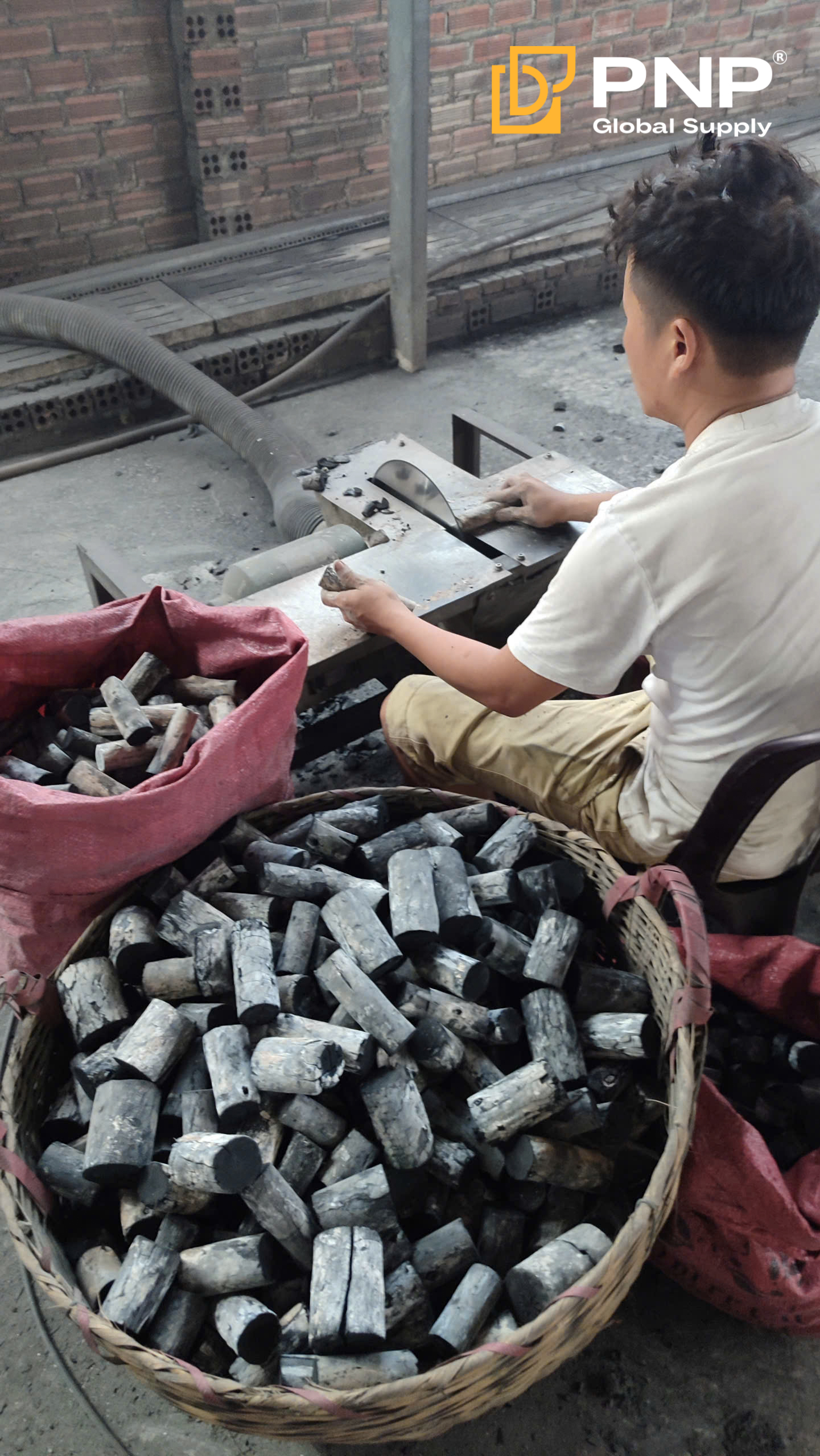
After cooling, the charcoal is sorted by size, shape, and overall quality. Pieces that are too small, cracked, broken, or inconsistent may be separated depending on the buyer’s specification.
White charcoal is supplied in solid stick shape, with a diameter of around 3–8cm and a length of about 15–20cm. These size details help buyers review whether the product fits their grilling setup, restaurant use, or wholesale market.
During sorting, the factory checks important quality points such as hardness, charcoal surface, moisture condition, dust level, and breakage. This step helps ensure the finished product is more suitable for packing and export handling.
Step 7: Packing White Charcoal for Buyers
After sorting, white charcoal is packed based on buyer requirements. Good packing helps protect charcoal from dust, moisture, and breakage during storage and delivery.
For importers, restaurant suppliers, and charcoal distributors, packing is not just a final step. It affects how the product arrives, how easy it is to handle, and how suitable it is for the target sales channel.
A reliable supplier should confirm packing details clearly before shipment, including bag type, carton requirement, labeling, private-label needs, and loading condition if needed. This helps buyers receive the product in better condition and reduces risk during transportation.
Why Buyers Choose Binchotan Charcoal for Grilling
Buyers choose binchotan charcoal for grilling because it is designed for premium cooking performance. When properly produced, white charcoal can provide high heat, stable burning, low smoke, and long grilling time.
This makes it suitable for:
- BBQ restaurants
- Tabletop grilling
- Premium food-service businesses
- High-heat cooking
- Long grilling sessions
- Wholesale and specialty charcoal markets
For restaurants, stable heat helps maintain cooking quality during service. For distributors and wholesalers, consistent product quality helps support repeat orders and customer trust.
However, buyers should not choose white charcoal by product name only. Different binchotan charcoal suppliers may use different raw materials, kiln processes, sorting standards, and packing methods. Sample testing is still important before confirming a bulk order.
Choosing Vietnam White Charcoal from PNP Charcoal
PNP Charcoal supplies vietnam white charcoal for buyers who need premium charcoal for grilling, restaurants, wholesale, and distribution. For buyers comparing binchotan charcoal suppliers, PNP can support product discussion based on target use, size requirement, packing needs, and order quantity.
Before placing a bulk order, buyers should request samples and test the charcoal under real cooking conditions. Sample testing helps buyers review heat level, burning time, smoke, ash, hardness, breakage, and packing condition before making a final decision.
Conclusion
The article above has explained how to make binchotan charcoal and why each production step matters. From wood selection and kiln carbonization to high-temperature firing, cooling, sorting, and packing, every stage affects the final burning performance.
If you are looking for vietnam white charcoal or binchotan-style charcoal for grilling, restaurants, wholesale, or distribution, contact PNP Charcoal to discuss product specifications, sample testing, and suitable packing options for your market.
Contact us for more information
Facebook: PNP Charcoal
Instagram: PNP Charcoal
Email: info@pnpglobalsupply.com