Many buyers choose coco charcoal because it is compact, easy to use, and suitable for BBQ, grilling, restaurant, and wholesale supply. However, before ordering coconut briquettes in bulk, buyers often want to understand what the ash color says about product quality. This article explains the meaning of charcoal briquette ash colors and how buyers can use ash observation as one part of quality review.
Why Ash Color Matters in Coco Charcoal
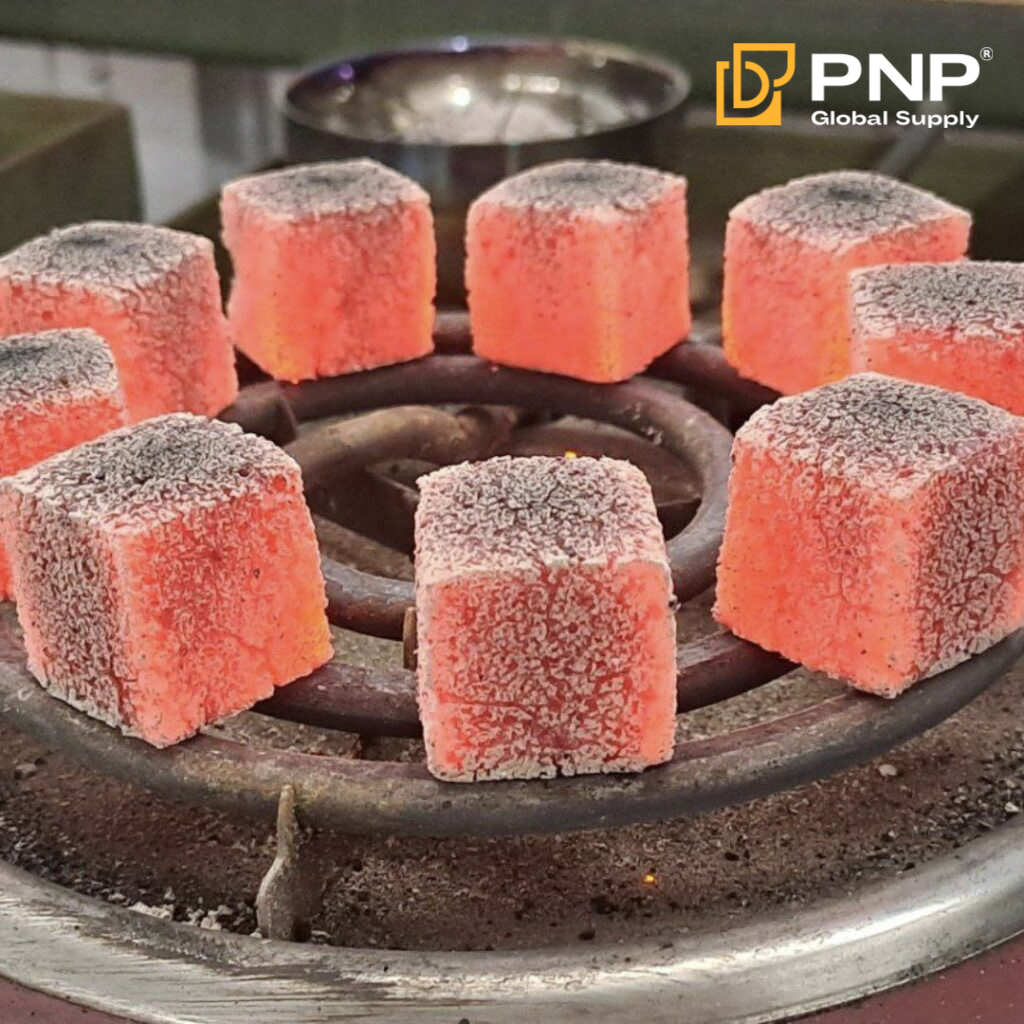
Ash color is one of the easiest visible signs to check after coconut charcoal briquettes are burned. For buyers, it can give an initial idea of how the briquettes were made, whether the raw material was properly processed, and whether the product matches the target market’s expectations.
Coco charcoal is usually made from coconut shell charcoal that is carbonized, crushed into powder, mixed with binder, pressed into shapes, dried, and packed. Because the product goes through several production steps, the final ash color can be affected by raw material, carbonization quality, binder condition, moisture, and processing control.
In many markets, buyers prefer a light ash color because it looks cleaner after burning. But “lighter” does not always mean “better” in every case. A natural light ash color is different from an overly white ash color that may raise questions about processing or additives.
Common Ash Colors in Coconut Charcoal Briquettes
Based on common market observation, coconut charcoal briquettes can show different ash colors after burning. The most discussed ash colors include white cream, white silver, and snow white. Each ash color can indicate different product characteristics.
White Cream Ash
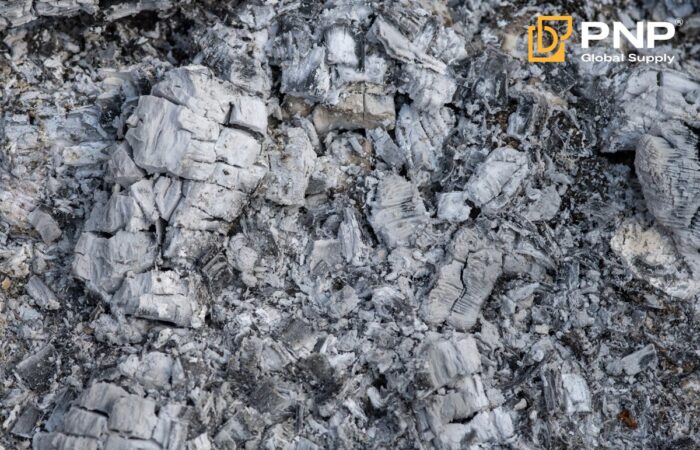
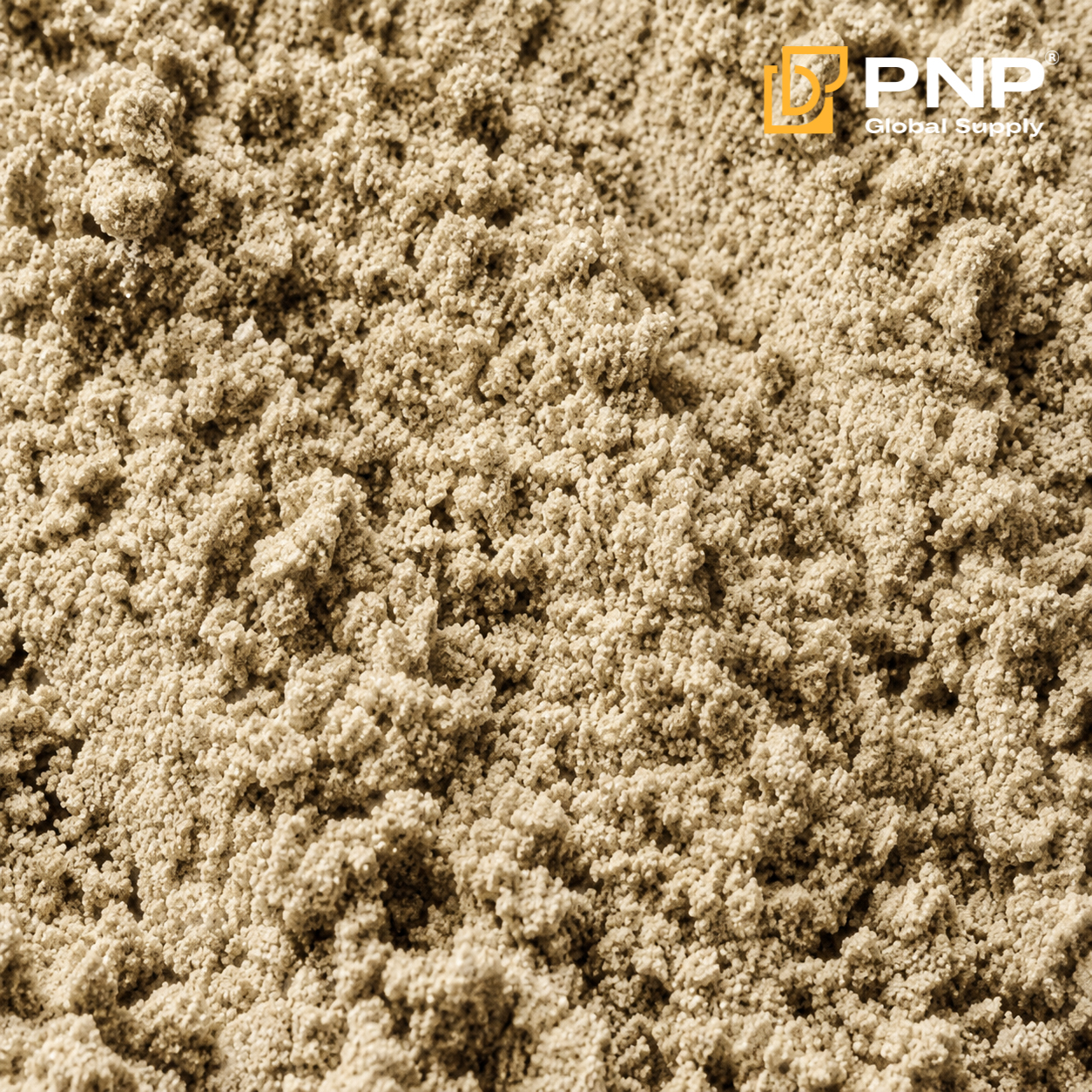
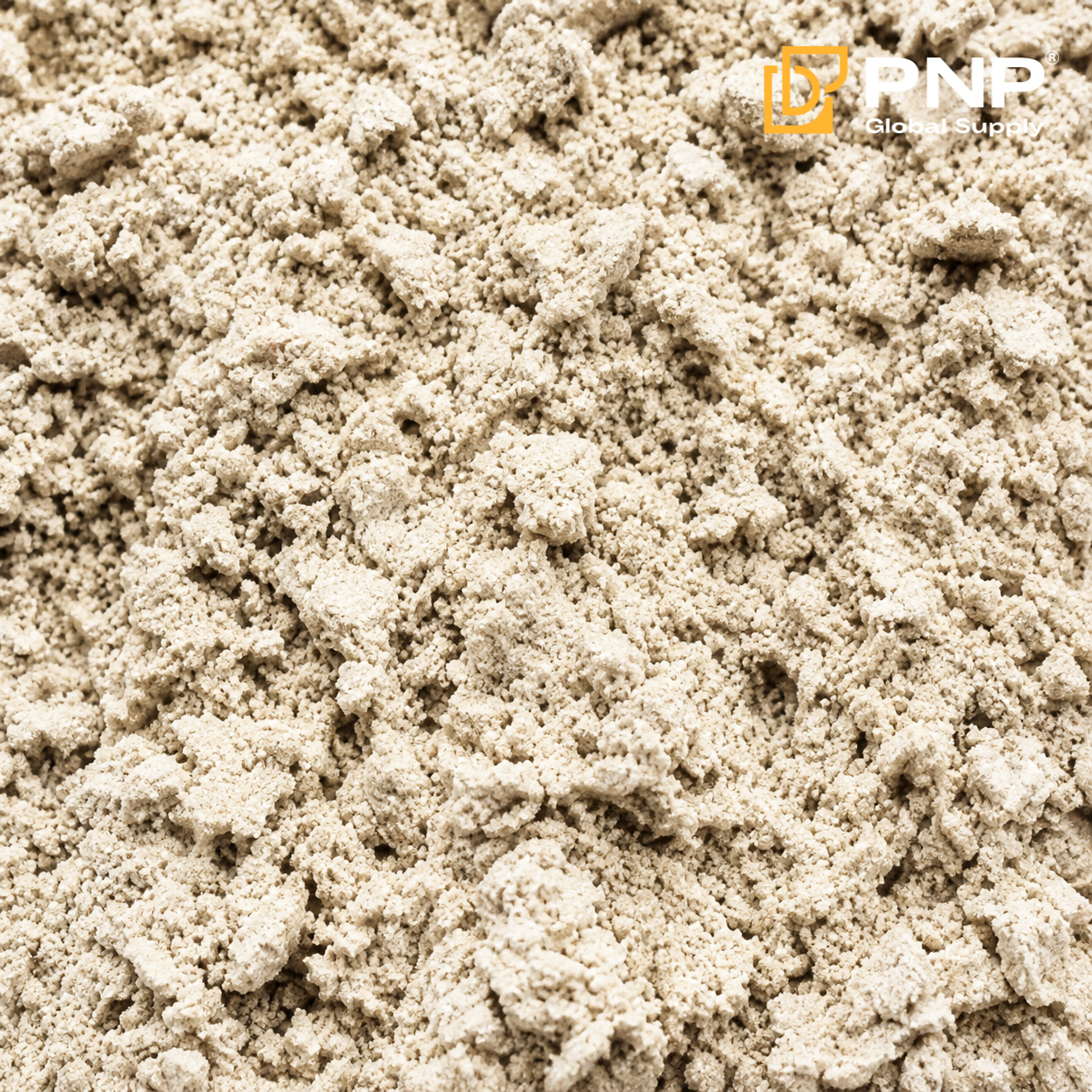
White cream ash, sometimes described as slightly yellowish ash, appears when the remaining ash after burning is not fully silver-white. This color may be influenced by several factors, including ash content, binder condition, raw material, and moisture.
In coconut briquettes, binder quality can affect the final ash appearance. If the binder has absorbed moisture or has been stored in poor conditions, it may influence how the ash looks after burning. Raw material can also play a role. Coconut shells collected from certain growing areas may contain different mineral characteristics, which can affect the final ash color.
White cream ash is not always a sign that the product cannot be used. Some markets may still accept or even prefer a more natural-looking ash color. However, buyers should review whether white cream ash comes with other issues such as higher ash amount, heavy smoke, unstable burning, or weak briquette structure.
For BBQ, grilling, restaurant, and wholesale use, buyers should not only ask “What color is the ash?” but also test whether the briquettes burn steadily, produce acceptable smoke, and leave a manageable ash amount after use.
White Silver Ash
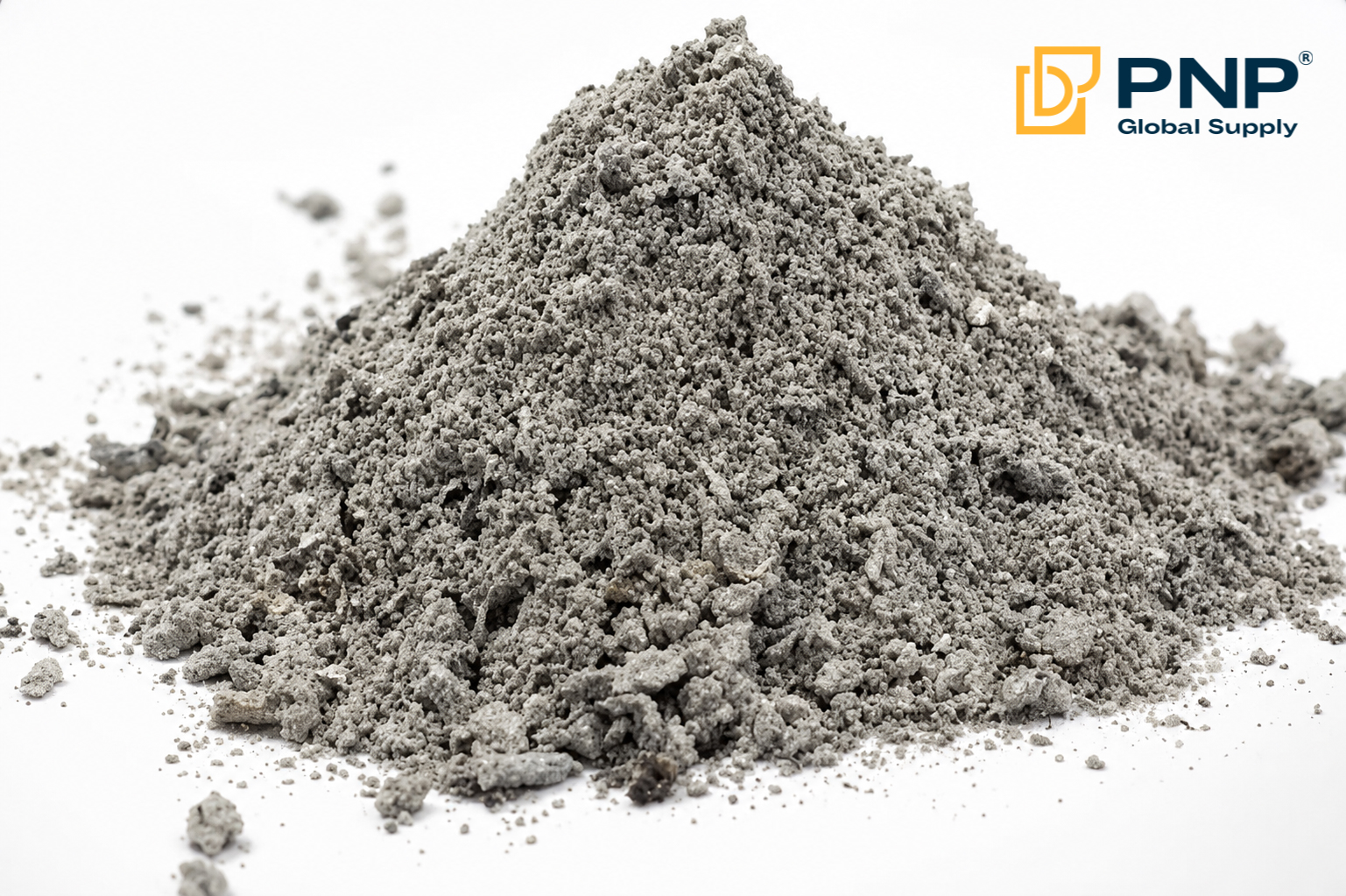
White silver ash is widely considered a preferred ash color for many coconut briquette markets. When coconut briquettes burn and leave a white-silver ash layer, it can suggest that the coconut shell charcoal has been processed properly and that the briquette burns in a cleaner and more consistent way.
This ash color is often associated with lower ash appearance and better visual quality after burning. For buyers who supply BBQ, restaurant, grilling, and retail markets, white silver ash can make the product look cleaner and more reliable to end users.
However, white silver ash should still be reviewed together with other performance points. A good coconut briquette should have stable heat, practical burn time, low smoke, suitable hardness, and a shape that stays intact during packing and transport.
Coconut charcoal with around 2 hours of burn time and a calorific value of about 7224 kcal/kg. These specifications can help buyers compare coco charcoal with other charcoal types, but sample testing is still important before confirming a bulk order.
Snow White Ash
Snow white ash means the ash looks extremely white after burning. At first glance, some buyers may think very white ash is the best option. However, an ash color that looks too white should be reviewed carefully.
Snow white ash is described as a warning sign because an overly white ash appearance may come from chemical treatment. For buyers, this means extremely white ash should not be accepted automatically as “premium” just because it looks clean.
Natural coconut charcoal briquettes often show a light ash color with a white or silver tone. If the ash is unnaturally white, buyers should ask the supplier for more information about the raw material, production process, and any additives used. Product safety, stable burning, and natural performance are more important than an ash color that only looks attractive.
For food-related grilling and restaurant use, buyers should be careful with products that rely too much on visual whiteness without clear quality explanation.
What Affects Charcoal Briquette Ash Color?
Charcoal briquette ash color can be affected by several production and raw-material factors. Understanding these factors helps buyers communicate better with suppliers and review samples more accurately.
Coconut Shell Raw Material
Coconut briquettes are made from coconut shell charcoal. The quality of the coconut charcoal shell raw material can affect ash color, ash amount, burning behavior, and final product stability.
If the raw material is clean and properly carbonized, the final briquettes are more likely to burn consistently. If the raw material contains impurities, uneven carbonization, or too much moisture, the ash color and burning performance may become less stable.
Carbonization Quality
Carbonization is the process of turning coconut shells into charcoal under controlled heat and limited oxygen. If carbonization is incomplete, the briquettes may produce more smoke, unstable heat, and darker or less clean ash.
Good carbonization helps improve burning performance and supports a cleaner ash result. Buyers should ask how the supplier controls carbonization and whether the finished charcoal is sorted before being processed into briquettes.
Binder and Moisture Condition
Coconut briquettes usually require binder to help the charcoal powder hold its shape after pressing. Binder condition can influence ash color and ash amount. Moisture can also affect how the briquette lights, burns, and leaves ash after use.
If briquettes are not dried properly, they may take longer to light and produce more smoke during the initial burning stage. Buyers should review both ash color and moisture condition when testing samples.
Processing and Drying
After mixing and pressing, coconut briquettes need proper drying. Drying helps the briquettes become firm, stable, and ready for packing. Poor drying may affect hardness, burning, smoke level, and ash appearance.
For export and wholesale buyers, processing consistency is important because one good sample is not enough. The supplier should be able to maintain similar quality across production batches.
How Buyers Should Test Ash Color Before Ordering
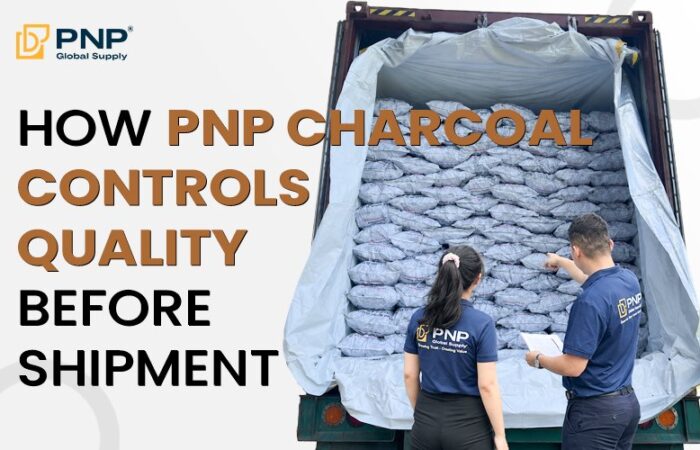
Before placing a large order, buyers should request samples and burn-test the coconut briquettes in real-use conditions. Ash color should be checked after the briquettes are fully burned, not only during the early burning stage.
During sample testing, buyers should check:
- Ash color: Is it white cream, white silver, or snow white?
- Ash amount: Is the remaining ash low and manageable?
- Burning time: Does it match the buyer’s expected use?
- Heat: Is the heat stable enough for BBQ or cooking?
- Smoke: Is the smoke level acceptable after lighting?
- Hardness: Do the briquettes stay firm during handling?
- Breakage: Do they break too easily during transport?
- Packing: Does the product arrive dry and clean?
Buyers should also compare the ash result with their target market preference. Some markets may accept white cream ash, while others may prefer white silver ash. If the ash looks too white, buyers should ask more questions before confirming the order.
Choosing Coconut Charcoal Briquettes at PNP Charcoal
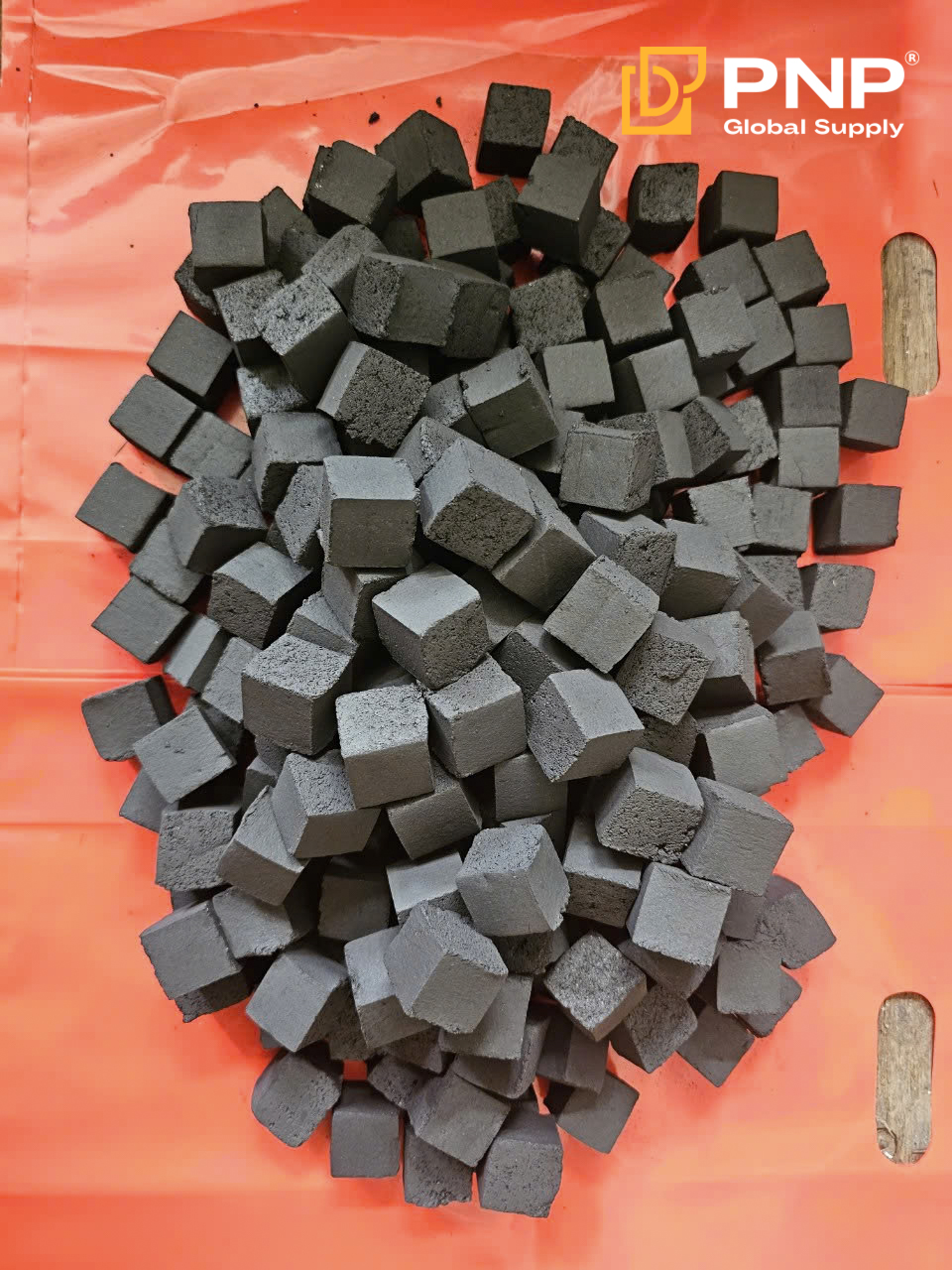
PNP Charcoal supplies coconut charcoal as part of its briquette charcoal product range. Coconut charcoal is made from coconut shell material and can be formed into different shapes such as cube, finger, or hexagon depending on buyer requirements.
According to PNP product information, coconut charcoal has a burn time of around 2 hours and a calorific value of about 7224 kcal/kg. Cube sizes may include options such as 2.5×2.5×2.5cm, 2×2×2cm, and 2.5×2.5×1.5cm. These details help buyers review whether the product fits BBQ, grilling, restaurant, wholesale, or retail supply needs.
Before confirming a bulk order, buyers can request samples to check ash color, ash amount, burning performance, smoke level, hardness, shape, and packing condition. This helps reduce buying risk and makes it easier to compare coconut briquettes with other charcoal options.
For buyers who want to compare coconut charcoal with other Vietnam charcoal products, explore PNP Charcoal’s full product range before choosing the right option for your market.
Conclusion
The article above has explained what ash colors can mean in coconut charcoal briquettes. White cream, white silver, and snow white ash can each suggest different product characteristics, but buyers should always review ash color together with burn time, smoke, ash amount, hardness, shape, packing, and price factors.
If you are looking for coco charcoal or coconut briquettes for BBQ, restaurant, wholesale, or export supply, contact PNP Charcoal to discuss product specifications, sample testing, packing options, and bulk order requirements.
Contact us for more information
Facebook: PNP Charcoal
Instagram: PNP Charcoal
Email: info@pnpglobalsupply.com