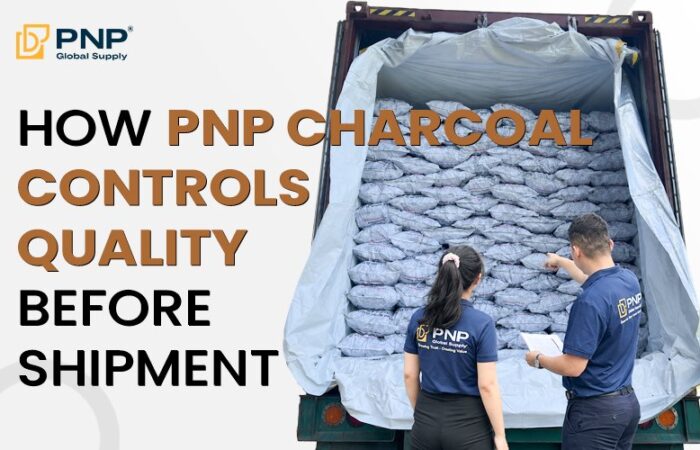
Before placing a bulk charcoal order, importers should check more than price, product photos, and sample bags. A real charcoal factory visit helps buyers review production conditions, charcoal quality, packing, storage, and supplier consistency before confirming a container order.
Confirm the Real Charcoal Factory and Production Setup
A useful factory visit starts with one basic question: does the real production setup match what the supplier has presented? Some suppliers may show strong catalogs and attractive prices, but importers still need to know where the charcoal is produced, sorted, packed, and stored.
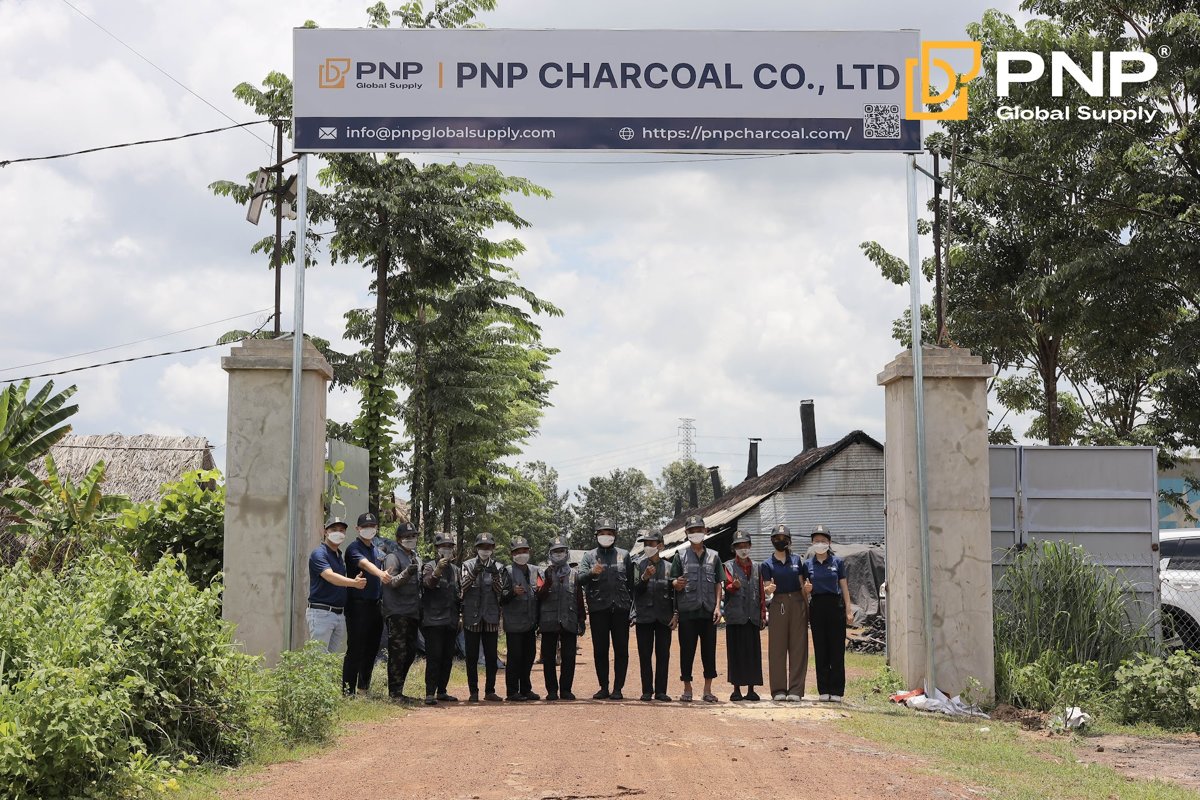
During a charcoal factory visit, buyers should observe the raw material area, production flow, sorting area, packing space, and finished-goods storage. A reliable charcoal manufacturer should be able to explain how the product moves from raw material to final packing before delivery.
This step also helps buyers understand whether they are working with a direct manufacturer or a trader. Both can supply charcoal, but importers should know who controls product quality, packing condition, and shipment preparation. If the supplier cannot explain the factory process clearly, buyers should be careful before placing a large order.
Check Raw Materials and Charcoal Types
Raw material affects charcoal characteristics such as heat level, burn time, smoke, ash, hardness, breakage, and packing stability. This is why importers should ask what material is used and whether the factory can keep the material source consistent across repeated orders.
Different charcoal types serve different markets. Lump charcoal may be suitable for BBQ, restaurant grilling, and wholesale supply. Sawdust briquette charcoal can be preferred when buyers need uniform shape, long burning time, and easier handling. Coconut charcoal briquettes may be chosen for compact shape and clean-burning convenience in specific market needs.
Before asking for charcoal for sale, buyers should first confirm the intended use: restaurant grilling, BBQ retail packs, food-service supply, wholesale distribution, or private-label packing. The best product is not always the cheapest one. It is the product that matches the buyer’s target market, cooking style, packing requirement, and quality expectation.
Review Sorting Standards and Charcoal Quality Control
A charcoal factory should not only produce charcoal; it should also sort and control the finished product before packing. Importers should check whether the factory removes undersized pieces, excessive dust, broken pieces, and charcoal that does not meet the agreed specification.
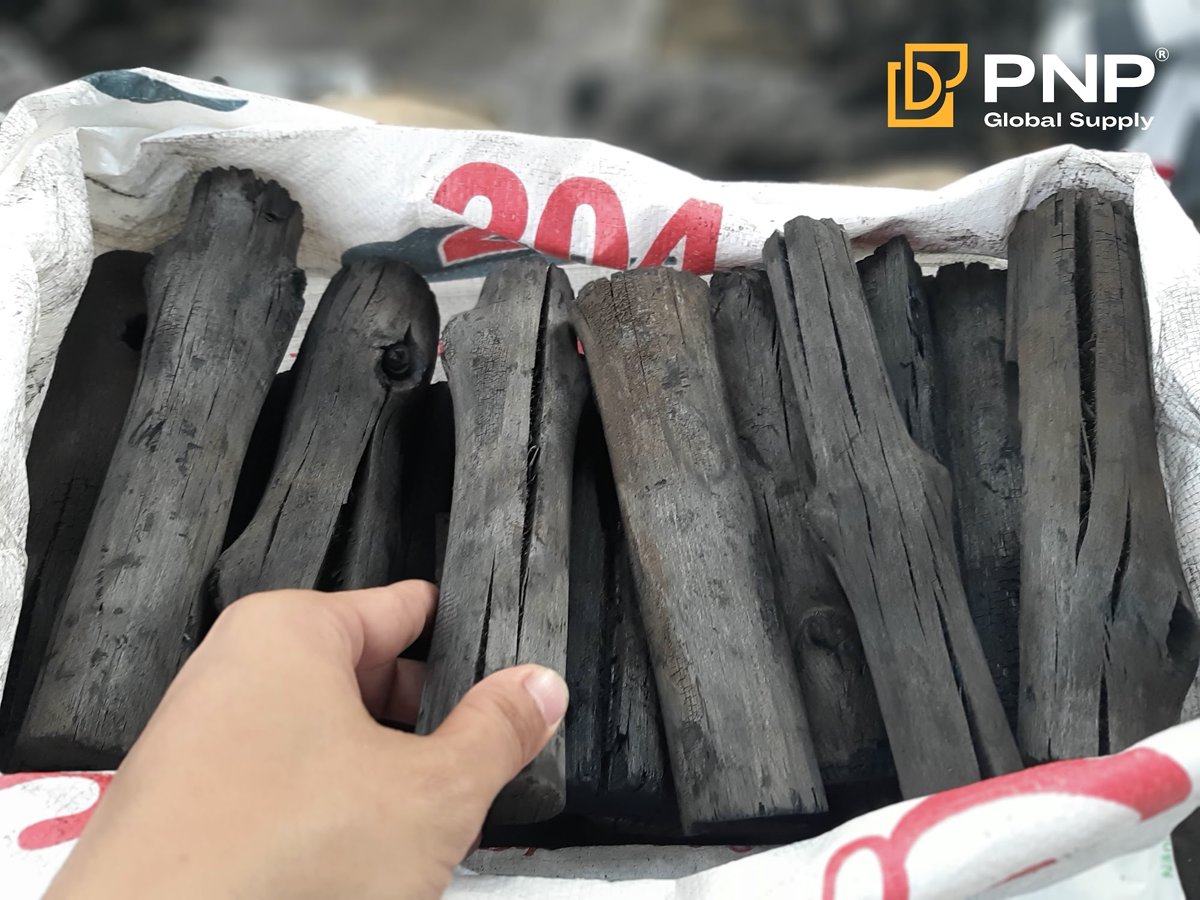
For lump charcoal, buyers can review whether the pieces are properly carbonized, solid, and not too dusty or fragile. For briquettes, buyers should check whether the shape is consistent and whether the briquettes hold their form during handling. These visible details do not prove full performance, but they help identify early risks in charcoal quality.
Buyers should also ask how the factory keeps specifications stable when production volume increases. A good sample is useful, but the real question is whether the supplier can maintain similar quality for bulk orders and repeated containers.
Run a Practical Charcoal Test
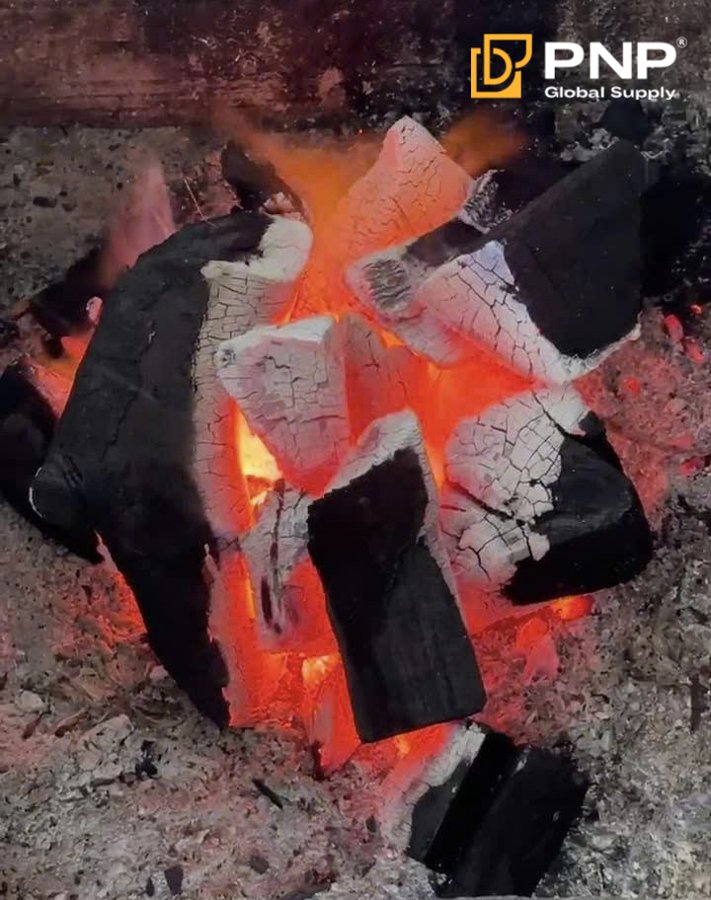
A charcoal test is one of the most important parts of a factory visit. Product photos can show shape and packing, but only a burning test can show how the charcoal performs in real use.
During the test, importers should observe how quickly the charcoal lights, whether it produces heavy smoke, whether the heat is stable, how long it keeps usable heat, and how much ash remains after burning. The test should use a consistent amount of charcoal, similar airflow, and a grill or burner setup close to the buyer’s real application.
Buyers should not judge by burn time alone. A product that burns for many hours but gives unstable heat may not be suitable for restaurants. A better review should combine burn time, heat stability, smoke, odor, ash, hardness, breakage, and cooking comfort.
Inspect Packing, Storage, and Breakage Risk
Even good charcoal can lose value if packing and storage are not controlled. Moisture, weak bags, poor stacking, and rough loading can increase dust and breakage before the goods reach the buyer.
At the factory, importers should check whether finished goods are stored in a dry and organized area. Charcoal prepared for export should be protected from moisture and handled carefully before loading. Buyers should also review bag strength, carton quality, label information, inner packing, and container-loading preparation.
Packing requirements may differ by market. Retail buyers often care about clean appearance and branded packing. Restaurants may care more about durability, easy handling, and low dust. Wholesalers may need strong packing that can protect the product through long-distance transport and warehouse handling.
Evaluate Supplier Capacity and Communication
When comparing charcoal suppliers, importers should evaluate more than product samples. A reliable supplier should communicate clearly about available products, packing options, order planning, inspection support, and shipment preparation.
Buyers can ask practical questions before confirming a large order:
- Can the supplier keep the same product specification for repeated orders?
- Can the factory support sample testing before bulk confirmation?
- Can packing be adjusted for retail, wholesale, or restaurant use?
- Can the supplier provide real product photos, packing updates, and loading information?
- Can third-party inspection or buyer-side checking be arranged when needed?
Strong communication matters because importers cannot always visit the factory before every shipment. A supplier that gives clear updates, explains product differences, and responds honestly about limitations is usually easier to work with in long-term supply.
Compare Factory Buying with Trader Buying
Some buyers search online for a charcoal manufacturer near me or charcoal suppliers near their market, but location alone does not guarantee better quality. Importers should compare who can provide the right product, stable supply, clear communication, and suitable packing.
Buying from a charcoal factory may give buyers better visibility into production, sorting, packing, and product control. Buying through a trader may offer more product options or flexible sourcing. The important point is transparency. Buyers should know who controls the product and who is responsible if the bulk order does not match the approved sample.
For a related topic, buyers can also read PNP Charcoal’s article about preparation work at a charcoal factory before delivery begins: Preparation Work at a Charcoal Factory: What Happens Before Delivery Begins
Choosing Charcoal from PNP Charcoal
PNP Charcoal supports international buyers looking for charcoal products for BBQ, restaurant, wholesale, retail, and distribution needs. Buyers can discuss product type, size, packing, sample testing, and shipment requirements before placing a bulk order.
Instead of choosing only by price, buyers can review charcoal characteristics, burning performance, packing condition, and supplier capability with PNP Charcoal. This helps importers choose a product that fits their market and reduces risk before confirming a large order.
Conclusion
The article above has explained what importers should check when visiting a charcoal factory before buying in bulk. A useful review should include the real production setup, raw material, product type, sorting standard, charcoal test, packing condition, storage, supplier capacity, and communication quality.
For buyers comparing a charcoal manufacturer, charcoal suppliers, or charcoal for sale, the best decision should not be based only on price. Importers should choose a supplier that can provide consistent charcoal quality from sample to bulk order.
Contact PNP Charcoal to discuss suitable charcoal options, sample testing, packing requirements, and bulk order planning.
Contact us for more information
Facebook: PNP Charcoal
Instagram: PNP Charcoal
Email: info@pnpglobalsupply.com