For importers, wholesalers, restaurants, and distributors, charcoal quality control is one of the most important steps before confirming a bulk shipment. A good product sample is useful, but buyers also need to know whether the supplier can maintain consistent charcoal quality when preparing full container orders.
At PNP Charcoal, product checking is not treated as a final step only. Before export, the charcoal is reviewed through practical checks related to appearance, size, structure, dryness, burning performance, packing condition, and shipment readiness. This helps buyers receive charcoal that better matches their intended use and market requirements.
Checking the Right Charcoal Type for the Buyer’s Use
Charcoal quality control should begin with the right product selection. A charcoal product may perform well, but it may still be unsuitable if its shape, size, burn time, smoke level, or packing does not match the buyer’s target market.
Before preparing goods for export, PNP Charcoal reviews the buyer’s intended use. A restaurant buyer may need stable heat and low smoke for daily grilling. A wholesaler may care about durability, packing strength, and consistent size. A retail buyer may focus more on appearance, carton condition, product cleanliness, and customer experience.
This step helps avoid a common sourcing problem: choosing charcoal only by price. In bulk orders, the right charcoal should match the buyer’s cooking purpose, sales channel, packing requirement, and expected burning performance.
Reviewing Appearance, Size, and Charcoal Structure
The first visible step in charcoal quality control is checking appearance and structure. While appearance alone cannot prove full burning performance, it helps identify early quality risks such as excessive dust, weak structure, inconsistent sizing, or high breakage.
For lump charcoal, the pieces should look properly carbonized and solid. Buyers usually want charcoal that is not too soft, not overly dusty, and not broken into too many small pieces. For briquette charcoal, the shape should be consistent and strong enough for handling, packing, and transport.
PNP Charcoal also checks whether the product size matches the buyer’s requested specification. Size consistency is especially important for buyers who need retail packing, restaurant use, or repeated wholesale orders. If the charcoal pieces are too uneven, the final user may experience unstable burning, difficult handling, or more waste during use.
Checking Key Charcoal Characteristics
Different charcoal products have different charcoal characteristics. These include burn time, heat level, smoke, ash, moisture, hardness, odor, breakage rate, and packing stability. For export buyers, these characteristics matter because they directly affect the end-user experience.
A restaurant does not only need charcoal that burns for a long time. It needs charcoal that can keep usable heat during service hours. A distributor does not only need a low price. It needs charcoal that can arrive in good condition and satisfy customers across repeated purchases.
PNP Charcoal reviews these practical characteristics before export so buyers can choose more suitable products. This is especially important when comparing different charcoal types such as mangrove charcoal, sawdust briquette charcoal, coconut charcoal briquettes, or other lump charcoal options.
Running Practical Charcoal Testing
Charcoal testing helps buyers understand how the product performs in real use. Product photos can show shape and packing, but a charcoal test gives more practical information about burning behavior.
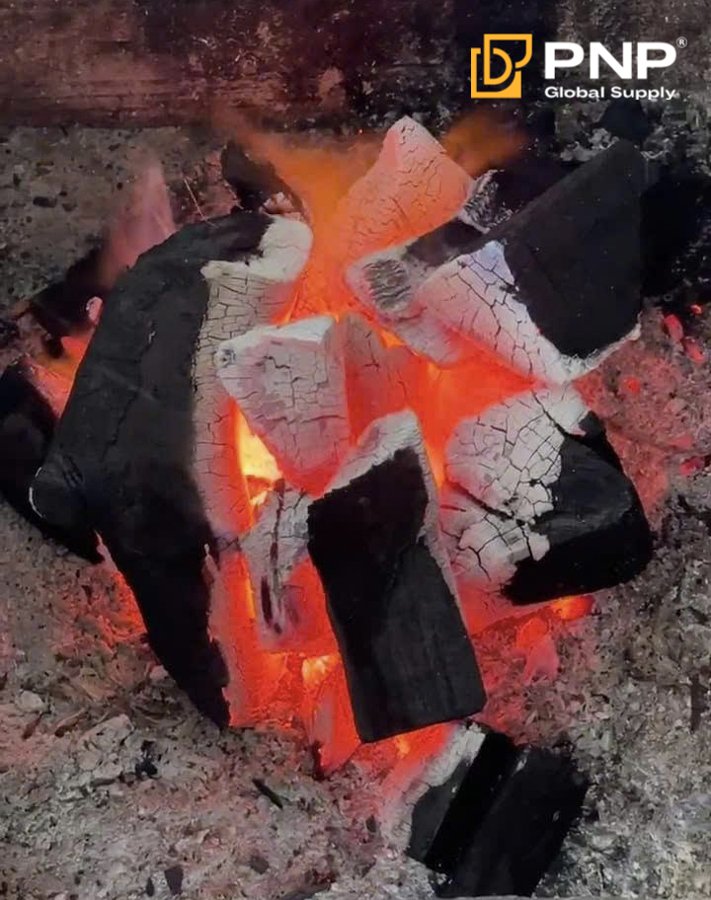
During a basic charcoal test, buyers and suppliers may review several factors: how easily the charcoal lights, whether it burns evenly, whether the heat remains stable, how much smoke appears during ignition and burning, how much ash remains after use, and whether the charcoal breaks apart too quickly.
PNP Charcoal can support buyers in reviewing samples and comparing product performance before bulk order confirmation. The purpose of charcoal testing is not to judge one number alone, such as burn time. A useful test should look at the full performance picture: heat stability, smoke level, ash amount, odor, dryness, structure, and real cooking comfort.
Checking Moisture and Dryness Before Shipment
Moisture is one of the key factors that affects charcoal quality. Charcoal with high moisture can be harder to light, produce more smoke, burn less efficiently, and create inconsistent results between bags or cartons.
Before export, the charcoal should be stored and prepared in conditions that reduce moisture risks. Buyers can also ask about storage conditions, packing preparation, and shipment readiness, especially when placing large container orders.
Dry charcoal usually performs better during lighting and burning. It also helps reduce unnecessary smoke and improves user experience. This is why moisture control should be part of charcoal quality control, not something checked only after the goods arrive.
Inspecting Smoke, Odor, and Ash Behavior
Smoke, odor, and ash are important buyer concerns, especially for BBQ, restaurant, and retail markets. Heavy smoke, strong odor, or unusual smell may signal moisture problems, incomplete carbonization, contamination, or unsuitable raw material.
Some smoke during ignition can be normal depending on charcoal type and lighting method. However, high quality charcoal should provide a more comfortable cooking experience once properly lit. Buyers should review whether the charcoal gives stable heat, acceptable smoke level, and manageable ash after burning.
Ash should also be checked carefully. Lower and cleaner ash is often preferred because it reduces cleaning work and improves user satisfaction. However, ash should not be judged alone. It should be reviewed together with burn time, heat level, smoke, moisture, breakage, and overall burning behavior.
Reviewing Packing Quality and Breakage Risk
Even if the charcoal itself is good, weak packing can still affect the final product condition. Export orders often go through handling, loading, transportation, unloading, and storage before reaching the buyer’s warehouse or customers. Poor packing may lead to broken charcoal, excess dust, damaged bags, or poor product presentation.
Before export, PNP Charcoal checks the packing condition based on the buyer’s needs. For wholesale and restaurant buyers, packing should protect the charcoal during transportation and make handling easier. For retail buyers, packing appearance may also affect customer trust and shelf presentation.
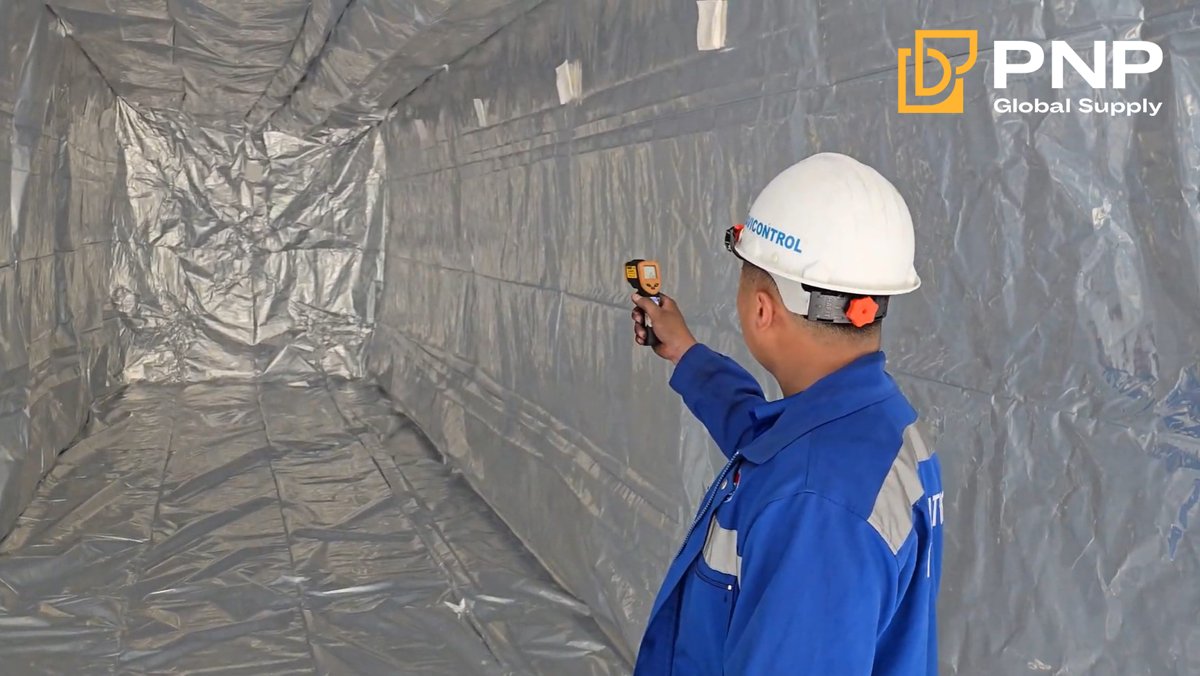
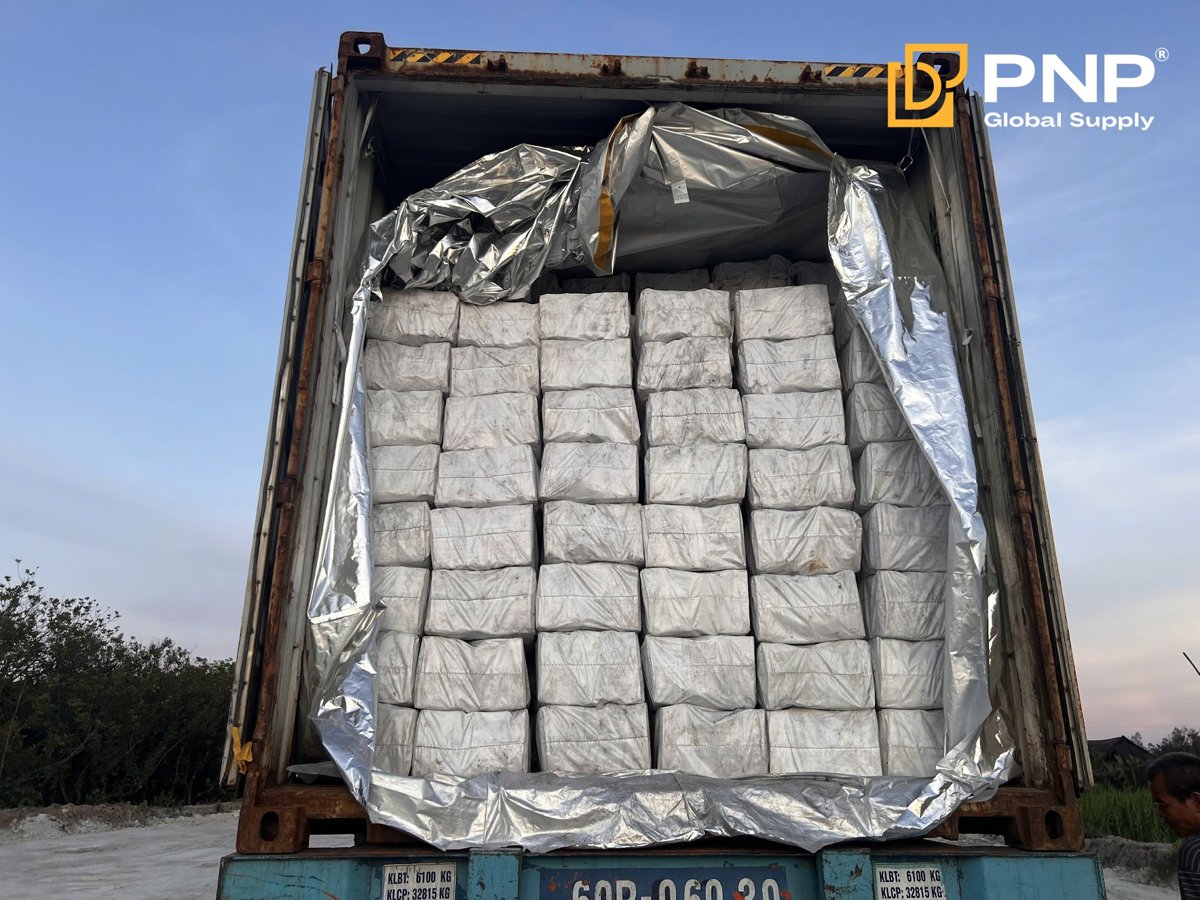
For export shipments, fire-resistant bags are required to improve safety during storage, handling, and international transportation. PNP Charcoal checks and ensures that the goods are packed in suitable fire-resistant bags before export, helping reduce transportation risks and support buyers in meeting packing control requirements in the destination market.
Buyers should review bag strength, carton quality, label requirements, inner packing, and loading arrangement. If the order will be sold under a private label or repacked in the destination market, breakage and dust levels become even more important.
Preparing Goods Before Delivery Begins
Quality control does not stop after the charcoal is packed. Before delivery, the supplier should also review order quantity, packing condition, loading readiness, and shipment preparation. This helps reduce mistakes and supports smoother export handling.
For more detail on this topic, buyers can read PNP Charcoal’s article about preparation work at a charcoal factory before delivery begins. This topic is closely related to charcoal export quality because product preparation, packing, and loading support all affect the final condition of the goods.
A reliable charcoal supplier should understand that export quality is not only about the product itself. It also includes how the product is sorted, packed, stored, checked, and prepared before leaving the factory or warehouse.
Choosing a Reliable Charcoal Supplier for Export Orders
For international buyers, choosing the right charcoal supplier is part of quality control. A good supplier should be able to explain product differences, discuss buyer requirements, provide samples when needed, and support practical checking before bulk orders.
PNP Charcoal supports buyers looking for charcoal products for BBQ, restaurant, wholesale, retail, and distribution needs. Buyers can discuss product type, charcoal characteristics, packing requirements, sample testing, and shipment planning before placing large orders.
Instead of choosing only by price, importers should check whether the supplier can maintain consistent charcoal quality across repeated shipments. This is especially important for buyers who serve restaurants, distributors, supermarket chains, or retail customers who expect the same product performance every time.
Conclusion
The article above has explained how PNP Charcoal manages charcoal quality control before export. A practical review should include product type, appearance, size, structure, moisture, charcoal testing, smoke, odor, ash behavior, packing condition, breakage risk, and shipment preparation.
For buyers looking for high quality charcoal, the best approach is to check real product samples, review key charcoal characteristics, compare burning performance, and work with a reliable charcoal supplier that understands export requirements.
Contact PNP Charcoal to discuss suitable charcoal options, sample testing, packing requirements, and bulk order planning.
Contact us for more information
Facebook: PNP Charcoal
Instagram: PNP Charcoal
Email: info@pnpglobalsupply.com