Charcoal burners are commonly used for BBQ, tabletop grilling, outdoor cooking, restaurant service, and other applications where charcoal is the preferred fuel. Choosing the right burner and the right type of charcoal can significantly affect ignition time, heat output, burn duration, smoke, and ash production.
This guide explains how a charcoal burner works, how to use an electric model, what charcoal types are suitable, how to choose a burner, and how to maintain it for reliable performance.
What Is a Charcoal Burner?
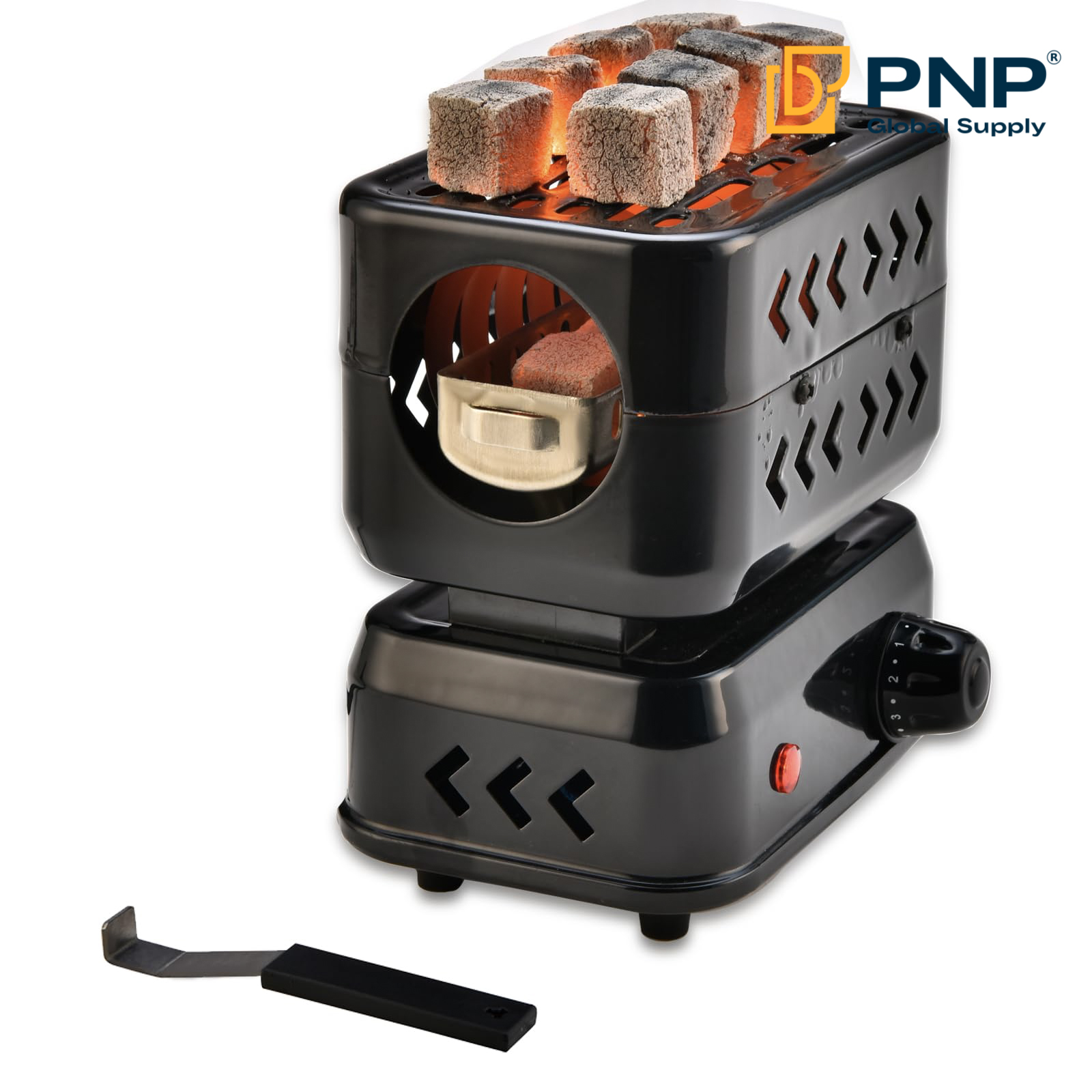
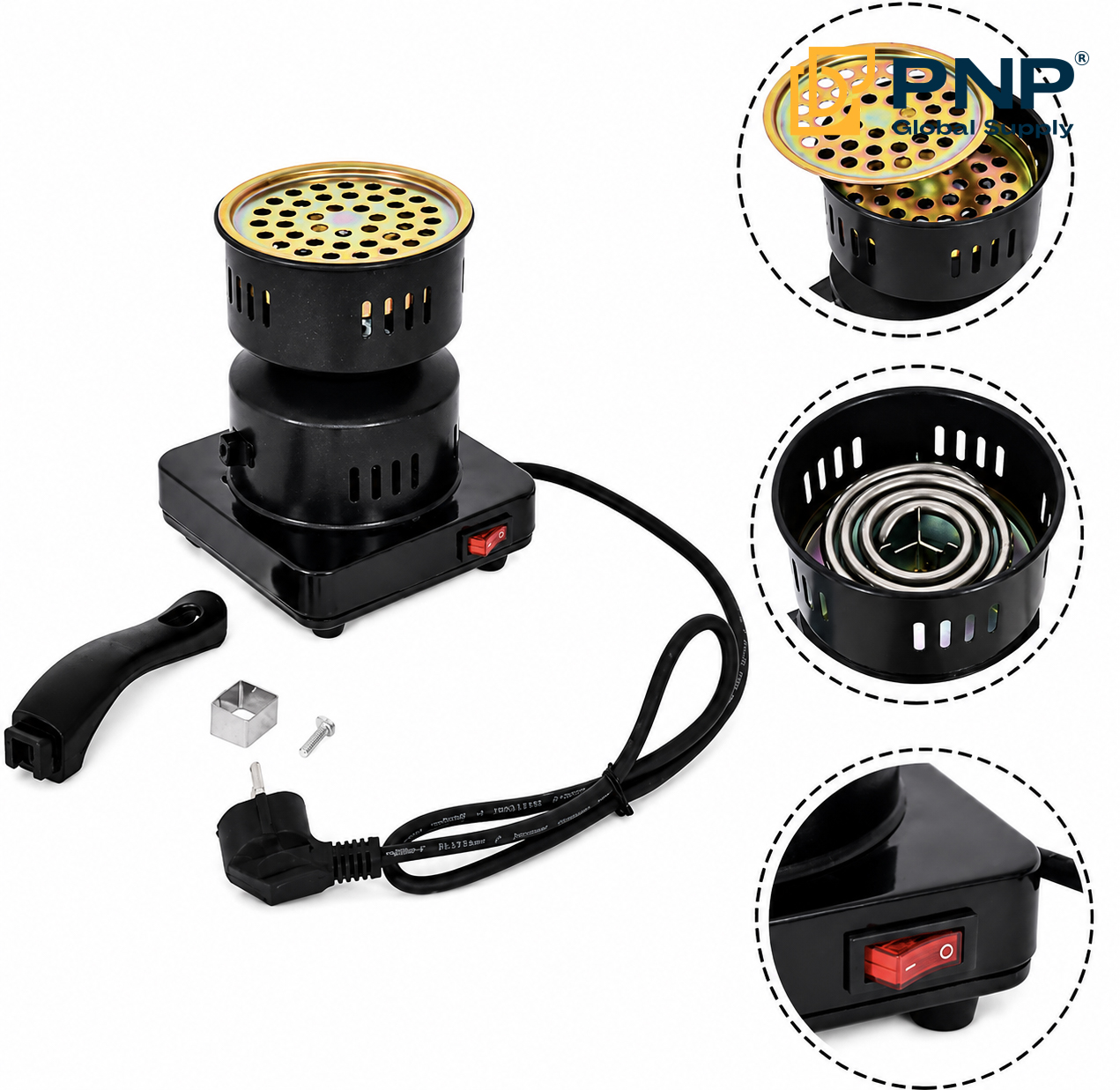
A charcoal burner is a device designed to hold and burn charcoal while directing heat and controlling airflow. A typical charcoal burner may include a charcoal chamber, ventilation openings, a perforated tray or grate, a heat-resistant body, and an ash collection area.
Some charcoal burners are simple non-electric units that rely on an external flame or ignition source. Others, such as electric charcoal burners, use a built-in heating coil to generate enough heat to light charcoal without lighter fluid or an open flame.
In BBQ and restaurant applications, charcoal burners can come in several forms, including tabletop charcoal burners, portable charcoal stoves, charcoal BBQ units, ceramic burners, and electric charcoal burners.
The main purpose of a charcoal burner is not simply to create fire. It also helps contain the charcoal, manage airflow, direct heat, and keep ash under control during use.
Types of Charcoal Burners
Charcoal burners vary in design depending on how they are ignited and how they are intended to be used.
Traditional Charcoal Burners
Traditional charcoal burners use an external ignition source to start the charcoal. The burner itself does not generate heat for ignition, so users may use a natural fire starter, charcoal chimney, or another suitable ignition method.
These burners are simple, durable, and commonly used for outdoor cooking and BBQ.
Electric Charcoal Burners
An electric charcoal burner uses a built-in heating coil to generate high temperatures and ignite charcoal. This design eliminates the need for lighter fluid and can provide a convenient way to prepare charcoal for BBQ or tabletop grilling.
The electric model described in this guide uses a perforated tray, heating coil, ventilation slots, and a power switch.
Tabletop Charcoal Burners
Tabletop charcoal burners are compact units designed for small grilling setups. They are commonly used for individual portions, tabletop BBQ, and restaurant-style charcoal cooking.
Because of their smaller capacity, charcoal size and arrangement are especially important for maintaining even heat.
Portable Charcoal Burners
Portable charcoal burners are designed to be easy to move and set up. They are useful for outdoor cooking, camping, picnics, and other situations where a full-size BBQ grill may not be practical.
Ceramic Charcoal Burners
Ceramic designs can retain heat effectively and are often used for specialized grilling and cooking applications. Their thick construction can provide stable temperatures, although they may be heavier and more fragile than metal burners.
How Does a Charcoal Burner Work?
A charcoal burner works by combining three basic elements: charcoal, heat, and oxygen.
The charcoal must first receive enough heat to begin combustion. Once ignition starts, airflow provides oxygen to support the burning process. The burner then helps contain the charcoal and direct the resulting heat toward the cooking or heating area.
For an electric charcoal burner, the process is slightly different. Instead of using an open flame, a heating coil produces high temperatures directly beneath the charcoal. Ventilation openings allow fresh air to circulate around the charcoal and support combustion.
The result is gradually glowing charcoal that can provide stable heat for BBQ, grilling, or other applications.
How to Use an Electric Charcoal Burner
If you are using an electric charcoal burner with a built-in heating coil, follow these steps to light charcoal safely and efficiently.
Step 1. Place the charcoal on the perforated tray
First, remove the perforated top tray and place the charcoal inside the upper chamber.
Arrange the charcoal so that the pieces have enough space around them for heat and air to circulate. Avoid overloading the chamber or creating a dense pile that prevents the heating coil from transferring heat evenly.
The size and shape of the charcoal also matter. Smaller pieces may ignite more quickly, while larger lump charcoal pieces may require more time to become fully red-hot.
Step 2. Turn on the heating coil
After positioning the charcoal, connect the burner to a suitable power outlet and turn on the red power switch.
The spiral heating coil begins producing intense heat. Because the heat is transferred directly to the charcoal, an electric burner can be one of the easiest ways to light charcoal when the equipment is designed for this purpose.
There is no need to apply lighter fluid directly to the charcoal.
Step 3. Allow air to circulate
The ventilation slots around the burner allow fresh air to enter the chamber.
Oxygen is essential for combustion. As the charcoal absorbs heat from the coil and receives oxygen through the ventilation openings, its surface gradually changes from black to orange and then glowing red.
Do not cover the ventilation openings during ignition, as restricted airflow can slow the process.
Step 4. Wait until the charcoal is evenly glowing
Allow the charcoal to continue heating until a sufficient portion of the pieces is glowing red or orange.
The exact ignition time depends on the charcoal type, piece size, moisture level, airflow, and burner design.
For consistent results, avoid transferring charcoal while only a small area is glowing. Properly ignited charcoal should be sufficiently hot to maintain combustion after being removed from the heating element.
Step 5. Switch off and unplug the burner
Once the charcoal is fully ignited, switch off the heating element and unplug the unit.
Allow the burner to cool before moving or cleaning it. If the charcoal is being transferred to another grill or cooking appliance, use appropriate heat-resistant tools and protective equipment.
Choosing Charcoal from a Reliable Charcoal Factory
For wholesale buyers and importers, choosing the right charcoal is essential for getting the best performance from a charcoal burner. The charcoal should match the burner design, airflow, cooking method, and desired burn time.
PNP Charcoal supplies a wide range of charcoal products for BBQ, restaurants, wholesale, and distribution markets. The product range includes mangrove charcoal, kaya charcoal, coffee wood charcoal, longan charcoal, eucalyptus charcoal, white charcoal, sawdust charcoal briquettes, and coconut charcoal briquettes.
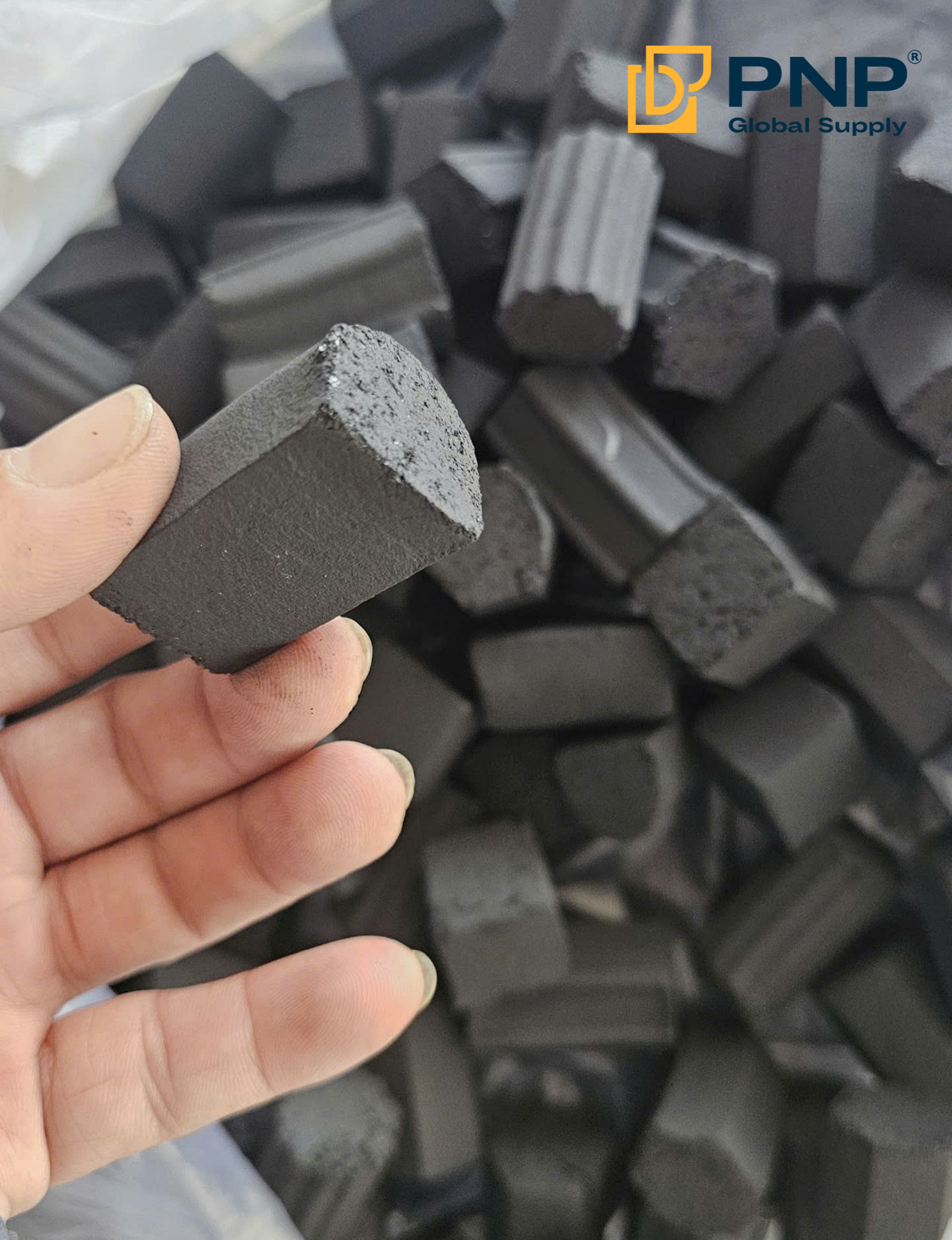
For charcoal burner applications, briquette charcoal can be a practical choice because its uniform shape and density make the pieces easier to arrange inside the burner. This can help improve airflow between the charcoal pieces and provide more consistent heat during cooking.
Before placing a bulk order, buyers can request product samples and conduct charcoal testing in their actual charcoal burner. Testing allows buyers to evaluate ignition time, heat stability, burn time, smoke, ash, and overall performance to determine whether the charcoal is suitable for their equipment, cooking method, and target market.
Conclusion
A charcoal burner is a practical device for BBQ, grilling, outdoor cooking, and restaurant use. Its performance depends on proper airflow, burner design, and the quality of the charcoal.
PNP Charcoal offers a wide range of lump charcoal and briquette charcoal suitable for different charcoal burners. Sample testing is available to help buyers evaluate performance before placing bulk orders.
Contact us for more information
Facebook: PNP Charcoal
Instagram: PNP Charcoal
Email: info@pnpglobalsupply.com