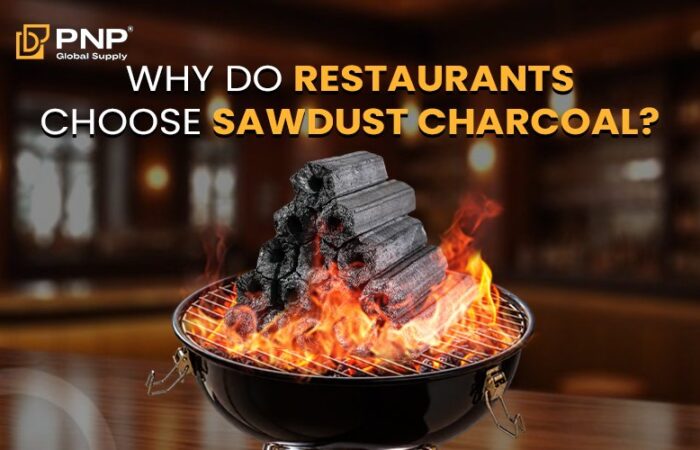
Charcoal remains one of the most widely used fuel sources for cooking, heating, and industrial applications worldwide. While traditional lump charcoal has been popular for centuries, many consumers and businesses are now turning to briquettes charcoal because of its consistent performance, longer burning time, and sustainable production process.
If you have ever wondered what is briquettes charcoal, the answer goes beyond simply being compressed charcoal. Briquettes charcoal is a carefully manufactured fuel product designed to deliver stable heat, reduce waste, and maximize fuel efficiency. Today, it is commonly used in BBQ restaurants, commercial kitchens, households, and various industries.
In this guide, we will explore what briquettes charcoal is, the materials used to produce it, the most common types available, how it is manufactured, and why it has become a preferred fuel source in many markets around the world.
Definition of Briquettes Charcoal
To understand what is briquettes charcoal, it is important to know how it differs from traditional charcoal products. Briquettes charcoal is a type of charcoal made by compressing carbonized biomass materials into uniform shapes using high pressure and natural binders.
Unlike lump charcoal, which consists of irregular pieces of carbonized wood, briquettes charcoal is manufactured to achieve a consistent size, shape, and density. This controlled production process allows the fuel to burn more evenly and predictably.
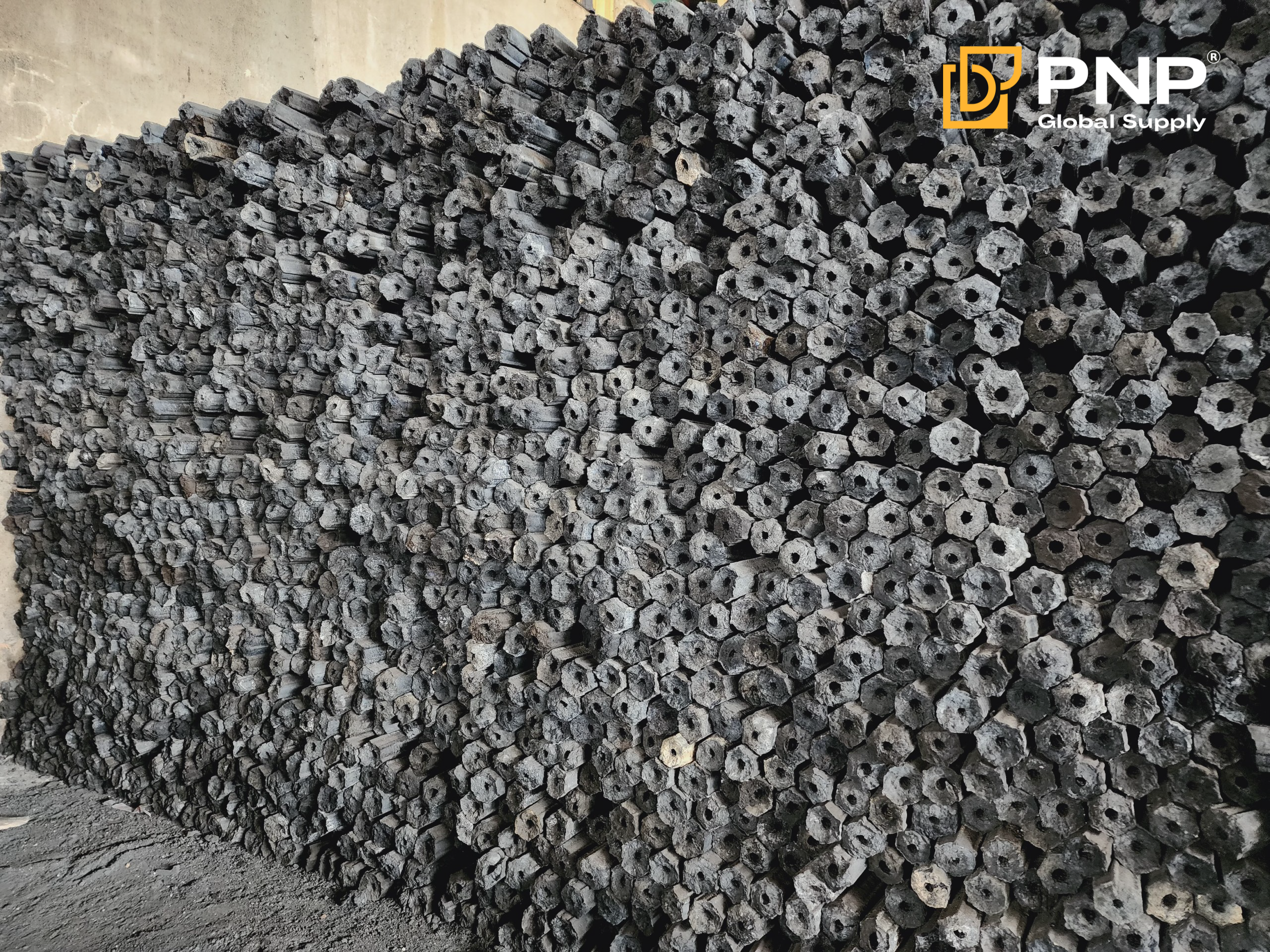
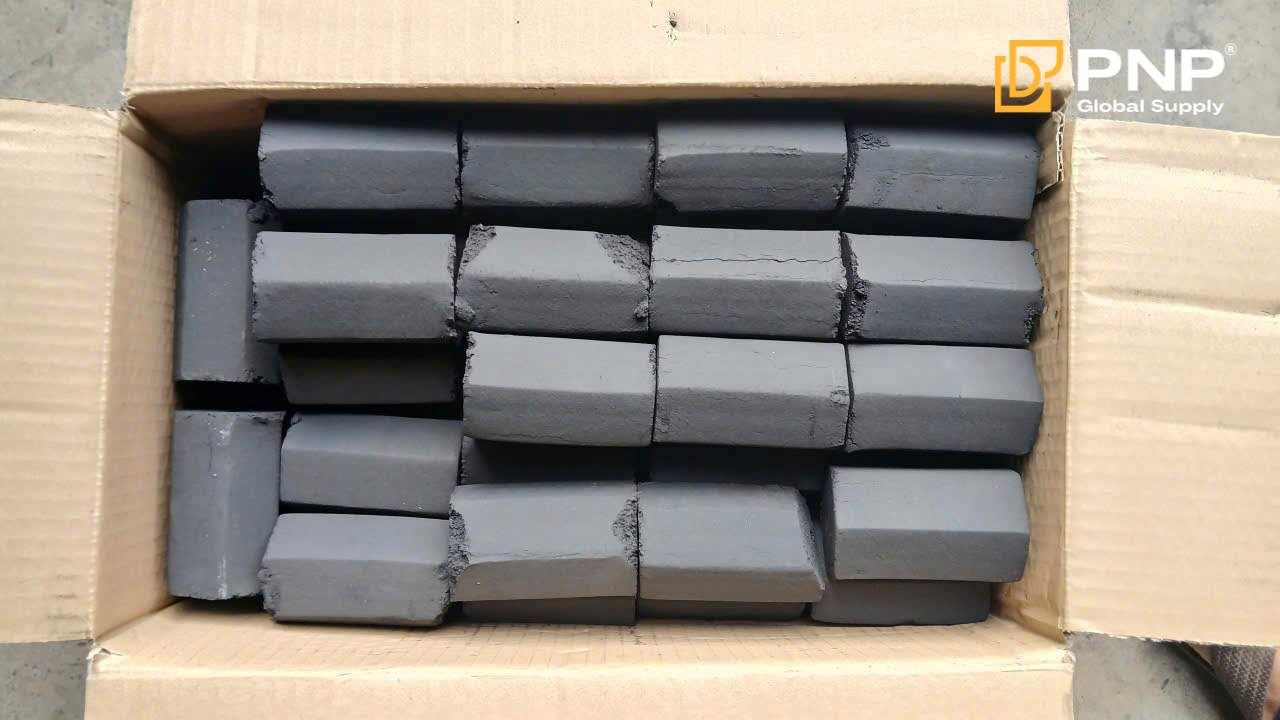
Briquettes are available in several shapes, including pillow-shaped, cylindrical, square, and hexagonal designs. The shape is often selected based on the intended application and combustion requirements.
How is Briquettes Charcoal Different from Lump Charcoal?
One of the main differences between briquettes charcoal and lump charcoal is consistency. Lump charcoal varies in size and density because it is produced directly from wood. This variation can result in uneven heat distribution and unpredictable burning times.
Briquettes charcoal, on the other hand, offers a more uniform structure. Since every briquette is manufactured under controlled conditions, users can expect more stable temperatures and longer-lasting performance.
In addition, briquettes charcoal often utilizes recycled biomass materials such as sawdust and coconut shells, making it an environmentally friendly alternative to many traditional fuel products.
Charcoal Briquette Ingredients
Common Raw Materials Used in Briquettes Charcoal
The performance of briquettes charcoal depends heavily on the charcoal briquette ingredients used during production. Manufacturers carefully select raw materials to achieve the desired balance between heat output, burning duration, and ash content.
Some of the most common charcoal briquette ingredients include:
- Hardwood charcoal powder
- Carbonized sawdust
- Carbonized coconut shell
- Agricultural biomass residues
- Natural starch binders
These materials are processed and blended before being compressed into briquette form.
How Charcoal Briquette Ingredients Affect Quality
Different charcoal briquette ingredients contribute unique characteristics to the final product.
For example, coconut shell charcoal generally produces a denser briquette with a higher calorific value and longer burn time. Sawdust-based charcoal can provide excellent consistency while making effective use of wood industry by-products.
Natural starch binders are commonly added to maintain structural integrity without negatively affecting combustion performance.
The selection of charcoal briquette ingredients directly influences:
- Burning duration
- Heat intensity
- Ash production
- Smoke emissions
- Product strength
As a result, high-quality ingredients play a critical role in determining the overall performance of briquettes charcoal.
Types of Briquettes Charcoal Available on the Market
Sawdust Charcoal Briquette
A sawdust charcoal briquette is produced using carbonized sawdust collected from wood-processing operations. Instead of being discarded as waste, sawdust is transformed into a valuable fuel source through carbonization and compression.
One of the biggest advantages of a sawdust charcoal briquette is its sustainability. By utilizing waste materials, manufacturers can reduce environmental impact while producing a reliable charcoal product.
A sawdust charcoal briquette typically offers:
- Stable heat output
- Consistent burning performance
- Moderate ash content
- Cost-effective production
These characteristics make it suitable for household cooking, BBQ grilling, and commercial food preparation.
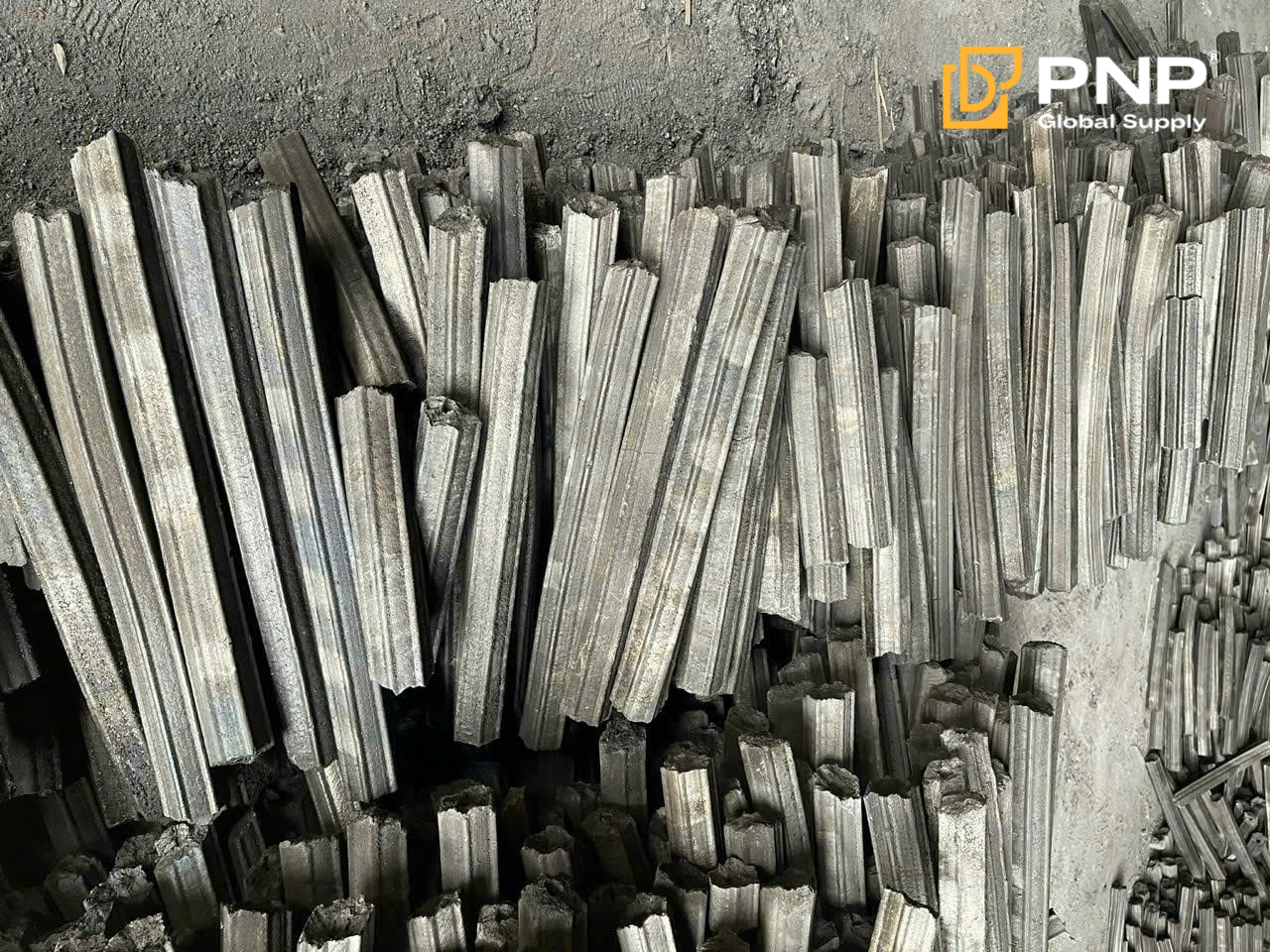
Coconut Shell Charcoal Briquette
The coconut shell charcoal briquette is widely considered one of the highest-quality briquette products available today. It is produced from carbonized coconut shells, which naturally contain high carbon content and excellent fuel properties.
Compared with many other charcoal products, a coconut shell charcoal briquette provides:
- Longer burning time
- Higher heat value
- Lower ash production
- Minimal smoke emissions
- Improved fuel efficiency
Because of these advantages, coconut shell charcoal briquette products are frequently exported to international markets and used by restaurants, BBQ businesses, and industrial users.
Other Briquettes Charcoal Types
In addition to sawdust charcoal briquette and coconut shell charcoal briquette products, there are several other varieties available.
These include hardwood charcoal briquettes, mixed biomass briquettes, and specialized industrial briquettes designed for heating applications. Each type is developed to meet specific fuel requirements and usage conditions.
How is Briquettes Charcoal Manufactured?
Raw Material Preparation
The production process begins with collecting and preparing suitable raw materials. Biomass materials such as wood waste, sawdust, and coconut shells are cleaned and sorted before processing.
Proper preparation ensures consistent product quality throughout the manufacturing cycle.
Carbonization Process
The prepared biomass materials are carbonized in a low-oxygen environment. During this stage, moisture and volatile compounds are removed while the carbon content increases significantly.
Carbonization transforms raw biomass into charcoal, creating the foundation for briquette production.
Grinding and Mixing
Once carbonization is complete, the charcoal is ground into a fine powder.
The powder is then mixed with water and carefully selected charcoal briquette ingredients, including natural binders that help maintain the shape and durability of the finished product.
This stage is essential for achieving uniform density and combustion characteristics.
Briquetting and Compression
The prepared mixture is compressed into specific shapes using specialized machinery.
The Role of a Charcoal Briquette Molder
A charcoal briquette molder is one of the most important pieces of equipment in the production process. The machine compresses charcoal powder into dense, uniform briquettes that meet specific size and shape requirements.
Modern charcoal briquette molder systems can produce various briquette designs, including cylindrical, square, and hexagonal products.
The quality of the charcoal briquette molder has a direct impact on:
- Product density
- Structural strength
- Burning performance
- Production efficiency
A high-quality charcoal briquette molder ensures that every briquette maintains a consistent shape and delivers reliable performance during use.
Drying and Packaging
After molding, the briquettes are dried to remove excess moisture. Proper drying improves storage stability and combustion efficiency.
The finished briquettes are then packaged and prepared for transportation and distribution.
Benefits of Briquettes Charcoal
Longer Burning Time
One of the most significant advantages of briquettes charcoal is its extended burning duration. The compressed structure allows the fuel to burn slowly and steadily compared to many traditional charcoal products.
This characteristic reduces fuel consumption and makes briquettes charcoal particularly suitable for long cooking sessions.
Consistent Heat Output
Because briquettes are manufactured in standardized sizes and densities, they produce a more predictable heat output.
This consistency is highly valued in restaurants and commercial kitchens where stable cooking temperatures are essential.
Low Smoke and Low Ash
High-quality briquettes charcoal often generates less smoke and ash than conventional charcoal products.
Lower smoke levels improve the cooking environment, while reduced ash simplifies cleanup and maintenance.
Easy Storage and Transportation
The uniform shape of briquettes makes packaging, storage, and transportation more efficient.
Compared to irregular lump charcoal, briquettes can be stacked and handled more easily, reducing waste during shipping.
Sustainable Fuel Solution
Many briquettes charcoal products are manufactured from recycled biomass materials such as sawdust and coconut shells.
By converting agricultural and industrial by-products into fuel, briquettes charcoal contributes to waste reduction and supports more sustainable resource utilization.
As demand for sustainable and efficient fuel solutions continues to grow, many buyers are also interested in future market trends. Read our detailed guide on Briquette Charcoal Price Prediction for 2026 to understand the factors that may influence pricing and global supply in the coming years.
Applications of Briquettes Charcoal
Today, briquettes charcoal is used in a wide range of industries and everyday activities.
One of its most common applications is BBQ grilling. Restaurants, food vendors, and households rely on briquettes charcoal because of its stable heat and long burning time.
Commercial kitchens also benefit from the fuel’s consistency, allowing chefs to maintain precise cooking temperatures throughout service.
Industrial facilities use briquettes charcoal for heating and energy generation processes, while some businesses utilize it as an alternative fuel source in manufacturing operations.
Both sawdust charcoal briquette and coconut shell charcoal briquette products continue to gain popularity due to their efficiency, affordability, and environmentally friendly characteristics.
At PNP Charcoal, we supply premium sawdust charcoal briquettes and coconut shell charcoal briquettes. Visit our website at PNP Charcoal to explore our charcoal product range and discover the ideal fuel solution for your business.
Conclusion
If you are searching for what is briquettes charcoal, it is a compressed charcoal fuel produced from carbonized biomass materials such as wood waste, sawdust, and coconut shells. Through a carefully controlled manufacturing process, briquettes charcoal delivers reliable performance, stable heat output, and longer burning times compared to many traditional charcoal products.
________________________________
Contact us for more information
Facebook: PNP Charcoal
Instagram: PNP Charcoal
Email: info@pnpglobalsupply.com