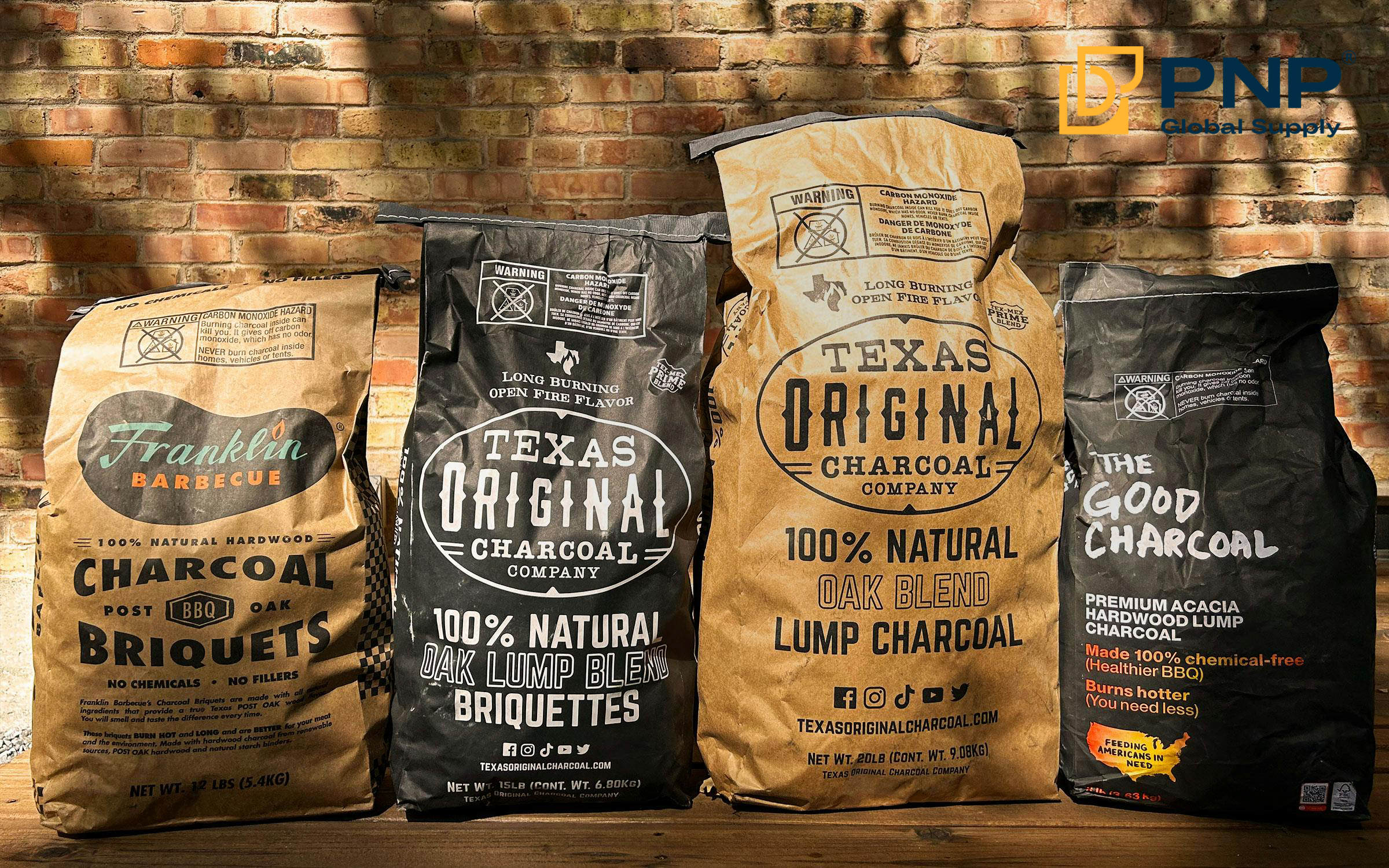
In today’s competitive charcoal export market, product quality alone is no longer enough to attract buyers. Packaging has become an essential factor that influences customer perception, brand recognition, and purchasing decisions. This is why many importers now request customized charcoal packaging tailored to their specific markets and branding requirements.
Whether you are supplying restaurants, supermarkets, wholesalers, or distributors, professional packaging helps your products stand out from competing lump charcoal brands. It also improves customer trust and enhances the overall value of your charcoal products.
This article explores the complete process of customizing packaging for charcoal orders, from initial requirements to final shipment.
The Complete Charcoal Packaging Customization Process
Custom packaging requires careful planning and execution. Every step plays an important role in ensuring the final product meets customer expectations.
Step 1: Understanding Customer Requirements
The customization process begins by collecting detailed information from the customer.
Important details typically include:
- Charcoal type
- Package weight
- Packaging dimensions
- Packaging material preference
- Export destination
- Language requirements
- Brand guidelines
- Artwork specifications
Different markets often have different expectations. European customers may prefer minimalist and eco-friendly designs, while Middle Eastern markets often favor bold colors and visually striking packaging.
A thorough understanding of customer requirements helps avoid delays and costly revisions later in the process.
Step 2: Recommending the Best Charcoal Packaging Solution
Once customer requirements have been identified, the supplier evaluates the most suitable packaging solution.
Several factors are considered:
- Product protection
- Transportation conditions
- Storage environment
- Brand positioning
- Budget requirements
For example, premium hardwood charcoal products may benefit from high-quality Kraft bags with attractive graphics. On the other hand, industrial buyers may prioritize durability and lower charcoal costs, making woven PP bags a more practical option.
The goal is to achieve the ideal balance between appearance, performance, and cost efficiency.
Step 3: Creating a Customized Packaging Design
The design phase is where branding comes to life.
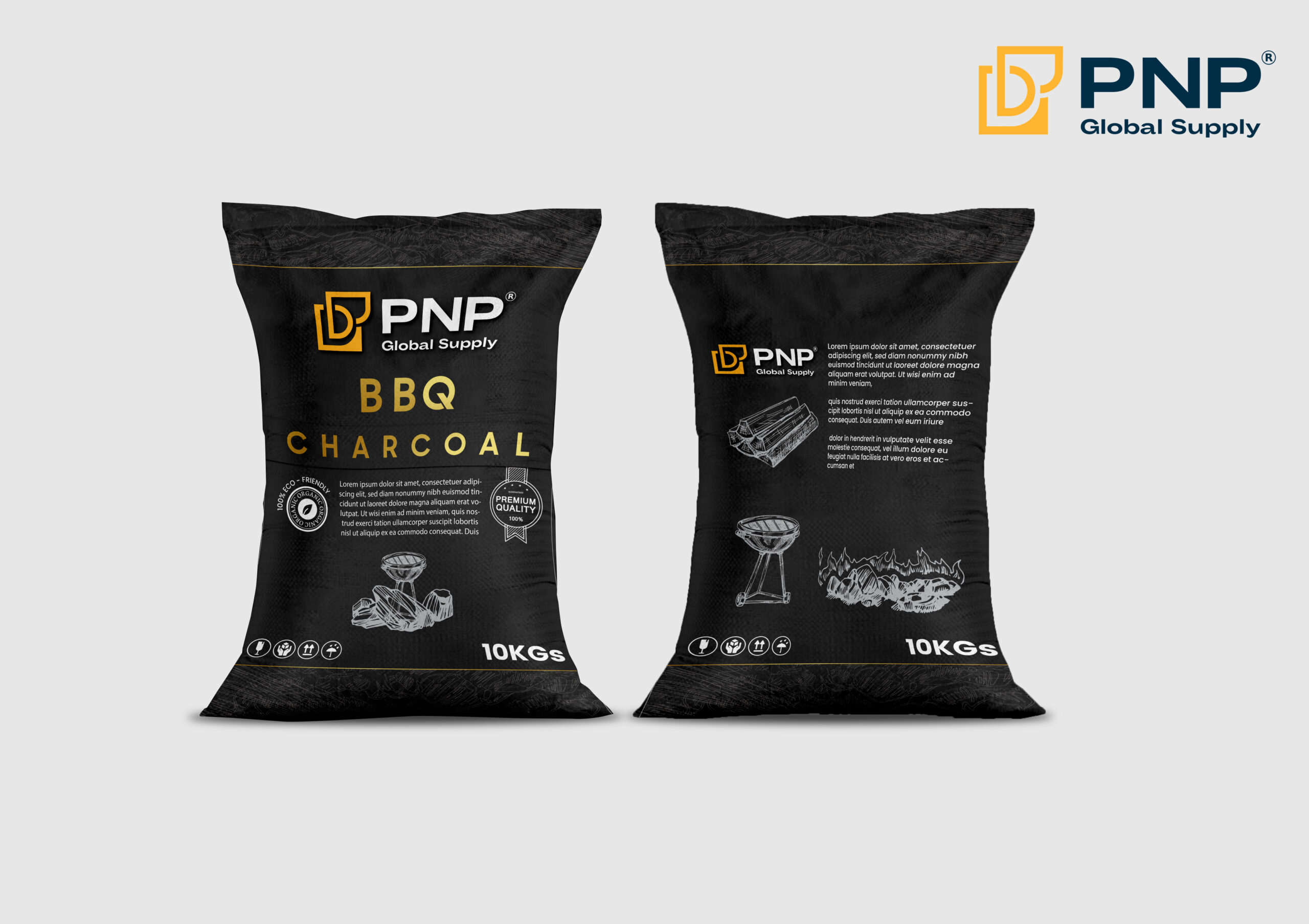
A typical charcoal packaging design includes:
- Company logo
- Product name
- Brand colors
- Product images
- Usage instructions
- Safety information
- Barcode
- Country of origin
- Contact information
Well-designed packaging not only attracts attention but also communicates professionalism and reliability.
Many exporters also include sustainability messages, certifications, and quality assurance symbols to strengthen customer confidence.
Step 4: Design Review and Approval
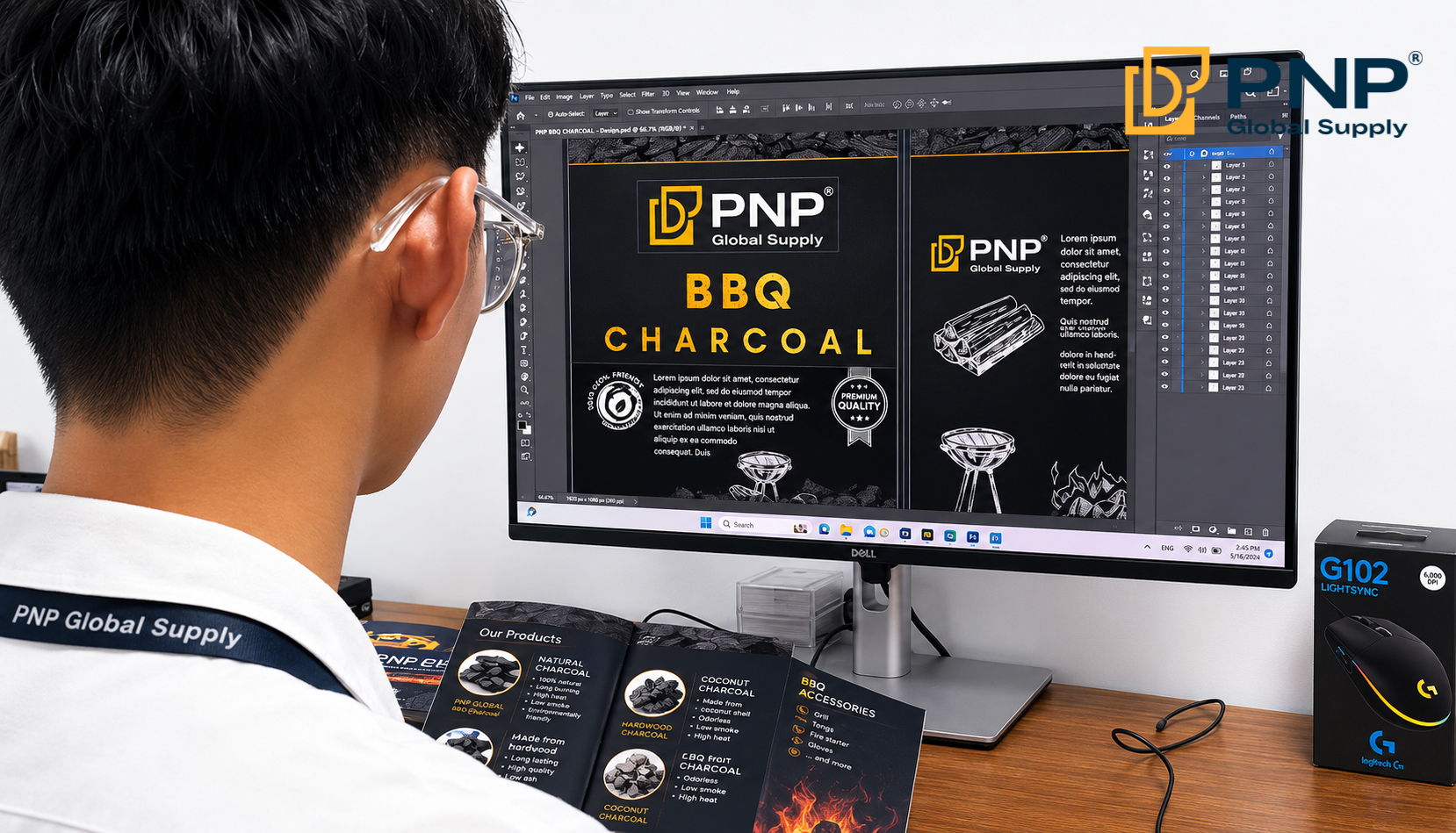
After the initial design is completed, a digital mockup is shared with the customer for review.
At this stage, customers may request modifications such as:
- Color adjustments
- Logo placement
- Font changes
- Additional product information
- Layout improvements
This review process is essential because changes become much more expensive after production begins.
Once the customer approves the final design, production files are prepared for printing.
Step 5: Manufacturing Charcoal Packaging Bags
After approval, the packaging enters the production stage.
Manufacturers carefully monitor:
- Printing quality
- Color accuracy
- Material strength
- Bag dimensions
- Graphic clarity
Quality control is particularly important because packaging defects can negatively affect the brand image and customer experience.
Every batch of charcoal packaging bags should meet the agreed specifications before moving to the filling stage.
Step 6: Packing the Charcoal Products
Once the packaging materials are ready, charcoal products are packed according to customer requirements.
The process generally includes:
- Charcoal quality inspection
- Removal of impurities
- Weight verification
- Bag filling
- Sealing and labeling
Professional exporters often implement strict quality control procedures to ensure consistency across every package.
This step directly impacts customer satisfaction, making accuracy and attention to detail essential.
Step 7: Final Inspection and Container Loading
Before shipment, a final inspection is conducted to verify:
- Packaging quality
- Product quantity
- Weight accuracy
- Label correctness
- Container condition
Any issues discovered during this stage can be corrected before the products leave the factory.
After passing inspection, the goods are loaded into containers and prepared for export.
A well-organized loading process helps protect the packaging and ensures products arrive in excellent condition.
Why Customize Charcoal Packages?
Custom packaging offers much more than an attractive appearance. It serves as a powerful marketing and branding tool while ensuring the charcoal reaches customers in excellent condition.
First, customized charcoal packages help businesses establish a unique brand identity. Logos, colors, product information, and promotional messages can all be incorporated into the packaging design.
Second, customized packaging helps products compete more effectively in retail environments. With countless lump charcoal brands available worldwide, eye-catching packaging can significantly influence buying decisions.
Finally, customized packaging creates a more professional image, increasing customer confidence and improving brand loyalty over time.
Common Types of Charcoal Packaging Bags
Before starting the customization process, it is important to choose the right packaging material.
- Kraft Paper Bags
Kraft paper bags are widely used for premium BBQ charcoal products. They provide an eco-friendly appearance and appeal to environmentally conscious consumers.
- Woven PP Bags
Woven polypropylene bags are durable and cost-effective, making them suitable for large-volume charcoal exports.
- PE and Multi-Layer Plastic Bags
These bags provide excellent moisture resistance and are commonly used for long-distance ocean shipments.
- Retail and Industrial Packaging
Depending on customer requirements, charcoal can be packed in various sizes:
- 1kg – 5kg for retail stores
- 10kg – 20kg for restaurants and BBQ businesses
- 25kg – 50kg for industrial buyers and distributors
To explore more packaging options for different charcoal products and export markets, check out our guide on: Top 6 Types of Charcoal Packaging for Export in 2026
4. How PNP Charcoal Supports Packaging and Packing Services
At PNP Charcoal, we provide flexible charcoal packaging solutions tailored to different export markets and specific customer requirements. We support printing based on packaging designs provided by customers, ensuring that brand identity and product information are accurately reproduced. In addition, we offer various retail and wholesale packaging formats to meet different distribution needs across global markets. All production processes are strictly controlled to ensure consistent quality and product stability. We also provide export-ready packing services to ensure goods meet international shipping standards.
Throughout the process, PNP Charcoal works closely with customers to ensure that packaging designs are printed exactly as required. At the same time, the charcoal is packed in a professional manner, ensuring durability, consistency, and visual quality when delivered to international partners.
Conclusion
Customized charcoal packaging has become an essential part of successful charcoal exports. Beyond protecting the product, it helps build brand recognition, enhance customer trust, and differentiate products from competing lump charcoal brands.
By following a structured packaging process—from understanding customer requirements and designing customized charcoal packages to producing high-quality charcoal packaging bags and conducting final inspections—exporters can deliver a more professional product while optimizing charcoal costs and improving long-term business growth.
________________________________
Contact us for more information
Facebook: PNP Charcoal
Instagram: PNP Charcoal
Email: info@pnpglobalsupply.com