When it comes to outdoor grilling, one of the most common debates among BBQ enthusiasts is lump charcoal vs charcoal briquettes. While both are widely used, they perform differently in terms of heat, consistency, and most importantly, charcoal burn time.
So, which burns longer—natural charcoal or briquettes? Understanding the differences between these two fuel types will help you choose the best option for your cooking needs.
Understanding Lump Charcoal and Charcoal Briquettes
Before comparing performance, it’s important to understand what each type of charcoal is and how it is made.
What is Lump Charcoal?
Lump charcoal is often referred to as natural charcoal vs briquettes because it is made by burning hardwood in a low-oxygen environment without additives. This process preserves the natural structure of the wood, resulting in irregular chunks of pure carbon.
Because it is minimally processed, lump charcoal burns hotter and ignites faster. Many grillers prefer it for its clean burn and authentic smoky flavor.
What are Charcoal Briquettes?
Charcoal briquettes, on the other hand, are manufactured by compressing charcoal dust along with binders, fillers, and sometimes additives. They are uniform in shape and size, making them easier to stack and control during cooking.
Briquettes are designed for consistency, which directly affects burning time of charcoal briquettes and temperature stability.
Key Factors That Affect Charcoal Burn Time
To fully understand how long does charcoal burn, you need to consider several influencing factors beyond just the type of charcoal.
First, the density of the charcoal plays a major role. Denser materials tend to burn longer because they release energy more slowly. Second, airflow is critical—more oxygen increases burn rate but reduces overall duration. Third, the arrangement of charcoal in your grill can impact heat distribution and efficiency.
Additionally, environmental conditions such as wind and humidity can influence charcoal burning temperature and how quickly fuel is consumed.
Lump Charcoal Burn Time vs Briquettes
How Long Does Lump Charcoal Burn?
Lump charcoal is known for its high heat output, but this comes at the cost of shorter burn duration. On average, lump charcoal burns for about 2.5 to 3.5 hours, depending on the size of the chunks and airflow conditions.
Because of its quick ignition and intense heat, lump charcoal is ideal for fast cooking methods such as grilling steaks, burgers, or seafood. However, if you are planning a long BBQ session, you may need to refill the charcoal more frequently.
Burning Time of Charcoal Briquettes
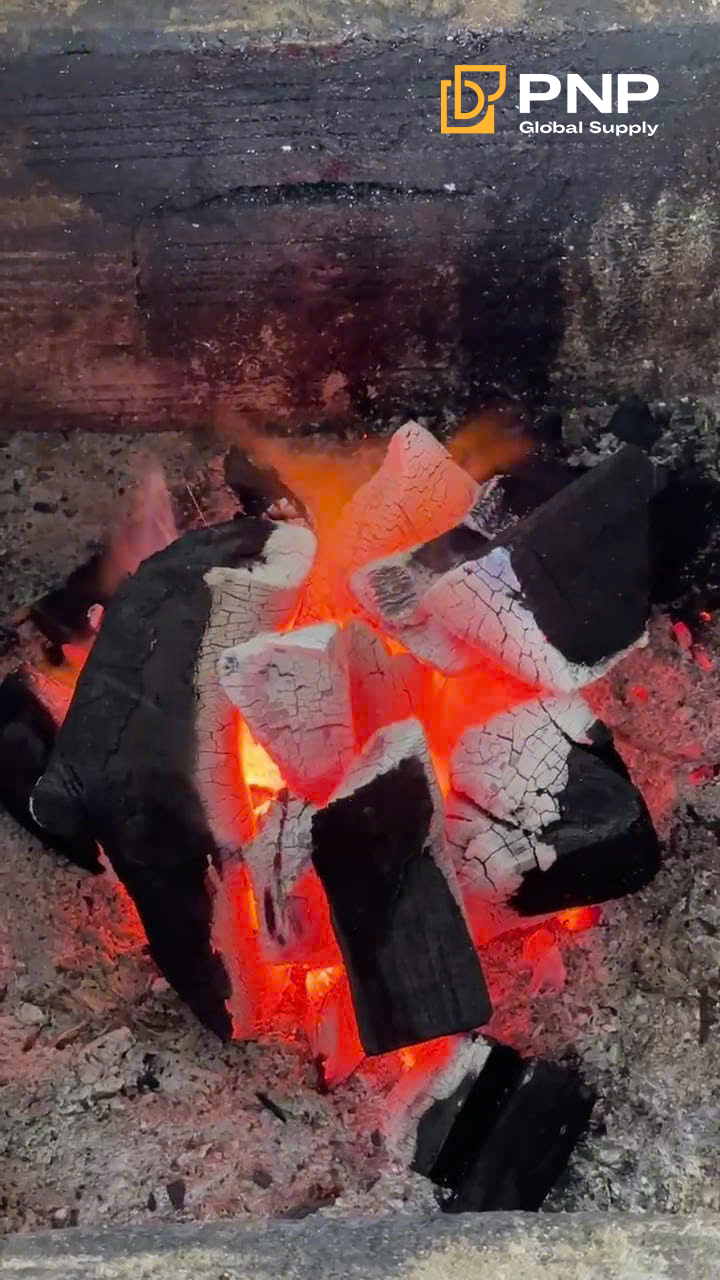
In contrast, the burning time of charcoal briquettes is significantly longer. Briquettes can burn steadily for 3.5 to 7 hours, making them a preferred choice for slow cooking methods like smoking ribs or brisket.
Their uniform shape allows for better heat control, and they maintain a consistent temperature throughout the cooking process. This extended charcoal burn time is one of the main reasons briquettes are widely used in professional BBQ setups.

Direct Comparison: Which Burns Longer?
When comparing lump charcoal vs charcoal briquettes, the answer is clear: briquettes burn longer. However, lump charcoal burns hotter and faster.
So, the choice depends on your cooking style. If you need high heat for a short time, lump charcoal is ideal. If you need steady heat over a longer period, briquettes are the better option.
Charcoal Burning Temperature Comparison
Lump Charcoal Temperature
Lump charcoal can reach very high charcoal burning temperature, often exceeding 700°C in optimal conditions. This makes it perfect for searing meat and achieving a crispy exterior.
However, this high heat can be difficult to control, especially for beginners.
Briquettes Temperature
Briquettes typically burn at a lower but more consistent temperature, usually around 400–600°C. This stability makes them easier to manage, especially for long cooking sessions.
Impact on Cooking Performance
The difference in charcoal burning temperature directly affects cooking results. High heat from lump charcoal is great for quick grilling, while the steady heat from briquettes ensures even cooking over time.
Pros and Cons: Lump Charcoal vs Briquettes
Lump charcoal offers a natural composition, quick ignition, and high heat output. It produces less ash and gives food a more authentic smoky flavor. However, it burns quickly and can be less consistent.
Briquettes, in contrast, provide longer burn time and stable heat, making them reliable for extended cooking. On the downside, they may produce more ash and contain additives, which some users prefer to avoid.
To better understand the pros and cons, read our full guide: Difference Between Lump Charcoal and Briquettes: Which One Should You Choose?
Where to Buy High-Quality Charcoal
Finding a reliable supplier is essential for achieving the best grilling results. Searching for “charcoal suppliers near me” can help you locate local distributors offering both lump charcoal and briquettes.
If you are looking for premium-quality charcoal with consistent performance, consider trusted suppliers like PNP Charcoal. High-quality products ensure better charcoal burn time, stable charcoal burning temperature, and an overall improved BBQ experience.
Looking for reliable charcoal suppliers? PNP Charcoal offers premium-quality lump charcoal and briquettes with stable heat, long burn time, and consistent performance for every BBQ session. Visit our website: PNP Charcoal to explore our products and find the perfect charcoal for your grilling needs.

Conclusion
In the debate of lump charcoal vs charcoal briquettes, the winner in terms of burn duration is clearly briquettes. Their longer charcoal burn time and consistent heat make them ideal for extended cooking sessions.
However, lump charcoal excels in delivering high heat and quick ignition, making it perfect for fast grilling.
Ultimately, the best choice depends on your cooking style. By understanding how long does charcoal burn and how each type performs, you can make a smarter decision and elevate your BBQ experience.
________________________________
Contact us for more information
Facebook: PNP Charcoal
Instagram: PNP Charcoal
Email: info@pnpglobalsupply.com