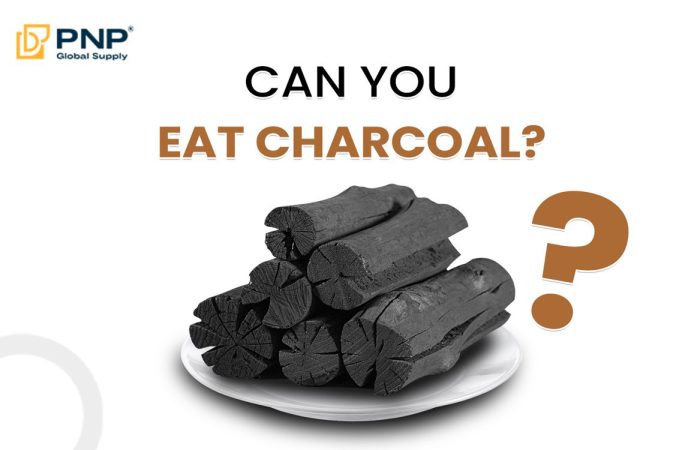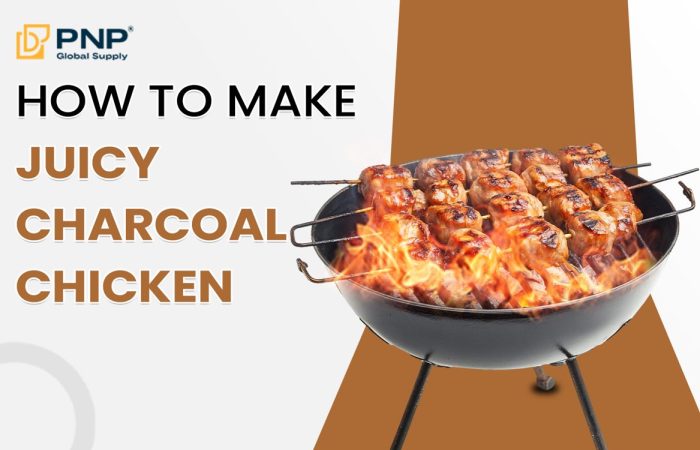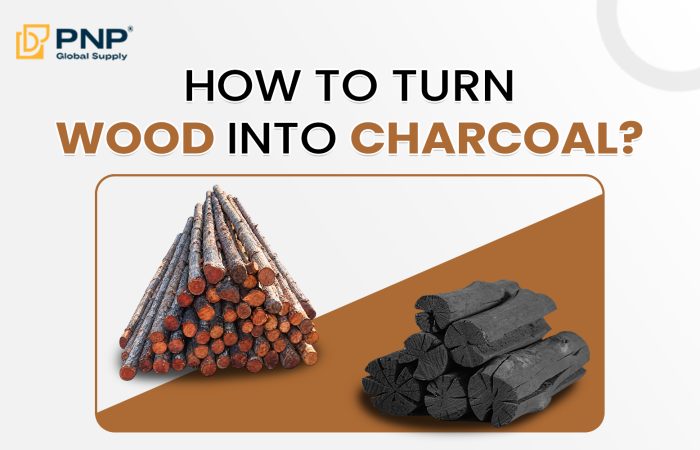
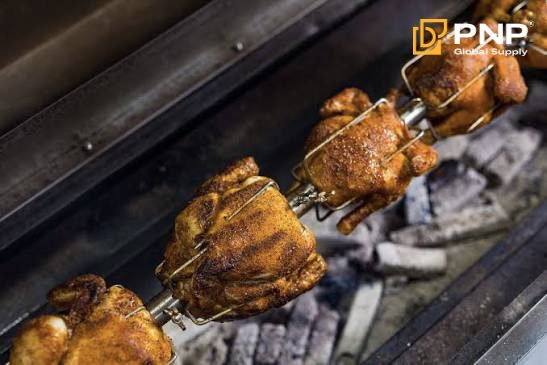
A whole chicken turning over glowing charcoal looks impressive, but getting started does not require complicated techniques. The main challenges are balancing the food, arranging the coals correctly, and keeping the heat steady. With a suitable charcoal rotisserie grill and a few basic tools, beginners can prepare evenly browned roasts without constantly turning food by hand. Here is how to set up your first cook, choose suitable charcoal, and avoid common mistakes.
How Does a Charcoal Rotisserie Grill Work?
A charcoal rotisserie grill uses a motor-driven spit to rotate food beside or above a charcoal fire. Forks hold the meat securely on the rod while the motor turns it continuously, exposing different sides to the heat.
Rotation helps distribute heat around the surface, but it does not automatically prevent burning or guarantee that the center is cooked. Coal placement, food size, distance from the fire, and airflow still affect the result.
For a covered kettle-style grill, a common arrangement places charcoal on opposite sides with a drip pan beneath the food. Other designs use different fire positions, so follow the instructions supplied with your equipment rather than copying a setup that does not fit your grill.
Prepare Your Grill and Equipment
Before lighting anything, check that the rotisserie attachment fits your grill and that the motor can support the combined weight of the food and accessories. A charcoal BBQ with rotisserie needs enough clearance for the meat to complete a full turn without touching the lid, drip pan, or fuel.
Prepare heat-resistant gloves, long-handled tongs, a drip pan, butcher’s twine, and a food thermometer. A chimney starter is useful for lighting charcoal without adding lighter fluid during cooking.
Position the grill on a stable, noncombustible surface outdoors, away from flammable materials. Keep the motor and electrical connections protected according to the manufacturer’s instructions. The CDC’s Carbon Monoxide Poisoning Basics warns that charcoal must never be burned indoors, even when it appears to produce little smoke.
If you are still choosing equipment, a search for “coal barbeque price” is only a starting point. Compare motor capacity, spit length, lid clearance, and whether the rotisserie kit is included. A lower grill price may not cover the accessories needed for your first cook.
Choose Suitable Charcoal for Rotisserie Cooking
Rotisserie cooking requires fuel that can maintain usable heat throughout the roast. Choose barbecue charcoal approved for your appliance, not mineral coal or fuel intended for heating.
Lumpwood Charcoal
Lumpwood charcoal consists of carbonized wood pieces with naturally varying shapes and sizes. It can work well for rotisserie cooking, but an uneven mixture of large pieces, small fragments, and dust can make fire management less predictable.
Choose solid pieces that fit the fuel baskets or charcoal chamber without blocking airflow. Avoid packing them tightly together, and monitor the temperature as the cook progresses.
Mangrove charcoal is one wood-charcoal option to consider. PNP Charcoal’s Vietnamese Mangrove Charcoal page lists a burning time of approximately 3.5–4 hours. Actual performance depends on fuel quantity, airflow, grill design, and cooking conditions; the listed duration is not a guarantee for every rotisserie session.
Charcoal Briquettes
Briquettes offer more uniform shapes, which can make fuel loading easier to repeat. Sawdust charcoal briquettes and coconut charcoal briquettes are options to evaluate where the appliance permits them.
For beginners, the most useful comparison is how each fuel behaves in the actual grill. Observe ignition, heat stability, ash buildup, and whether additional fuel is needed before the food reaches its target temperature.
Keep charcoal bags dry, securely closed, and away from ignition sources. Damp charcoal can be harder to light and less predictable during cooking.
How to Use a Charcoal Rotisserie Grill Step by Step
Prepare and Secure the Food
For a first attempt, choose one manageable item, such as a whole chicken, within the rotisserie’s rated capacity. Keep raw meat refrigerated until preparation and keep its utensils separate from cooked-food equipment.
Season the food, then tie loose parts close to the body with food-safe butcher’s twine. For chicken, secure the wings and legs so they cannot swing toward the fire as the spit rotates.
Slide the rod through the center of the food and position the meat between the support points. Push the forks firmly into both ends and tighten the fasteners.
Test the Balance Before Lighting
Mount the loaded spit on the cold grill and briefly run the motor. Watch several complete rotations. The food should turn smoothly without slipping, striking another component, or making the motor struggle.
If the load repeatedly drops toward one side, reposition it on the rod. Adjust any supplied counterbalance according to the manual. Remove the loaded spit while you prepare the fire, keeping the food protected from contamination.
Light the Charcoal and Arrange Indirect Heat
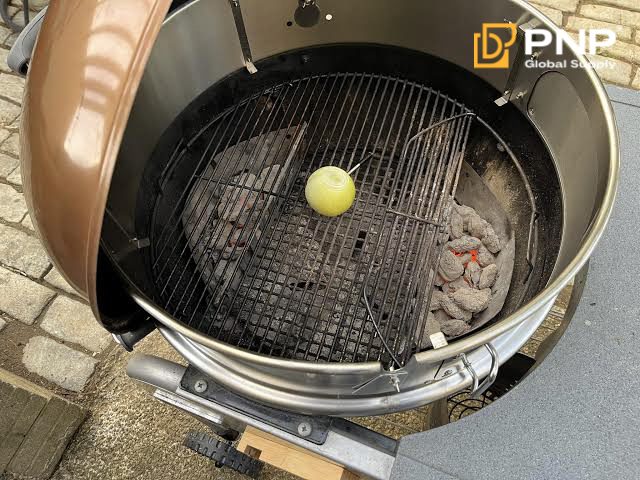
Light the charcoal using a chimney starter or another manufacturer-approved method. Wait until the fuel is established and the upper pieces begin developing a light ash coating before transferring it with heat-resistant gloves.
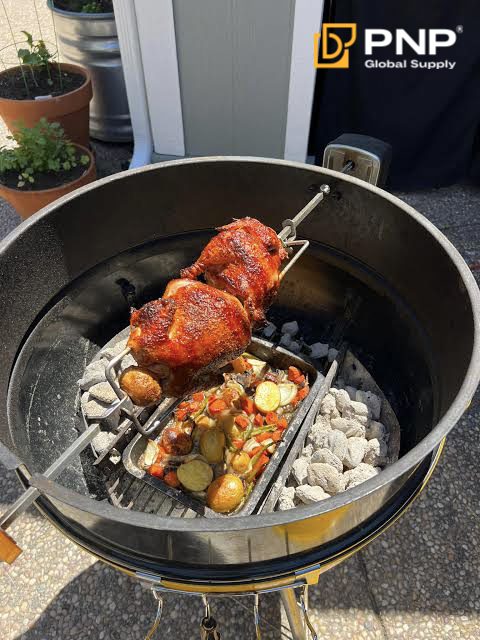
For a compatible kettle-style grill, arrange the lit charcoal in two side banks and place a heat-safe drip pan between them. Position the food over the pan rather than directly over a concentrated coal bed. This catches drippings and helps limit flare-ups.
Follow the grill’s loading guidance rather than relying on a fixed charcoal quantity for every setup.
Start the Rotation and Stabilize the Heat
Fit the spit securely into its supports and motor, switch it on, and confirm smooth rotation. Close the lid if your grill is designed for covered rotisserie cooking.
Use the cooking temperature specified by a suitable recipe and your appliance instructions. Adjust the vents gradually instead of repeatedly opening the lid or making large changes.
Monitor the Food and Fuel
Check periodically that the spit forks remain secure, the motor turns smoothly, and the drip pan is not overflowing. If the exterior darkens too quickly, reduce the heat or increase the distance from the coals where the equipment allows.
For a longer cook, replenish fuel according to the grill’s instructions. Do not add lighter fluid to burning charcoal. Apply sugary glazes near the end of cooking to reduce the chance of scorching.
Check Internal Temperature Before Serving
Cooking time is an estimate, not proof that meat is safe. Stop the motor before checking with an instant-read thermometer, and measure the thickest parts without touching the spit or bone.
The USDA’s Safe Minimum Internal Temperature Chart specifies 165°F (74°C) for poultry. Whole cuts of beef, pork, lamb, and veal require at least 145°F (63°C), followed by a minimum three-minute rest. Ground meats require 160°F (71°C), except ground poultry, which requires 165°F (74°C).
Use gloves to remove the hot spit and transfer the food to a clean tray before carving.
Is Charcoal Good for You When Used for Grilling?
The question “is charcoal good for you” needs a distinction: barbecue charcoal is fuel, not food or a health supplement. Charcoal cooking should not be presented as automatically healthier than other methods.
The National Cancer Institute’s Chemicals in Meat Cooked at High Temperatures and Cancer Risk explains that high-temperature cooking and smoke from fat dripping onto flames can contribute to the formation of HCAs and PAHs.
Use indirect heat, limit direct flame contact, avoid excessive charring, and remove burnt portions. A rotating spit does not eliminate these concerns or replace safe food handling.
Choosing Charcoal for Rotisserie Cooking from PNP Charcoal
PNP Charcoal supplies mangrove charcoal, sawdust charcoal briquettes, and coconut charcoal briquettes for barbecue applications. The suitable choice depends on your grill, cooking duration, fuel arrangement, and heat requirements.
Restaurant operators, distributors, and bulk buyers can also read PNP’s guide on how to check charcoal quality before placing a bulk order before evaluating fuel for regular use.
Share your application, preferred charcoal type, order quantity, and packing requirements with PNP Charcoal to discuss suitable products and receive a quotation.
Conclusion
Using a charcoal rotisserie grill becomes easier when the food is balanced, the fire is arranged correctly, and temperature is checked throughout cooking. Start with a manageable roast and use a thermometer rather than appearance alone. For charcoal suited to your cooking requirements, contact PNP Charcoal for product advice and ordering information.
Contact us for more information
Facebook: PNP Charcoal
Instagram: PNP Charcoal
Email: info@pnpglobalsupply.com