Black bread, charcoal drinks, and dark-colored desserts can make edible charcoal sound like an ordinary ingredient. However, charcoal used to fuel a grill is not the same as a product formulated for oral use. Before considering charcoal in food or supplements, it is important to understand what the product actually contains, whether its intended use is permitted, and why claims about detoxification or digestive benefits deserve caution.
Can You Eat Charcoal?
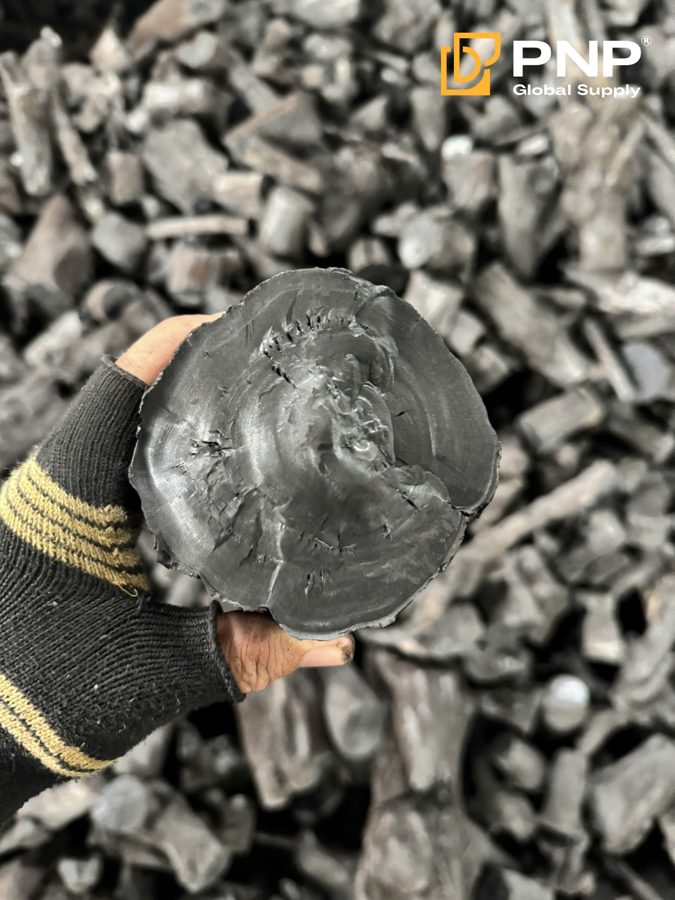
You should not eat barbecue charcoal, charcoal briquettes, or charcoal taken from a stove or fire. These products are fuels, not food ingredients. Grinding them into powder does not make them suitable for consumption.
Activated charcoal is different. Certain preparations are formulated for oral administration and are used by healthcare professionals in selected poisoning cases. Activated charcoal also appears in some foods and supplements, but its presence in a product does not establish a health benefit or mean it is appropriate for everyone. Some briquettes contain ignition chemicals that are not intended to be swallowed.
The practical answer is therefore not simply “yes” or “no.” Cooking charcoal should not be eaten, and products containing activated charcoal require a separate assessment of their formulation, intended use, and potential risks.
What Does “Edible Charcoal” Mean?
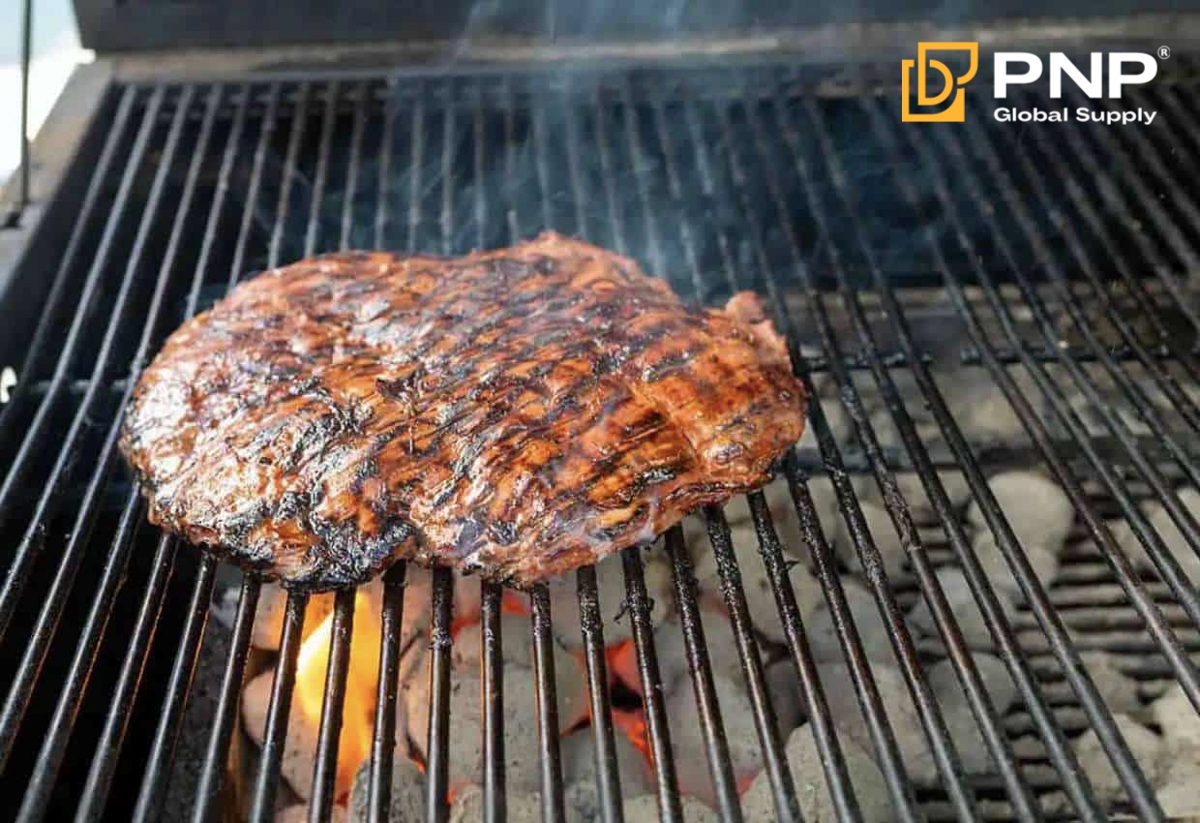
“Edible charcoal” is a term used in food and supplement marketing, rather than a reliable description of one standardized product. It may refer to a charcoal-containing powder, capsule, drink, or food ingredient. Buyers should not rely on the phrase alone to determine suitability.
Activated charcoal undergoes an additional treatment that creates a highly porous structure. This increases the surface available for substances to attach to it through adsorption. That property explains its role in certain medical treatments, but it does not turn every charcoal product into an interchangeable material.
A charcoal intended for filtration, cosmetics, industrial processing, or fuel should never be assumed suitable for swallowing. Even when products share a raw material, such as wood or coconut shells, their processing, specifications, and intended applications can differ.
For food businesses, a supplier’s “food-grade” description is not a substitute for checking the exact ingredient specification and the applicable rules in the destination market. Likewise, a product intended for medical use should not automatically be treated as an approved food-coloring ingredient.
Cooking Charcoal and Activated Charcoal Are Not Interchangeable
Natural Charcoal Is Still a Fuel Product
The word natural charcoal describes a product’s origin or positioning; it does not establish that the charcoal is edible. Wood charcoal used for grilling is produced and supplied for combustion.
For a restaurant, suitability as cooking fuel means using the charcoal to provide heat in an appropriate grill or stove. It does not mean adding charcoal fragments, ash, or ground fuel to food.
This distinction also applies to lump charcoal and briquettes. A product marketed as additive-free or made from natural raw materials is not automatically an ingredient for direct consumption.
Khaya Charcoal Is Not Edible Charcoal
Buyers searching for khaya charcoal may encounter wood charcoal marketed for grilling. PNP Charcoal uses the product name Kaya charcoal for its cooking-fuel offering.
PNP’s Vietnamese Kaya Charcoal page presents the product as fuel for grilling and cooking—not as a food ingredient, supplement, or medical preparation.
Its role in food preparation is to supply heat. It should not be eaten, mixed into drinks, or used as a substitute for activated charcoal.
Activated Charcoal Requires a Defined Intended Use
Activated charcoal is not one universal product suitable for every application. A material sold for water filtration, for example, should not be repurposed as a supplement.
For any product intended for oral use, the relevant questions concern its formulation, labeling, traceability, and intended application. A shared black appearance or similar raw material is not enough to establish equivalence.
Eating Charcoal Benefits: What Does the Evidence Support?
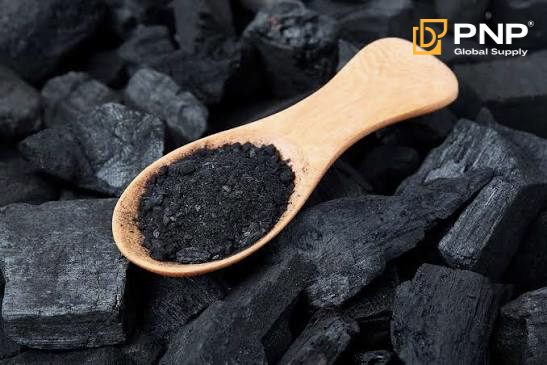
Searches for eating charcoal benefits often lead to claims about detoxification, improved digestion, or general wellness. These claims should be separated from activated charcoal’s specific medical use.
In selected poisoning cases, healthcare professionals may use activated charcoal to bind certain substances in the gastrointestinal tract and reduce their absorption. This is a targeted treatment decision—not evidence that consuming charcoal routinely “cleans” the body.
The National Capital Poison Center advises against treating poisoning with activated charcoal at home. Whether it is appropriate depends on the substance involved, the timing, and the person’s condition.
For everyday wellness claims, University of Utah Health’s “Should You Be Eating Activated Charcoal?” explains that reliable evidence does not support the broad digestive-health and detox claims discussed in its article.
A black-colored food may offer visual novelty, but its appearance is not proof of nutritional value or a therapeutic effect. Businesses should avoid turning a distinctive ingredient into an unsupported health promise.
Is Charcoal for Gut Health a Good Idea?
The phrase charcoal for gut health can imply benefits that are much broader than the available evidence supports. Activated charcoal should not be presented as a proven way to improve the gut microbiome, prevent digestive disease, or provide a daily intestinal cleanse.
Its ability to bind substances is also a reason for caution. Activated charcoal can interfere with the absorption of oral medicines, potentially reducing their effectiveness. University of Utah Health highlights medication interactions as an important concern.
Digestive side effects are another consideration. Activated charcoal can cause constipation, while nausea and vomiting are also reported. More serious complications, including bowel obstruction or aspiration into the lungs, can occur in some circumstances.
Anyone considering charcoal for ongoing digestive symptoms should discuss those symptoms with a healthcare professional rather than treating marketing claims as medical guidance. People taking oral medicines should ask a pharmacist or clinician about potential interactions before using a charcoal-containing supplement.
How to Assess a Charcoal Product Before Buying
Confirm the Application Before Searching Locally
A search such as “buy charcoal near me” can return barbecue fuel, industrial carbon, water-filter media, and supplements in the same results. These categories should not be treated as substitutes.
Start with the intended application. For grilling, choose a product supplied as cooking fuel. For food manufacturing, investigate the exact ingredient, supporting documentation, and permitted use in the target market. For a medical concern, seek professional advice rather than selecting a product from a general charcoal listing.
The seller should be able to explain what the product is designed for. If its intended use is unclear, do not assume it can be consumed.
Do Not Use Price as Proof of Suitability
Comparing charcoal price per kg is useful only when the products serve the same purpose and have comparable specifications. A bag of lump charcoal for a grill and a preparation formulated for oral use belong to different product categories.
Price alone does not demonstrate purity, regulatory compliance, or health benefits. Neither a low price nor a premium label can establish that a charcoal product is appropriate for ingestion.
For commercial buyers, obtain a quotation tied to a defined product specification, packing format, quantity, and application. Avoid comparing unrelated charcoal products simply because they are sold by weight.
Keep Fuel and Ingredient Purchasing Separate
Restaurants and food manufacturers should clearly distinguish cooking-fuel procurement from ingredient procurement. Staff should not use charcoal intended for a grill as a coloring powder or food additive.
Separate storage, clear labels, and application-specific purchasing instructions help prevent confusion. Any ingredient proposed for a recipe needs its own assessment; approval of a charcoal as fuel does not cover direct consumption.
What If Someone Swallows Barbecue Charcoal?
Do not assume that swallowing fuel charcoal has the same effect as taking a product formulated for oral use. The risk depends on the product, any additives, the amount swallowed, and the person’s symptoms.
Contact a local poison information service or healthcare professional for product-specific advice. Keep the packaging or ingredient information available if possible. Do not induce vomiting or attempt to “neutralize” the material with more charcoal.
Seek emergency help immediately if the person has difficulty breathing, is choking, becomes unusually drowsy, or develops other severe symptoms. Activated charcoal should not be used at home as a substitute for appropriate poisoning assessment.
Choosing Cooking Charcoal from PNP Charcoal
PNP Charcoal’s cooking-fuel products should be selected for their intended grilling applications, not for ingestion or claimed digestive benefits. Buyers can discuss charcoal type, piece size, packing, quantity, and delivery requirements according to their cooking setup.
For a closer look at one wood-charcoal option, read PNP’s Vietnamese Kaya Charcoal article. The product is presented for grilling and cooking; it should not be represented as edible charcoal.
Conclusion
Edible charcoal should never be confused with charcoal used as fuel. Activated charcoal has specific medical applications, but that does not establish routine detox or gut-health benefits. Product identity, intended use, medication interactions, and applicable food rules all matter.
For BBQ and restaurant fuel requirements, contact PNP Charcoal to discuss suitable cooking-charcoal products.
Contact us for more information
Facebook: PNP Charcoal
Instagram: PNP Charcoal
Email: info@pnpglobalsupply.com