For many BBQ users, lighting charcoal is the first step that decides heat, smoke, flavor, and cooking control. When using lumpwood charcoal for BBQ, the goal is not only to start a flame, but to build steady glowing coals with enough oxygen. This guide explains how to light lumpwood charcoal with lighter fluid safely, how to manage airflow, and what buyers should know before choosing regular or instant light charcoal.
What Makes Lumpwood Charcoal Different When Lighting?
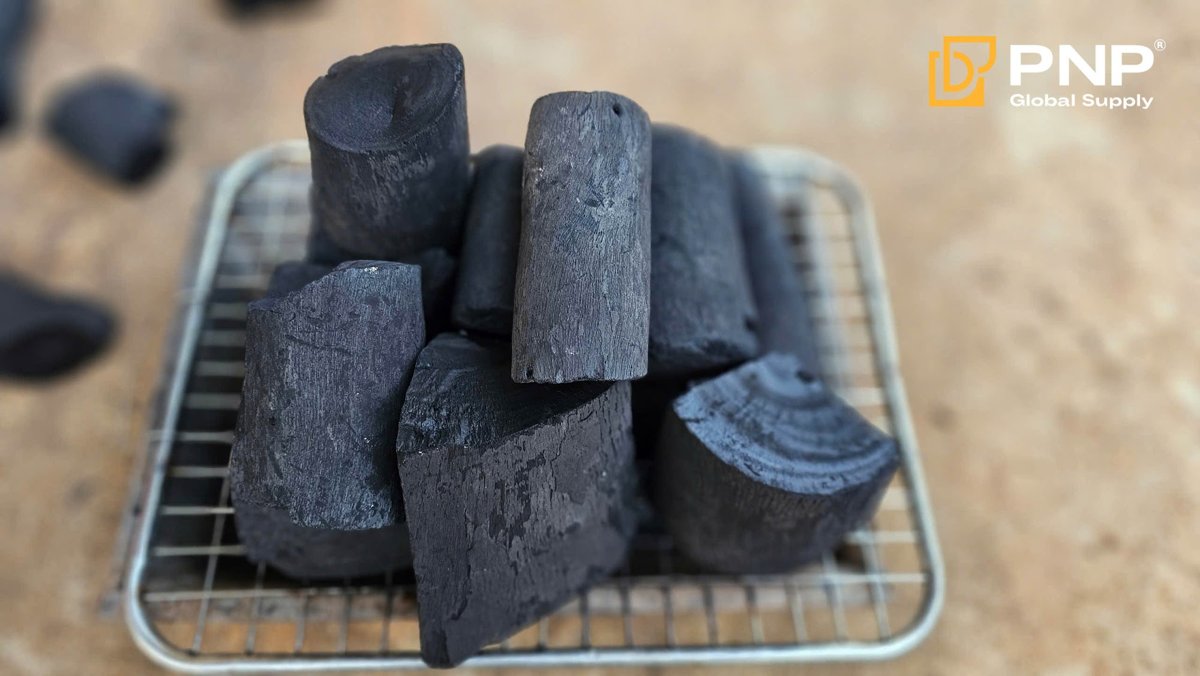
Lumpwood charcoal is made from natural wood pieces, so its size and shape are not completely uniform. This is different from briquettes, which are usually pressed into a consistent shape. Because lumpwood charcoal pieces vary, air can move through the pile differently depending on how the charcoal is arranged.
For BBQ, this is both an advantage and a point to control. Lumpwood charcoal can catch fire quickly and create strong heat, but if the pieces are too tightly packed, oxygen cannot feed the fire properly. The charcoal may smoke more, burn unevenly, or take longer to reach cooking temperature.
Good lighting starts with dry charcoal, open airflow, and enough space between pieces. These details help the charcoal burn cleaner and make the grill easier to control after the fire is started.
What You Need Before Lighting Lumpwood Charcoal
Before lighting lumpwood charcoal, prepare the right fuel, tools, and safe working area. For a basic BBQ setup, users usually need:
- Lumpwood charcoal
- Charcoal grill or BBQ grill
- Charcoal lighter fluid or bbq lighter fluid
- Long match or long-reach lighter
- Long-handled tongs or metal spatula
- Heat-resistant gloves
- Outdoor space with good ventilation
Only use lighter fluid made for charcoal grilling. Do not use gasoline, alcohol, kerosene, or other flammable liquids. These can create dangerous flare-ups and may leave strong chemical odor around food.
If using self lighting charcoal, charcoal instant light, or instant light lumpwood charcoal, always read the package instructions first. These products may already contain a lighting agent, so adding extra lighter fluid is usually unnecessary and can make the fire harder to control.
How to Light Lumpwood Charcoal with Lighter Fluid
Arrange the Charcoal for Airflow
Place the charcoal in the center of the grill and build a loose mound. Do not press the pieces tightly together. Fire needs oxygen, and oxygen moves better when there is space between the pieces.
A practical method is to place medium and larger pieces at the base, then add smaller pieces near the top and outer sides. Smaller pieces usually catch fire faster, while larger pieces help maintain heat after the fire spreads.
Apply Lighter Fluid Carefully
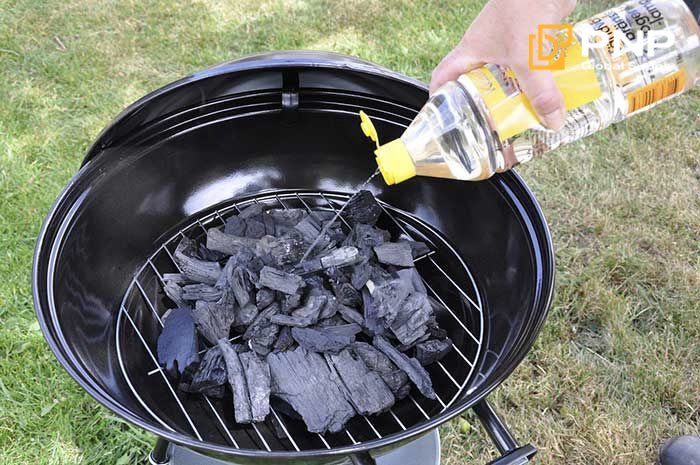
Apply charcoal lighter fluid evenly over the top and sides of the charcoal pile. The aim is to lightly coat the charcoal surface, not soak it until liquid collects at the bottom of the grill.
Using too much lighter fluid does not make better BBQ. It can create large flames, stronger odor, and longer waiting time before cooking. A controlled amount is safer and helps the charcoal light without overpowering the grill.
Let the fluid sit for about 30–60 seconds before lighting so it can absorb slightly into the charcoal surface.
Light the Charcoal Safely
Use a long match or long-reach lighter to ignite the charcoal from several points. Keep your hands and face away from the grill when the flame catches.
Keep the grill lid open during the first lighting stage. Open air helps feed the fire with oxygen and prevents vapor from building up under the lid. At first, the flames may rise quickly. Wait until the flames settle and the charcoal begins to glow.
Do not place food on the grill while lighter fluid flames are still active. Cooking too early can affect food flavor.
Wait Until the Coals Are Ready
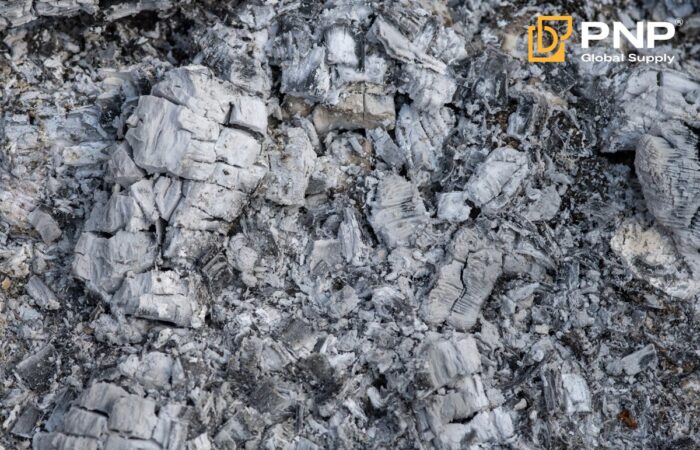
The charcoal is ready for cooking when the flames have mostly died down, the coals are glowing, and the surface begins to turn gray or ashy. For lumpwood charcoal, this often takes around 10–20 minutes depending on charcoal size, grill airflow, and weather.
This waiting step is important. Stable glowing coals give cleaner heat than large startup flames.
How to Control Heat After Lighting Lumpwood Charcoal
After lighting lumpwood charcoal, heat control depends mainly on oxygen. More oxygen makes charcoal burn hotter and faster. Less oxygen slows the fire and lowers the cooking temperature.
Most charcoal grills have top and bottom vents. Open vents allow more oxygen into the grill and increase heat. Partially closed vents reduce airflow and lower heat. However, do not close the vents completely unless the goal is to put the fire out, because fully closed vents can suffocate the coals.
For high-heat grilling, open the vents wider. For slower cooking, close the vents slightly while keeping some airflow. Small adjustments are better than sudden changes, because charcoal temperature needs time to respond.
How to Manage Flare-Ups During BBQ
Flare-ups happen when fat, oil, or marinade drips onto hot coals. Many users want to pour water onto the flames, but this can send ash onto the food and affect flavor.
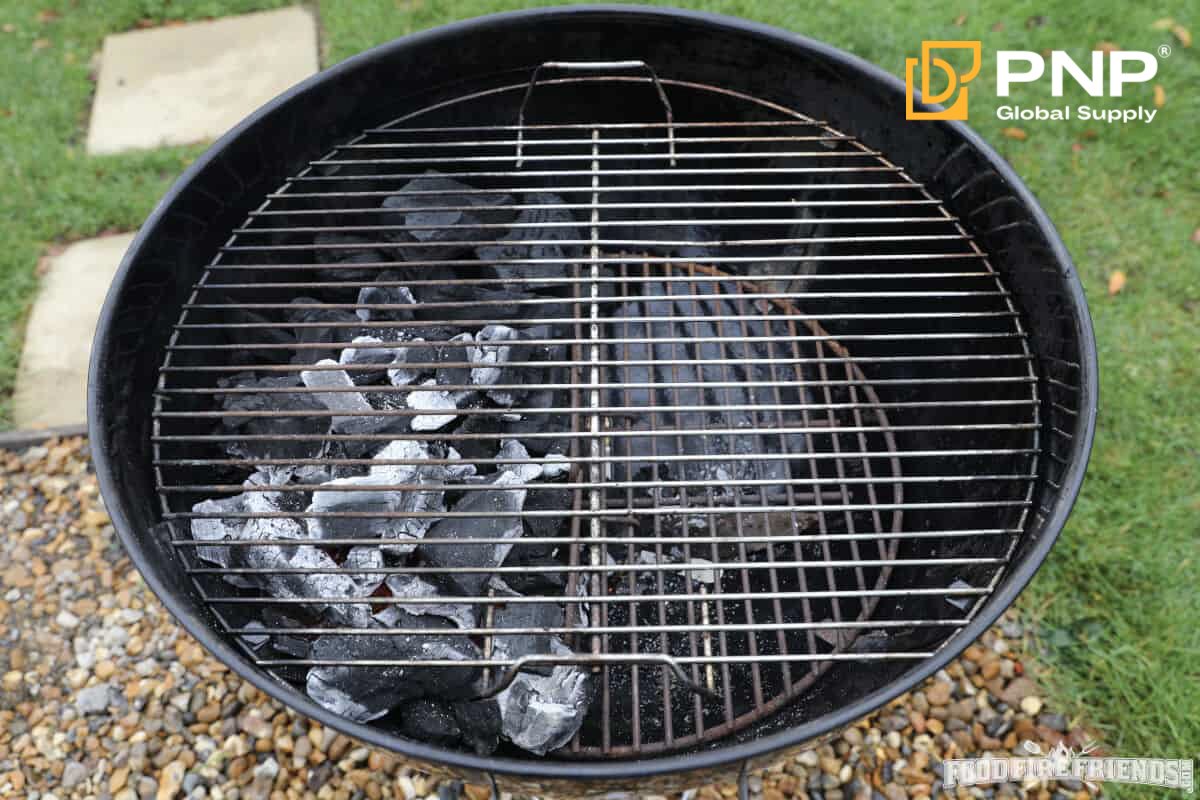
A better method is to create a two-zone fire. Place the lit charcoal on one side of the grill and leave the other side empty. The charcoal side becomes the direct-heat zone, while the empty side becomes the cooler indirect-heat zone.
When flames rise suddenly, use long-handled tongs or a metal spatula to move the food to the cooler side until the flames settle. This gives better control and reduces the risk of burning the outside of the food before the inside is cooked.
Can You Add More Charcoal While Grilling?
Yes, but it should be done correctly. If the grill temperature starts dropping, add regular unlit charcoal on top of or beside the already lit coals. The hot coals will ignite the new pieces naturally. This can take about 15 minutes, so it is better to plan ahead before the grill becomes too cool.
Another option is to light fresh charcoal separately in a chimney starter, then add the hot coals to the grill when ready.
Do not add grill lighter fluid or extra bbq lighter fluid to burning charcoal. This is unsafe and may cause sudden flare-ups. If using self lighting charcoal or instant light lumpwood charcoal, do not add more of that same product once the fire has started, because it may already contain lighting agents.
Lighter Fluid vs. Instant Light Charcoal
Regular lumpwood charcoal and lighter fluid give users more control over the lighting process. Buyers can choose the charcoal quality, apply a controlled amount of fluid, and wait until the coals are fully ready before cooking.
Instant light charcoal is designed for convenience. Charcoal instant light products may be useful for quick BBQ, camping, or picnic use, but they should be handled according to the package instructions. Extra lighter fluid is not recommended unless the product clearly allows it.
For buyers who care about food flavor, smoke level, burn time, and heat stability, the quality of the charcoal itself is still important. Dry charcoal with good structure usually lights more easily and gives steadier cooking performance.
Choosing Lumpwood Charcoal for BBQ from PNP Charcoal
For importers, wholesalers, restaurants, and BBQ charcoal distributors, lighting performance is one part of product quality. Good lumpwood charcoal should be dry, well-carbonized, reasonably solid, and packed to reduce excessive dust or breakage during handling.
PNP Charcoal supplies multiple charcoal options for BBQ and cooking needs, including lump charcoal and briquette charcoal products. Depending on the target market, buyers may compare charcoal by raw material, shape, size, burn time, heat, smoke, ash, breakage, and packing requirements.
Before placing a bulk order, buyers should test samples in real grilling conditions. A practical charcoal test can check lighting time, smoke during ignition, heat stability, ash amount, odor, and how easily the charcoal pieces can be arranged inside the grill.
Conclusion
The article above has explained how to light lumpwood charcoal with lighter fluid, from arranging the charcoal pile to controlling oxygen, vents, flare-ups, and extra charcoal during grilling. For better BBQ results, users should avoid adding lighter fluid after the fire starts, wait until the coals are glowing, and use a two-zone setup for heat control.
If you are looking for lumpwood charcoal for BBQ or other charcoal products for wholesale, restaurant, or distribution needs, contact PNP Charcoal for suitable options and sample discussion.
Contact us for more information
Facebook: PNP Charcoal
Instagram: PNP Charcoal
Email: info@pnpglobalsupply.com