Finding charcoal is easy; choosing the right source takes more consideration. Buyers searching charcoal where to buy may need a few bags for a weekend BBQ, regular deliveries for a restaurant, or larger volumes for distribution. Each purchase requires a different balance of availability, product quality, price, and delivery. Knowing which supplier fits your order helps you avoid buying unsuitable fuel or paying for packaging and services you do not need.
Charcoal Where to Buy: Match the Source to Your Needs
Charcoal can be purchased from supermarkets, hardware stores, BBQ shops, online retailers, local wholesalers, and manufacturers. The right choice depends on how much you need, how frequently you order, and whether you require specific charcoal types or packaging.
For occasional grilling, nearby retailers offer a straightforward way to buy small quantities. Restaurants may benefit from a distributor that keeps suitable stock and delivers regularly. Importers and wholesalers need a supplier that can discuss product specifications, packing, order planning, and shipment requirements.
A convenient location does not automatically mean a suitable product. Before choosing a buying channel, identify whether you need natural lump charcoal or briquettes, the size that fits your grill, and the amount you can store in dry conditions.
Where to Find Charcoal for Sale Near Me
Supermarkets and hardware stores
Searching for “charcoal for sale near me” can help identify nearby retailers, but buyers should confirm stock before travelling. Stores may carry different brands, bag weights, and fuel types, so two products displayed together may not offer comparable performance.
Read the label to confirm that the charcoal is intended for cooking and suitable for your equipment. Check the packaging for tears or signs of damp storage. For a small purchase, reliable availability and a manageable bag size may matter more than securing the lowest unit price.
BBQ shops and restaurant-supply distributors
Specialist BBQ shops can be useful when you need advice on charcoal size, shape, or grill compatibility. Restaurant-supply distributors are another option for businesses that need repeat deliveries rather than occasional retail purchases.
When buying charcoal near me is the priority, ask about delivery coverage, available stock, and consistency between orders. A restaurant should confirm whether the supplier can maintain the agreed product rather than substitute a different charcoal whenever stock changes.
Online sellers
Online buying makes it easier to compare product descriptions and packaging options. However, a product photograph cannot establish burn performance or the condition of the bag that will arrive.
Check the seller’s stated net weight, charcoal material, size range, delivery charge, and process for reporting damaged goods. For larger or repeat purchases, start with a trial quantity before committing to regular supply.
When Does a Charcoal Bulk Buy Make Sense?
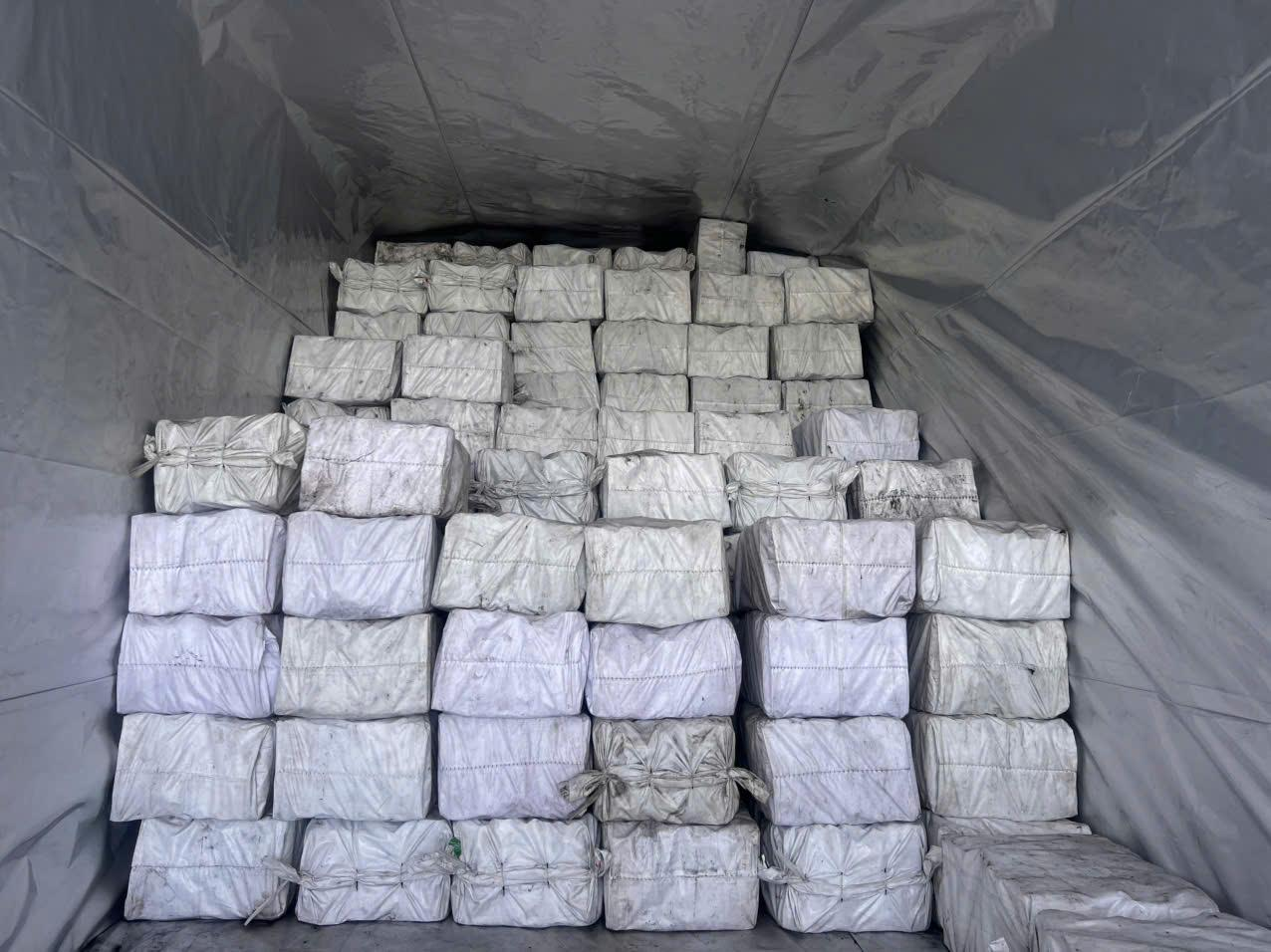
A charcoal bulk buy is worth considering when consumption is predictable and there is enough suitable storage space. Restaurants, catering businesses, retailers, and distributors may need larger orders, but buying more only helps if the product performs well and remains usable until needed.
Compare the complete purchase cost rather than the quoted product price alone. Transport, handling, storage, damaged packaging, and unusable fragments can change the value of an order. A lower price per kilogram does not necessarily produce a lower cooking cost.
For restaurant buyers, test how much charcoal is needed to maintain useful heat during a normal service period. For distributors, consider customer preferences, retail pack sizes, and the condition of the charcoal after transport.
Manufacturers and export suppliers become relevant when buyers need defined specifications, larger quantities, or packaging adapted to their market. Confirm the minimum order quantity and commercial terms directly; these should not be assumed to be the same across suppliers.
What Determines the Bag of Charcoal Price?
The bag of charcoal price depends on more than the number printed on the package. Raw material, charcoal type, sorting, net weight, packaging, and delivery arrangements all affect the quotation.
A small retail bag and a larger wholesale sack may serve different purposes. Smaller packs are easier to handle and display, while larger packs may suit businesses using substantial quantities. Compare prices using the same weight basis and confirm whether taxes and delivery are included.
Product condition also matters. A bag containing excessive dust, damp charcoal, or pieces too small for the grill may provide less usable fuel than expected. For repeat business purchases, assess cost alongside actual performance rather than choosing solely by bag price.
When requesting quotations, provide the charcoal type, required quantity, preferred size, packaging, and delivery destination. Clear requirements make supplier offers easier to compare without relying on an unsupported general market price.
Should You Look for a Charcoal Factory Near Me?
Searching for a “charcoal factory near me” can help buyers explore direct sourcing, but proximity alone does not prove that a facility manufactures the product. Some businesses operate as warehouses, distributors, or packing locations.
Ask whether the supplier produces, sources, sorts, or repacks the charcoal. Request relevant production and packing information, and confirm whether a factory visit or inspection can be arranged before planning travel.
A nearby factory may simplify collection and communication. An overseas manufacturer may offer product or packaging options that are not available locally. Compare both routes using the same requirements, including product suitability, order quantity, delivery arrangements, and consistency.
Direct sourcing is most useful when the supplier can explain what will be supplied and how repeat orders will match the agreed specification.
Choose the Charcoal Type Before Choosing the Seller
Lump charcoal and mangrove charcoal
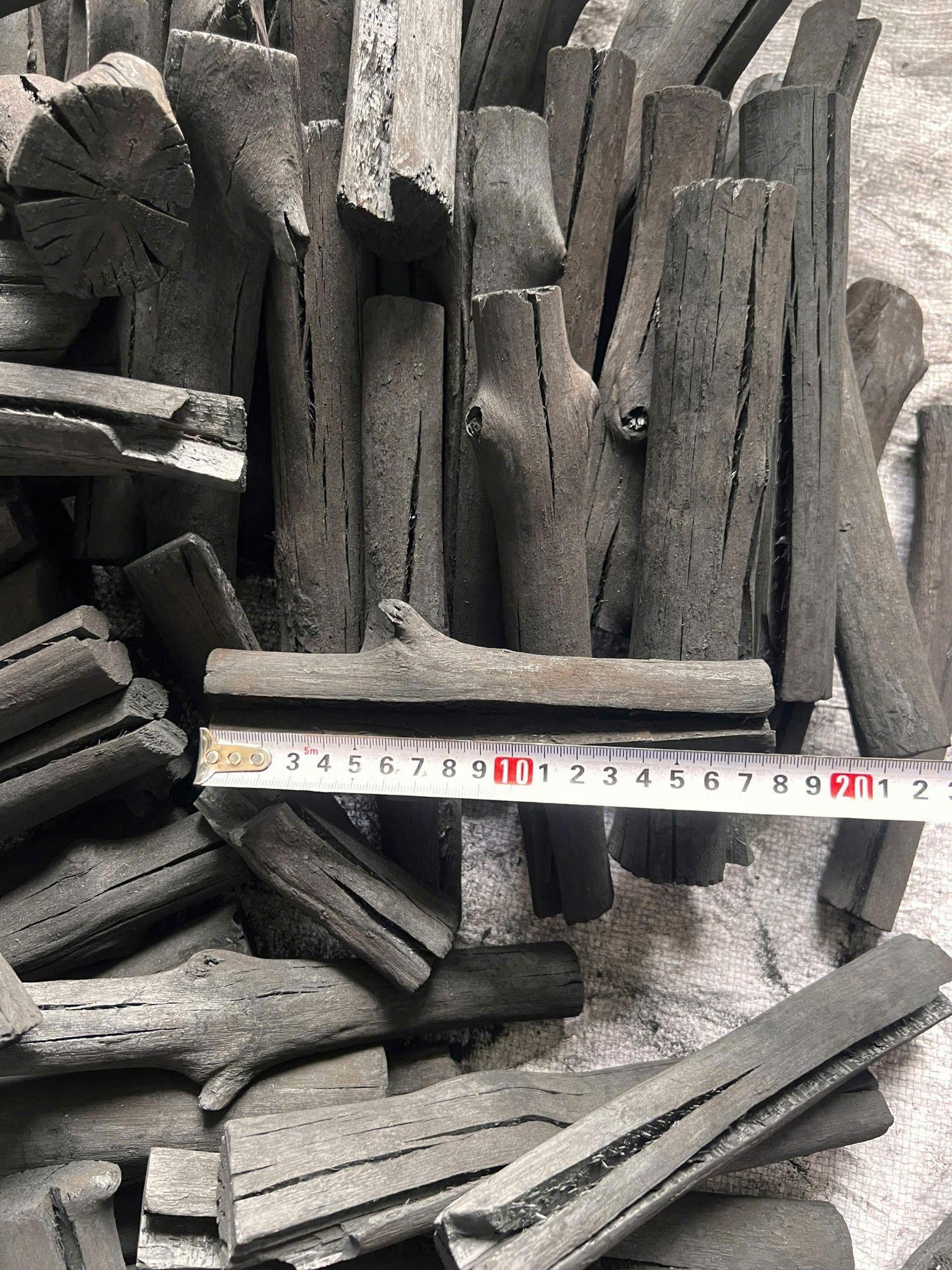
Lump charcoal retains the natural structure of its wood material, so piece shape and size can vary. PNP Charcoal’s product range includes mangrove, kaya, coffee wood, longan, eucalyptus, and white charcoal options.
Buyers interested in mangrove charcoal should confirm the supplied size range, packing, and intended cooking use. As with other wood charcoal, the actual grilling experience depends on the product’s condition and the cooking setup. Evaluate a sample rather than assuming every bag made from the same wood will behave identically.
For business orders, discuss raw-material traceability and request relevant supporting documents where needed. Product naming alone is not sufficient evidence of origin or sourcing practices.
Sawdust and coconut charcoal briquettes
Briquettes offer formed shapes that can help buyers arrange, measure, and pack fuel more consistently. PNP Charcoal lists sawdust charcoal briquettes and coconut charcoal briquettes among its products.
Choose between them according to cooking requirements, equipment compatibility, and sample performance. Confirm the material and manufacturing details with the supplier instead of treating all briquettes as interchangeable.

How Production Affects the Charcoal You Buy
Suppliers that make charcoal from wood use carbonization to convert wood into charcoal under controlled, limited-oxygen conditions. Production quality, cooling, sorting, and subsequent storage influence the condition of the finished fuel.
For buyers, the useful question is not simply whether a seller owns a kiln. It is whether the supplied charcoal is properly carbonized, dry, appropriately sized, and packed to withstand handling.
Request a sample and compare it under consistent conditions. Use the same grill, fuel quantity, and airflow when assessing ignition, useful heat, smoke, ash, and structural durability. PNP Charcoal’s guide on how to check charcoal quality before placing a bulk order explains these checks in more detail.
Buying Charcoal from PNP Charcoal
PNP Charcoal is a Vietnam-based charcoal manufacturer and supplier serving international buyers. Its product range includes wood charcoal, white charcoal, sawdust charcoal briquettes, and coconut charcoal briquettes.
For a relevant quotation, share your intended use, preferred charcoal type, size requirements, packaging, quantity, and destination. Discuss sample testing and confirm the specifications and commercial terms before placing a bulk order.
This allows restaurant suppliers, wholesalers, and importers to compare products against their actual requirements rather than choose from photographs or price alone.
Conclusion
For buyers searching “charcoal where to buy,” local retailers offer convenience for smaller purchases, while distributors and manufacturers can support recurring or larger orders. Choose the source according to your consumption, product requirements, and delivery needs—not price alone.
Contact PNP Charcoal to discuss suitable products, samples, packing, and bulk-order requirements.
Contact us for more information
Facebook: PNP Charcoal
Instagram: PNP Charcoal
Email: info@pnpglobalsupply.com