When grilling burgers, the right charcoal affects heat, flavor, cooking time, and how evenly the patties are cooked. Many BBQ users ask which is best charcoal for grilling burgers, especially when choosing between lump charcoal and briquettes charcoal.
What Makes the Best Charcoal for Grilling Burgers?
The best charcoal for grilling burgers should do more than just create fire. Burger patties need enough heat to sear the outside, but the heat should also be stable enough to cook the inside properly without burning the surface too quickly.
Unlike large cuts of meat that need long, slow cooking, burgers are usually grilled with direct heat. This means the charcoal must be hot enough for searing, but not so aggressive that the patties dry out or burn before they are cooked through. A good grilling charcoal should also be easy to arrange under the grill, simple to control, and consistent from the first burger to the last.
For restaurants, BBQ parties, food-service buyers, or home grill users, consistency is important. If the charcoal burns unevenly, one batch of burgers may cook too fast while another takes longer. This is why many users choose charcoal briquettes for burger grilling.
Briquettes Charcoal vs Lump Charcoal for Burgers
When discussing which charcoal is best for grilling, many users compare briquettes charcoal with lump charcoal. Both can be used for burgers, but the cooking experience is different.
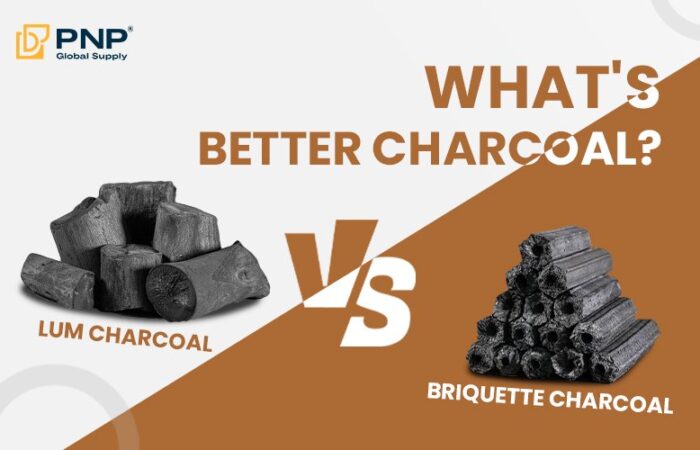
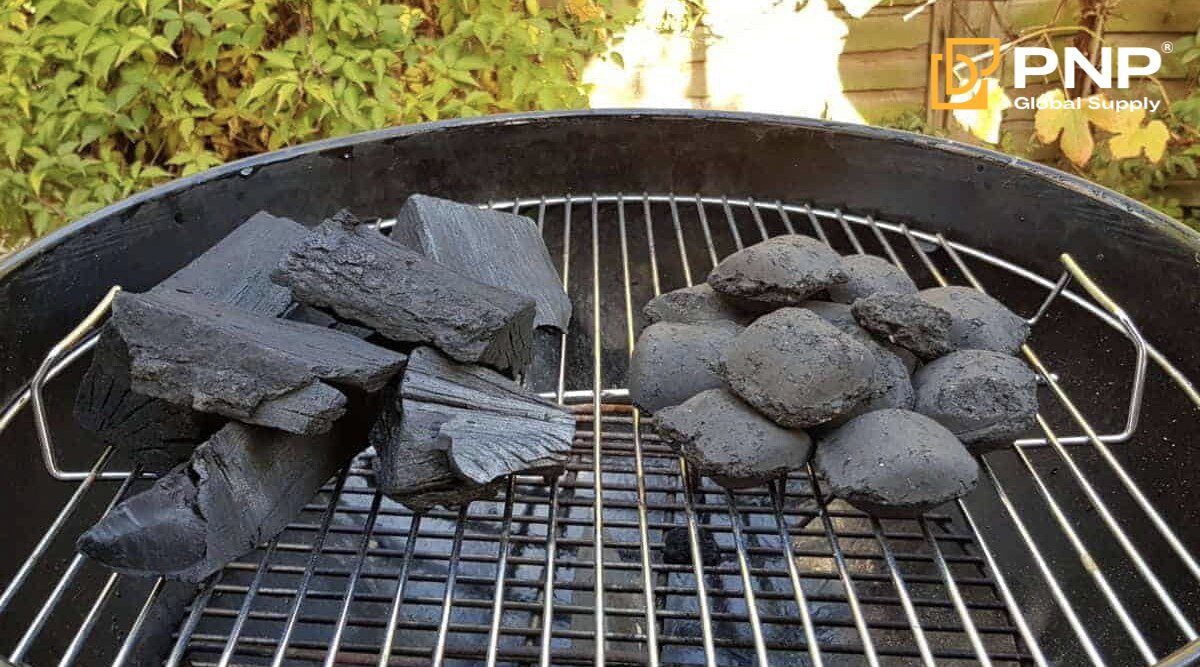
Lump charcoal is made from natural wood pieces and can burn hot. It is often preferred by users who want stronger heat and a more natural charcoal feel. However, lump charcoal pieces are usually irregular in size. For burgers, this can make the heat zone less even, especially when cooking many patties across the grill.
Briquettes charcoal, on the other hand, is more uniform. The pieces are shaped to be similar in size, so they are easier to spread and manage. This helps create a more balanced heat surface, which is useful when cooking burgers for family meals, BBQ events, restaurants, or food stalls.
For quick searing, lump charcoal can perform well. But for stable burger grilling, especially when users want repeatable results, charcoal briquettes are often easier to manage.
Which Charcoal Is Best for Grilling Burgers?
For burgers, the best charcoal is the one that gives steady, controllable heat and supports direct grilling. While lump charcoal can create strong heat, charcoal briquettes are often more suitable for users who want consistent burger results.
Burger patties need a hot cooking surface to develop browning and grilled flavor. At the same time, they should not be exposed to uncontrolled flames for too long. Briquettes help because they can be arranged into an even layer, giving the grill a more stable heat zone.
This is especially helpful when grilling many burgers. With steady charcoal heat, users can manage the cooking time more easily, reduce the risk of burning, and keep each patty closer in texture and doneness.
So, when asking which charcoal is best for grilling burgers, charcoal briquettes are a strong practical answer for beginners, home BBQ users, restaurants, and buyers who need repeatable cooking performance.
Types of Briquettes for Grilling
Two common types of briquettes for BBQ are sawdust briquette charcoal and coconut charcoal briquettes.
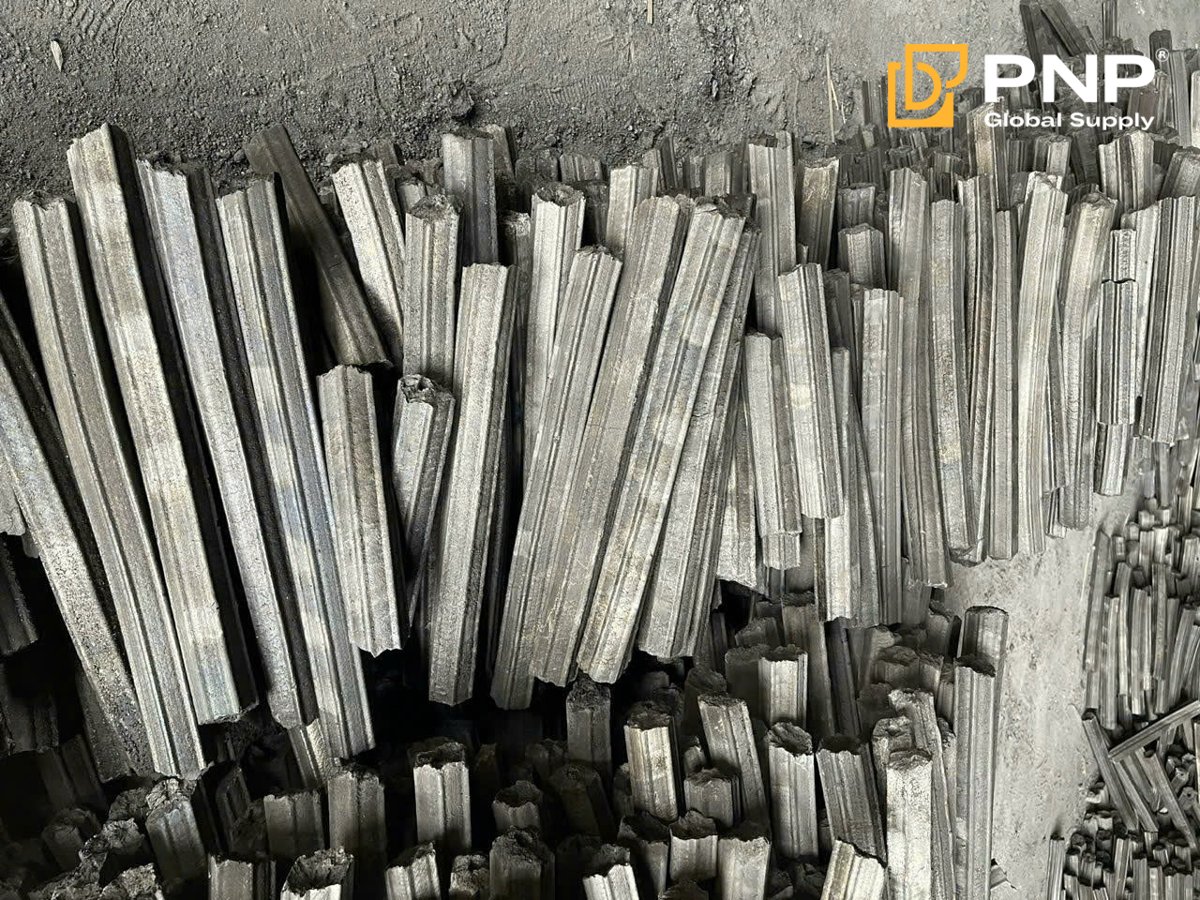
Sawdust briquette charcoal is made from compressed sawdust, usually in hexagon or stick shapes. It burns for around 6–7 hours with about 7900 kcal/kg, making it suitable for long BBQ sessions, restaurants, and repeated grilling.
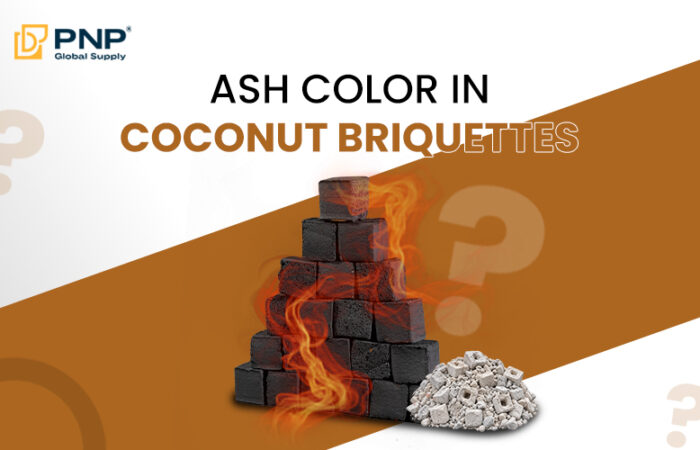
Coconut charcoal briquettes are made from coconut shell and pressed into cube, finger, or hexagon shapes. They burn for around 2 hours with about 7224 kcal/kg, making them suitable for compact BBQ setups, cooking, retail, and food-service use.
For burger grilling, sawdust briquettes are better for longer cooking sessions, while coconut briquettes are easier to handle when users need compact and uniform charcoal.
How to Use Charcoal Briquettes for Better Burger Grilling
To get better results from charcoal briquettes, users should let the charcoal become properly lit before placing burgers on the grill. Cooking too early can create unstable heat or unwanted smoke.
The briquettes should be arranged in a way that creates both a hot area and a slightly cooler area. The hot area is used for searing the patties, while the cooler area gives more control if the outside browns too quickly. This simple setup helps prevent burning and makes the grilling process easier.
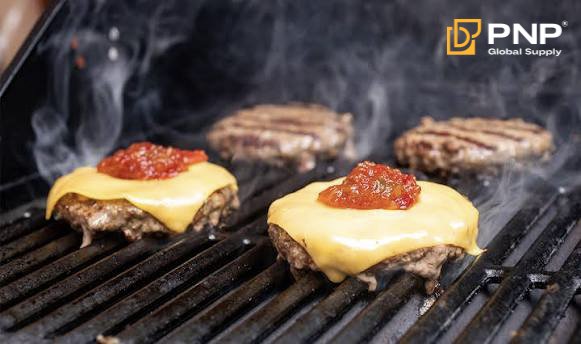
Burgers should be placed over steady heat, not over large flames. Once the patties begin to brown, they can be flipped and finished according to the desired doneness. If cheese is added, closing the grill lid briefly can help melt it while keeping heat around the burger.
For repeated batches, users should watch the heat level and adjust airflow when needed. More airflow can make charcoal burn hotter, while reducing airflow can slow the fire. With briquettes, this control is usually easier because the fuel pieces burn in a more predictable way.
Choosing Charcoal Briquettes from PNP Charcoal
PNP Charcoal supplies charcoal products for BBQ, grilling, restaurant, wholesale, retail, and distribution needs. For buyers looking for charcoal briquettes suitable for burger grilling, the key is to choose a product that matches the cooking style and target market.
Before confirming an order, buyers should consider the grill type, required shape, packing preference, burning performance, ash level, and target customer use. Testing samples before bulk purchase can help buyers choose the best charcoal option for their market.
Conclusion
The article above has explained why charcoal briquettes can be the best charcoal choice for grilling burgers. Burgers need steady heat, easy control, and a reliable cooking surface, especially when grilling multiple patties or serving repeated batches.
For BBQ, restaurant, wholesale, retail, or distribution charcoal needs, contact PNP Charcoal for suitable briquette charcoal options and further support.
Contact us for more information
Facebook: PNP Charcoal
Instagram: PNP Charcoal
Email: info@pnpglobalsupply.com