If you’re wondering how to use charcoal for a family BBQ, a charcoal stove, or outdoor cooking, the process is simpler than you might think. Using charcoal correctly helps you achieve consistent heat, extend burn time, improve cooking results, and reduce smoke and fuel waste.
In this guide, you’ll learn how to use charcoal at home safely and efficiently, estimate the right amount of kg charcoal BBQ for different gatherings, avoid common mistakes, and discover what to look for when you buy charcoal.
Why Use Charcoal at Home?
Many households continue to use charcoal because it offers several advantages over other cooking fuels.
- Provides high and consistent heat for grilling and roasting.
- Burns longer than traditional firewood.
- Produces less smoke when using high-quality hardwood charcoal or briquettes.
- Adds a rich, natural smoky flavor to food.
- Suitable for BBQ grills, charcoal stoves, camping, and outdoor cooking.
Choosing the right charcoal is the first step in understanding charcoal how to use effectively.
Types of Charcoal for Home Cooking
Choosing the right charcoal depends on your cooking style, desired burn time, and heat requirements. Here are some of the most popular charcoal types for home use.
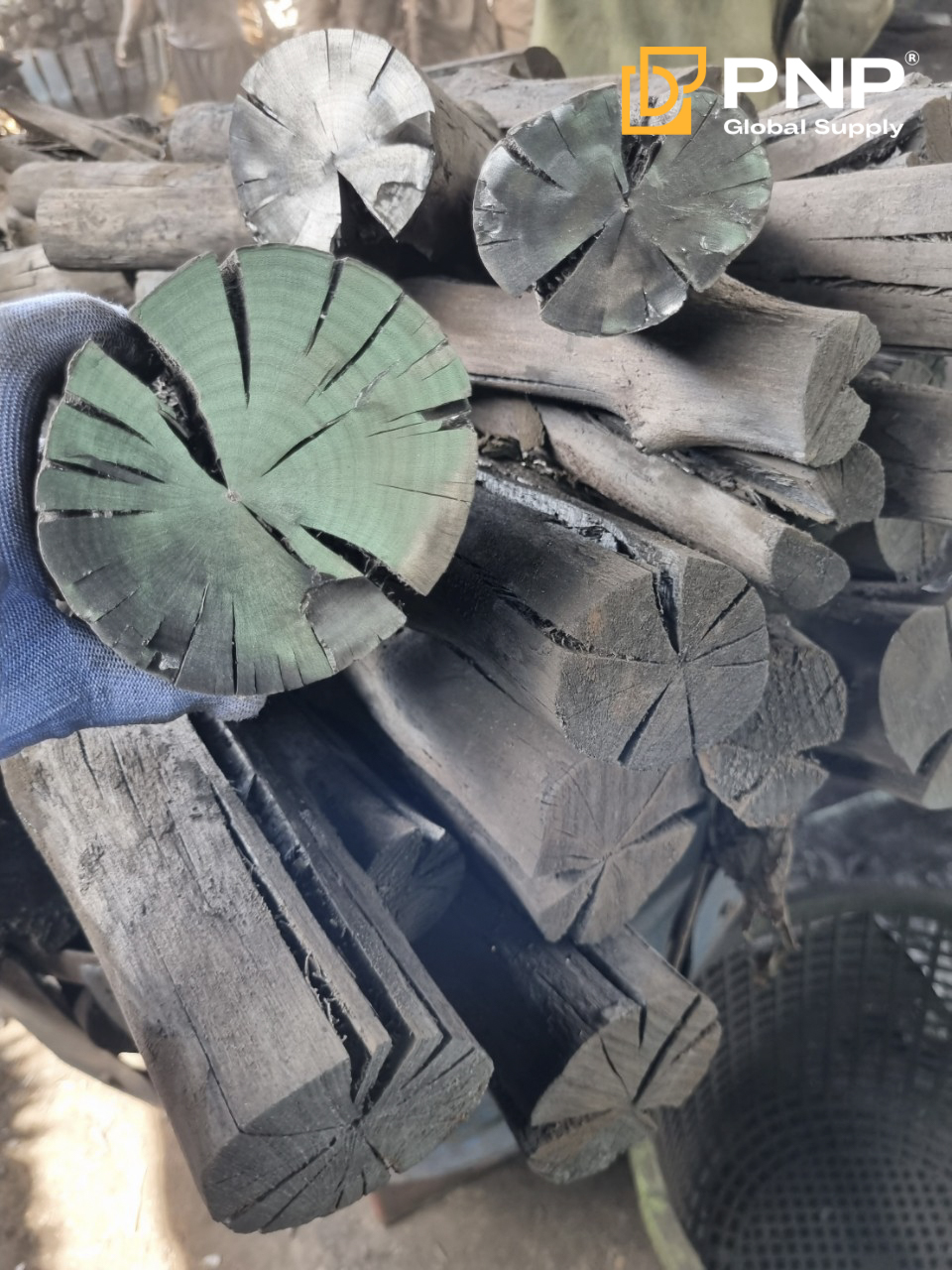
Mangrove Charcoal
Made from sustainably sourced mangrove wood, mangrove charcoal burns for approximately 3.5–4 hours with steady heat and moderate ash production. It is a popular choice for BBQ grilling and outdoor cooking.
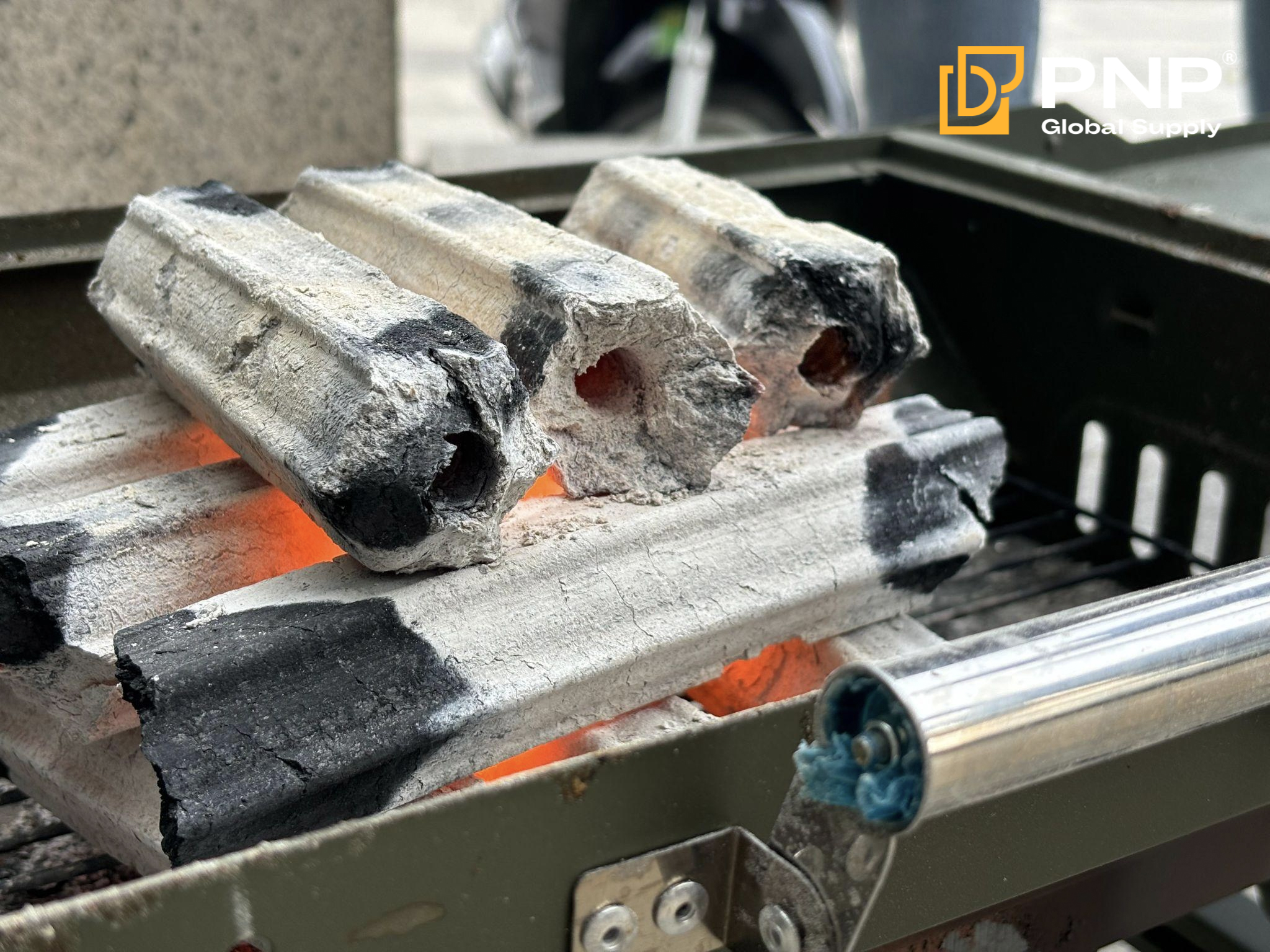
Sawdust Briquettes
Produced from compressed sawdust, sawdust briquettes offer a long burn time of 6–7 hours with consistent heat output. They are ideal for extended BBQ sessions, slow cooking, and situations where stable temperatures are required.
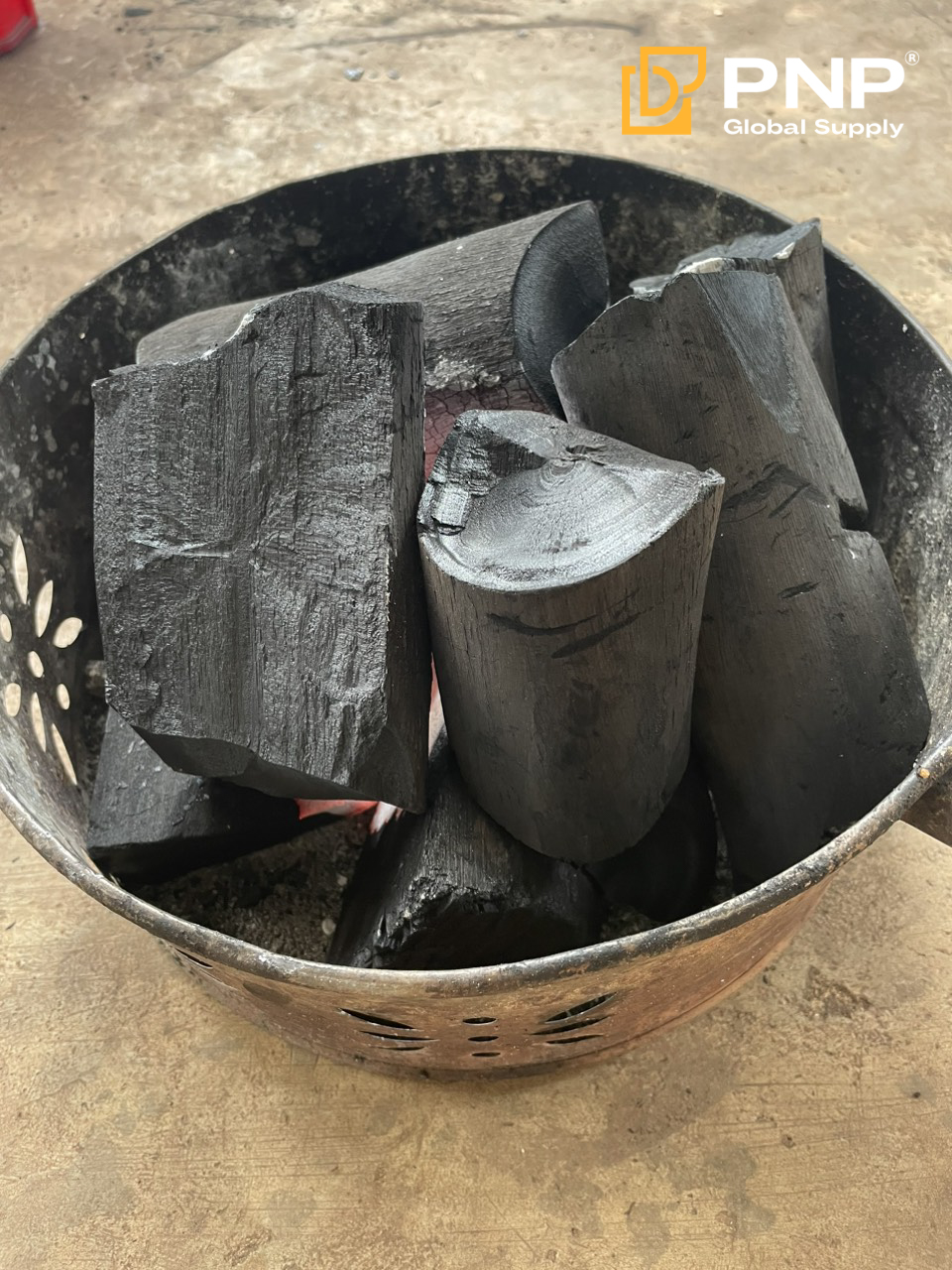
Kaya Charcoal
Made from Kaya wood, this charcoal burns for around 3–3.5 hours and provides reliable heat with relatively low smoke. It is suitable for everyday home grilling.
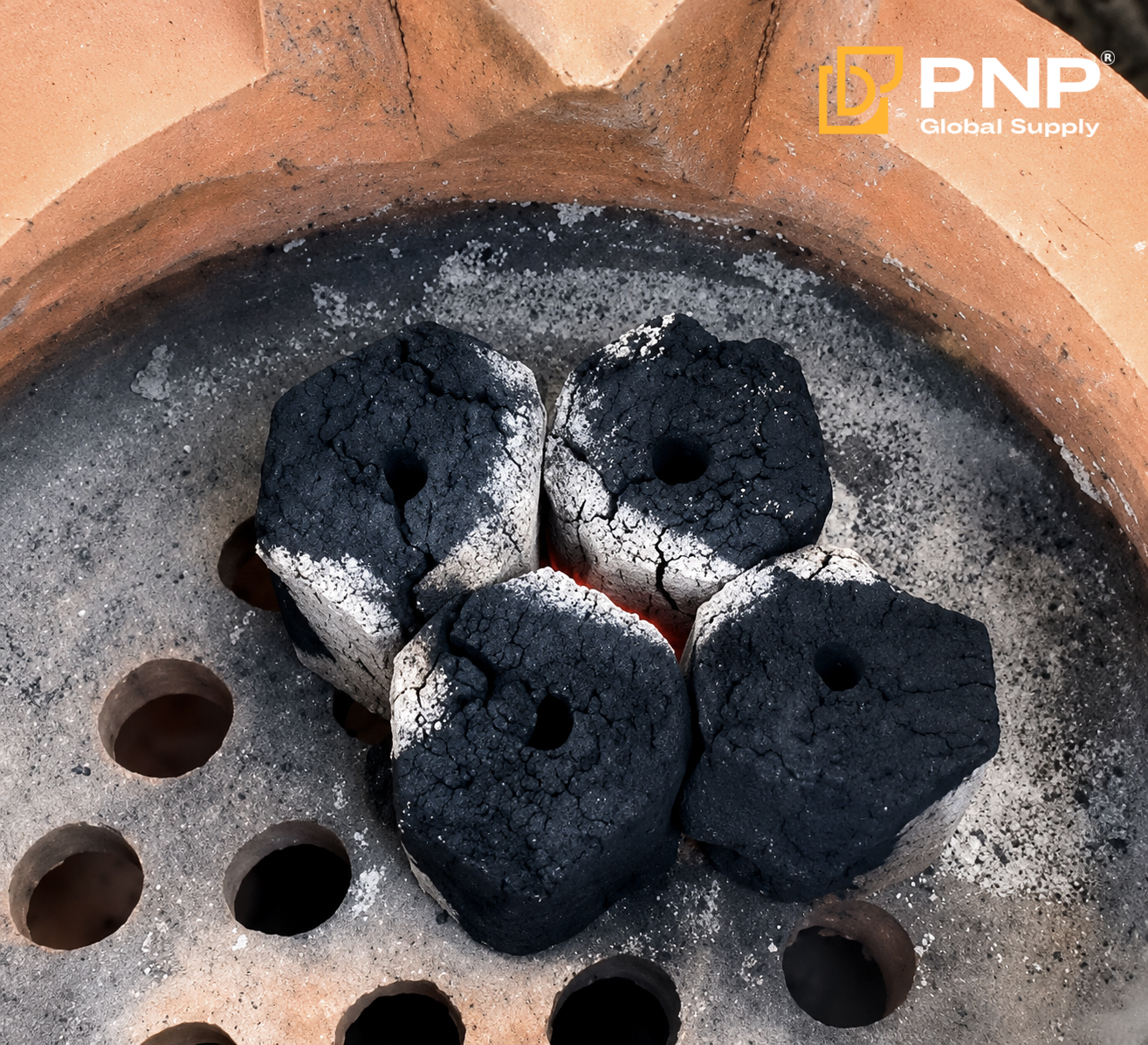
Coconut Shell Charcoal
Manufactured from carbonized coconut shells, coconut shell charcoal burns for approximately 2 hours while producing high heat and minimal ash. Its clean-burning properties make it an excellent option for quick BBQs and outdoor cooking.
How to Use Charcoal at Home Properly
Using charcoal correctly not only improves cooking performance but also enhances safety and fuel efficiency. Whether you’re grilling for a family dinner or hosting a backyard BBQ, following the right process will help your charcoal burn evenly and maintain a stable cooking temperature.
Step 1: Prepare a Safe Cooking Area
Before lighting the charcoal, choose a safe and well-ventilated location. Always place your BBQ grill or charcoal stove on a flat, stable, and non-combustible surface such as concrete, bricks, or stone. Avoid placing the grill on wooden decks, dry grass, or uneven ground, as these surfaces may increase the risk of fire or cause the grill to become unstable.
Ensure there is enough open space around the grill to allow proper airflow while keeping it away from walls, fences, trees, and other flammable materials. It’s also a good idea to keep a bucket of water, sand, or a fire extinguisher nearby in case of emergencies. Taking a few minutes to prepare the cooking area creates a safer environment and allows the charcoal to burn more efficiently.
Step 2: Arrange the Charcoal
The way you arrange the charcoal has a significant impact on how quickly it ignites and how evenly it produces heat. For most home BBQs, stack the charcoal into a pyramid or cone shape. This arrangement allows air to circulate freely between the pieces, making it easier for the fire to spread throughout the charcoal.
If you’re preparing foods that require different cooking temperatures, consider creating a two-zone fire. Place a larger amount of charcoal on one side of the grill to create a high-heat zone for searing steaks or burgers, while leaving fewer coals on the other side for indirect cooking. This setup provides greater flexibility and helps prevent food from burning while still ensuring it cooks thoroughly.
Step 3: Light the Charcoal Safely
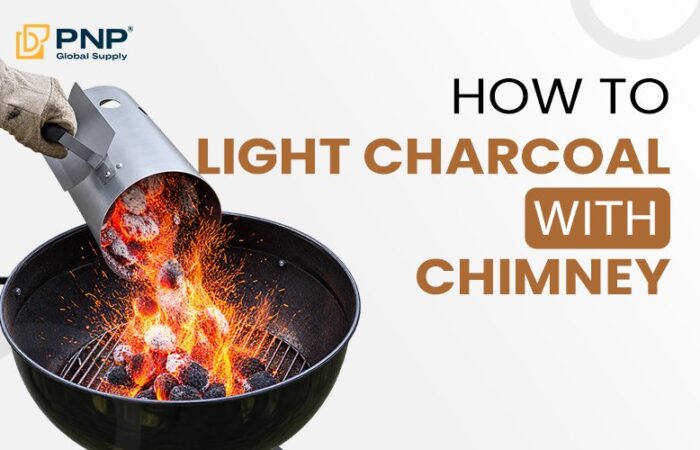
Using the right lighting method is essential for both safety and cooking quality. A chimney starter is widely considered the safest and most effective way to ignite charcoal because it uses natural airflow instead of chemical accelerants. Simply fill the chimney with charcoal, place natural fire starters or crumpled newspaper underneath, and light the paper. Within 15–20 minutes, the charcoal will be evenly ignited.
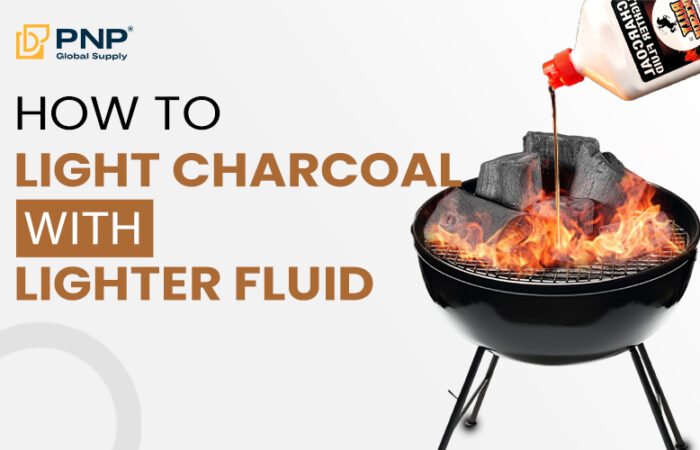
If a chimney starter isn’t available, dry kindling or eco-friendly fire starters are excellent alternatives. Avoid using excessive lighter fluid, as it may produce unpleasant odors, affect the flavor of your food, and create dangerous flare-ups. Choosing cleaner ignition methods results in a more enjoyable and consistent grilling experience.
Step 4: Wait Until the Charcoal Is Ready
Patience is one of the most important aspects of learning how to use charcoal effectively. Many beginners begin cooking immediately after the charcoal catches fire, but this often leads to uneven heat and excessive smoke.
Wait until most of the charcoal is covered with a thin layer of white-gray ash while the inside remains glowing red. At this stage, the charcoal has reached a stable temperature and will distribute heat more evenly across the grill. Depending on the charcoal type, weather conditions, and lighting method, this process usually takes 15–25 minutes. Starting to cook at the right time helps improve food quality while reducing flare-ups and unnecessary smoke.
Step 5: Control the Heat During Cooking
Maintaining a consistent temperature is just as important as lighting the charcoal correctly. Most charcoal grills include adjustable air vents that control the amount of oxygen entering the fire. Opening the vents increases airflow and raises the temperature, while partially closing them slows combustion and lowers the heat.
For longer grilling sessions, avoid adding a large amount of fresh charcoal at once, as this can cause sudden temperature spikes and uneven cooking. Instead, add a few pieces gradually whenever the heat begins to drop. Monitoring the charcoal throughout the cooking process allows you to maintain stable heat, improve fuel efficiency, and achieve better cooking results.
By following these five simple steps, you can confidently learn how to use charcoal at home safely, efficiently, and with consistently excellent grilling performance.
How Many kg of Charcoal Do You Need for a BBQ?
The amount of charcoal required depends on several factors, including the number of guests, cooking time, grill size, and charcoal type.
The following table provides a general estimate for kg charcoal BBQ requirements:
| BBQ Size | Estimated Charcoal |
|---|---|
| 2–3 people | 1–1.5 kg |
| 4–6 people | 2–3 kg |
| 8–10 people | 4–5 kg |
| Large BBQ party | 5–6 kg |
Keep in mind that long-burning briquettes typically require less fuel than lump charcoal over the same cooking period. If your BBQ lasts longer than two hours, preparing an additional 20–30% charcoal is recommended.
Learn more about how many charcoal briquettes to use in a grill for different grill sizes and cooking times: How Many Charcoal Briquettes to Use in a Grill?
Safety Tips When Using Charcoal at Home
Understanding how to use charcoal at home also means following proper safety practices.
- Never burn charcoal inside enclosed spaces such as rooms, garages, or tents, as it releases carbon monoxide.
- Keep children and pets away from the grill.
- Wear heat-resistant gloves when handling hot charcoal.
- Store charcoal in a dry place to prevent moisture absorption.
- Allow ashes to cool completely before disposing of them in a metal container.
Where to Buy High-Quality Charcoal
If you’re planning to buy charcoal for home cooking, retail, or wholesale distribution, choose a supplier that offers consistent quality, multiple charcoal options, and reliable packaging solutions.
PNP Charcoal supplies a wide range of export-quality hardwood charcoal, sawdust briquettes, coconut shell charcoal, and white charcoal. With stable product specifications and reliable bulk supply capacity, PNP Charcoal serves customers across international markets.
Looking for premium charcoal for home use or business? Contact PNP Charcoal today to find the right charcoal solution for your needs.
Conclusion
Knowing how to use charcoal properly helps improve cooking performance, maximize fuel efficiency, and ensure safety. By choosing the right charcoal, lighting it correctly, allowing it to reach the ideal cooking temperature, and managing airflow throughout the cooking process, you can enjoy better BBQ results every time.
Whether you’re planning a small family gathering or a larger cookout, estimating the appropriate kg charcoal BBQ requirement and choosing to buy charcoal from a trusted supplier will ensure consistent heat, reliable performance, and an enjoyable grilling experience.
Contact us for more information
Facebook: PNP Charcoal
Instagram: PNP Charcoal
Email: info@pnpglobalsupply.com