Grilling with charcoal is one of the most popular cooking methods because it creates a rich smoky flavor while delivering consistent heat throughout the cooking process. However, many people still wonder how many charcoal briquettes to use in a grill to achieve the best results. Using the right amount of charcoal is more important than many realize, as it directly affects cooking temperature, fuel efficiency, and the overall quality of your barbecue.
This guide explains how many charcoal briquettes to use in a grill, the factors that influence charcoal consumption, and how to maximize grilling performance.
How Many Charcoal Briquettes to Use in a Grill?
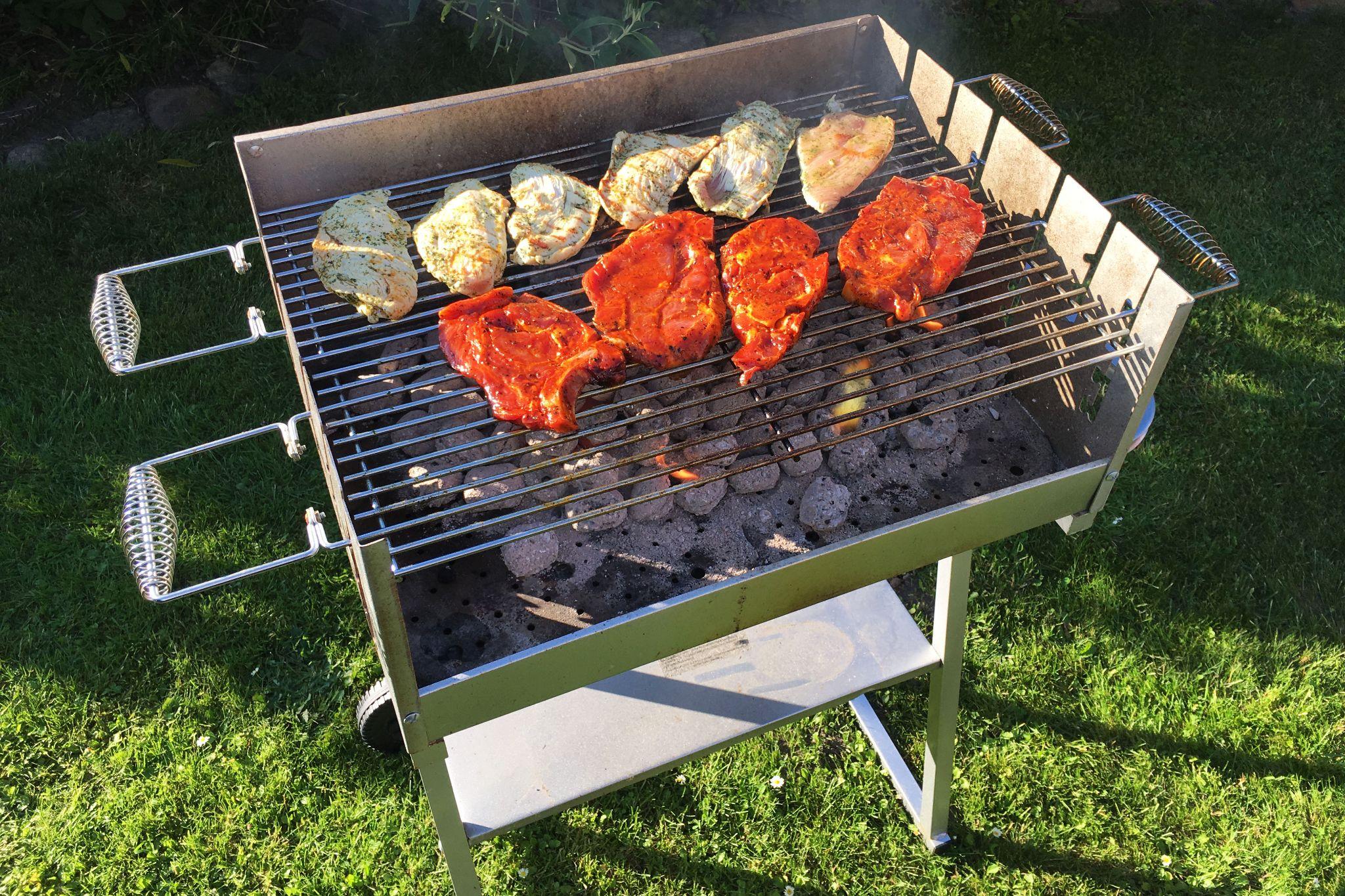
The amount of charcoal needed depends on your grill size, cooking temperature, and the type of food you plan to prepare. Instead of using the same amount for every grilling session, adjusting your charcoal based on these factors helps maintain consistent heat, improve fuel efficiency, and achieve better cooking results.
Charcoal Amount by Grill Size
Grill size is one of the first factors to consider when deciding how many charcoal briquettes to use in a grill.
For a small portable grill (30–40 cm), approximately 0.8–1.2 kg of BBQ briquettes is usually enough for a cooking session lasting 45–60 minutes. This amount is suitable for grilling burgers, hot dogs, seafood, vegetables, or meals for two to four people.
A medium kettle grill (47–57 cm) typically requires 1.5–2.5 kg of charcoal briquettes. This quantity provides enough heat to prepare several steaks, chicken pieces, burgers, sausages, and vegetables without needing to refill charcoal during normal grilling.
For a large charcoal grill or barrel smoker, you should prepare around 3–4 kg of briquettes. This amount is ideal for large family gatherings, restaurants, or outdoor BBQ parties where multiple batches of food are cooked continuously.
Charcoal Amount by Cooking Temperature
The cooking temperature also determines how much charcoal is required.
For low-temperature grilling or smoking (225–250°F / 107–121°C), approximately 2–3 kg of high-quality wooden briquettes is generally sufficient. This temperature range is commonly used for brisket, pork shoulder, ribs, and other slow-cooked BBQ dishes that require several hours of stable heat.
For medium-temperature cooking (300–350°F / 149–177°C), around 1.5–2 kg of BBQ briquettes is suitable for grilling chicken, pork chops, seafood, vegetables, and most everyday barbecue recipes.
When grilling at high temperatures (400–500°F / 204–260°C), you should prepare approximately 2–3 kg of fully ignited charcoal. This allows the grill to generate intense heat quickly, making it ideal for steaks, burgers, lamb chops, and other foods that require a fast sear.
Charcoal Amount by Food Type
Different foods require different cooking times, which directly affects charcoal consumption.
Quick-cooking foods such as burgers, hot dogs, seafood, and vegetables usually require around 1–1.5 kg of charcoal because they can be fully cooked within 15–30 minutes.
Chicken, pork chops, and thicker steaks generally require 1.5–2 kg of briquettes to maintain stable heat throughout the cooking process.
Large cuts of meat, including whole chickens, beef brisket, pork shoulder, and beef ribs, often require 3–6 kg of charcoal depending on the cooking time. For recipes that take several hours, additional briquettes should be added gradually to maintain consistent temperatures instead of adding all the charcoal at once.
Is It Better to Measure Charcoal by Weight or Number of Briquettes?
Although many grilling guides mention the number of briquettes, measuring charcoal by weight is often more practical. Briquette sizes vary between manufacturers, so the same number of briquettes may not always produce the same amount of heat.
For consistent grilling results, especially in restaurants and commercial BBQ operations, estimating charcoal in kilograms provides better accuracy and makes fuel planning much easier.
To learn more about how to determine the right amount of charcoal for different types of grills, read our complete guide here: How to Choose the Right BBQ Charcoal Grill for Each Type of Charcoal
Factors That Affect the Number of Charcoal Briquettes You Need
Several factors determine how many charcoal briquettes to use in a grill, and understanding these variables can help you manage your fuel more efficiently.
Grill Size and Design
The size of your grill is one of the biggest factors affecting charcoal consumption. Larger grills require more fuel to heat the entire cooking surface, while compact portable grills can reach the desired temperature with far fewer briquettes.
Grill design also influences heat retention. Well-insulated grills maintain stable temperatures for longer periods, reducing the amount of charcoal needed throughout the cooking process. In contrast, open grills or thinner metal grills lose heat more quickly and may require additional fuel to maintain consistent cooking conditions.
Type of Charcoal
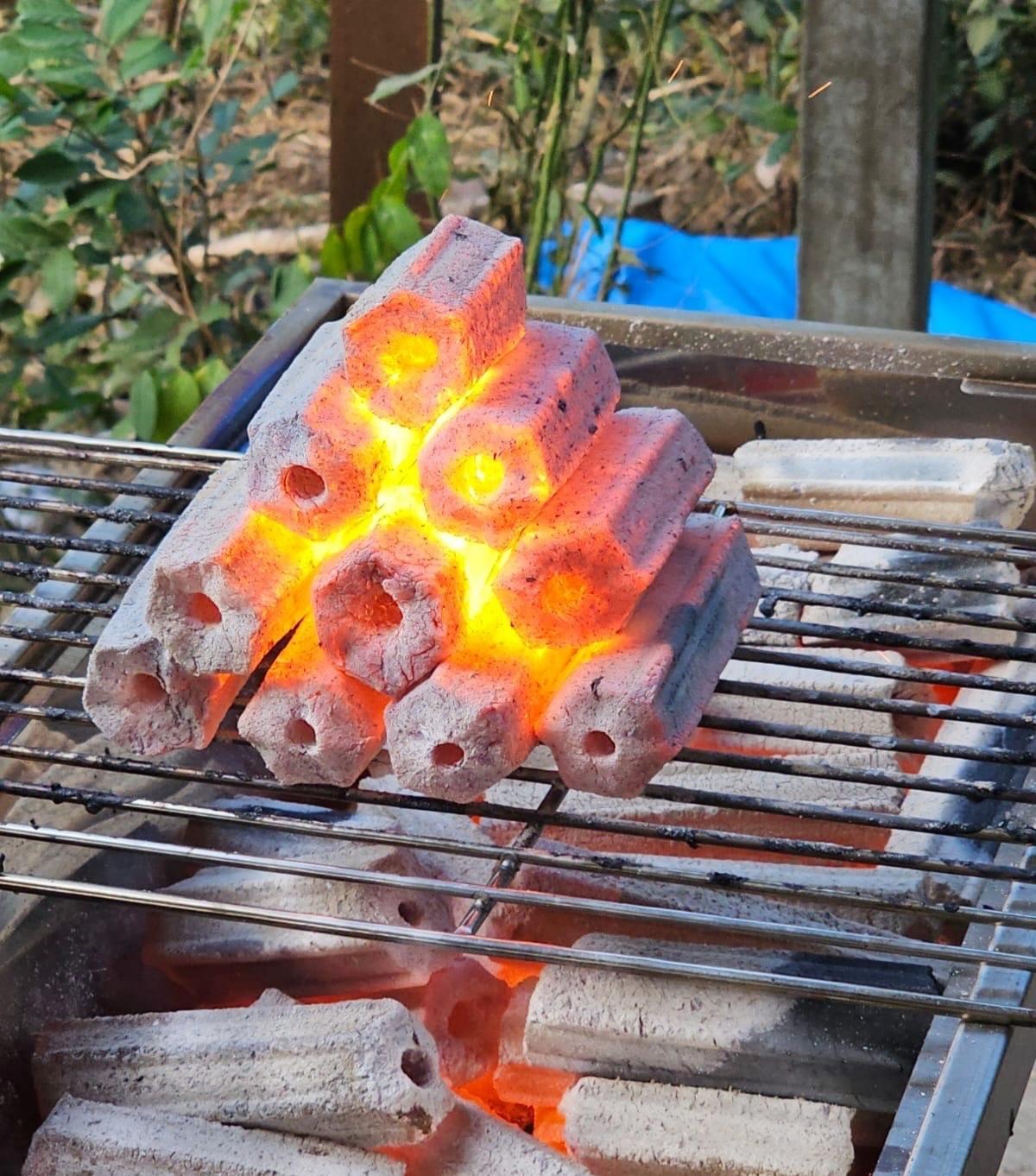
Not all charcoal products perform the same way. Traditional BBQ briquettes are designed to burn evenly and provide stable temperatures, making them a preferred choice for both home grilling and commercial barbecue operations.
Many restaurants and professional users also choose wooden briquettes because they offer consistent heat output, longer burning performance, and lower ash production. Their uniform size allows charcoal to burn more evenly, making temperature management much easier during extended grilling sessions.
Compared with lump charcoal, briquettes generally provide more predictable performance. Although lump charcoal burns hotter, it often burns faster and varies in size, making it slightly more challenging to maintain consistent cooking temperatures for longer recipes.
Weather Conditions
Outdoor weather can significantly affect charcoal consumption. Wind increases airflow inside the grill, causing charcoal to burn faster than normal. Cold temperatures require more fuel to compensate for heat loss, while high humidity may slightly reduce ignition efficiency if charcoal has absorbed moisture during storage.
For this reason, storing charcoal in a dry environment and protecting the grill from strong winds can improve fuel efficiency and help maintain stable cooking temperatures.
Cooking Time
The longer your cooking session lasts, the more charcoal you will need. Quick grilling recipes that take less than thirty minutes usually require only one batch of briquettes. However, slow-cooked barbecue may require additional charcoal to maintain heat throughout the entire cooking process.
Instead of adding a large amount of charcoal all at once, experienced grillers typically replenish small amounts whenever the temperature begins to drop. This method prevents sudden heat fluctuations and keeps food cooking evenly without interruption.
Where to Buy Charcoal for Cooking
Finding a reliable supplier is just as important as knowing how many charcoal briquettes to use in a grill. High-quality charcoal provides more consistent heat, cleaner combustion, and longer charcoal burning time, making every grilling session more efficient.
When searching for where to buy charcoal for cooking, buyers should look for manufacturers that provide detailed product specifications, stable product quality, and consistent supply capacity. For restaurants, distributors, wholesalers, and importers, working directly with an experienced manufacturer also ensures better pricing and reliable long-term partnerships.
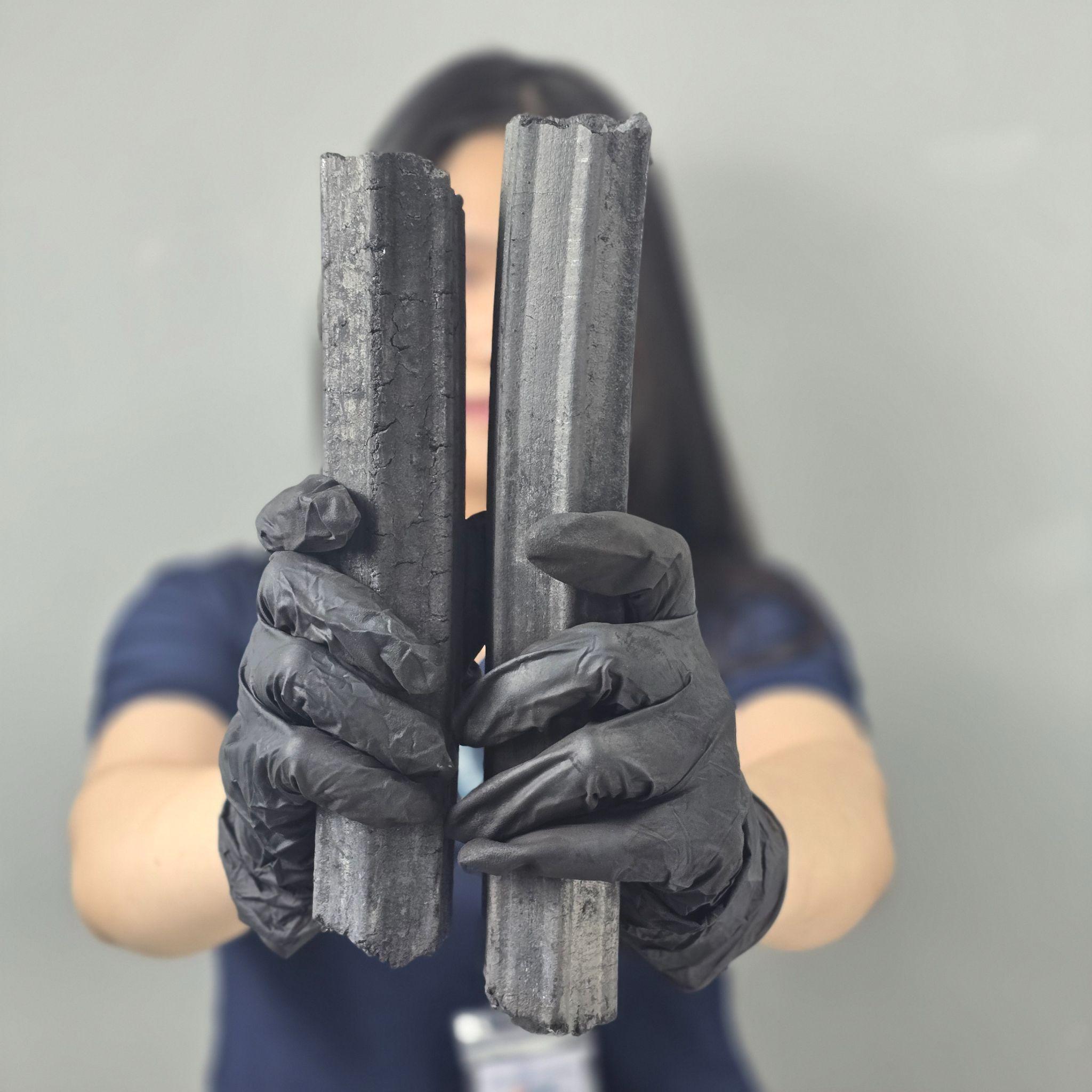
As one of Vietnam’s leading charcoal manufacturers and exporters, PNP Charcoal supplies premium wooden briquettes and other BBQ charcoal products to customers worldwide. Manufactured from carefully selected raw materials and produced under strict quality control, PNP’s charcoal products deliver stable heat, long burning performance, low ash content, and consistent quality suitable for both household and commercial applications.
With flexible packaging options, large production capacity, and extensive export experience, PNP Charcoal has become a trusted partner for importers, distributors, supermarkets, restaurants, and BBQ businesses across international markets.
Conclusion
Knowing how many charcoal briquettes to use in a grill helps you achieve better heat control, improve fuel efficiency, and cook food more evenly. Although the exact number of briquettes depends on your grill size, cooking temperature, food type, and grilling duration, understanding these factors allows you to make better decisions for every BBQ session.
If you’re looking for where to buy charcoal for cooking, PNP Charcoal offers reliable charcoal solutions for global customers. From premium wooden briquettes to a wide range of BBQ charcoal products, we are committed to delivering consistent quality, stable supply, and professional export services to meet your business needs.
——————————————————————–
Contact us for more information
Facebook: PNP Charcoal
Instagram: PNP Charcoal
Email: info@pnpglobalsupply.com