Grilling with charcoal remains one of the most trusted cooking methods worldwide, especially in BBQ culture where heat intensity and smoky flavor define the final taste. Yet, while many people assume grilling charcoal is simply about lighting fire and placing food on a grate, the reality is far more technical. Understanding how to grill charcoal properly requires knowledge of combustion behavior, heat management, fuel quality, and even sourcing strategy.
For businesses and buyers, especially those working with export-grade BBQ products such as PNP Charcoal, grilling is also closely connected to procurement decisions like selecting reliable charcoal suppliers, evaluating charcoal price per kg, and deciding when and where to buy charcoal in bulk.
This article breaks down the entire process in a structured, practical way while keeping a strong focus on real-world BBQ performance and supply chain considerations.
The Science Behind How Charcoal Works in Grilling
To understand how to grill charcoal effectively, it is important to understand what charcoal actually is and how it behaves under heat. Charcoal is produced through a controlled carbonization process where wood is heated in a low-oxygen environment. This process removes moisture, tar, and volatile compounds, leaving behind mostly carbon.
Because of this structure, charcoal burns at significantly higher temperatures than raw wood and produces a more stable heat source. Depending on the type, grilling charcoal can reach temperatures between 600°C and 900°C. This high heat is what allows steak searing, fast grilling of skewers, and even slow roasting when heat is controlled properly.
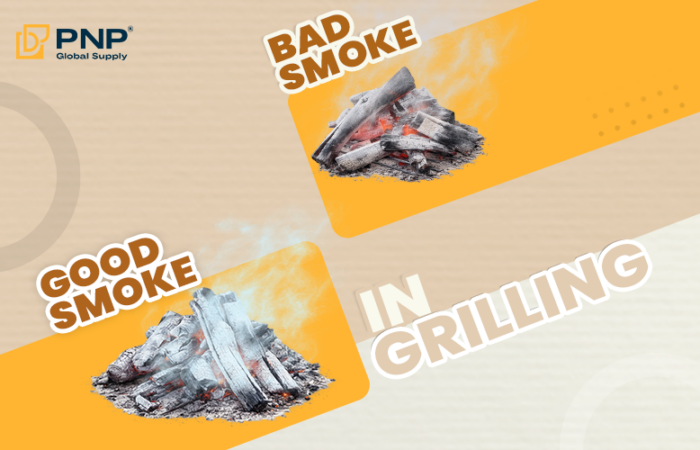
However, heat alone is not enough. The way oxygen interacts with charcoal determines whether it burns efficiently or wastes fuel. Too much oxygen causes fast burnout, while too little oxygen leads to incomplete combustion and heavy smoke. This balance is the foundation of charcoal grilling technique.
Why Charcoal Quality Changes Everything in Grilling Performance
Even if the technique is correct, low-quality charcoal can ruin the entire grilling experience. This is why professional chefs and importers pay close attention to sourcing from reliable charcoal suppliers who can guarantee stable composition and consistent burn performance.
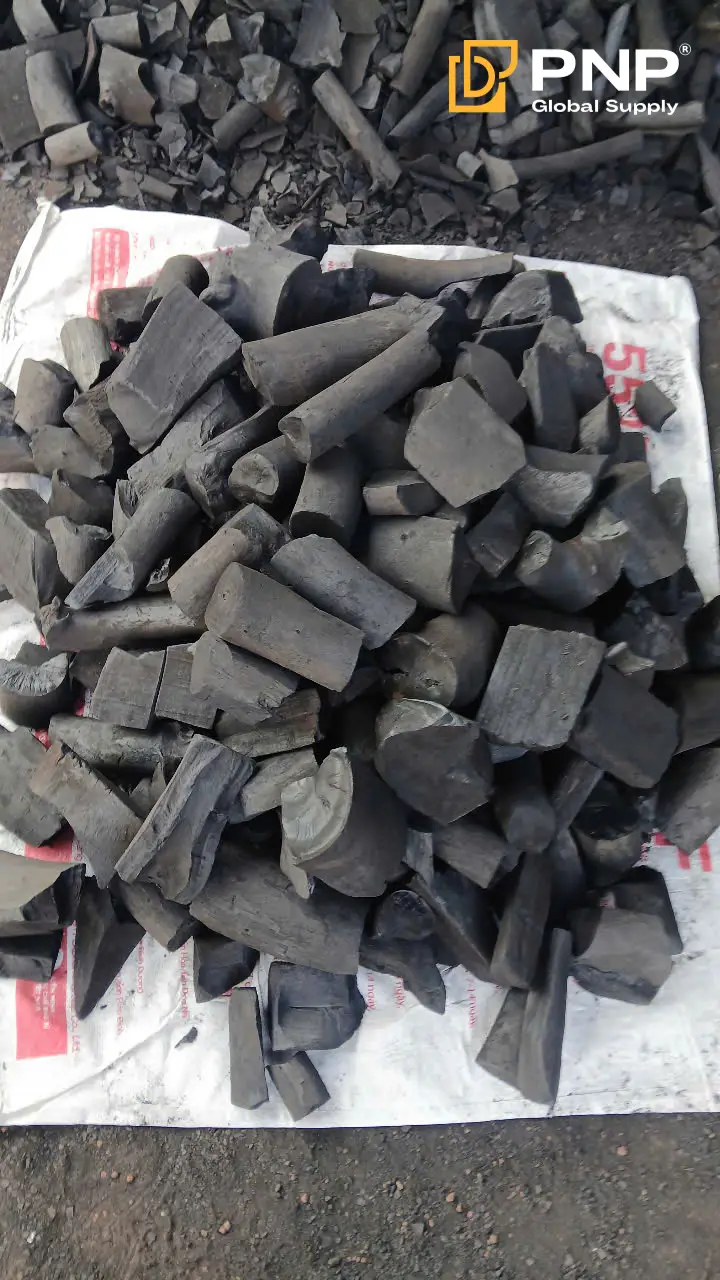
High-quality BBQ charcoal usually contains a high fixed carbon percentage, often between 60% and 75%, depending on raw material. For example, coconut shell charcoal and coffee wood charcoal are known for their density and long burn time, making them popular in export markets. Hardwood lump charcoal, on the other hand, is preferred for its quick ignition and high heat spike, which is ideal for fast grilling.
Moisture content is another critical factor. If charcoal contains too much moisture, it becomes difficult to ignite and produces unstable heat. In professional BBQ supply chains, moisture is often controlled below 8% to ensure predictable performance.
Ash content also matters because high ash buildup can block airflow inside the grill, reducing combustion efficiency. This is particularly important in commercial kitchens where grills operate continuously for hours.
Step-by-Step Logic of How to Grill Charcoal Efficiently
Although charcoal grilling may seem simple, consistent results depend on following a clear step-by-step process. Each step plays an important role in controlling heat, flavor, and cooking performance.
Step 1: Arrange and ignite the charcoal properly
Start by stacking charcoal in a compact pile or pyramid shape instead of spreading it randomly. This structure allows better airflow from the bottom, helping the fire ignite faster and burn more evenly. Natural fire starters or a chimney starter are recommended because they help avoid chemical odors that can affect the taste of food.
Step 2: Wait for the stabilization phase
After ignition, allow the flames to develop and gradually settle down. During this stage, the charcoal will begin to turn gray-white as a layer of ash forms on the surface. This indicates that the heat is becoming stable. Cooking too early at this stage often results in uneven heat and poorly cooked food.
Step 3: Set up heat zones for cooking control
Once the charcoal is ready, organize it into different heat zones inside the grill. Place more charcoal on one side for direct high heat, while leaving the other side with less or no charcoal for indirect cooking. This setup allows better control over cooking speed and helps prevent burning, especially for larger or thicker cuts of meat.
Step 4: Control airflow during grilling
Adjust the bottom and top vents of the grill to regulate oxygen flow. More oxygen increases heat intensity, while reducing airflow helps lower the temperature. Small adjustments can make a big difference in cooking performance, so airflow control is essential for maintaining stable heat.
Step 5: Monitor and adjust heat throughout cooking
During the grilling process, continuously observe the heat level and food condition. If the temperature drops, gently adjust airflow or add more charcoal if needed. If the heat is too strong, reduce oxygen intake or move food to the cooler zone. This final step ensures consistent cooking results from start to finish.
Learn more about: Easiest Way to Light Charcoal for Skewer Grilling
How to Buy Charcoal from Reliable Suppliers
Choosing where to buy charcoal is not just a procurement decision but a quality control strategy. A reliable supplier ensures that every batch meets the same standards in terms of size, density, burn time, and moisture level.
Professional charcoal suppliers typically provide detailed technical specifications rather than just product descriptions. These may include fixed carbon content, calorific value, ash percentage, and moisture level. In export markets, packaging quality and transport stability are also essential because charcoal can easily absorb moisture during shipping if not properly sealed.
Vietnam has become one of the key sourcing hubs for BBQ charcoal due to its strong production base in coconut, mangrove, and coffee wood materials. Companies like PNP Charcoal focus on large-scale export supply, ensuring consistent production across container shipments for markets in the Middle East, Europe, and Asia.
For buyers, working directly with manufacturers instead of intermediaries often provides better control over pricing and product customization, especially when negotiating long-term contracts or private-label packaging.
Common Challenges When Learning How to Grill Charcoal
One of the most common challenges is inconsistent heat. This usually happens when charcoal is not fully ignited before cooking begins. Another frequent issue is overloading the grill, which restricts oxygen flow and results in incomplete combustion.
Many users also underestimate the importance of charcoal quality. Even with perfect technique, low-grade charcoal can produce unstable heat, excessive smoke, and shorter burn duration. This is why experienced users prefer sourcing from established suppliers rather than choosing based only on price.
Another challenge is fuel efficiency. Without proper heat zoning, users tend to consume more charcoal than necessary. Over time, this increases operating costs, especially in commercial BBQ environments.
Why Supplier Choice Impacts Grilling Results
In professional BBQ supply chains, performance consistency is more important than individual grilling technique. Even the best chef cannot compensate for poor fuel quality. This is why selecting trusted charcoal suppliers plays a central role in long-term BBQ success.
Stable production processes ensure that every batch of charcoal behaves the same way under heat. This consistency allows restaurants, distributors, and importers to standardize cooking procedures and reduce operational risk.
For buyers who frequently evaluate charcoal price per kg, it is important to understand that lower price does not always mean better value. A slightly higher-cost product with better efficiency often reduces total consumption and improves cooking outcomes.
Achieve better grilling results with PNP Charcoal’s premium-quality charcoal. Visit us at PNP Charcoal to explore our high-performance BBQ charcoal solutions and find the right product for your business.
Conclusion
Learning how to grill charcoal is not just about fire control—it is about understanding material science, heat behavior, and supply chain quality. From ignition techniques to heat zoning, every step affects the final cooking result.
At the same time, for importers and food businesses, grilling performance is directly connected to sourcing decisions. Evaluating charcoal suppliers, analyzing charcoal price per kg, and choosing the right moment to buy charcoal are all part of a larger operational strategy.
With a focus on consistent quality and export-grade production, PNP Charcoal supports global BBQ markets by delivering stable, high-performance charcoal that ensures both cooking efficiency and cost optimization.
Ultimately, great BBQ is not only created at the grill—it begins with the right charcoal in your supply chain.
________________________________
Contact us for more information
Facebook: PNP Charcoal
Instagram: PNP Charcoal
Email: info@pnpglobalsupply.com