Making charcoal can take a few hours in certain small drum systems, several days in transportable metal kilns, or weeks in larger traditional installations. However, heating time is only part of the process. Wood preparation, cooling, sorting and packing also affect when the charcoal is ready for sale. For importers, wholesalers and restaurant suppliers, understanding these stages helps explain why a kiln cycle and an order time are not the same.
How Long to Make Charcoal in Different Kilns?
There is no single production time that applies to every charcoal factory. A small batch of prepared wood behaves differently from a large kiln filled with thick logs. Kiln construction, wood moisture, airflow and cooling conditions all influence the schedule.
The Food and Agriculture Organization of the United Nations (FAO) documents several examples that show this variation. These are reference operating schedules for particular systems, not guaranteed production times for every manufacturer.
Small Drum Kilns: A Few Hours Under Specific Conditions
FAO describes oil-drum systems with a carbonization period of about two to three hours, followed by approximately three hours of cooling. However, this example uses small, prepared raw materials and has important limitations.
The same source notes that dense hardwood can be difficult to carbonize completely in these drums. Cutting and preparing the material also requires additional work. A short drum-kiln cycle should therefore not be used as the expected production time for commercial hardwood charcoal or export orders.
Transportable Metal Kilns: Around Two to Three Days
For the transportable metal kilns discussed in its guide, FAO gives a total production cycle of approximately two to three days.
This is a kiln-cycle reference, not a complete timeline from freshly cut wood to packed charcoal. Wood preparation and seasoning take place separately, while grading, packing and order preparation may follow unloading.
A shorter cycle is useful only when the equipment and operating conditions still allow the material to carbonize properly and cool safely.
Brick Kilns: Longer Cycles Depending on Design
Brick kilns retain heat differently and operate with different batch sizes. FAO describes a complete cycle of approximately 13–14 days for one Argentine half-orange kiln example.
That figure belongs to a particular kiln design and operating schedule. It should not be presented as a universal answer for all brick kilns, all wood species or all factories.
Large Earth Kilns: Some Cycles Extend to Several Weeks
Traditional earth systems can also require substantial time. FAO documents a large Swedish earth kiln example with a 24-day cycle, including charging, carbonization, cooling and discharge.
Smaller earth mounds can operate differently. The important distinction is whether a quoted duration covers only carbonization or the entire production cycle.
What Happens During Charcoal Preparation and Production?
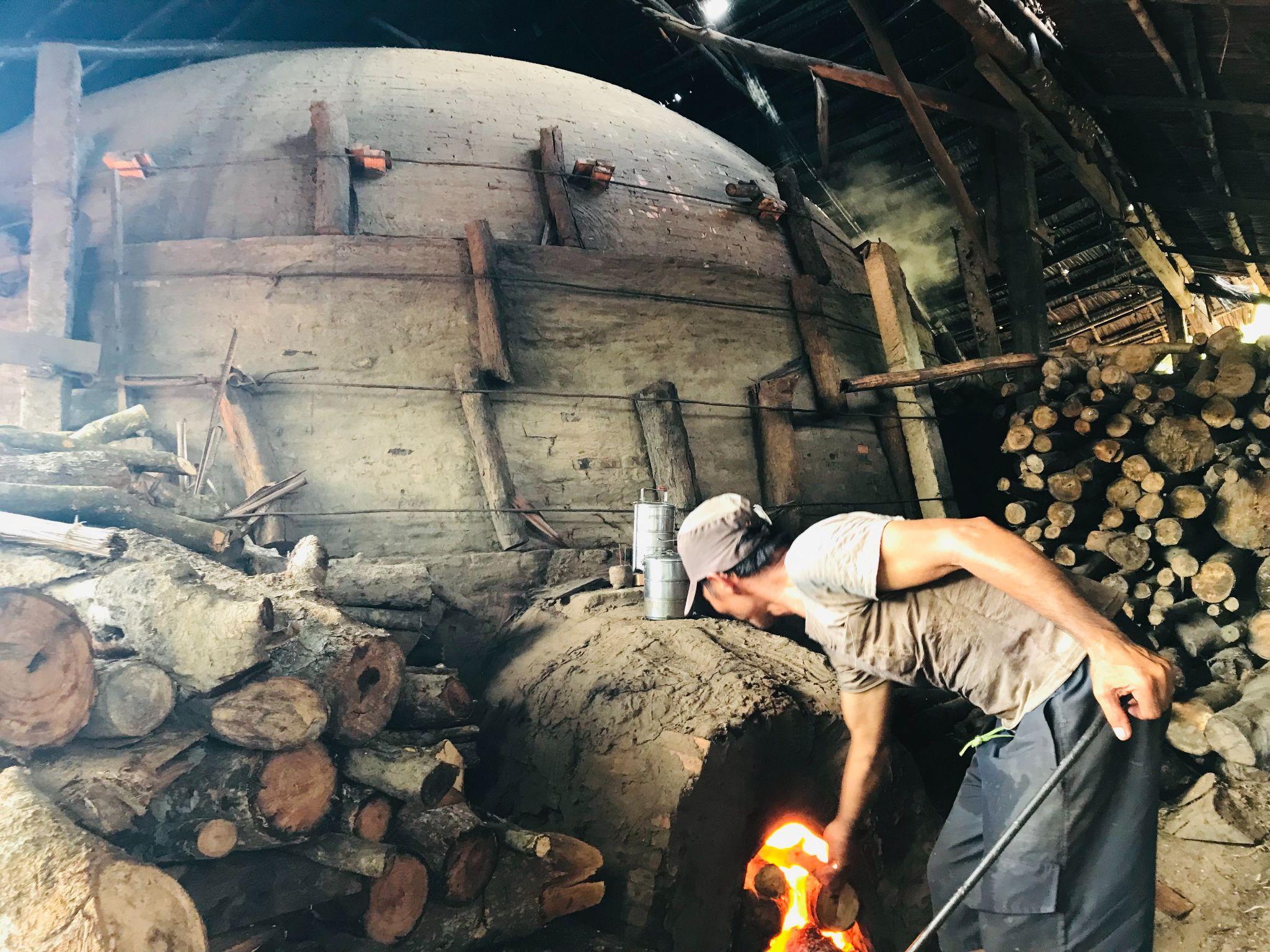
To understand the full schedule, it helps to separate the work into production stages. Manufacturers create charcoal by heating suitable raw material under controlled, limited-oxygen conditions rather than allowing it to burn completely into ash.
Step 1: Select and Prepare the Wood
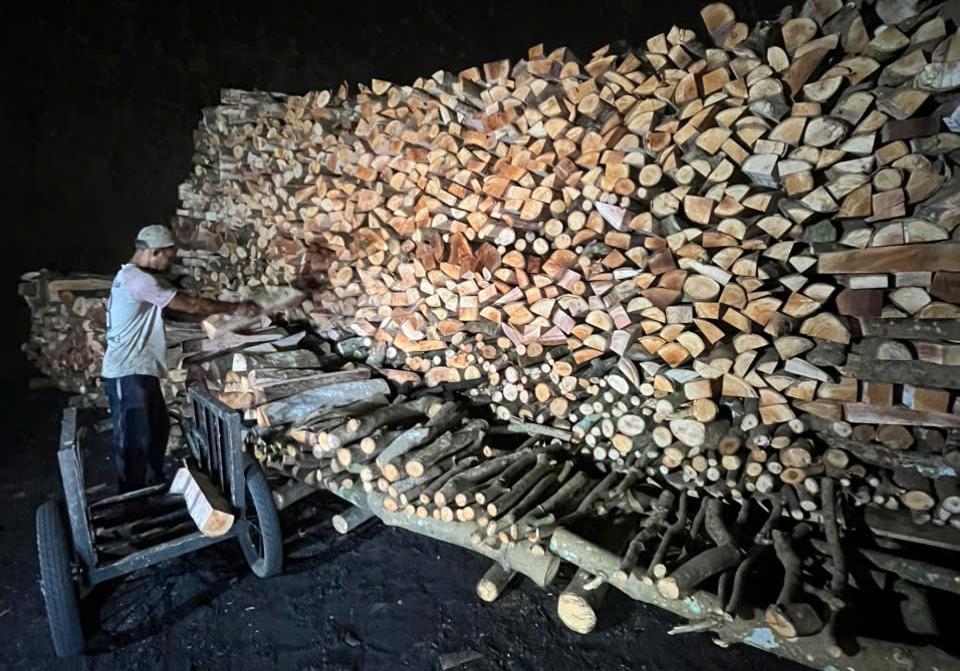
Charcoal preparation starts with selecting suitable raw material, cutting it to workable dimensions and managing its moisture before kiln loading.
Fresh wood contains water that must be removed during drying or heating. Wetter material places an additional drying demand on the kiln. Large differences in log diameter can also make a batch harder to process evenly.
Preparation may therefore begin well before the kiln is lit. For example, FAO recommends at least three weeks of seasoning for wood used in the transportable metal-kiln system it describes. This is a system-specific recommendation, not a fixed drying period for every climate or wood type.
Step 2: Load the Charcoal Making Kiln
Loading a charcoal making kiln is more than filling the available space. The arrangement must suit the equipment and allow heat and gases to move through the charge.
Poor loading can contribute to uneven treatment, leaving some pieces incompletely carbonized while other areas become overheated. Consistent material preparation and suitable loading help operators manage the batch more effectively.
Loading time also belongs in the production schedule, especially for larger installations that handle substantial quantities of wood.
Step 3: Heat and Carbonize the Material
During the initial heating stage, moisture is driven off. As the process develops, the wood decomposes and leaves a carbon-rich solid.
Operators manage the kiln according to its design, the raw material and the progress of the batch. Simply increasing airflow to make the process faster is not a reliable shortcut: excessive oxygen can consume useful charcoal instead of preserving it.
The time required depends on how effectively heat reaches the material throughout the kiln—not just how hot one part of the chamber becomes.
Step 4: Cool Before Unloading
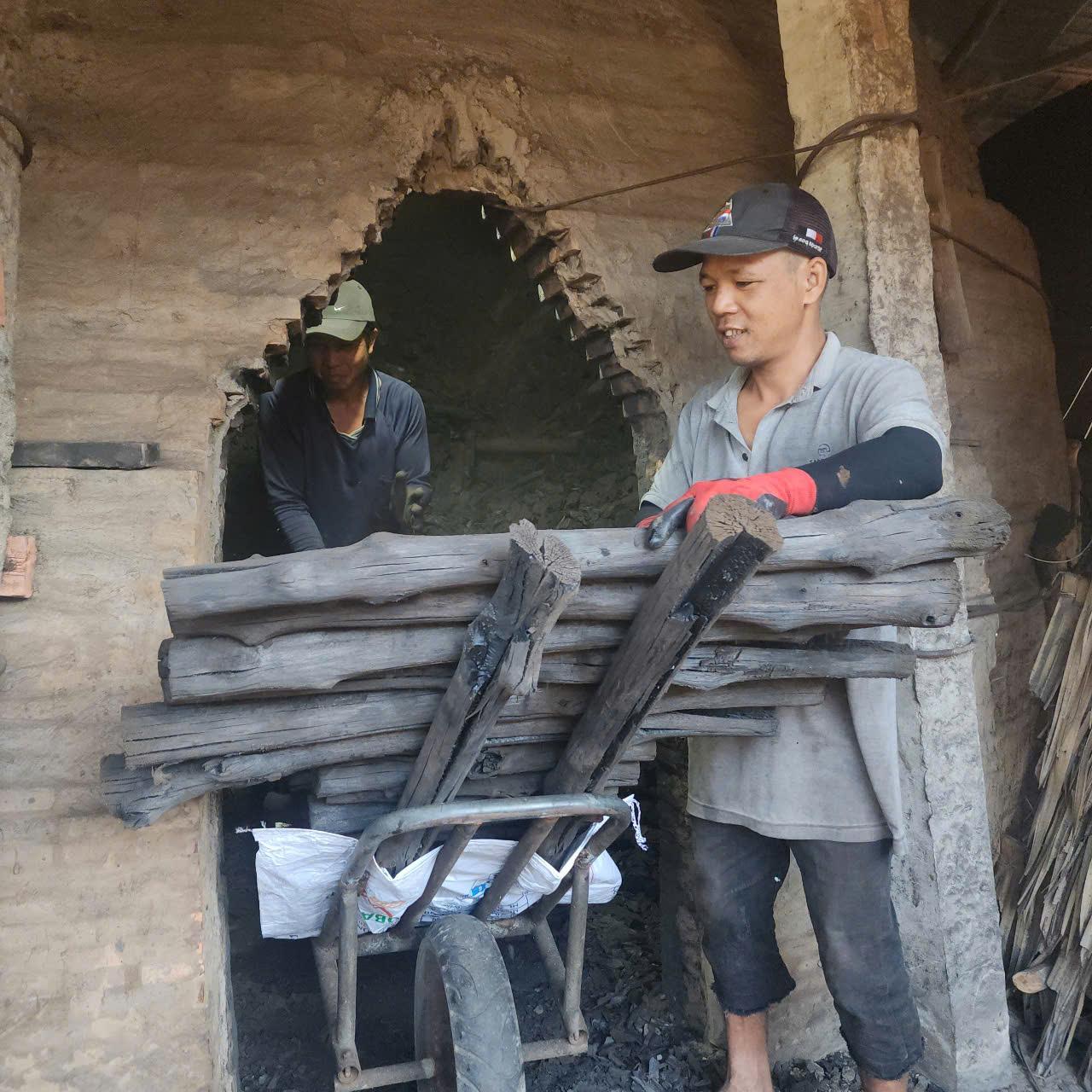
Cooling is an essential production stage. Hot charcoal can reignite when exposed to air, so a completed carbonization stage does not mean the batch is immediately ready for unloading or packing.
FAO’s kiln examples show that cooling can occupy a significant share of the total cycle. The required conditions depend on the kiln, batch size and operating procedure.
These reference schedules are not DIY operating instructions. Commercial production requires trained operators, suitable fire controls and procedures for managing hot charcoal and hazardous gases.
Step 5: Sort, Grade and Pack
After safe cooling and unloading, charcoal lumps are separated from unsuitable material and sorted according to the required size and condition.
Screening, cutting where applicable, inspection and packing add time beyond the heating stage. A buyer requesting a specific size range or retail packaging may need a different preparation schedule from a buyer ordering standard bulk packing.
Why Does Production Time Vary Between Batches?
Wood Moisture and Piece Size
Moisture and dimensions are two important reasons why similar-looking batches can follow different schedules.
Wet wood requires more drying within the process. Thick pieces also require suitable conditions for heat to reach their centres. If the material varies widely in size, the outside appearance of smaller pieces may not reflect the condition of larger logs.
Good preparation helps reduce these differences, but it does not eliminate the need to monitor each batch.
Kiln Capacity and Heat Management
A larger kiln does not automatically mean faster production. It may process more wood at once while requiring a longer loading, heating or cooling period.
Kiln insulation, sealing, gas circulation and equipment condition also matter. FAO identifies restricted gas flow as one cause of prolonged charring in transportable metal kilns.
Production efficiency should therefore be assessed through usable output and consistent quality—not by the shortest advertised heating time alone.
Raw Material and Product Requirements
Different wood materials require suitable preparation and operating conditions. A schedule used for small, fast-carbonizing material should not automatically be applied to dense hardwood logs.
For mangrove charcoal, buyers should request the manufacturer’s actual batch schedule rather than assume that a general metal-kiln or brick-kiln example applies. Relevant details include the wood dimensions, moisture condition, kiln system and whether the quoted time includes cooling.
The final product specification matters too. Size grading and packing requirements can affect how quickly finished goods are ready after production.
Does Faster Charcoal Production Mean Better Quality?
A shorter cycle is not proof of better charcoal. Equally, a longer cycle does not automatically guarantee a superior product.
The objective is to produce charcoal that meets the intended specification without incomplete carbonization, excessive material loss or unsafe handling. Buyers should assess the finished product through practical evidence, including its structure, moisture, ignition behaviour, heat stability, smoke and ash.
Production time and burning time must also remain separate. A batch that takes many days to manufacture does not necessarily burn longer than a batch made in a different kiln.
For a more detailed evaluation, read PNP Charcoal’s guide on how to check charcoal quality before placing a bulk order.
How Does Production Time Affect Bulk Orders and Prices?
Kiln Time Is Not the Same as Order Lead Time
An order may be supplied from existing stock, newly produced material or a combination of both. Its preparation schedule can include production planning, cooling, grading, packaging and other agreed checks.
When searching for a “charcoal factory near me,” buyers should look beyond distance. A nearby factory may still need time to prepare the required grade and packing, while another supplier may already hold suitable finished stock.
Ask whether the quoted lead time starts from order confirmation, deposit receipt, packaging approval or another agreed milestone. This avoids comparing schedules that begin at different points.
Compare Charcoal Quotations, Not Coal Benchmarks
A search for “coal price today” may return mineral-coal prices rather than wood-charcoal quotations. Coal and charcoal are different fuels, so those results are not a direct price benchmark for lump charcoal.
Charcoal pricing should be compared using the same product type, size range, quality requirements, packing, quantity and delivery terms.
A longer production cycle can affect operating costs and stock planning, but it does not determine the selling price by itself. Buyers should request a current quotation for the actual product instead of relying on a generic fuel-price result.
Choosing Charcoal from PNP Charcoal
PNP Charcoal supplies wood-charcoal and briquette options for BBQ, restaurant, wholesale and distribution needs. Buyers can discuss product type, size, packing and sample evaluation before confirming a bulk purchase.
For order planning, share your required charcoal type, quantity, packaging and destination. Confirm stock availability and the preparation schedule for that specific order rather than treating a general kiln-cycle estimate as a delivery promise.
Visit PNP Charcoal to explore product options and discuss your requirements.
Conclusion
The answer to how long to make charcoal depends on the production system and the stages being counted. Some documented metal-kiln cycles take two to three days, while larger traditional systems can take weeks. Wood preparation and post-production handling add further time.
For bulk purchases, confirm both the production process and the actual order-ready date. Contact PNP Charcoal to discuss product specifications, packing and your supply schedule.
Contact us for more information
Facebook: PNP Charcoal
Instagram: PNP Charcoal
Email: info@pnpglobalsupply.com