When people hear the word charcoal, they often think about delicious barbecue meals or outdoor grilling. While cooking remains one of its most popular applications, the uses of charcoal have expanded far beyond the BBQ industry. Today, charcoal is used in gardening, water filtration, odor control, agriculture, and even environmental projects.
As consumers become more conscious of sustainability, natural charcoal has gained attention as an eco-friendly material that offers practical benefits without relying on harsh chemicals. Its ability to generate heat, absorb moisture, and improve soil quality makes it a versatile solution for both households and businesses.
For charcoal manufacturers like PNP Charcoal, this versatility also reflects the growing demand from international markets. Buyers are no longer looking only for cooking charcoal—they are searching for products that serve different purposes while maintaining high quality and environmental responsibility.
In this guide, we'll explore the most common uses of charcoal, explain why it remains one of nature's most useful materials, and help you choose the right type of charcoal for your needs.
What Makes Natural Charcoal So Useful?
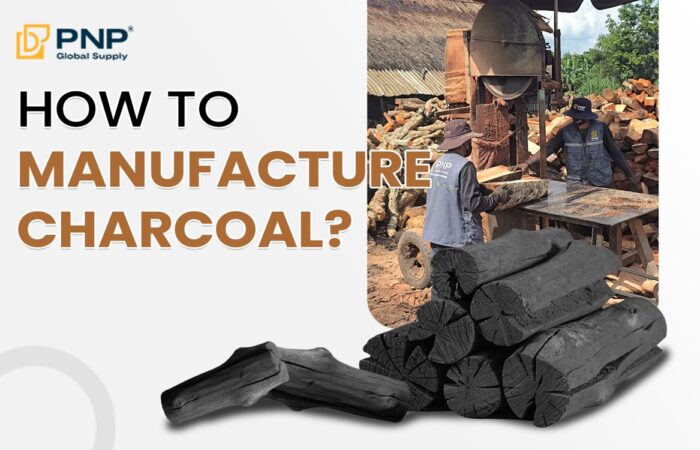
The popularity of natural charcoal comes from its simple yet remarkable characteristics. Produced by carbonizing wood or other biomass under controlled conditions, charcoal becomes lightweight, durable, and rich in carbon. More importantly, it develops countless tiny pores that give it unique properties suitable for many different applications.
One of its greatest strengths is its ability to burn at high temperatures while producing relatively little smoke and ash. This is why premium hardwood charcoal remains the preferred choice for restaurants, barbecue enthusiasts, and professional chefs around the world.
At the same time, charcoal's porous structure allows it to absorb moisture, odors, and certain impurities. Although activated charcoal is specially processed for advanced filtration, natural charcoal also offers useful adsorption properties that make it suitable for everyday applications around the home and garden.
Another reason charcoal continues to grow in popularity is its sustainability. When produced from responsibly managed forests or renewable materials, charcoal becomes a renewable energy source with a lower environmental impact than many fossil fuels. Manufacturers like PNP Charcoal also utilize carefully selected hardwood species to ensure consistent quality while supporting responsible production practices.
These characteristics make charcoal much more than a cooking fuel—they make it a valuable natural material for modern living.
Popular Uses of Charcoal in Everyday Life
The growing demand for charcoal comes from its ability to solve everyday problems in simple and natural ways. Whether you're preparing food, caring for your garden, or improving your home environment, charcoal offers practical solutions that have been trusted for generations.
Charcoal for BBQ and Outdoor Cooking
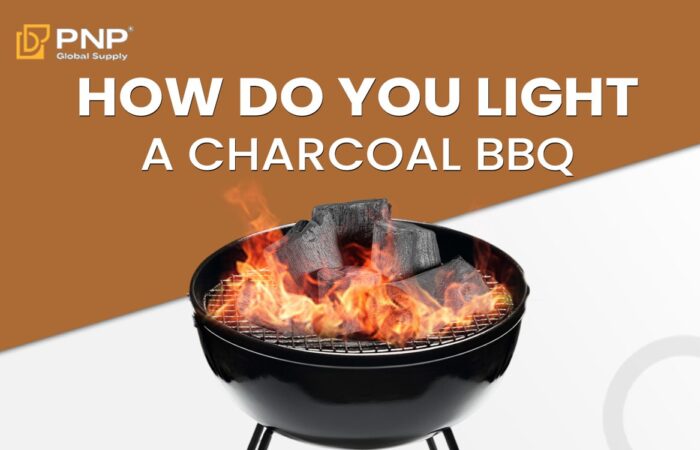
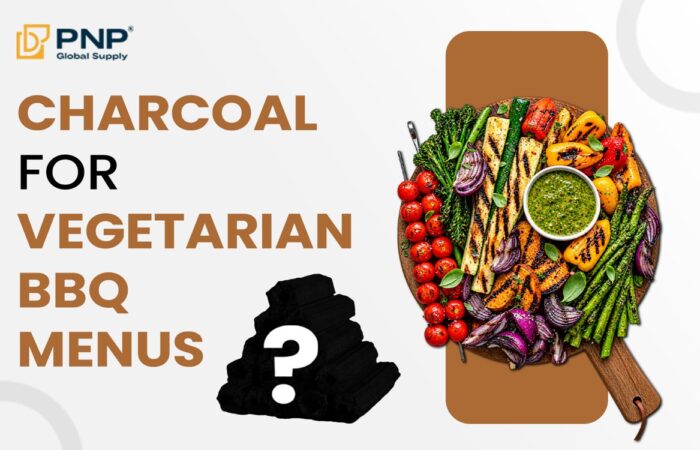
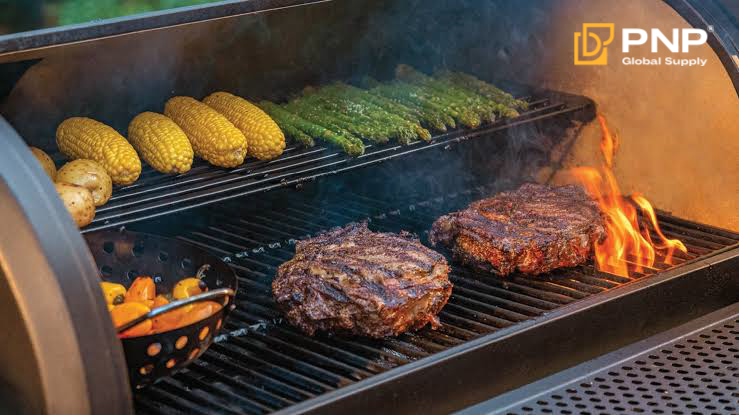
Without question, grilling remains one of the best-known uses of charcoal. Compared with gas or electric grills, charcoal creates the distinctive smoky aroma that many people associate with authentic barbecue. It also reaches higher temperatures, making it ideal for searing steaks, grilling seafood, and cooking vegetables while preserving their natural flavors.
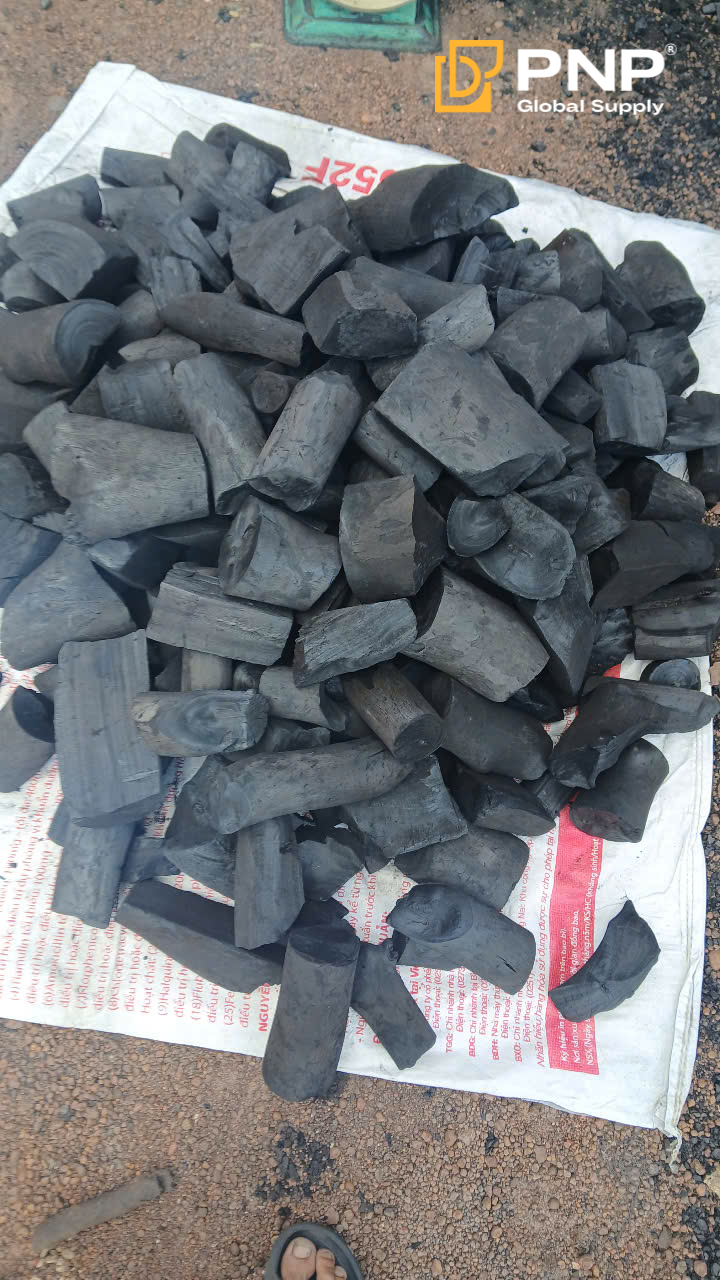
Different types of charcoal are designed for different cooking styles. For example, Mangrove Charcoal is known for its long burning time and stable heat, making it popular among restaurants and professional BBQ businesses. Coffee Charcoal offers consistent performance with low smoke, while White Charcoal is valued for its exceptionally high heat and long-lasting combustion. Kaya Charcoal is another excellent option for customers who require durable charcoal for commercial grilling.
Because of these qualities, Vietnamese charcoal has become a trusted choice for importers across Europe, the Middle East, Japan, and South Korea. High-quality charcoal not only improves cooking performance but also helps businesses reduce fuel consumption through longer burning times and greater efficiency.
Charcoal Water Filter Applications
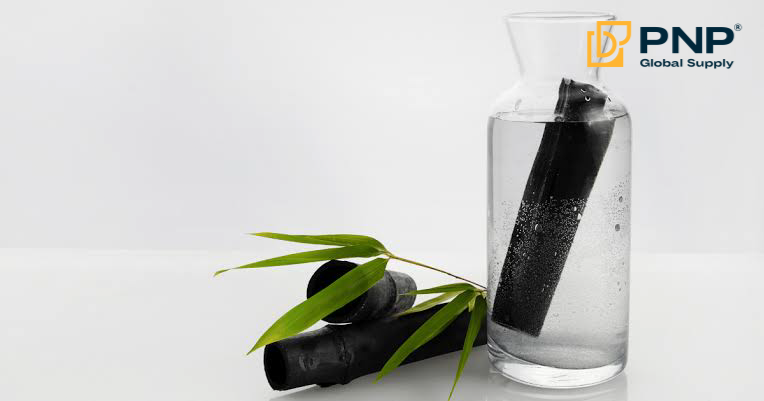
Another increasingly popular use is the charcoal water filter. Water often contains impurities that affect its taste and odor. Charcoal's natural adsorption properties allow it to trap certain contaminants, helping improve water quality before it is used for drinking, cooking, or household purposes.
While activated charcoal is commonly used in modern filtration systems because of its enhanced surface area, natural charcoal also plays an important role in many traditional filtration methods. It can help reduce unpleasant odors and improve the overall clarity of water when combined with other filtration materials such as sand and gravel.
Today, charcoal water filter technology is widely used in homes, aquariums, rainwater collection systems, and industrial water treatment facilities. Its effectiveness, affordability, and environmentally friendly nature continue to make charcoal one of the world's most trusted filtration materials.
For buyers looking beyond barbecue charcoal, this growing demand demonstrates how versatile charcoal products have become in international markets.
Charcoal as a Natural Odor Absorber
One of the lesser-known but highly practical uses of charcoal is its ability to remove unwanted odors naturally. Instead of masking unpleasant smells with artificial fragrances, charcoal absorbs odor-causing particles, helping keep spaces fresher for longer.
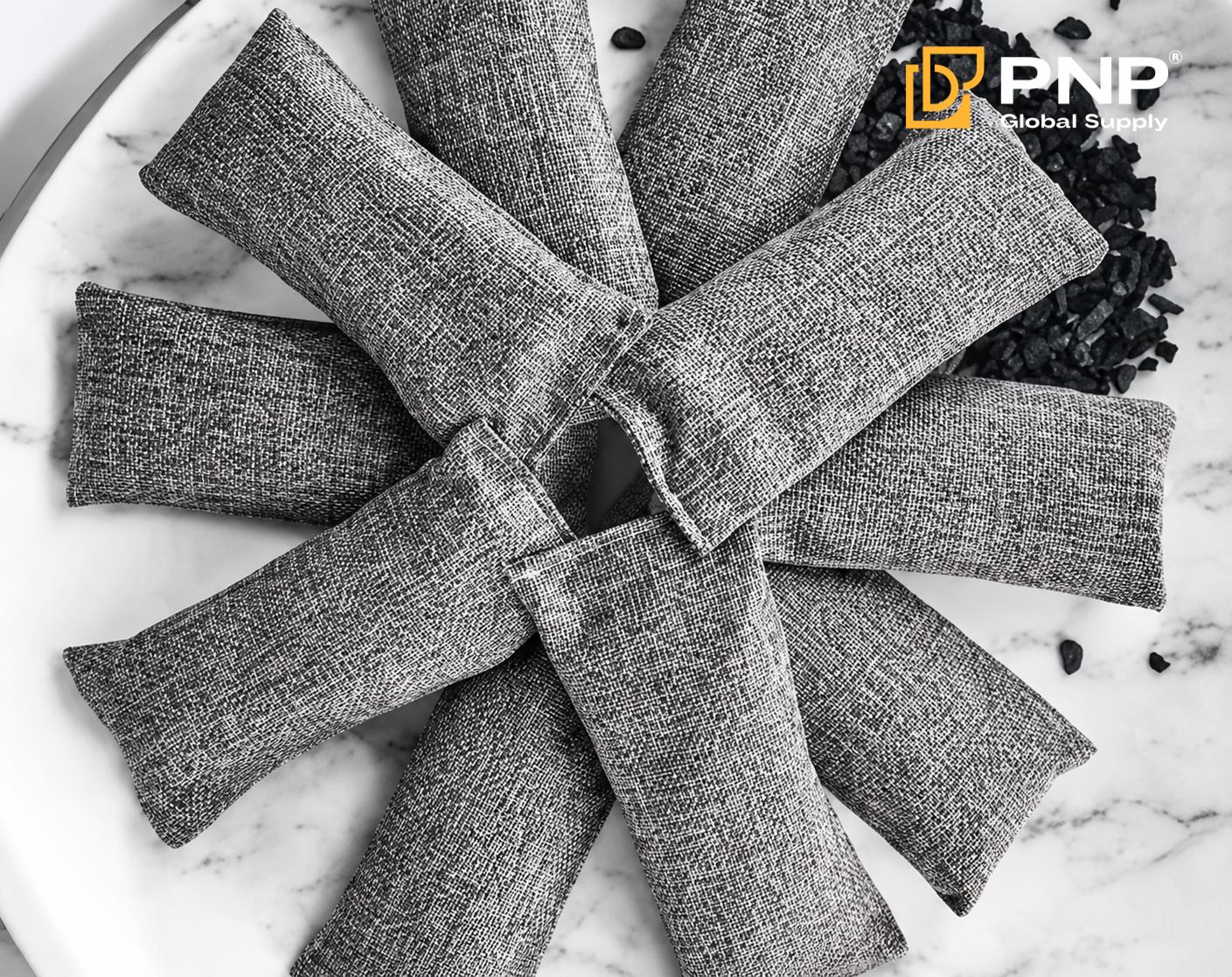
This is why many households use a charcoal odor absorber in places where moisture and odors tend to build up. A small bag of natural charcoal can be placed inside a refrigerator, shoe cabinet, wardrobe, bathroom, or even a car to help reduce unpleasant smells. Unlike chemical air fresheners, charcoal works without releasing perfumes into the air, making it a simple and eco-friendly choice for everyday use.
Many pet owners also place charcoal near litter boxes or pet sleeping areas to minimize odors, while travelers often carry small charcoal bags in luggage to keep clothes fresh during long trips.
Although charcoal odor absorbers are easy to use, they also require minimal maintenance. After several weeks of use, exposing the charcoal to direct sunlight for a few hours helps release the trapped moisture, allowing it to be reused multiple times before replacement.
For people looking to reduce their reliance on disposable deodorizing products, charcoal offers a natural alternative that is both cost-effective and environmentally friendly.
Charcoal for Plants: A Simple Way to Support Healthy Growth
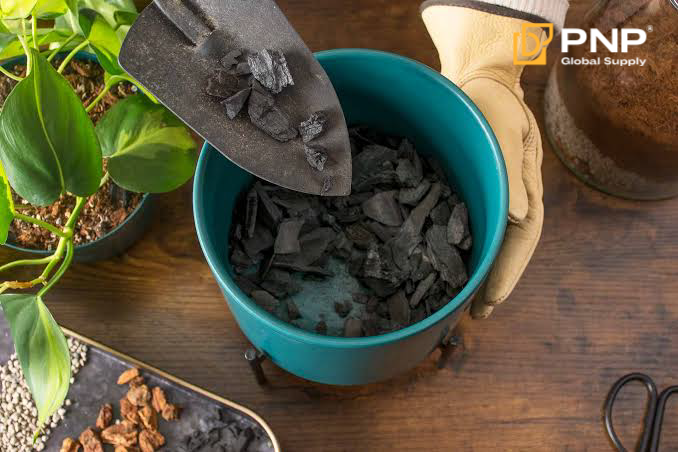
Another increasingly popular application is using charcoal for plants. Gardeners around the world have discovered that adding small amounts of natural charcoal to soil can create a healthier growing environment for many types of plants.
Charcoal helps loosen compacted soil, allowing air and water to move more freely around plant roots. Better drainage reduces the risk of excess moisture, while improved airflow encourages stronger root development. These benefits are especially valuable for potted plants, orchids, succulents, herbs, and indoor decorative plants that are sensitive to overwatering.
Another advantage is charcoal's ability to retain small amounts of moisture and nutrients. Instead of allowing water to drain away too quickly, charcoal helps maintain a more balanced environment around the roots. This creates favorable conditions for beneficial microorganisms that naturally support plant health.
In sustainable agriculture, specially processed charcoal known as biochar has become an important tool for improving poor soils and increasing long-term productivity. Although biochar is manufactured specifically for farming, untreated natural charcoal can also be used in home gardens when applied correctly.
It is important to remember that only clean charcoal should be used around plants. Charcoal containing lighter fluid, chemical additives, or synthetic binders should never be mixed with soil, as these substances may negatively affect plant growth.
Charcoal Benefits Across Different Industries
The versatility of charcoal goes well beyond homes and gardens. Around the world, businesses rely on high-quality charcoal for a wide range of commercial applications.
In the food service industry, premium hardwood charcoal remains the preferred fuel for restaurants, hotels, and BBQ chains because it burns longer, produces stable heat, and creates the authentic grilled flavor customers love.
Manufacturing industries use charcoal during certain production processes, while filtration companies incorporate charcoal into systems designed to improve air and water quality. Agricultural businesses continue to explore biochar as a sustainable solution for restoring soil and reducing carbon emissions.
This growing diversity of applications has increased global demand for premium Vietnamese charcoal. Countries throughout Europe, the Middle East, Japan, South Korea, and Australia continue to import high-quality charcoal products for both residential and commercial use.
Why Natural Charcoal Is an Eco-Friendly Choice
As more consumers seek sustainable products, natural charcoal continues to stand out as a renewable and environmentally responsible option.
When charcoal is produced from responsibly managed forests or renewable biomass, it becomes a cleaner alternative to many fossil-based fuels. Modern manufacturers also make better use of natural resources by converting wood that might otherwise go to waste into valuable charcoal products.
Compared with synthetic odor absorbers or disposable moisture-control products, charcoal can often be reused several times, reducing household waste. In agriculture, biochar is even being used to improve soil health while helping store carbon for long periods.
For businesses, choosing sustainably produced charcoal is not only beneficial for the environment but also meets the growing expectations of customers who value responsible sourcing and eco-friendly products.
Conclusion
The wide variety of uses of charcoal shows that this natural material is far more versatile than many people realize. From creating unforgettable BBQ meals and improving water quality with a charcoal water filter to supporting healthier gardens with charcoal for plants and freshening indoor spaces with a charcoal odor absorber, charcoal continues to play an important role in everyday life.
Its affordability, durability, and environmentally friendly nature have made natural charcoal a preferred choice for households, restaurants, importers, and industrial users worldwide.
If you're looking for premium Vietnamese charcoal for BBQ, wholesale distribution, or export, PNP Charcoal offers a wide range of high-quality products, including Mangrove Charcoal, Coffee Charcoal, White Charcoal, Coconut Shell Charcoal, and Kaya Charcoal. Backed by years of manufacturing and export experience, PNP Charcoal is committed to delivering reliable charcoal solutions that meet international standards while supporting a more sustainable future.
Contact us for more information
Facebook: PNP Charcoal
Instagram: PNP Charcoal
Email: info@pnpglobalsupply.com