When people evaluate quality charcoal, they often focus on factors such as wood species, burn time, fixed carbon, or ash content. However, one factor that significantly impacts performance but is often overlooked is moisture. Even charcoal produced from premium raw materials can lose its value if moisture levels are not properly controlled.
For both consumers and suppliers, moisture directly affects ignition speed, heat output, smoke generation, and overall efficiency. Whether customers are looking for the best charcoal for grilling, sourcing natural hardwood charcoal, purchasing bulk charcoal, or operating in the charcoal business, understanding the impact of moisture is essential.
What Is Moisture Content in Charcoal?
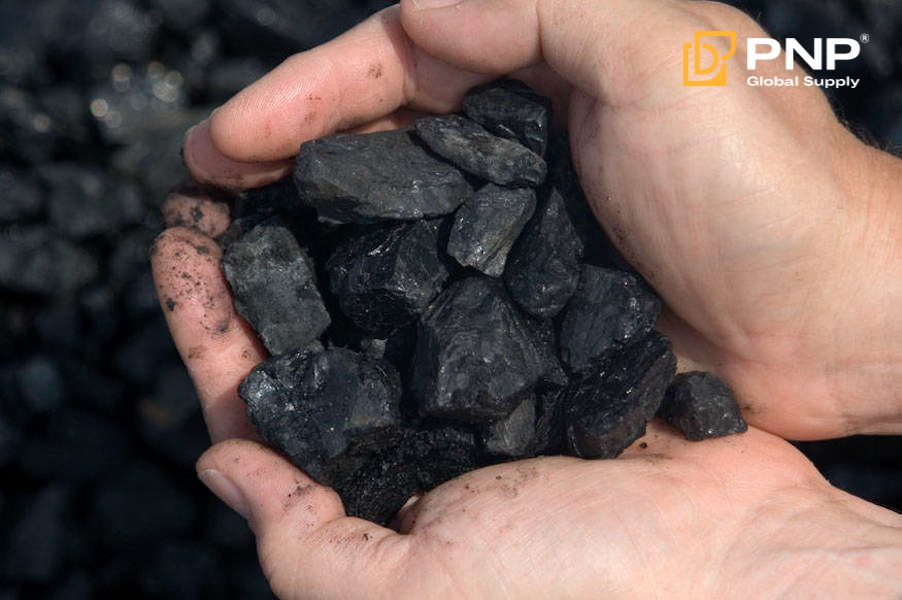
Moisture content refers to the amount of water retained inside charcoal after production and throughout storage or transportation.
There are two common types of moisture:
- Surface moisture: Water absorbed from surrounding air and attached to the outer layer of charcoal.
- Internal moisture: Water trapped inside the charcoal structure after carbonization.
Although charcoal goes through a dehydration process during production, it can still absorb moisture later if packaging and storage conditions are not managed properly.
For quality charcoal, maintaining low moisture content is considered an important quality standard because it supports cleaner combustion and more stable performance.
Why Moisture Is Important to Quality Charcoal
Moisture affects almost every stage of charcoal use—from lighting the fire to maintaining temperature and delivering customer satisfaction.
When moisture increases, charcoal performance decreases. Users may experience lower heat, more smoke, and reduced efficiency.
Below are the major impacts of moisture on quality charcoal.
How Does Moisture Affect Charcoal Quality?
Moisture Reduces Heat Output and Burning Efficiency
One of the biggest effects of excessive moisture is reduced heating performance.
Before charcoal produces usable heat, part of the energy must first evaporate the water inside the charcoal. This means less energy remains available for cooking.
As a result:
- Lower grilling temperature
- Increased charcoal consumption
- Longer cooking time
- Reduced combustion efficiency
Customers searching for the best charcoal for grilling usually expect stable and powerful heat. Charcoal with high moisture often struggles to meet these expectations.
For commercial users and restaurants, lower efficiency can also increase operating costs.
High Moisture Makes Charcoal Harder to Ignite
Another clear sign of excessive moisture is difficulty starting the fire.
Dry charcoal ignites quickly because heat can immediately begin the combustion process. Wet charcoal requires additional time and energy to remove water first.
This leads to:
- Longer preparation time
- More fire starters being required
- Less convenient grilling experiences
When evaluating quality charcoal, ignition speed is often considered a practical indicator of product quality.
This becomes especially important in BBQ operations where time and consistency matter.
Moisture Creates More Smoke During Combustion
Smoke generation is another issue closely connected to moisture.
When charcoal contains too much water, combustion becomes unstable and produces more steam and smoke.
Excess smoke may result in:
- Reduced food quality
- Changes in flavor
- Less enjoyable cooking experiences
- More indoor air concerns
Consumers looking for the best charcoal for grilling usually prefer charcoal that burns cleanly and preserves the natural flavor of ingredients.
This is one reason moisture control is closely linked to premium charcoal performance.
Moisture Can Shorten Effective Burning Time
Many people assume moist charcoal burns longer because ignition takes more time.
In reality, excess moisture often reduces useful burning duration because the charcoal burns inefficiently.
Common effects include:
- Unstable heat output
- Uneven combustion
- Faster fuel consumption
Properly dried natural hardwood charcoal is known for producing stable heat and maintaining a longer effective burn.
Because hardwood charcoal has a dense carbon structure, controlling moisture helps maximize its overall performance.
Moisture May Damage Charcoal Structure and Appearance
Moisture does not only affect combustion—it also impacts physical quality.
Charcoal exposed to humid conditions may become:
- More fragile
- Easier to crack or break
- Less attractive in appearance
- Harder to transport and store
For suppliers handling bulk charcoal, this issue becomes especially important because large shipments spend longer periods in warehouses and containers.
Product damage during transport can reduce usable yield and affect customer satisfaction.
If you are wondering whether wet charcoal can still burn effectively, check out our detailed guide: “Will Charcoal Burn and Work If It Gets Wet?” to better understand how moisture impacts charcoal performance and grilling efficiency.
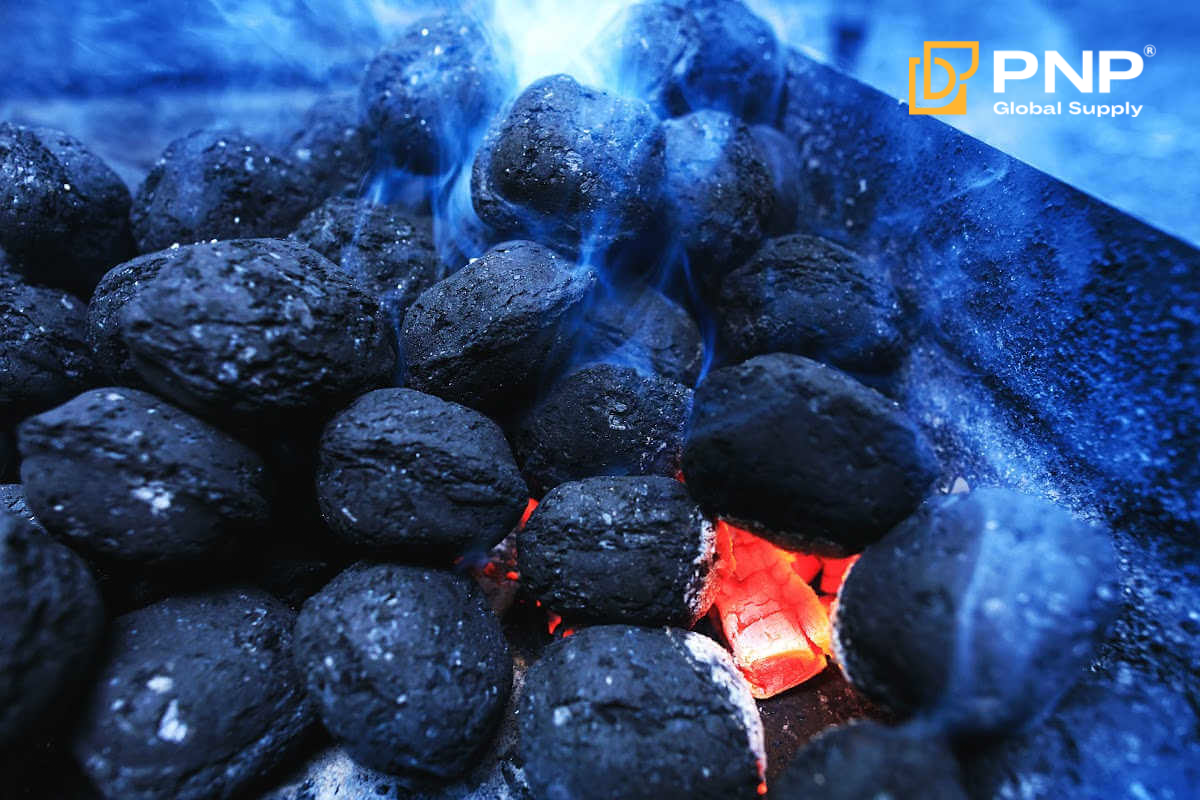
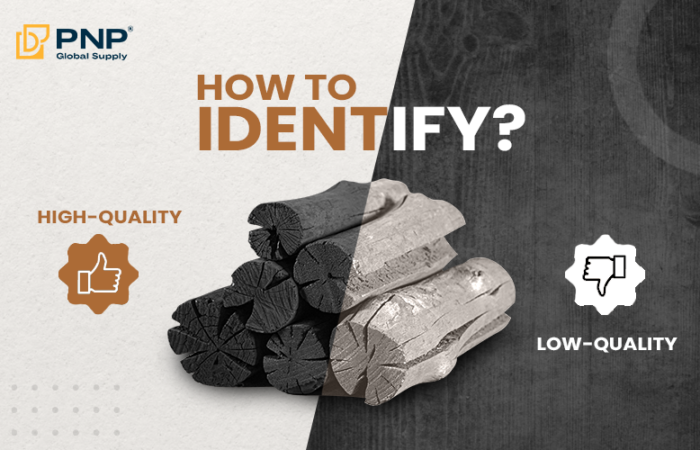
How to Identify Charcoal with High Moisture
Buyers can evaluate charcoal quality using several simple observations.
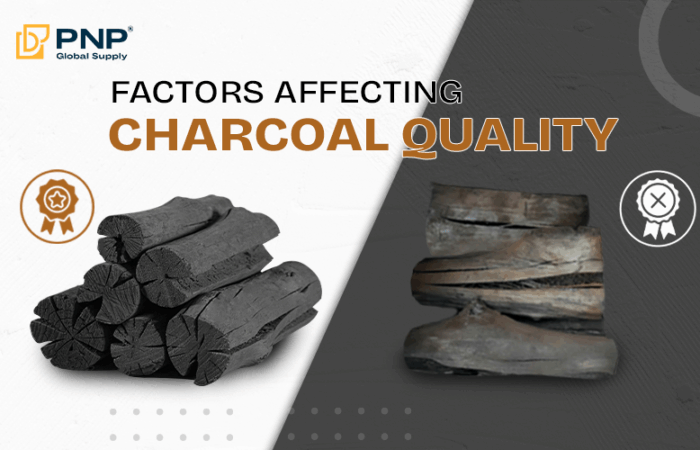
- Observe the Surface: High-quality charcoal usually appears dry, firm, and consistent.
- Test Ignition Speed: Charcoal that takes too long to ignite may contain excessive moisture.
- Check Smoke Output: Large amounts of smoke shortly after ignition can indicate unstable combustion.
- Monitor Heat Stability: If temperature drops quickly or fluctuates during use, moisture may be affecting performance.
These simple checks can help buyers select better products and avoid unnecessary issues.
At PNP Charcoal, we carefully control moisture levels throughout production, storage, and export to deliver quality charcoal with stable heat, cleaner burning, and consistent performance. Whether you are sourcing natural hardwood charcoal, purchasing bulk charcoal, or looking for the best charcoal for grilling, we are committed to providing reliable charcoal solutions tailored to your needs. Visit PNP Charcoal to explore our products and discover how we support long-term growth in the charcoal business.

Conclusion
Moisture is one of the most important factors influencing quality charcoal, yet it is often underestimated.
From ignition speed and heat output to smoke production and burn duration, moisture determines how well charcoal performs in real-world use.
For consumers searching for the best charcoal for grilling, selecting low-moisture products can improve cooking efficiency and food quality. For suppliers producing natural hardwood charcoal or exporting bulk charcoal, controlling moisture contributes to stronger product consistency and long-term growth in the charcoal business.
Ultimately, great charcoal is not defined only by appearance—it is defined by performance, and moisture control plays a major role in delivering that performance.
________________________________
Contact us for more information
Facebook: PNP Charcoal
Instagram: PNP Charcoal
Email: info@pnpglobalsupply.com