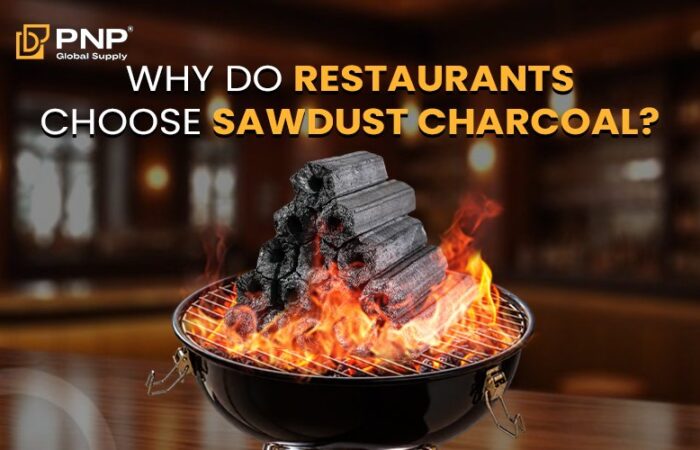
In today’s global BBQ and energy market, briquettes for fire have become one of the most reliable and widely used fuel sources. Whether for outdoor grilling, restaurant use, or industrial heating, charcoal briquettes offer consistent performance, long burning time, and easy handling compared to traditional lump charcoal.
But have you ever wondered: who discovered charcoal briquettes and how they became such an essential product worldwide?
Understanding the origin of briquettes not only gives insight into their innovation but also highlights how modern production has evolved—especially with sustainable options like briquettes made from coconut waste and charcoal briquettes from sawdust. In this article, we explore the history, types, benefits, and buying considerations of briquettes to help you better understand their value in today’s market.
Who Discovered Charcoal Briquettes?
The concept of charcoal itself dates back thousands of years, when early civilizations used it for cooking, heating, and metalworking. However, charcoal briquettes—as we know them today—are a relatively modern invention.
The credit for discovering and commercializing charcoal briquettes is often given to Henry Ford, the founder of the Ford Motor Company. In the early 20th century, Ford was looking for ways to reduce waste from his automobile production process. His factories generated large amounts of wood scraps from manufacturing car parts, and instead of discarding them, he sought a more efficient solution.
Working with chemist Orin Stafford and with support from industrialist Thomas Edison, Ford developed a method to compress wood waste into uniform charcoal blocks. This innovation led to the creation of the first modern charcoal briquettes, which were easy to ignite, burned consistently, and could be mass-produced.
Soon after, the product gained popularity, especially when it was marketed for outdoor cooking. This marked the beginning of a global industry, transforming briquettes into a staple fuel for households, restaurants, and commercial grilling operations.
Over time, the industry expanded beyond wood waste to include various raw materials, improving both sustainability and performance.
Types of Briquettes and Raw Materials
Today, briquettes are produced from a wide range of biomass materials, each offering different advantages depending on the intended use. Among the most popular are briquettes made from coconut waste and charcoal briquettes from sawdust.
Briquettes made from coconut waste, particularly coconut shells, are considered one of the most eco-friendly options available. These briquettes are produced by carbonizing coconut shells and compressing them into uniform shapes. They are known for their long burning time, high heat output, and minimal smoke production. Because coconut shells are an agricultural byproduct, this type of briquette supports waste recycling and sustainable energy practices. This makes them highly preferred in international markets, especially in regions with strict environmental standards.

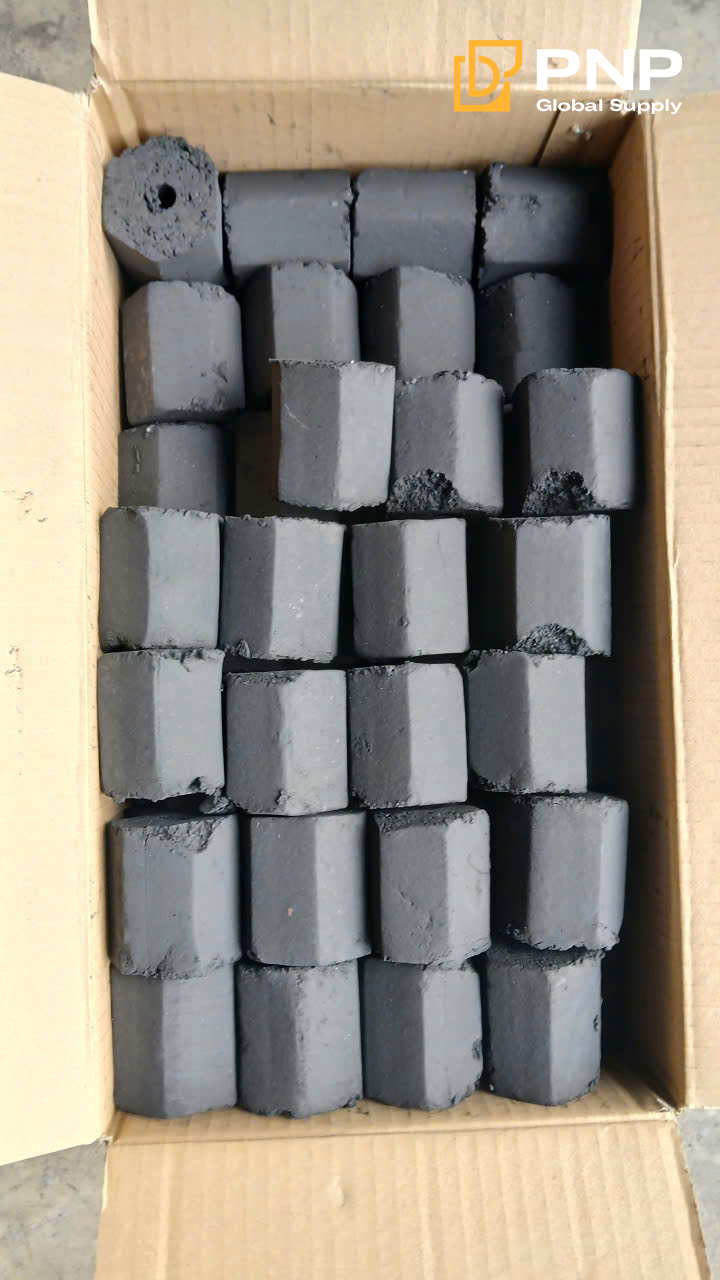
On the other hand, charcoal briquettes from sawdust are widely used due to their cost efficiency and availability. Sawdust, a byproduct of the wood industry, is compressed and carbonized to create briquettes that offer stable heat and consistent size. These briquettes are commonly used in both household and commercial applications because they are affordable and easy to produce in large quantities.
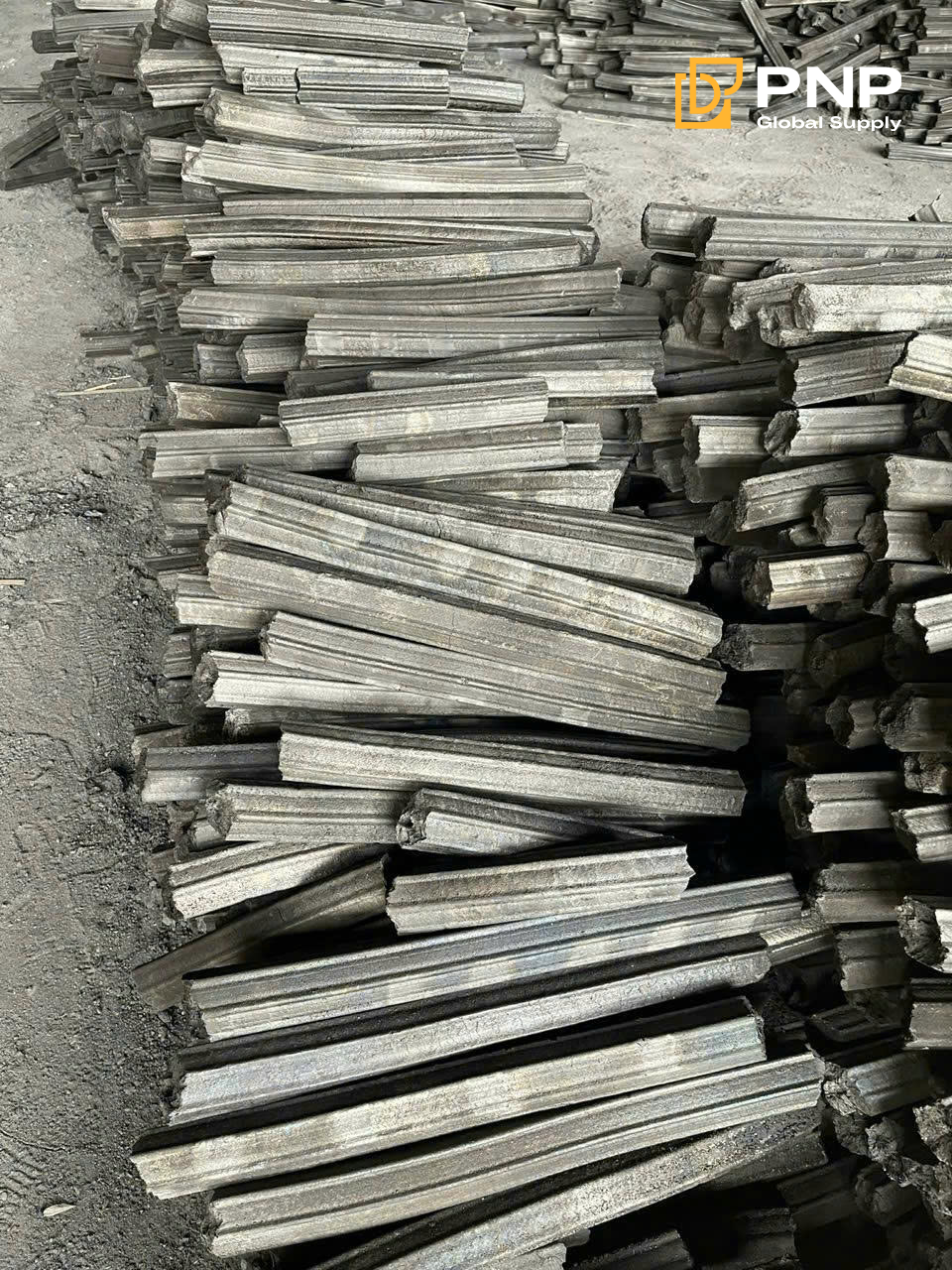
While both types serve as effective briquettes for fire, coconut-based briquettes are often favored for premium applications such as BBQ restaurants and export markets, whereas sawdust briquettes are popular for general use and price-sensitive segments.
Benefits and Uses of Briquettes for Fire
The growing demand for briquettes for fire is driven by their many practical advantages over traditional fuels.
One of the key benefits is their long and consistent burning time. Unlike lump charcoal, which can burn unevenly, briquettes are designed to maintain stable heat over extended periods. This makes them ideal for grilling, where temperature control is essential for cooking quality food.
Another important consideration is the briquettes price per kg, which can vary depending on several factors. The type of raw material plays a major role—sawdust briquettes are often more expensive than coconut-based briquettes due to higher processing costs and production complexity. Additionally, production technology, packaging standards, and certifications can influence the final price.
In terms of application, briquettes are incredibly versatile. They are widely used in BBQ grilling, from backyard cooking to large-scale restaurant operations. They are also used in camping, heating, and even certain industrial processes where stable heat is required.
With increasing global awareness of sustainability, many businesses are shifting toward biomass briquettes as a cleaner alternative to fossil fuels, further boosting their demand.
Briquettes for Sale and Price Considerations
When looking for briquettes for sale, buyers should focus on quality, performance, and supplier reliability rather than price alone. Not all briquettes are created equal, and choosing the right product can significantly impact efficiency and overall user experience.
High-quality briquettes typically have a low ash content, high fixed carbon level, and consistent size. These factors ensure longer burning time, higher heat output, and cleaner combustion. Products made from coconut shells often meet these criteria, making them a preferred choice for export markets.
Another important consideration is the briquettes price per kg, which can vary depending on several factors. The type of raw material plays a major role—coconut-based briquettes are usually more expensive than sawdust briquettes due to their superior performance and eco-friendly appeal. Additionally, production technology, packaging standards, and certifications can influence the final price.
Market demand and export conditions also affect pricing. For example, regions like the Middle East and Europe often require higher quality standards, which can increase costs but also provide better long-term value.
For a detailed update, check out the latest briquettes price per kg in 2026 in our following article: Briquette Charcoal Price Prediction for 2026
For importers and distributors, working with a reliable supplier is essential. A trustworthy manufacturer not only ensures consistent product quality but also supports stable supply, proper documentation, and efficient logistics.
Choose high-quality briquettes for better performance—visit PNP Charcoal today to explore reliable, premium charcoal solutions.
Conclusion
From their origins in early industrial innovation to their role in modern sustainable energy, charcoal briquettes have come a long way. The discovery and commercialization of briquettes by Henry Ford transformed waste materials into a valuable fuel source, laying the foundation for a global industry.
Today, briquettes for fire are more advanced and versatile than ever, with options like briquettes made from coconut waste and charcoal briquettes from sawdust meeting diverse market needs. Their efficiency, eco-friendliness, and ease of use make them an ideal choice for both everyday consumers and large-scale businesses.
Whether you are sourcing briquettes for sale or evaluating the briquettes price per kg, understanding their history, materials, and benefits will help you make better decisions. Investing in high-quality briquettes not only improves performance but also contributes to a more sustainable and efficient energy future.
________________________________
Contact us for more information
Facebook: PNP Charcoal
Instagram: PNP Charcoal
Email: info@pnpglobalsupply.com