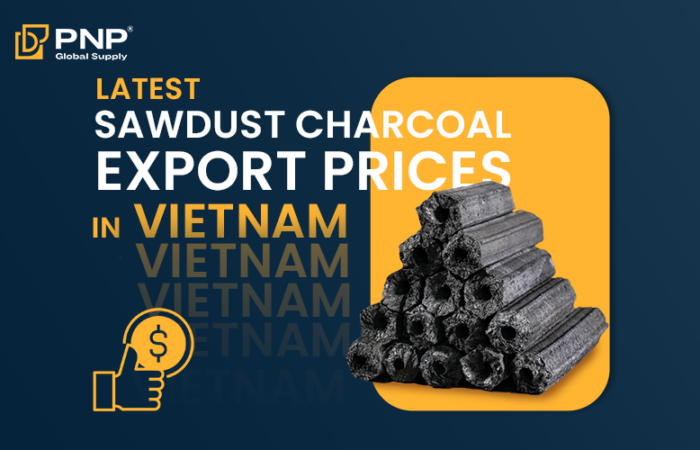
The global charcoal industry is entering a new phase of adjustment as supply chains stabilize and demand from commercial sectors continues to grow. For charcoal importers, distributors, and food service businesses, understanding charcoal wholesale price trends in 2026 is no longer optional—it is a critical factor in cost planning and sourcing strategy.
This article provides a comprehensive forecast of charcoal prices in 2026, analyzing charcoal costs, export dynamics, different charcoal types, and practical insights for buyers looking to buy bulk charcoal from reliable charcoal companies.
Overview of the Global Charcoal Market Heading into 2026
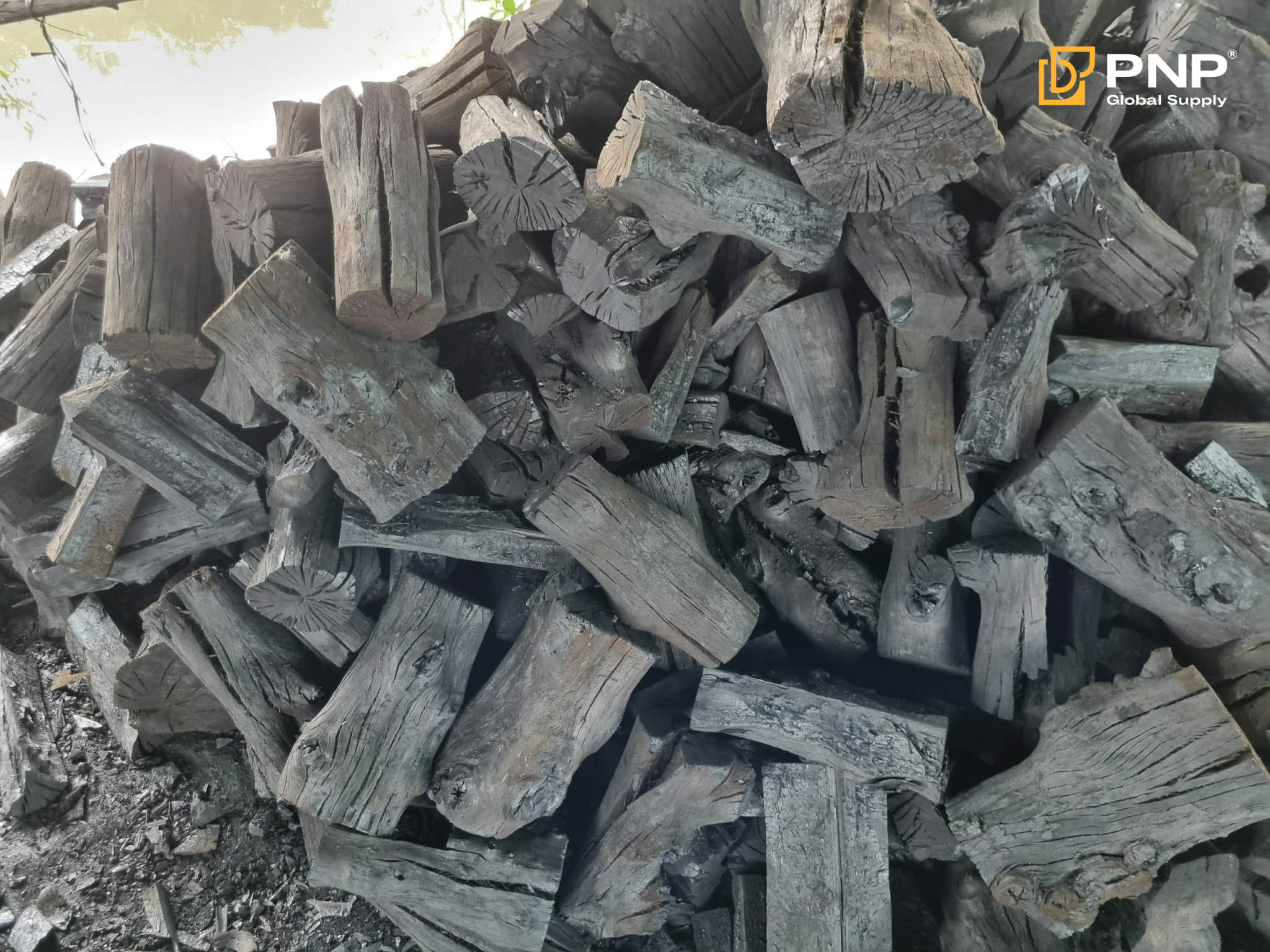
Over the past few years, the charcoal market has experienced price fluctuations driven by logistics disruptions, rising production costs, and changing environmental regulations. By late 2025, most supply chains had gradually stabilized, yet prices did not return to pre-pandemic levels.
In 2026, charcoal wholesale price is expected to remain sensitive to several macroeconomic and industry-specific factors. Demand from restaurants, BBQ chains, hospitality businesses, and international distributors continues to grow, especially for commercial charcoal used in professional cooking.
At the same time, suppliers face increasing pressure from raw material availability, labor costs, and export compliance requirements, all of which directly influence pricing.
Key Factors Influencing Charcoal Costs in 2026
Understanding charcoal costs is essential when forecasting price trends. In 2026, production and export prices will largely depend on the following elements.
Raw material availability remains a primary concern. Hardwood, coconut shells, coffee wood, and other biomass sources are increasingly regulated in many producing countries. Sustainable sourcing policies, while necessary, can limit supply and increase costs.
Energy and labor expenses are also expected to remain high. Charcoal production is energy-intensive, particularly for premium grades that require longer carbonization times. Skilled labor shortages in rural production areas further add to operational costs.
Logistics and container availability will continue to affect pricing. While freight rates have stabilized compared to earlier years, port congestion, stricter inspection standards, and documentation requirements still add cost layers for exporters.
These combined factors mean that charcoal wholesale price in 2026 is likely to stay firm rather than decline sharply.
Charcoal Wholesale Price Forecast for 2026
Based on current supplier pricing, export data, and demand trends, charcoal wholesale price in 2026 is projected to increase by approximately 5–12% compared to 2025, depending on charcoal type and destination market.
In 2025, average charcoal wholesale prices ranged from USD 280–450 per ton for commercial-grade products. Entering 2026, prices are expected to move into the range of USD 300–500 per ton, driven by higher production costs and stricter export requirements.
Premium charcoal products are forecast to show the most price stability. Hardwood charcoal and coconut shell charcoal used for professional grilling are expected to increase by only 5–8% year-on-year, as demand from restaurants and food service businesses remains steady and predictable.
Entry-level commercial charcoal may face more price pressure due to competition; however, wholesale prices are still expected to rise 8–12% as suppliers adjust to higher labor, raw material, and compliance costs.
Seasonal demand will continue to impact pricing. During peak BBQ seasons in Europe, the Middle East, and North America, charcoal wholesale prices may temporarily increase by USD 20–40 per ton compared to off-season levels.
Charcoal Export Price per Ton in 2026: Detailed Expectations
The charcoal export price per ton in 2026 is expected to follow a similar upward trend, increasing by 5–10% compared to 2025 for export-ready products.
In 2025, export prices typically ranged from USD 350–600 per ton, depending on charcoal type, packaging standard, and destination. In 2026, these prices are projected to reach USD 380–650 per ton for professionally packed, inspection-ready charcoal.
Exporters shipping to the EU, Japan, and the Middle East will continue to face stricter requirements related to moisture control, container cleanliness, labeling, and packaging integrity. These compliance factors alone may add USD 15–30 per ton to the final export price.
Premium hardwood charcoal and coconut shell charcoal are expected to remain at the higher end of the export range due to longer burn time, stable heat output, and low ash content. Mixed-wood and lower-density charcoal will remain more price-sensitive but may face tighter scrutiny from charcoal importers, especially in regulated markets.
Overall, the charcoal export price per ton in 2026 is projected to increase moderately, with the strongest price resilience seen in premium and commercial charcoal categories.
Price Differences Across Different Charcoal Types
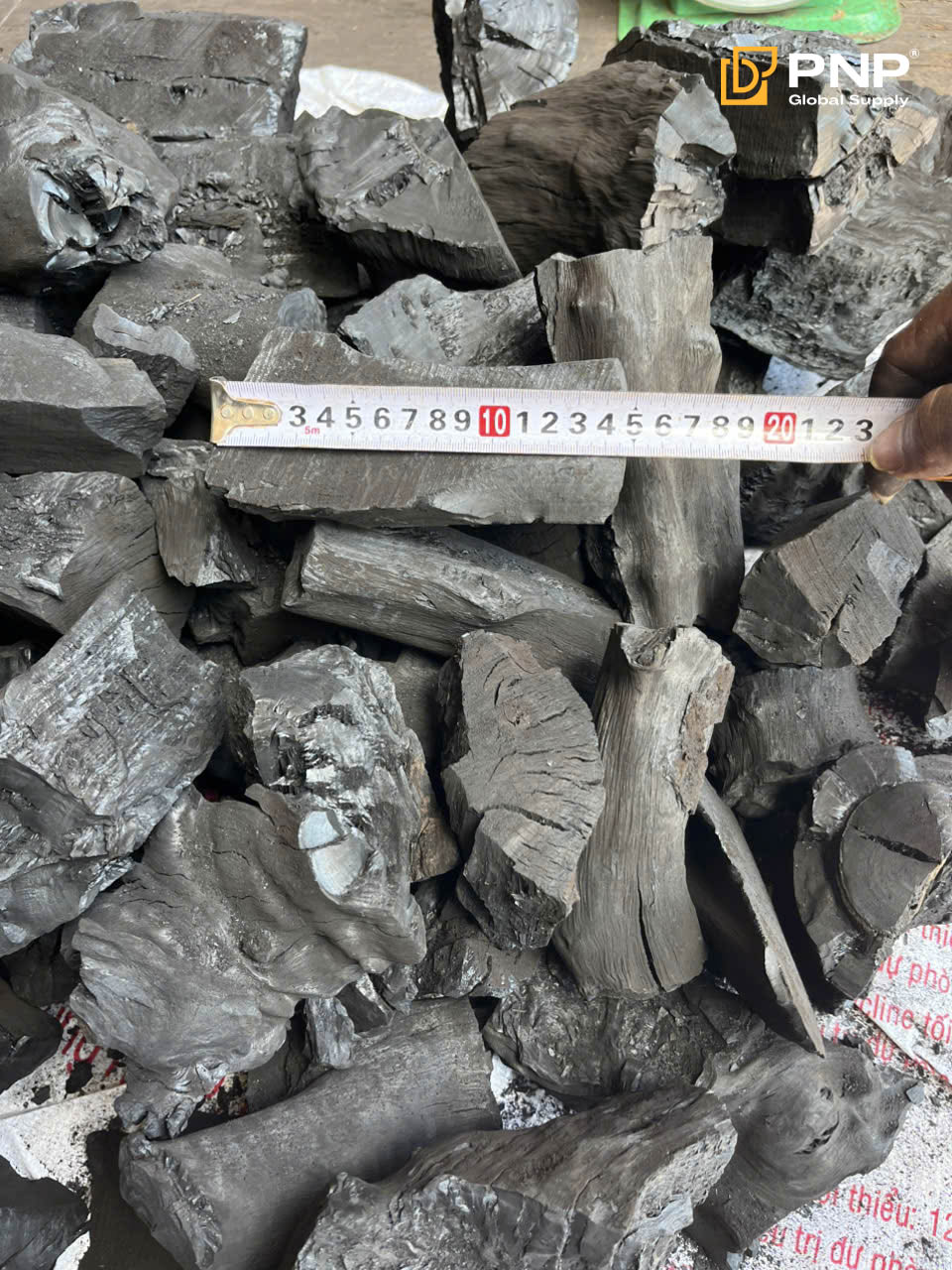
Not all charcoal products follow the same pricing logic. Understanding different charcoal types helps buyers make smarter purchasing decisions.
Hardwood charcoal remains the most widely used option for commercial grilling due to its strong heat output and stability. Its wholesale price is expected to increase steadily in 2026, driven by raw material limitations.
Coconut shell charcoal continues to gain popularity for its eco-friendly image and consistent performance. However, higher production costs mean its wholesale price will stay above average.
Coffee charcoal and other agricultural by-product charcoals offer a balance between performance and sustainability. These products are increasingly favored by charcoal importers seeking unique selling points, which may support higher pricing in niche markets.
Sawdust and briquette charcoal typically maintain lower price points but face growing competition and tighter quality requirements.
To better understand these differences, explore the Explore the Price of Charcoal Exports in the Global Market.
Charcoal Importers and Demand Trends in 2026
Charcoal importers play a key role in shaping global pricing trends. In 2026, import demand is expected to grow steadily in several key regions.
Europe remains a major market, driven by professional BBQ restaurants and seasonal retail demand. Importers in this region increasingly prioritize certified suppliers and consistent quality over the lowest price.
The Middle East continues to show strong demand for high-heat commercial charcoal used in restaurants and hospitality venues. Importers here are more willing to pay premium prices for reliable performance.
North America is also seeing renewed growth, particularly among food service distributors sourcing bulk charcoal for restaurant chains.
This sustained importer demand will support stable charcoal wholesale price levels throughout 2026.
How Charcoal Companies Are Adapting to Market Changes
Leading charcoal companies are adjusting their strategies to remain competitive in a changing market. Many suppliers are investing in better production control, improved packaging, and transparent communication with buyers.
Export-oriented charcoal companies are also focusing on consistency, offering standardized specifications to help buyers better forecast costs. This trend benefits importers who prioritize reliability over short-term price savings.
Some suppliers are shifting toward value-added services, such as container loading inspections, moisture control, and documentation support, which further influence wholesale pricing but improve buyer confidence.
Buy Bulk Charcoal: Smart Strategies for 2026
For businesses looking to buy bulk charcoal, timing and supplier selection will be critical in 2026.
Bulk buyers are encouraged to plan purchases ahead of peak seasons to secure better wholesale pricing. Long-term supply agreements can help reduce exposure to short-term price spikes.
Choosing the right charcoal type based on end-use is equally important. Restaurants and commercial users should focus on performance consistency rather than chasing the lowest price.
Working directly with experienced charcoal companies also allows buyers to better manage quality risks and logistics costs, ultimately improving overall cost efficiency.
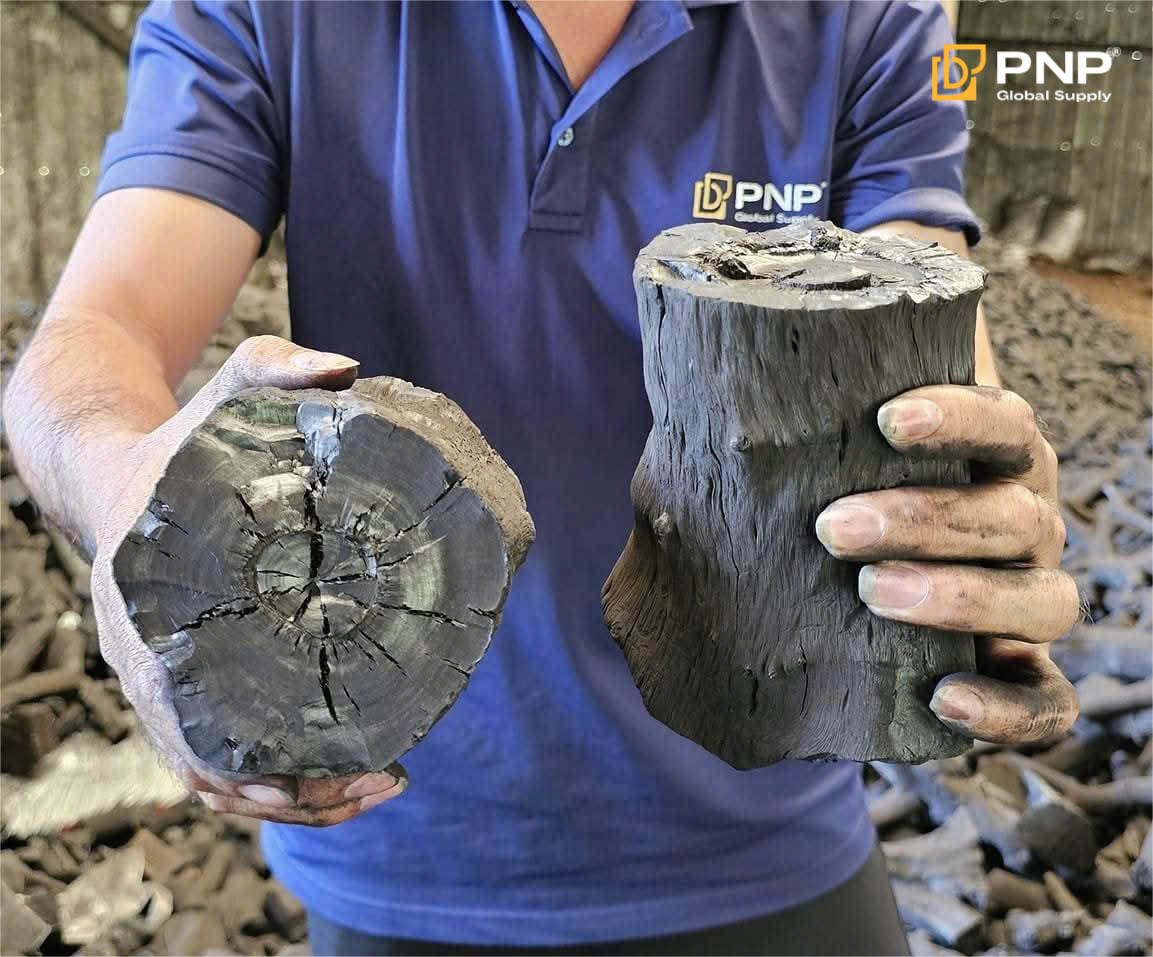
In this context, working with a reliable supplier like PNP Charcoal can give bulk buyers a clear advantage in 2026. PNP Charcoal supplies high-quality charcoal with consistent performance, stable specifications, and export-ready packaging suitable for both commercial and industrial use. With a diverse product range and experience in international markets, PNP Charcoal helps buyers secure dependable supply, reduce quality risks, and optimize long-term procurement costs. Learn more about bulk charcoal solutions at PNP Charcoal
Conclusion
In 2026, the global charcoal market will continue to reflect higher production standards, stable demand, and moderate price growth. Charcoal wholesale price is unlikely to decrease significantly, especially for export-grade and commercial products.
For charcoal importers and bulk buyers, success will depend on understanding charcoal costs, selecting suitable different charcoal types, and working closely with reliable charcoal companies. Monitoring charcoal export price per ton and planning purchases strategically will be essential to staying competitive.
As the market evolves, informed buyers who focus on long-term partnerships rather than short-term pricing will be best positioned to navigate the charcoal industry in 2026 and beyond.
________________________________
Contact us for more information
Facebook: PNP Charcoal
Instagram: PNP Charcoal
Email: info@pnpglobalsupply.com