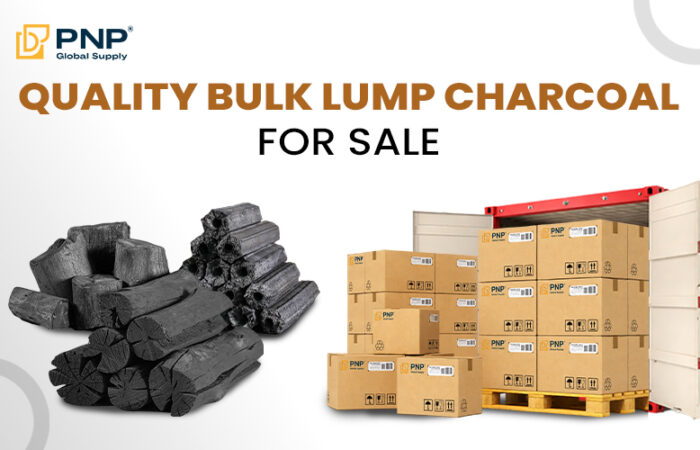
When it comes to premium BBQ fuel, mangrove charcoal remains one of the most popular choices among restaurants, grill enthusiasts, and charcoal importers worldwide. Known for its dense structure, long burning time, and consistent heat output, this type of hardwood charcoal has built a strong reputation in the grilling industry.
If you are looking for a detailed mangrove charcoal review, understanding its appearance, burning performance, and practical advantages can help you make a better purchasing decision. Whether you are a restaurant owner, charcoal distributor, or simply someone who enjoys outdoor cooking, learning about the unique characteristics of mangrove charcoal is essential before choosing a supplier.
This article explores everything you need to know about mangrove charcoal, from its physical appearance to its burning behavior and overall value for BBQ applications.
What Is Mangrove Charcoal?
Mangrove charcoal is produced from mangrove wood, a hardwood species commonly found in coastal regions. Due to the natural density of mangrove trees, the charcoal produced from this wood is typically harder, heavier, and longer-lasting than many other types of charcoal.
For decades, mangrove charcoal has been widely used in commercial BBQ restaurants, steakhouses, and outdoor cooking operations because it provides reliable heat and excellent fuel efficiency.
Many countries import mangrove charcoal for food service businesses that require a stable and long-burning fuel source. Its popularity continues to grow due to its ability to meet the demands of professional grilling environments.
Physical Appearance of Mangrove Charcoal
Charcoal Color and Surface Characteristics
One of the easiest ways to identify quality mangrove charcoal is by observing its charcoal color and texture.
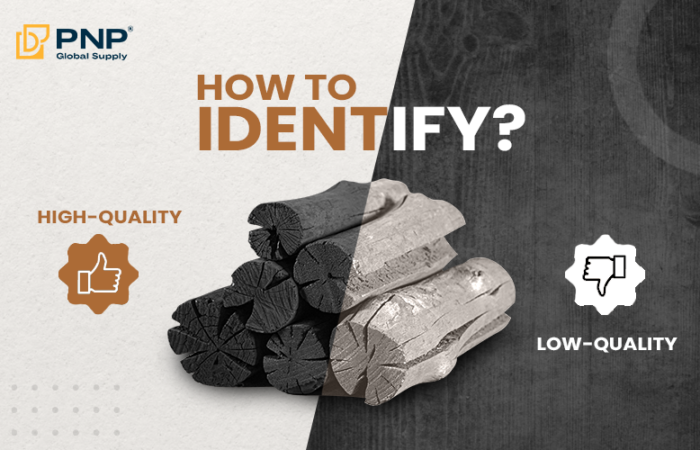
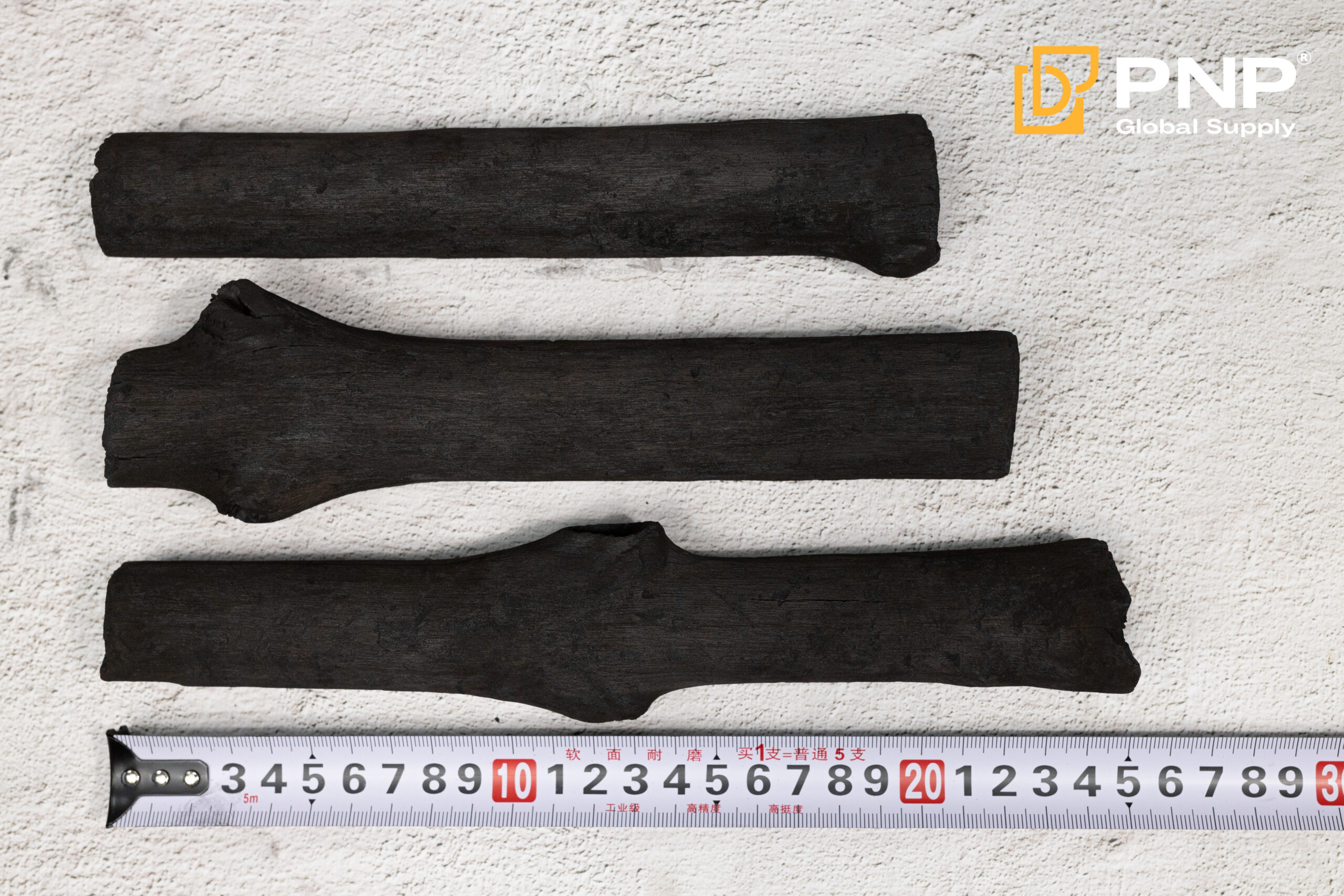
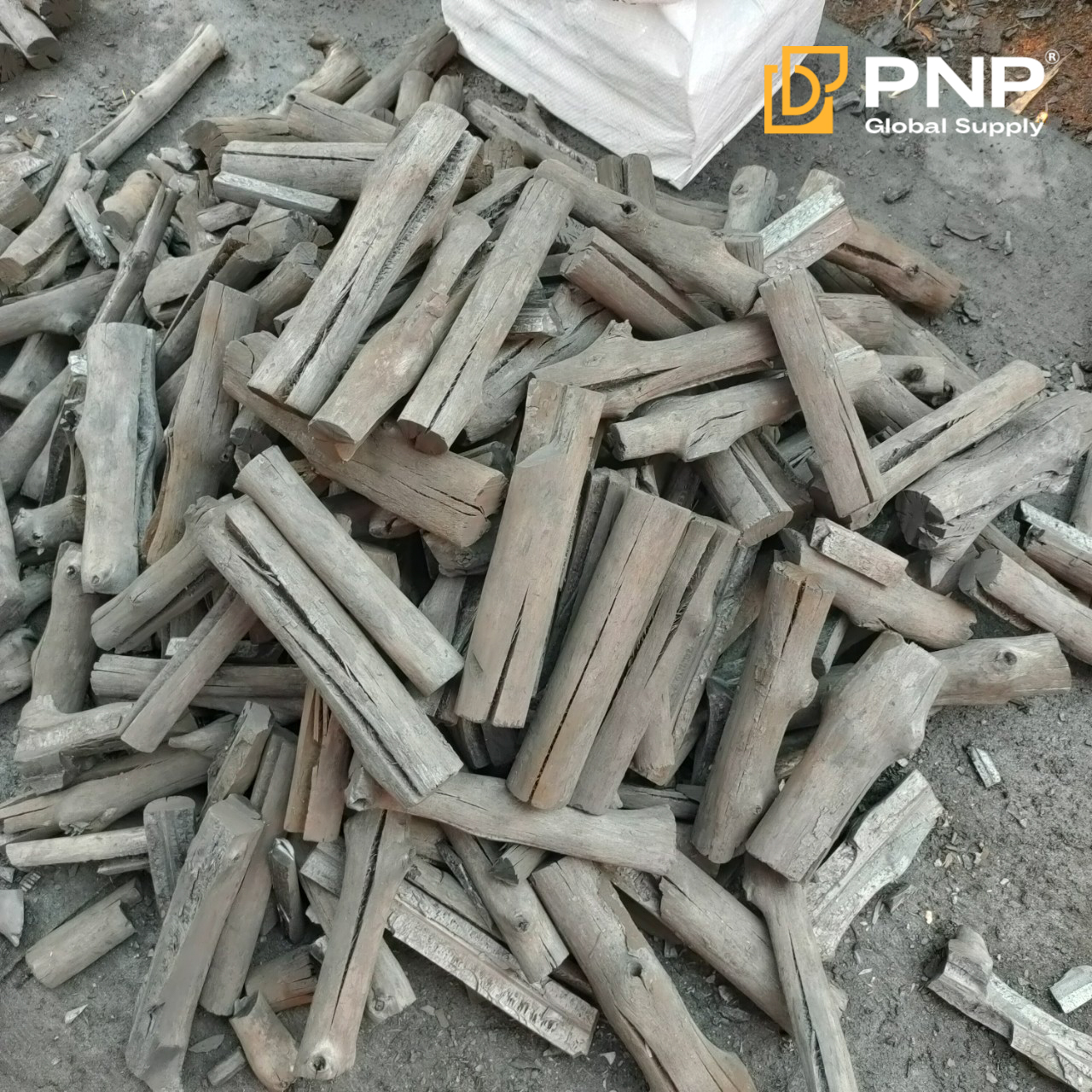
Premium mangrove charcoal typically has a deep black appearance with a slightly glossy surface. High-density charcoal pieces often display a clean carbonized structure without excessive cracks or loose particles.
The charcoal color can reveal important information about the carbonization process. Properly carbonized charcoal generally appears darker and more uniform, while low-quality products may show inconsistent colors, indicating incomplete carbonization.
In addition to color, good mangrove charcoal feels solid and dense when handled. It should not easily break into small pieces during transportation or storage.
Shape and Size Variations
Mangrove charcoal is commonly available in lump form. Depending on the production process and market requirements, lump sizes may vary significantly.
Larger pieces are often preferred by restaurants because they provide longer burning times and more stable heat. Smaller pieces may ignite faster but generally burn out more quickly.
The size distribution of charcoal also affects airflow inside the grill. Uniform charcoal sizes help maintain consistent combustion and improve cooking performance.
Ash Production After Burning
Another visible characteristic of mangrove charcoal is its relatively low ash production.
Compared with some softwood charcoal products, mangrove charcoal produces less residual ash after combustion. This feature makes grill maintenance easier and reduces the frequency of cleaning during cooking operations.
Low ash content is especially important for commercial kitchens where operational efficiency and cleanliness directly impact productivity.
Burning Characteristics of Mangrove Charcoal
How Long Does Charcoal Burn?
One of the most common questions asked by buyers is: how long does charcoal burn?
The answer depends on charcoal density, size, moisture content, airflow conditions, and cooking methods. However, mangrove charcoal is widely recognized for its impressive burning duration.
Due to its hardwood origin and dense structure, mangrove charcoal can maintain usable heat for several hours. Larger charcoal lumps generally burn longer than smaller pieces, making them ideal for extended BBQ sessions.
This long burn time provides several advantages:
- Reduced charcoal consumption
- Fewer refueling interruptions
- More efficient cooking operations
- Lower overall fuel costs
For restaurants and commercial grilling businesses, a longer burning period translates into greater operational efficiency and improved customer service.
Charcoal Burning Temperature
Another major advantage highlighted in many mangrove charcoal review articles is its ability to produce high and stable heat.
The charcoal burning temperature of mangrove charcoal is suitable for a wide variety of grilling applications, including steaks, seafood, poultry, and traditional BBQ dishes.
Unlike some low-density charcoal products that lose heat rapidly, mangrove charcoal is capable of maintaining a consistent temperature throughout the cooking process.
Stable heat offers several benefits:
- Better cooking control
- More even food preparation
- Reduced risk of undercooked or overcooked food
- Improved grilling efficiency
Because of these characteristics, many professional chefs prefer mangrove charcoal for high-temperature grilling environments.
Smoke and Odor Levels
Smoke production plays an important role in grilling quality.
Premium mangrove charcoal typically produces relatively low smoke after ignition. Once fully lit, it burns steadily with minimal unwanted odors.
Lower smoke levels create a cleaner cooking environment and help preserve the natural flavors of food.
Restaurants particularly appreciate this feature because excessive smoke can negatively affect both kitchen operations and customer comfort.
When properly manufactured, mangrove charcoal provides a balance between flavor-enhancing combustion and clean-burning performance.
Heat Retention Performance
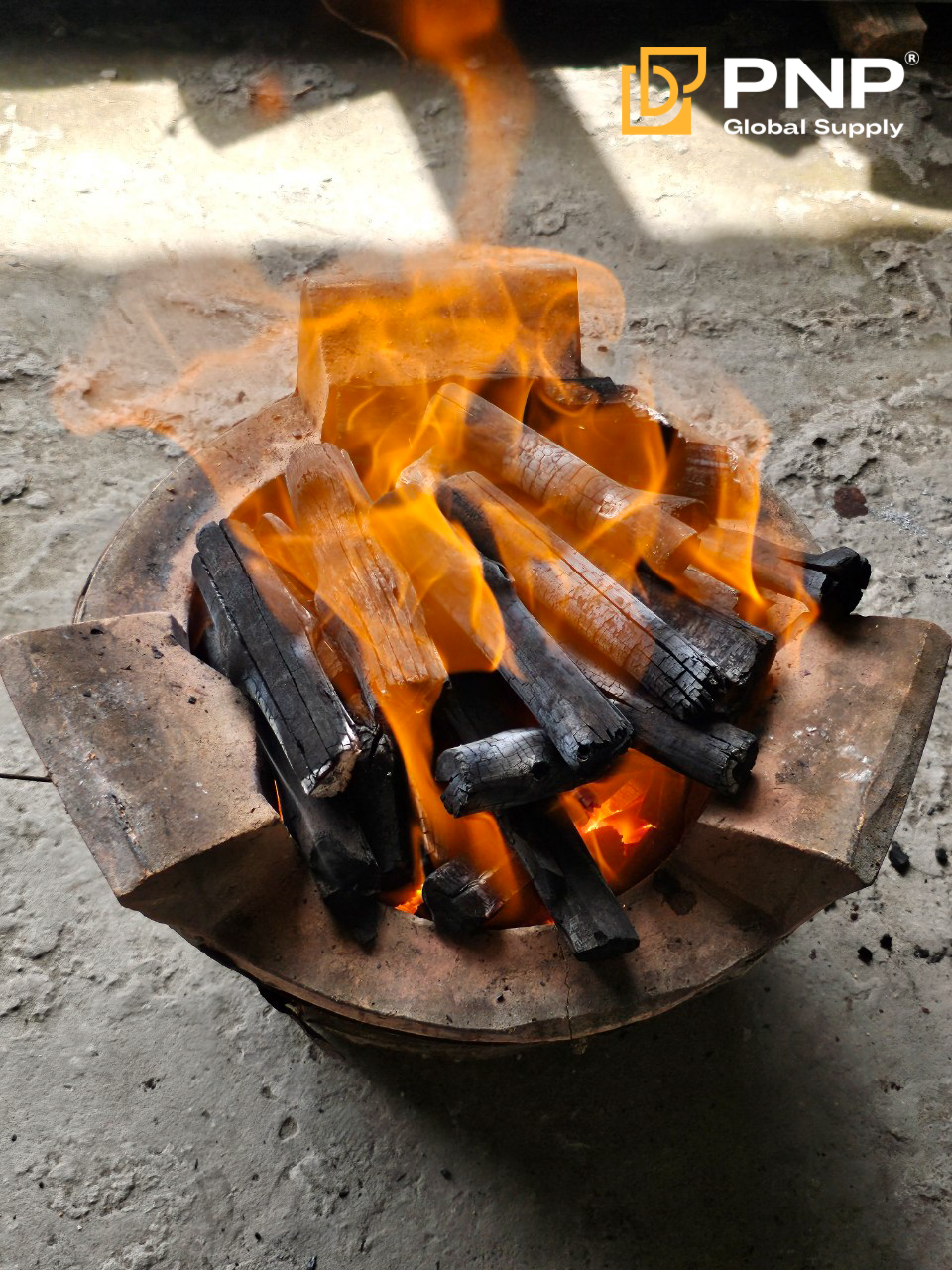
Heat retention is one of the strongest advantages of mangrove charcoal.
The dense carbon structure allows the charcoal to store and release heat gradually over an extended period. This characteristic helps maintain a stable cooking temperature even during long grilling sessions.
Excellent heat retention means:
- Less fuel waste
- Improved cooking consistency
- Better performance for large gatherings
- Greater efficiency for commercial kitchens
For businesses serving large numbers of customers, consistent heat can significantly improve cooking speed and food quality.
Advantages and Disadvantages of Mangrove Charcoal
Advantages
Mangrove charcoal offers numerous benefits that contribute to its popularity worldwide.
First, it provides a long burning duration, reducing the need for frequent charcoal replacement. This characteristic makes it ideal for restaurants and catering services.
Second, it generates strong and stable heat, supporting various cooking techniques and menu items.
Third, its low ash production helps maintain cleaner grilling equipment.
Fourth, the charcoal is generally easy to transport and store due to its durable structure.
Finally, its reliable performance has made it one of the preferred choices for professional BBQ operations.
Disadvantages
Despite its advantages, there are some factors buyers should consider.
Quality can vary significantly between manufacturers. Different production methods, raw materials, and carbonization processes may affect final performance.
Additionally, sourcing from an inexperienced supplier may result in inconsistent charcoal sizes, higher moisture content, or reduced burning efficiency.
Therefore, selecting a reliable supplier remains an important step when purchasing mangrove charcoal.
How to Choose a Reliable Mangrove Charcoal Supplier
Finding the right mangrove charcoal supplier is just as important as choosing the charcoal itself.
A reputable supplier should be able to provide detailed product specifications, quality control procedures, and consistent production capacity.
When evaluating potential suppliers, consider the following factors:
- Experience in charcoal manufacturing
- Export capabilities
- Product quality consistency
- Professional packaging solutions
- Availability of technical specifications
- Ability to fulfill large-volume orders
Requesting product samples before placing a bulk order is also recommended. Testing the charcoal firsthand allows buyers to evaluate burning performance, charcoal color, ash content, and heat retention characteristics.
Long-term cooperation with a trustworthy supplier can help ensure stable product quality and reduce procurement risks.
PNP Charcoal is a trusted supplier of high-quality mangrove charcoal for BBQ and commercial grilling applications. We provide consistent product quality, professional packaging solutions, and reliable export services for global customers. Whether you need samples or bulk orders, our team is ready to support your business. Visit our website: PNP Charcoal to learn more about our charcoal products and export capabilities.
Conclusion
This mangrove charcoal review demonstrates why mangrove charcoal continues to be one of the most trusted fuel sources for BBQ and commercial grilling applications.
Its distinctive charcoal color, dense structure, long burning duration, stable charcoal burning temperature, and low ash production make it highly attractive for both professional and personal use.
For buyers wondering how long does charcoal burn, mangrove charcoal consistently performs better than many lower-density alternatives. Combined with strong heat retention and efficient combustion, it offers excellent value for grilling operations.
However, product quality can vary between manufacturers, making it essential to work with an experienced mangrove charcoal supplier. By selecting the right supplier and understanding the key characteristics discussed in this guide, buyers can maximize both grilling performance and long-term value.
________________________________
Contact us for more information
Facebook: PNP Charcoal
Instagram: PNP Charcoal
Email: info@pnpglobalsupply.com