As global demand for sustainable fuel products continues to increase, buyers are becoming more selective when choosing charcoal suppliers. Today, certifications play an important role alongside price and burning performance, helping verify product quality, legal sourcing, and export compliance. For businesses looking to buy charcoal, understanding these certifications can reduce risks and support better purchasing decisions. This guide explores the most important certifications that charcoal importers should know before they buy bulk charcoal for international markets.

Why Are Charcoal Certifications Important for Buyers?
Charcoal certifications provide documented evidence that the product meets specific standards. These standards may relate to sustainability, legality of raw materials, quality control, or international trade requirements.
For buyers, certifications help answer several critical questions:
- Was the charcoal produced from legal and traceable sources?
- Does the product comply with environmental standards?
- Can the shipment enter the destination market smoothly?
- Is the supplier capable of maintaining consistent quality?
For companies planning to buy charcoal regularly, certifications reduce uncertainty and improve supplier credibility.
How Certifications Influence Purchasing Decisions
International markets increasingly require documentation before approving imports. Many retailers and distributors also prefer certified suppliers because certification supports brand reputation and lowers compliance risks.
For experienced charcoal importers, working with certified manufacturers often means fewer issues related to customs clearance, quality disputes, and customer complaints.
Common Certifications in the Charcoal Industry
Different markets may require different certifications depending on the charcoal type and intended use. Below are the most common certificates buyers should understand.
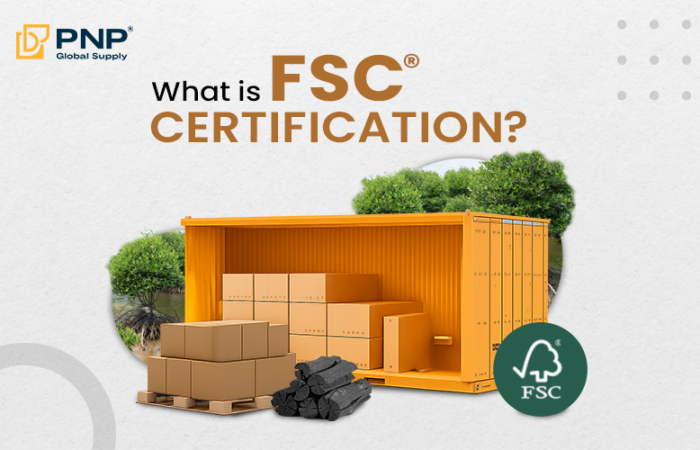
FSC Certification – Sustainable Forest Management Standard
One of the most recognized certifications in the charcoal industry is FSC certification.
FSC (Forest Stewardship Council) is an international certification system that ensures forest-based materials come from responsibly managed sources. For charcoal products manufactured from wood, FSC certification helps verify that raw materials are legally harvested and environmentally managed.
For buyers, this certification offers several advantages:
- Improved supply chain transparency
- Better acceptance in environmentally conscious markets
- Support for sustainability commitments
- Stronger brand positioning
Many international customers who buy bulk charcoal now request FSC-certified products as part of procurement requirements.
When evaluating suppliers, buyers should confirm whether the FSC certificate applies directly to the production process or only to raw material sourcing.
Want to understand how FSC certification impacts sourcing and export? Read our guide: What Is FSC Certification? Why It Matters for Charcoal Importers?
Phytosanitary Certificate
Although charcoal is processed material, some importing countries may still require phytosanitary documentation depending on local regulations.
This certificate confirms that exported products comply with plant health requirements and reduce the risk of biological contamination.
For charcoal importers, understanding destination-country requirements before shipment helps avoid unnecessary delays.
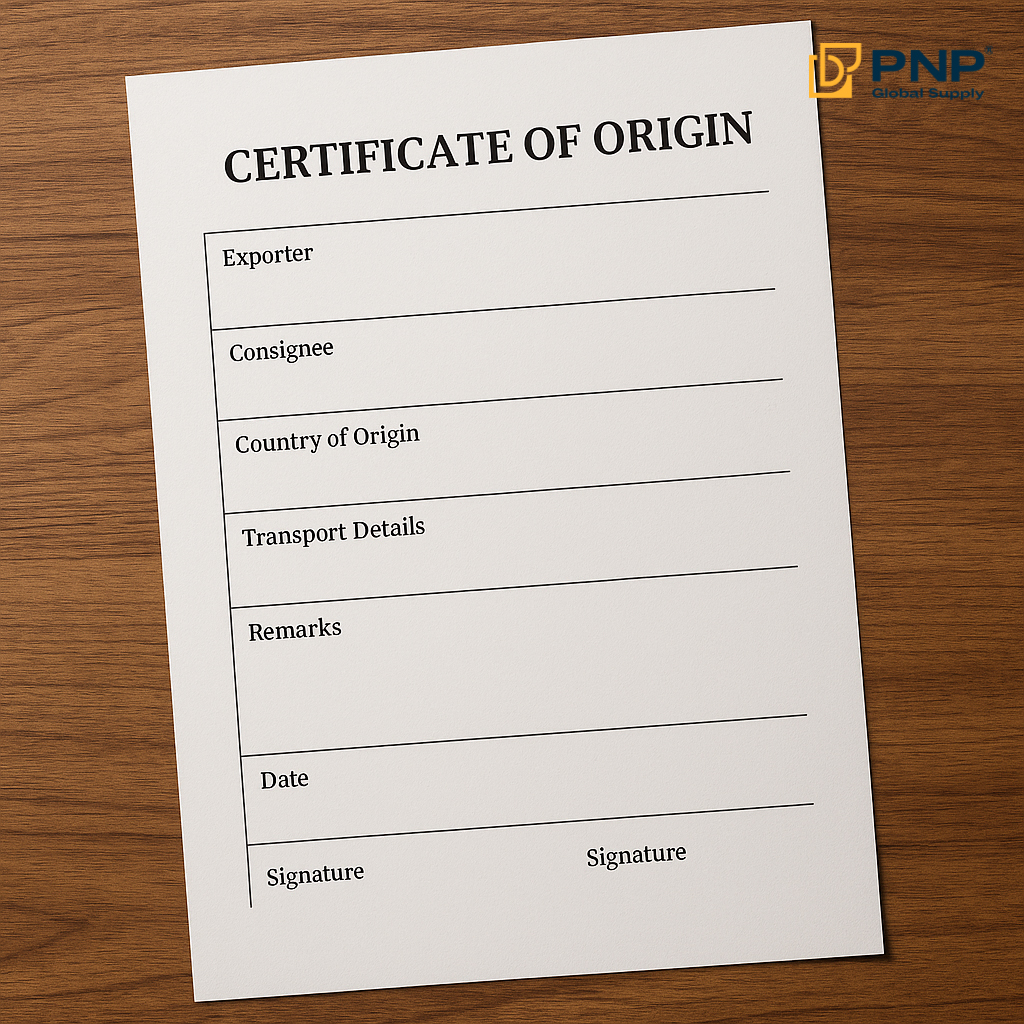
Certificate of Origin (CO)
A Certificate of Origin identifies where the charcoal was produced.
This document plays an important role in:
- Customs procedures
- Trade agreements
- Import taxes
- Verification of manufacturing location
When buyers buy charcoal internationally, having a clear Certificate of Origin simplifies import operations and may provide tariff benefits depending on bilateral agreements.
Third-Party Inspection and Quality Certification
Independent inspection agencies often conduct pre-shipment inspections to verify product specifications.
Inspection may include:
- Moisture content
- Fixed carbon level
- Ash percentage
- Packaging condition
- Loading process
For buyers purchasing large volumes, third-party verification creates additional confidence in product consistency.
Environmental and Export Compliance Documents
Beyond traditional certifications, some markets request environmental declarations and compliance documents.
These may include:
- Sustainable sourcing statements
- Manufacturing compliance records
- Product safety documentation
- Export permits
Suppliers who maintain complete export documentation generally offer more reliable long-term partnerships.
What Should Buyers Check Before They Buy Charcoal?
Choosing certified charcoal involves more than reviewing a logo on packaging.
Here are several important evaluation steps.
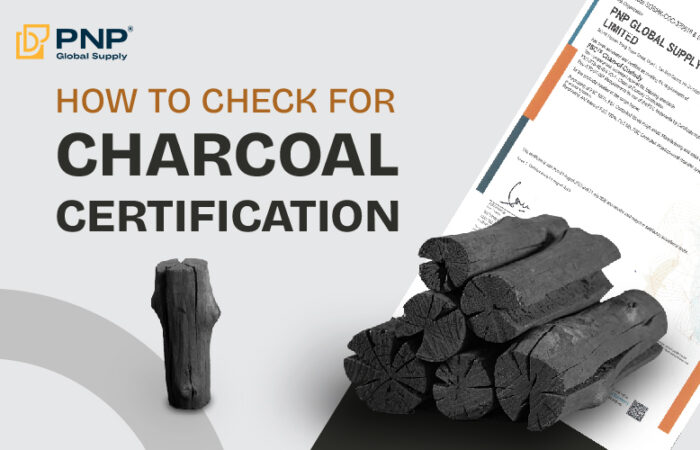
Request Supporting Documentation
Always ask suppliers to provide:
- Certificate copies
- Inspection reports
- Export documents
- Renewal dates
Reliable suppliers should be willing to share documentation for verification.
Verify Certificate Validity
Expired certifications create unnecessary import risks.
Buyers should confirm:
- Certificate issue date
- Expiration date
- Scope of certification
- Certification body
This process becomes especially important for companies planning to buy bulk charcoal repeatedly.
Match Documents With Actual Shipment
Certification information should align with:
- Product description
- Quantity
- Manufacturing location
- Packaging labels
Documentation consistency protects both buyers and suppliers.
Evaluate Long-Term Supplier Capability
Certification alone does not guarantee performance.
Buyers should also review:
- Production capacity
- Export experience
- Quality consistency
- Communication responsiveness
Companies that combine certification with operational reliability usually become stronger strategic partners.
How to Choose a Certified Charcoal Supplier
The best supplier is not always the cheapest one.
When selecting a charcoal manufacturer, buyers should prioritize:
- Transparency: A reliable supplier openly provides documents and production information.
- Export Readiness: Experience in international shipping reduces operational issues.
- Consistent Product Quality: Stable production systems support long-term cooperation.
- Sustainability Commitment: Certifications such as FSC certification demonstrate attention to responsible sourcing and long-term market expectations.
For companies planning to buy charcoal continuously, choosing suppliers with strong documentation and compliance systems often creates better business value over time.
Looking for a certified and reliable charcoal supplier? Explore premium-quality charcoal solutions from PNP Charcoal and discover products designed for global export standards.
Conclusion
As global charcoal markets continue evolving, certifications are becoming a key factor in purchasing decisions. Buyers today expect more than competitive pricing—they want transparency, compliance, and long-term reliability.
Whether you are one of many growing charcoal importers, looking to buy bulk charcoal, or sourcing premium lumpwood charcoal, understanding certification requirements can help protect your investment and improve supply chain performance.
Before you buy charcoal, take time to review supplier certifications, verify documentation, and choose partners that align with your quality and sustainability goals.
________________________________
Contact us for more information
Facebook: PNP Charcoal
Instagram: PNP Charcoal
Email: info@pnpglobalsupply.com