When it comes to premium grilling fuel, Japanese binchotan charcoal is often considered the gold standard. Known for its clean burn, high heat, and exceptional longevity, this traditional white charcoal has earned a reputation among professional chefs and BBQ enthusiasts worldwide. However, one question continues to stand out: why is binchotan charcoal so expensive compared to other types of charcoal?
The answer lies in a combination of rare raw materials, an extremely complex production process, and unmatched performance. In this article, we will break down the real reasons behind the high binchotan price and help you understand whether it is worth the investment.
Expensive Raw Materials: The Foundation of High Cost
One of the biggest reasons why Japanese binchotan charcoal is so expensive comes from its raw material. Authentic binchotan is made from a specific type of hardwood known as ubame oak, a dense and slow-growing tree found primarily in Japan.
Unlike common hardwood used for lump charcoal or even coconut shell charcoal, ubame oak takes many years to mature. This naturally limits the supply of suitable wood. In addition, strict forestry management practices in Japan ensure sustainable harvesting, which further restricts large-scale production.
Because of this scarcity, the cost of raw materials for making binchotan charcoal is significantly higher than other types of charcoal. This directly impacts the overall binchotan price, even before the production process begins.
Extremely Complex Production Process
Another key factor that makes Japanese Binchotan Charcoal one of the most expensive types of charcoal is its highly complex and traditional production process.
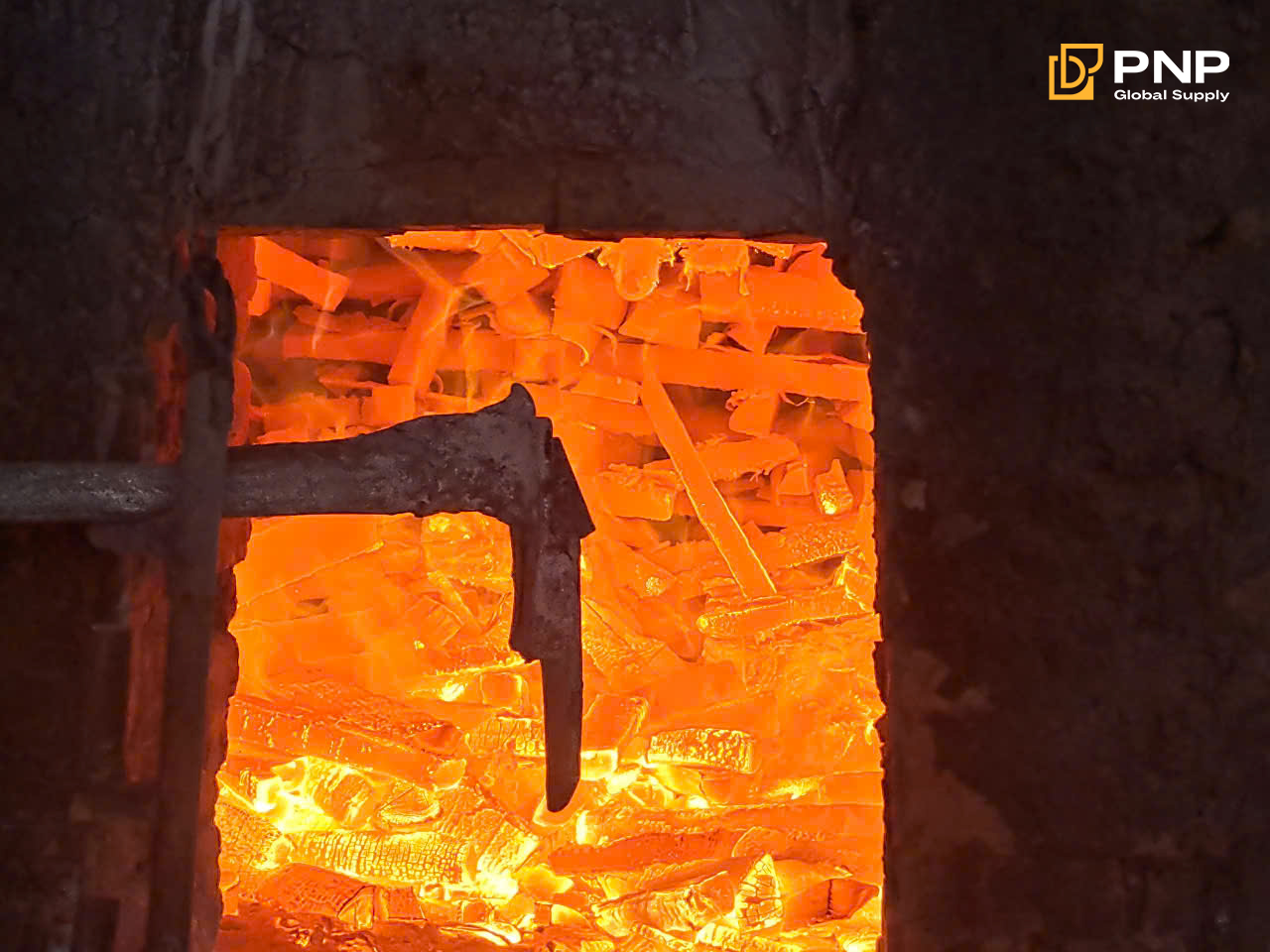
Unlike regular charcoal, binchotan is produced through a double-carbonization method that requires exceptional skill and careful temperature control. The wood is first slowly carbonized at low temperatures over an extended period. After the initial firing stage, the charcoal is heated again at extremely high temperatures, often reaching around 1000°C.
This second firing helps remove impurities, increase the fixed carbon content, and create the dense structure that binchotan charcoal is famous for. Once the charcoal reaches the desired condition, it is quickly removed from the kiln and covered with ash and sand, creating its signature white outer coating.
The entire process can take several days and demands experienced craftsmanship to maintain stable heat throughout both firing stages. Even a small mistake in temperature or timing can affect the quality of the final product. In addition, the production yield is relatively low, meaning a large amount of hardwood is needed to create a smaller quantity of finished charcoal.
Because of this labor-intensive two-step production process, japanese binchotan charcoal has significantly higher manufacturing costs compared to standard charcoal products.
Superior Performance
While the cost of Japanese binchotan charcoal may seem high, its performance is what truly sets it apart—and justifies the price.
First, binchotan is known for its exceptionally long burning time. Compared to regular lump charcoal, it can last significantly longer, reducing the need for frequent refueling. This makes it a cost-effective choice in the long run, especially for professional kitchens.
Second, binchotan produces very high and stable heat. This consistency is essential for precision grilling, particularly in Japanese cuisine where cooking techniques require exact temperature control.
Third, binchotan charcoal for grilling is virtually smokeless and odorless. Unlike lower-quality charcoal, it does not release unwanted fumes that can affect the taste of food. This allows the natural flavors of ingredients—especially meat and seafood—to shine through.
Because of these advantages, binchotan charcoal for grilling is widely used in high-end restaurants and premium BBQ setups. For those who prioritize quality over cost, binchotan is often considered the best choice available.
Limited Supply Meets High Global Demand
Another reason why Japanese Binchotan Charcoal has such a high price is the limited supply combined with growing global demand.
Today, the demand for binchotan charcoal continues to increase worldwide. It is widely used by Japanese restaurants, premium BBQ restaurants, and grilling enthusiasts who want a high-end cooking experience.
Because supply cannot easily keep up with demand, the binchotan price remains significantly higher than regular charcoal, especially in international markets where shipping and import costs are added.
As global demand for premium charcoal continues to rise while supply remains limited, many businesses are now exploring alternative sourcing options outside Japan. Vietnam has become one of the leading suppliers of high-quality white charcoal with competitive pricing and stable production capacity. If you are looking for reliable sourcing solutions, check out this guide on How to Import White Charcoal from Vietnam?.
Market Price of Binchotan Charcoal
In today’s market, binchotan charcoal is one of the most expensive types of charcoal available.
Standard lump charcoal is usually priced between USD 650–850 per ton, while charcoal briquettes commonly range from USD 700–900 per ton. In comparison, Japanese binchotan charcoal belongs to the premium charcoal segment, with export prices often ranging from USD 1,350–1,650 per ton.
For buyers looking to buy binchotan charcoal, understanding this price difference is important. The higher price usually reflects better quality, stronger heat, longer burning time, and cleaner performance.
Is It Worth Buying Binchotan Charcoal?
Given its high cost, many people wonder whether they should buy binchotan charcoal or stick with more affordable options.
The answer depends largely on your needs.
If you are running a high-end restaurant or aiming for a premium grilling experience, investing in Japanese binchotan charcoal can be a smart decision. Its consistent heat, clean burn, and long-lasting performance can enhance both cooking efficiency and food quality.
On the other hand, for casual BBQ at home, binchotan may not always be necessary. More affordable types of charcoal can still deliver good results for everyday grilling.
Ultimately, the decision to buy binchotan charcoal comes down to balancing cost and performance. For those who value top-tier quality, the higher binchotan price is often justified.
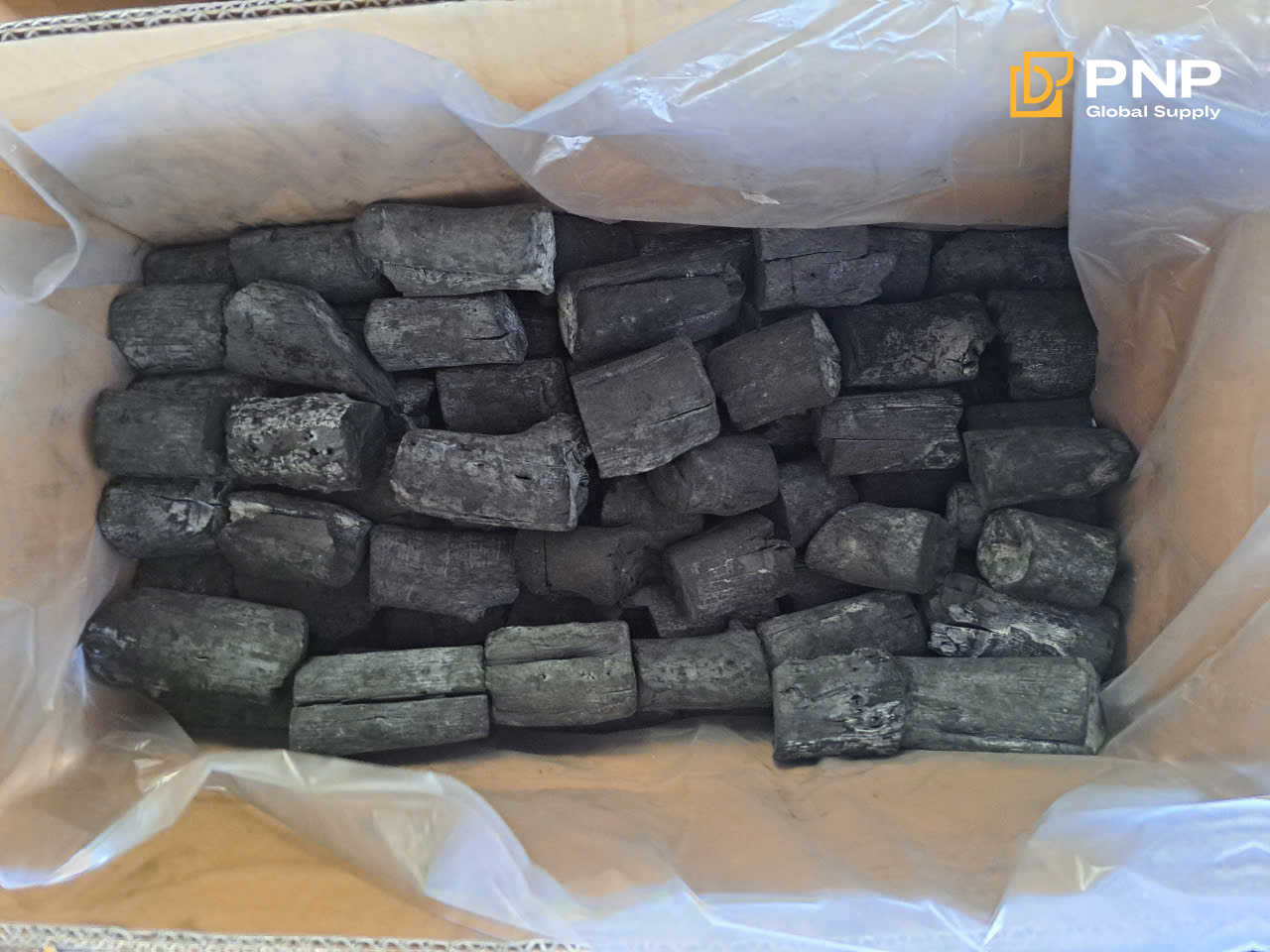
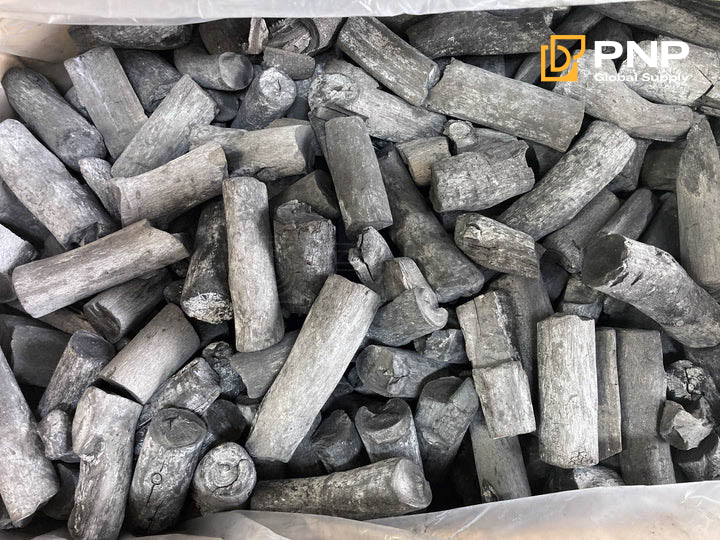
To make the price slightly more affordable, PNP Charcoal uses eucalyptus charcoal as the raw material for producing white charcoal. However, the performance remains very similar to traditional ubame oak charcoal, with strong heat, long burning time for premium grilling. Visit PNP Charcoal to explore Vietnamese binchotan charcoal
Conclusion
So, Japanese binchotan charcoal is the most expensive type of charcoal because of three key factors: rare raw materials, a highly complex production process, and superior performance. From the use of premium ubame oak to the traditional craftsmanship involved in making binchotan charcoal, every step contributes to its high cost.
At the same time, its exceptional qualities—long burn time, high heat, and clean grilling experience—make it a preferred choice for professionals and enthusiasts alike.
While the binchotan price may be higher than other options, it reflects the true value of a product that delivers unmatched performance. For those seeking the best possible grilling results, binchotan charcoal for grilling remains a worthwhile investment.
________________________________
Contact us for more information
Facebook: PNP Charcoal
Instagram: PNP Charcoal
Email: info@pnpglobalsupply.com