In this guide, you will learn the complete process of making charcoal briquettes by hand, including how to make charcoal briquettes from sawdust, the materials required, and practical tips for achieving high-quality results at home.
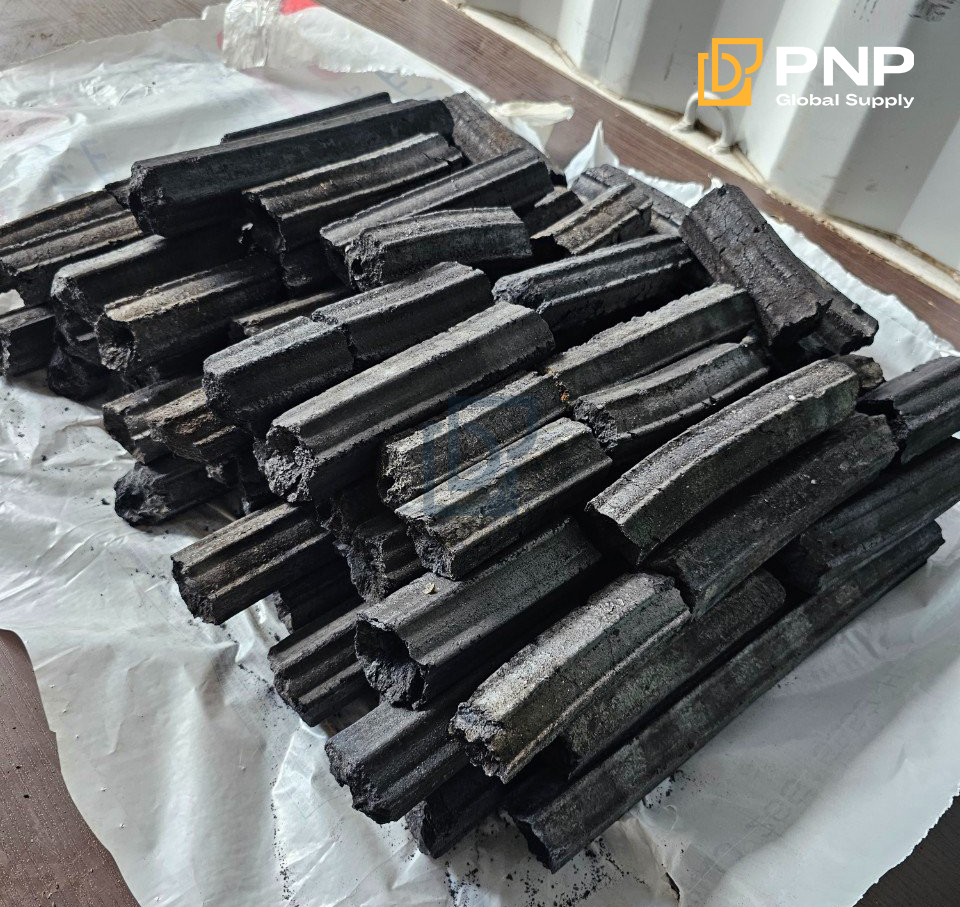
Can Make Charcoal Briquettes Without a Machine?
Making charcoal briquettes at home offers several benefits, especially for small-scale producers and eco-conscious users.
First, it allows you to recycle biomass waste such as sawdust, agricultural residues, and charcoal dust. Instead of discarding these materials, you can turn them into a valuable fuel source. This is particularly relevant for those looking into homemade sawdust briquettes as a sustainable alternative.
Second, it requires minimal investment. Without the need for expensive machinery, anyone can start producing briquettes using basic tools and simple techniques.
Finally, manual production is flexible. You can experiment with different raw materials, binder ratios, and shapes to suit your specific needs, whether for personal use or selling to charcoal briquettes wholesale suppliers.
Understanding the Charcoal Production Process
To successfully produce briquettes, you need a basic understanding of the charcoal production process. Even when working without a machine, the core steps remain the same.
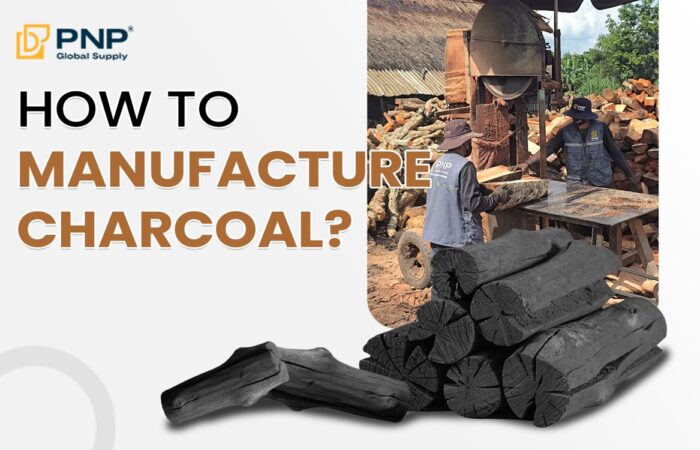
The process typically includes carbonization, crushing, mixing, molding, and drying. Carbonization involves converting raw biomass into charcoal through controlled burning in a low-oxygen environment. This step is essential if you are starting from raw materials like wood or agricultural waste.
Once charcoal is obtained, it is crushed into fine powder. This powder is then mixed with a binder and water to create a moldable mixture. The mixture is shaped into briquettes and left to dry until they are ready for use.

Materials Needed for Homemade Briquettes
Making charcoal briquettes at home does not require complicated equipment, but you will need the right materials.
The primary ingredient is charcoal powder or sawdust. If you are learning how to make charcoal briquettes from sawdust, ensure the sawdust is dry and free from chemicals.
You will also need a binder to hold the briquettes together. Common binders include starch (such as cassava flour or corn starch), clay, or even paper pulp. Starch is the most recommended option because it produces cleaner-burning briquettes.
Water is essential to create the right consistency for molding. Additionally, simple tools such as a basin for mixing, a mold (which can be handmade), and a drying surface are required.
Step-by-Step Guide: How to Make Charcoal Briquettes Without a Machine
Step 1: Cacbonize the Raw Materials
If you are starting with raw biomass like sawdust, you may need to carbonize it first. This can be done by burning the material in a drum or pit with limited oxygen. The goal is to produce charcoal rather than ash.
Once you have charcoal, crush it into a fine powder. The finer the particles, the better the briquettes will bind and burn.
Step 2: Prepare the Binder
To create a binder, mix starch with water and heat it until it forms a thick paste. This paste will act as the glue that holds your briquettes together.
The typical ratio is about 5–10% binder compared to the weight of the charcoal powder. Too much binder can produce excessive smoke, while too little may cause the briquettes to crumble.
Step 3: Mix the Ingredients
Combine the charcoal powder with the binder paste in a large container. Gradually add water while mixing until the mixture becomes thick and moldable.
The texture should be similar to dough—not too wet, but not too dry. Proper mixing is crucial for producing durable homemade sawdust briquettes.
Step 4: Shape the Briquettes
Since you are not using a machine, shaping must be done manually. You can use simple molds made from plastic bottles, metal pipes, or even shape the briquettes by hand.
Press the mixture firmly into the mold to remove air pockets. Compact briquettes burn more efficiently and last longer.
Step 5: Dry the Briquettes
Drying is one of the most important steps in the process. Place the shaped briquettes in a well-ventilated area under direct sunlight if possible.
Depending on the weather, drying can take several days. The briquettes must be completely dry before use to ensure proper combustion and reduce smoke.
Tips for Better Quality Briquettes
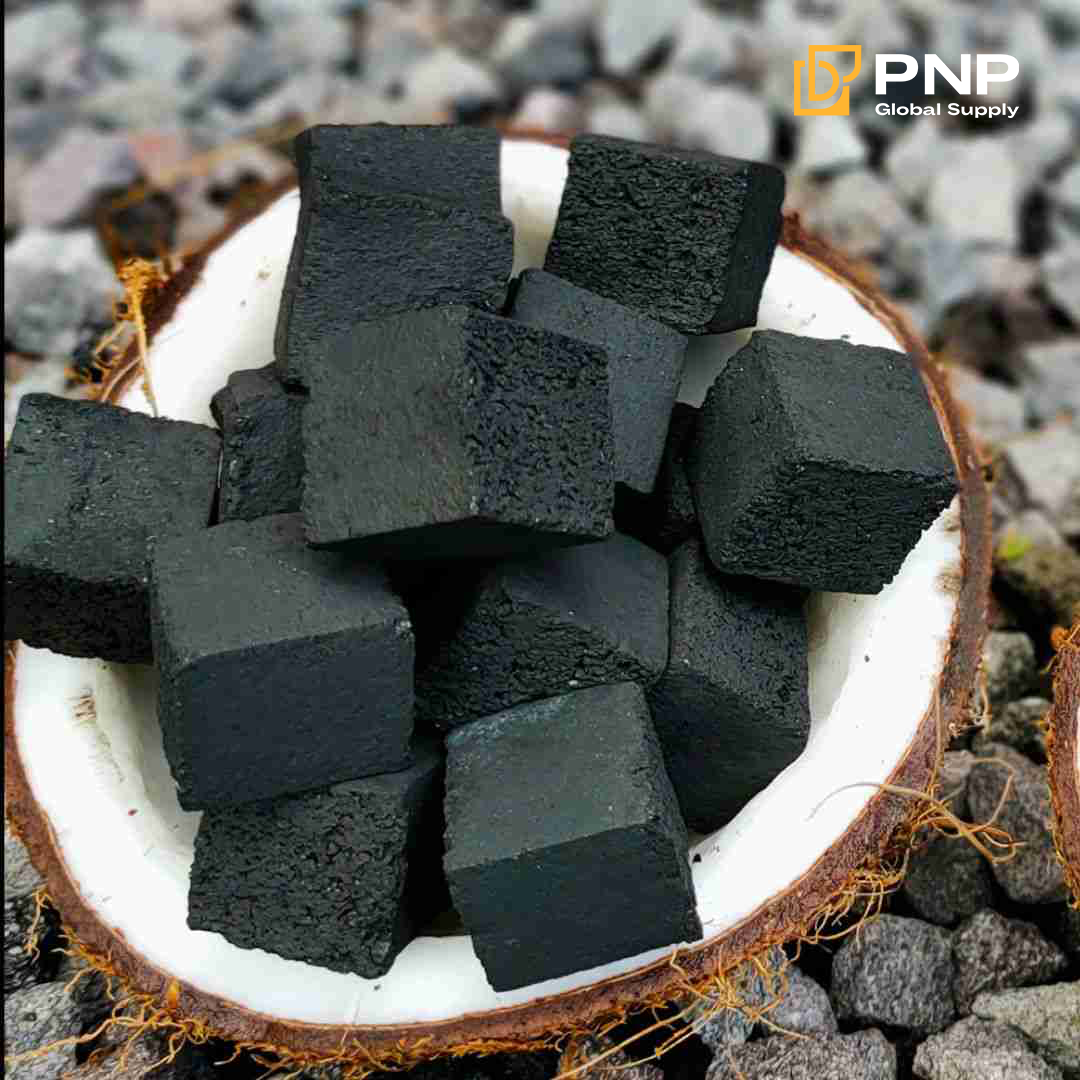
Producing high-quality briquettes without a machine requires attention to detail. One key factor is particle size. Finer charcoal powder results in smoother and more compact briquettes.
Another important aspect is the binder ratio. Finding the right balance ensures that the briquettes are strong but still burn efficiently.
Drying conditions also play a critical role. In humid environments, drying may take longer, so proper ventilation is essential. Avoid stacking briquettes during drying, as this can trap moisture.
If you are planning to sell your products to charcoal briquettes wholesale suppliers, consistency in size and shape will make your briquettes more attractive in the market.
Common Challenges and How to Overcome Them
Many beginners face issues when making charcoal briquettes at home. One common problem is briquettes breaking apart after drying. This usually happens due to insufficient binder or poor mixing.
Another issue is excessive smoke during burning. This can be caused by too much binder or incomplete carbonization of the raw materials.
Slow drying is also a frequent challenge, especially in rainy or humid climates. In such cases, consider using a simple drying rack or indoor ventilation system to improve airflow.
Check out this article on briquette charcoal price prediction for 2026 to explore the latest market trends: https://pnpcharcoal.com/briquette-charcoal-price-prediction-for-2025/
Conclusion
Understanding how to make charcoal briquettes without a machine opens up new opportunities for sustainable living and small-scale business development. By using simple tools and readily available materials like sawdust and charcoal powder, anyone can produce efficient and eco-friendly fuel at home.
From mastering the charcoal production process to refining your technique for homemade sawdust briquettes, the key lies in practice and attention to detail. Whether your goal is to reduce waste, save costs, or supply charcoal briquettes wholesale suppliers, this method provides a practical and accessible solution.
If you are looking to enter the charcoal industry or simply want a reliable DIY fuel option, manual briquette production is a great place to start.
________________________________
Contact us for more information
Facebook: PNP Charcoal
Instagram: PNP Charcoal
Email: info@pnpglobalsupply.com