When it comes to grilling, many people assume that more smoke means better flavor. However, the truth is completely different. Understanding good smoke vs bad smoke BBQ is one of the most important skills in charcoal grilling.
The difference between thick white smoke and thin blue smoke determines whether your food tastes rich and balanced or bitter and overpowering. Whether you are a home griller, BBQ restaurant owner, or working with charcoal suppliers, mastering smoke control will significantly improve your results.
This article explains what bad smoke and good smoke really mean, why they happen, and how to control them using the best charcoal for grilling..
Key Differences Between Good Smoke and Bad Smoke in BBQ
To understand good smoke vs bad smoke bbq, we must look at how charcoal burns.
What is White Smoke (Bad Smoke)?
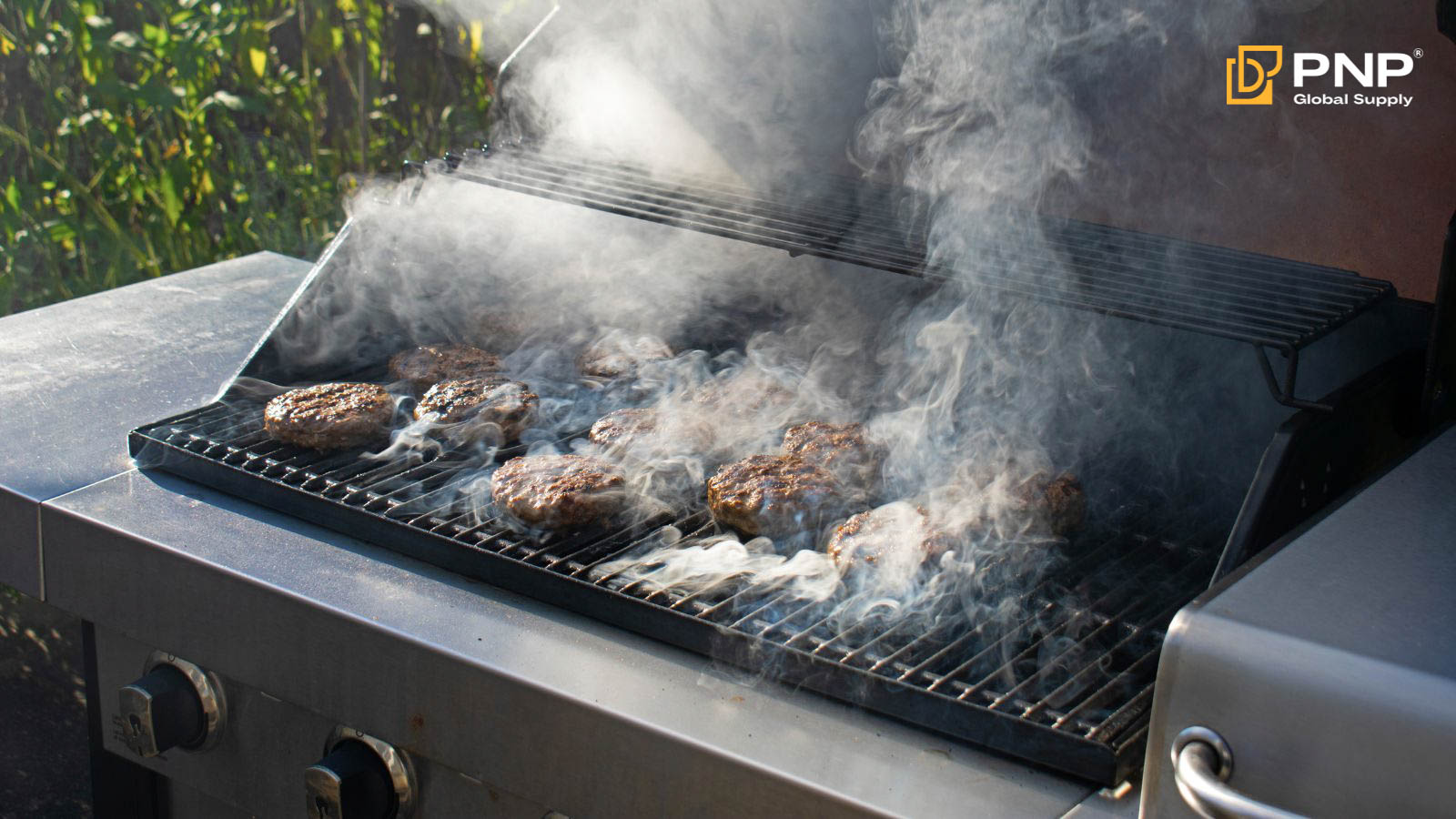
White smoke is thick, heavy, and clearly visible. It usually appears when charcoal is first ignited or when combustion is incomplete. The smell is sharp and sometimes unpleasant.
White smoke happens when:
- Charcoal is not fully heated
- There is not enough oxygen
- The fuel contains moisture
- Low-quality charcoal contains additives
Food exposed to white smoke absorbs unburned particles. The result is a bitter, acrid taste that ruins the natural flavor of meat.
What is Blue Smoke (Good Smoke)?
Blue smoke is thin, light, and sometimes almost invisible. It has a clean, slightly sweet wood aroma. This is the ideal smoke for grilling.
Blue smoke appears when:
- Charcoal is fully ignited
- Airflow is balanced
- Combustion is clean and stable
In the debate of good smoke vs bad smoke bbq, blue smoke is always the goal. It enhances flavor without overwhelming it.
Key Benefits of Achieving Good Blue Smoke
Understanding smoke quality is not just technical knowledge — it directly impacts grilling performance.
First, blue smoke creates cleaner flavor. Instead of masking the meat, it complements it.
Second, it ensures better texture. Excess white smoke can make the outer layer of food taste harsh.
Third, it improves consistency. When you use proper fuel and apply correct tips for charcoal grilling, you can replicate results every time.
Finally, controlled blue smoke reduces flare-ups and temperature instability.
Preparation Steps Before You Start Grilling
Achieving good smoke begins before food even touches the grill.
Choose the Best Charcoal for Grilling
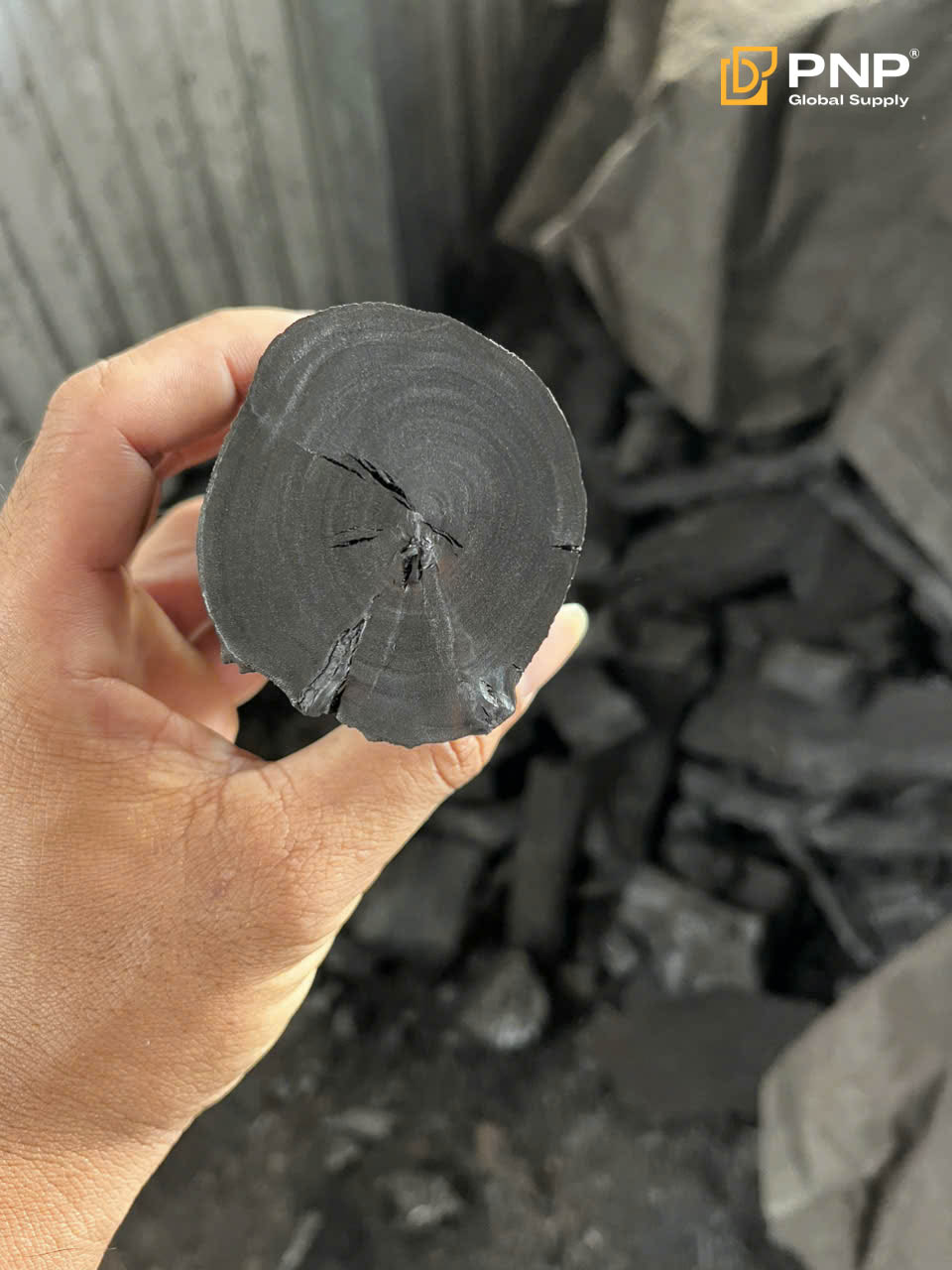
Fuel selection is critical. Among the different charcoal types, natural hardwood charcoal is widely preferred.
Many professionals choose lumpwood charcoal because:
- It contains no chemical binders
- It burns hotter
- It produces less ash
- It transitions faster to clean blue smoke
If you consistently struggle with white smoke, switching to the best charcoal for grilling can solve half the problem immediately.
Proper Ignition
Allow charcoal to burn until it is covered with a thin gray ash layer. Do not rush this stage. Placing food too early is one of the biggest mistakes beginners make.
Ensure Proper Airflow
Keep grill vents open enough to supply oxygen. Oxygen supports clean combustion and reduces white smoke.
Specific Tips for Controlling Smoke During Grilling
These practical tips for charcoal grilling will help you maintain clean smoke throughout the cooking process and better manage good smoke vs bad smoke BBQ.
First, avoid adding too much fresh charcoal at once. New charcoal releases white smoke during ignition, which affects good smoke vs bad smoke BBQ balance. Add small amounts gradually.
Second, avoid closing vents completely. Restricted airflow leads to smoldering instead of clean burning.
Third, create two heat zones. This allows you to move food away from direct flare-ups that may cause sudden white smoke.
Fourth, keep your grill clean. Old grease and residue can burn and generate unwanted smoke.
Mastering these tips for charcoal grilling ensures stable blue smoke and helps you fully control good smoke vs bad smoke BBQ results.
How Different Charcoal Types Affect Smoke Quality
Not all fuels behave the same. Understanding different charcoal types helps you choose wisely.
- Lumpwood Charcoal
Lumpwood charcoal burns naturally and cleanly. Because it is made from solid wood pieces, it produces less artificial smoke. It is often considered the best charcoal for grilling when clean smoke is the priority.
- Briquettes
Briquettes burn consistently but may contain binders. Lower-grade briquettes can produce more white smoke during ignition.
- Low-Quality or Wet Charcoal
Charcoal stored improperly absorbs moisture. Moisture creates steam and thick white smoke. This is a common reason people experience bad smoke even when following correct grilling techniques.
In the comparison of good smoke vs bad smoke bbq, fuel quality plays a decisive role.
Additional Enhancements for Cleaner Smoke
If you want professional-level results, consider these improvements.
Use a chimney starter instead of lighter fluid. Lighter fluid creates chemical smoke that contaminates flavor.
Store charcoal in sealed, dry containers. Even the best charcoal for grilling performs poorly when exposed to humidity.
Monitor temperature stability. Rapid temperature swings often trigger incomplete combustion and white smoke.
These small adjustments significantly improve smoke quality over time.
Where to Buy Quality Charcoal
For home grillers, buying branded, tested charcoal reduces risk.
For restaurants and distributors, partnering with reliable charcoal suppliers is essential. Professional charcoal suppliers ensure consistent carbon content, low moisture levels, and clean-burning performance.
If you operate a BBQ business, inconsistent fuel leads to inconsistent flavor. Working with experienced charcoal suppliers guarantees stable smoke behavior and better customer satisfaction.
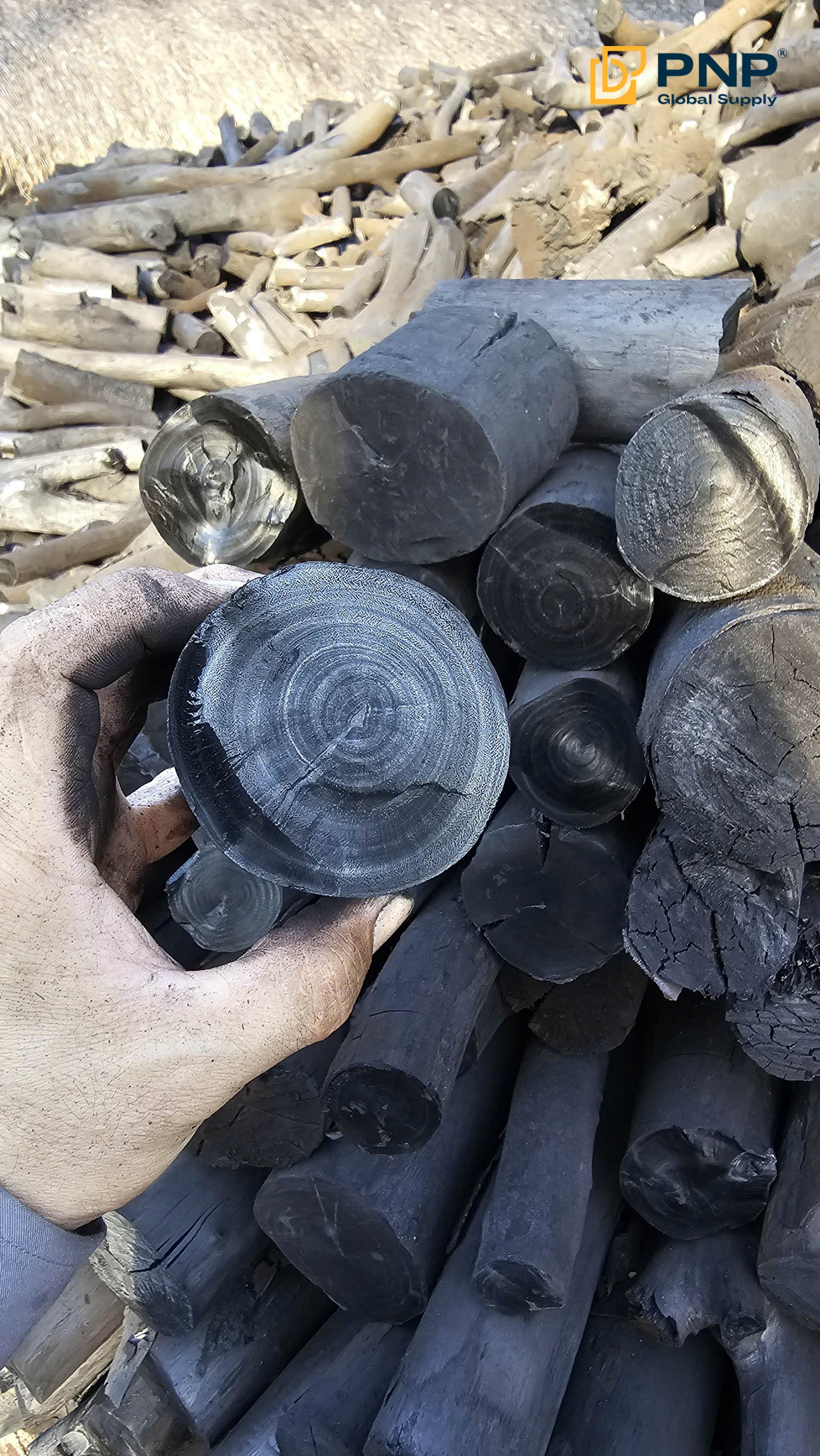
If you are looking for a trusted partner, PNP Charcoal supplies high-quality charcoal for both home grillers and BBQ businesses. With strict raw material selection, controlled carbonization processes, and consistent quality standards, PNP Charcoal ensures stable burning, low moisture, and clean smoke performance. Partnering with PNP Charcoal helps distributors and restaurants maintain consistent flavor, reliable heat output, and long-term customer satisfaction.
Learn more at: https://pnpcharcoal.com
Conclusion
Understanding good smoke vs bad smoke bbq is fundamental to mastering charcoal grilling. White smoke indicates incomplete combustion and often results in bitter flavor. Blue smoke represents clean burning and balanced taste.
By selecting the best charcoal for grilling, especially high-quality lumpwood charcoal, understanding the behavior of different charcoal types, and applying proper tips for charcoal grilling, you can consistently achieve clean blue smoke.
Grilling excellence does not come from more smoke — it comes from better smoke. Control the fire, choose the right fuel, and your BBQ results will immediately improve.
________________________________
Contact us for more information
Facebook: PNP Charcoal
Instagram: PNP Charcoal
Email: info@pnpglobalsupply.com