FSC® certification has become an important standard for businesses that source, trade, or use wood-based products worldwide. Many buyers today ask what is FSC® certified before placing orders, especially in industries related to wood, timber, and charcoal. For charcoal importers, FSC certification helps ensure that products come from responsibly managed forests and meet international requirements. As global demand for sustainable products grows, understanding the meaning of FSC certification is no longer optional—it is a competitive advantage.
What Is FSC® Certification?
FSC® certification is a globally recognized system developed by the Forest Stewardship Council. It ensures that forests are managed in an environmentally responsible, socially beneficial, and economically viable way.
The forest stewardship council FSC certification applies to forests, wood processing facilities, and supply chains. When a product is FSC® certified, it means the raw material comes from forests that protect biodiversity, respect local communities, and follow strict legal standards.
In simple terms, the meaning of FSC certification is trust. It tells buyers that the product they purchase supports sustainable forestry and responsible sourcing.
History of the Forest Stewardship Council
The Forest Stewardship Council is an independent, non-profit organization founded in 1993. Its mission is to promote responsible management of the world’s forests.
The forest stewardship council FSC certification system is used in more than 80 countries and is trusted by governments, international brands, and importers. FSC® does not own forests or trade products. Instead, it sets standards and authorizes third-party auditors to verify compliance.
This transparency is why FSC certification is highly valued in global trade.
Types of FSC® Certification
FSC® has developed two main kinds of certification: Forest Management (FM) certification and Chain of Custody (CoC) certification. Verification of all FSC® requirements is a guarantee that FSC® labelled materials and products come from responsible sources.
Forest Management (FM)
This certification is granted to forest owners or managers who follow FSC® standards in harvesting and replanting.
Chain of Custody (CoC)
Chain of Custody certification tracks materials from the forest to the final product. This is especially important for FSC certification for wood and charcoal products.
FSC® Certification for Wood and Charcoal Products
FSC certification for wood is widely used in furniture, construction, and packaging industries. However, it is becoming equally important in the charcoal sector.
Charcoal is a wood-based product. Without certification, buyers may face concerns about illegal logging or deforestation. FSC® certification provides clear proof that the raw materials used to produce charcoal come from responsibly managed forests.
For charcoal importers, FSC®-certified charcoal reduces risks related to regulations, customs clearance, and sustainability audits.
How FSC Certification Impacts Global Trade – Why It Matters for Charcoal Importers
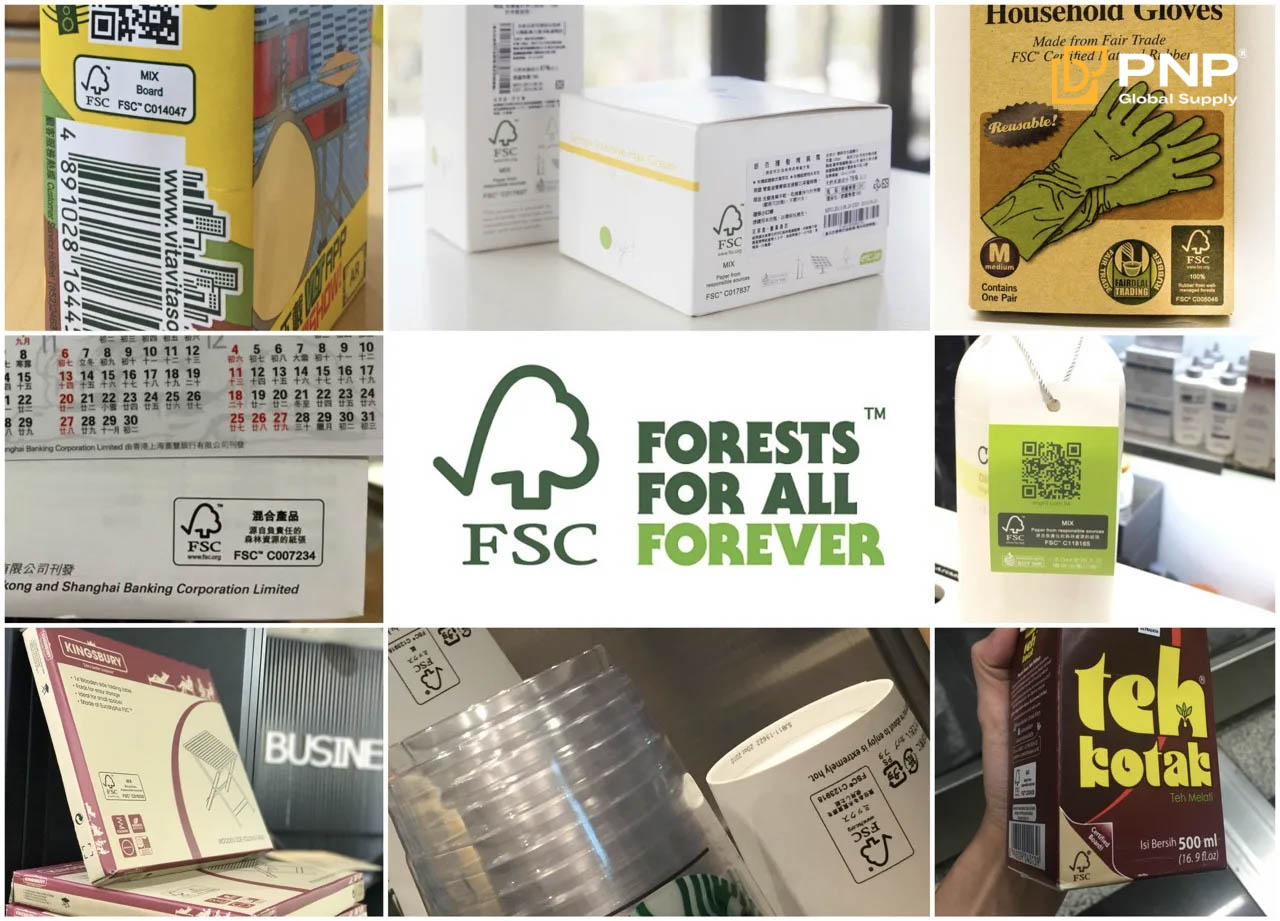
Global buyers increasingly require verified proof of sustainability, especially in markets with strict environmental and sourcing regulations. In practice, FSC certification is often requested during supplier audits, government tenders, and long-term supply agreements.
While FSC certification is not always written as a legal requirement, many countries apply regulations that make FSC certification the easiest and safest way to comply:
-
European Union (EU): Under the EUDR and timber due diligence rules, importers must prove legal and sustainable origin. FSC certification is widely accepted as strong supporting evidence.
-
United Kingdom: Similar post-Brexit timber regulations require risk mitigation and traceability, where FSC-certified products are preferred.
-
United States: The Lacey Act requires proof of legal harvesting. FSC certification helps reduce compliance risk during inspections.
-
Japan & South Korea: FSC certification is commonly required in public procurement and by large corporate buyers.
-
Australia & Canada: FSC-certified products are strongly favored in regulated and premium market segments.
In international trade, the meaning of FSC certification goes beyond forestry. It represents transparency, responsible sourcing, and supply chain control. As a result, FSC-certified products are more competitive in premium and regulated markets, especially for long-term contracts.
This is why many exporters invest in FSC certification even when it is not legally mandatory—because without FSC, access to key markets, large buyers, and stable contracts becomes significantly more difficult.
What Does FSC® Certified Mean for Buyers?
When asking what is FSC® certified, buyers should understand that FSC certification guarantees:
- Responsible forest management
- Traceability of raw materials
- Compliance with international standards
- Third-party verification
For buyers who buy bulk charcoal, this means peace of mind. They know their supply chain is clean, documented, and sustainable.
Learn more: The Benefits of Choosing FSC Certified Charcoal for BBQ
FSC Certification and Sustainable Charcoal Production
Sustainable charcoal production is no longer just about burning efficiency or ash content. It also includes environmental responsibility.
FSC®-certified charcoal producers focus on:
- Legal wood sources
- Controlled harvesting
- Reforestation practices
- Reduced environmental impact
This approach benefits not only forests but also long-term supply stability.
Why FSC® Certification Is Important for Long-Term Partnerships
Many international buyers look for long-term suppliers rather than short-term deals. FSC® certification shows commitment and professionalism.
For charcoal importers, working with FSC®-certified suppliers means:
- Fewer supply chain disruptions
- Easier documentation for customs
- Stronger trust with downstream clients
This is especially important when scaling up and buy bulk charcoal on a regular basis.
At PNP Charcoal, we fully understand the importance of FSC® certification in the global charcoal industry. Our charcoal products are produced under a strict system with proper FSC® certification, ensuring that all raw materials come from responsibly managed forests.
Conclusion
Understanding what is FSC certified is essential for any business involved in wood or charcoal products. The meaning of FSC certification goes beyond sustainability—it represents reliability, transparency, and global acceptance. For charcoal importers, FSC certification is a key factor when choosing long-term suppliers, especially when planning to buy bulk charcoal for international markets.
If you are looking for a reliable supplier with proper FSC certification, PNP Charcoal is ready to support your business.
________________________________
Contact us for more information
Facebook: PNP Charcoal
Instagram: PNP Charcoal
Email: info@pnpglobalsupply.com