The charcoal industry remains an essential part of global energy supply, supporting BBQ grilling, cooking, and various industrial applications. From small family kilns to large-scale factories, charcoal making relies heavily on human labor. While the final product is widely valued for its stable heat and clean burning performance, the charcoal production process itself involves numerous health and safety risks for workers.
In both modern factories and traditional charcoal making, employees are frequently exposed to high temperatures, charcoal dust, smoke, and heavy manual tasks. Without proper protective equipment, long-term exposure can lead to respiratory issues, skin damage, and workplace injuries. Therefore, equipping workers with the right safety gear is a fundamental requirement in any responsible charcoal manufacture operation.
Health Risks During the Charcoal Production Process
The charcoal making process includes several stages such as wood preparation, carbonization, cooling, and charcoal handling. Each step presents different hazards that can affect workers’ health.
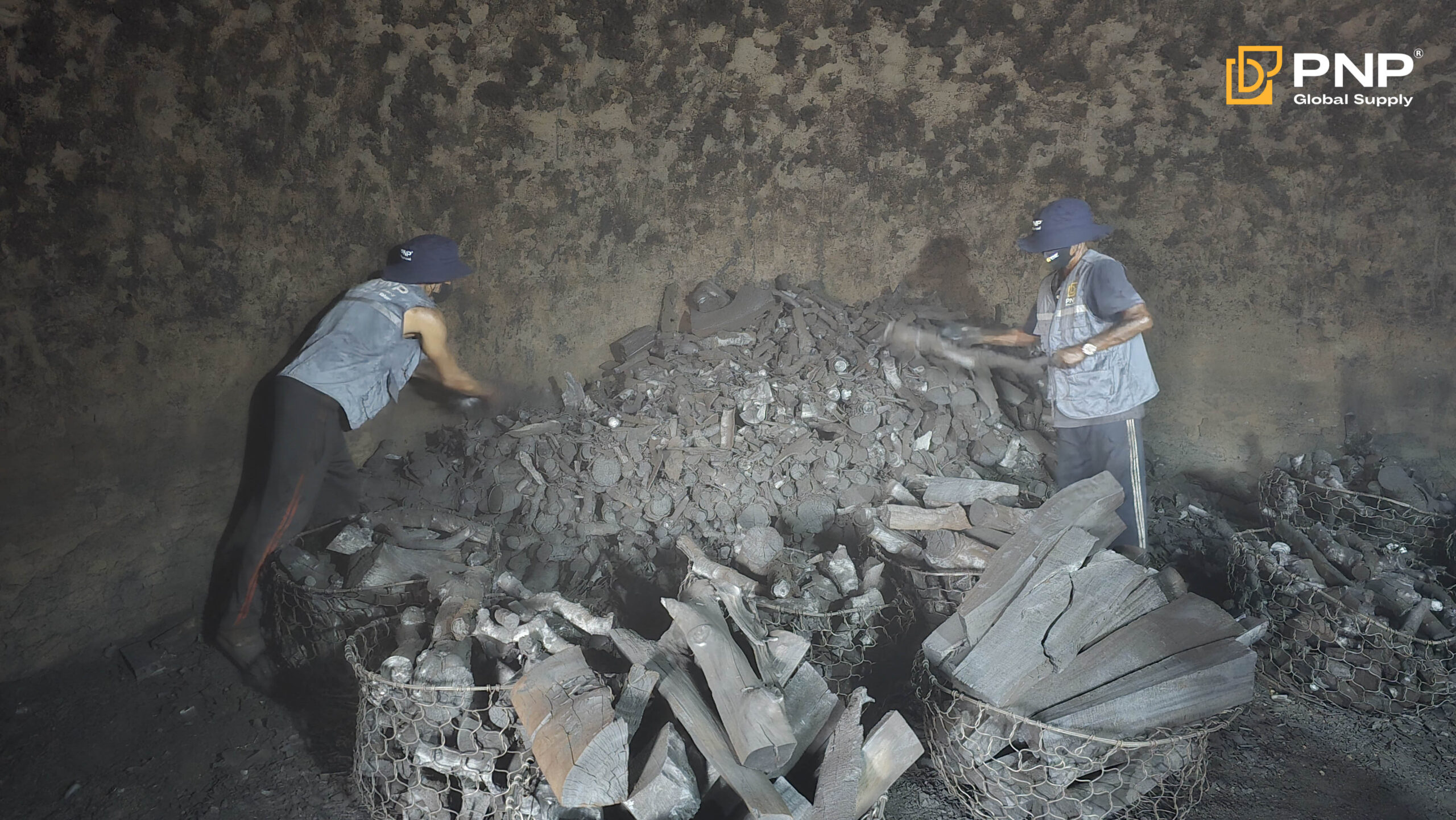
One of the most common risks in the process of making charcoal is prolonged exposure to smoke and fine charcoal dust. These particles can easily enter the respiratory system, causing coughing, eye irritation, and long-term lung problems. In traditional charcoal making, where ventilation systems are often limited, the risk is even higher.
Heat is another major concern. Workers operate near kilns or carbonization chambers that reach extremely high temperatures. Burns, heat exhaustion, and dehydration are common issues in poorly protected charcoal manufacture environments. Additionally, handling raw materials and finished charcoal exposes workers to sharp edges, falling objects, and repetitive physical strain.
Essential Protective Equipment for Charcoal Workers
To reduce health risks and improve working conditions, proper protective equipment must be an integral part of charcoal making operations.
Protective Headgear
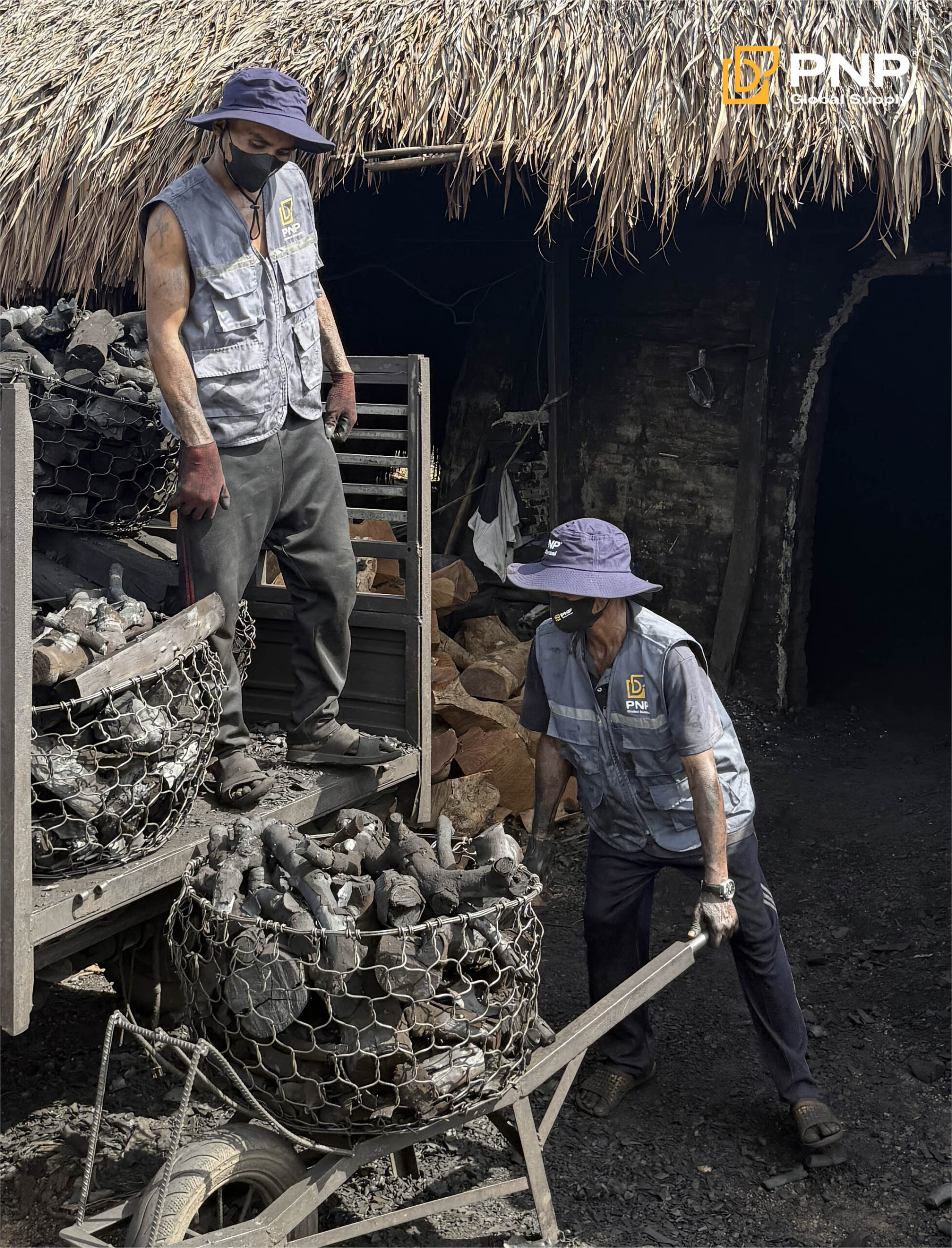
Helmets or heat-resistant hats play a crucial role in the charcoal production process. They protect workers from falling wood, collapsing kiln materials, and accidental impacts during loading and unloading. In open-air traditional charcoal making, headgear also shields workers from direct sunlight and excessive heat.
Heat-Resistant Gloves
Gloves are indispensable in the charcoal making process, especially when handling hot materials or freshly produced charcoal. Heat-resistant gloves help prevent burns, blisters, and cuts, allowing workers to perform tasks safely and efficiently throughout the process of making charcoal.
Respiratory Protection
Masks and respirators are among the most critical protective tools in charcoal manufacture. High-quality masks significantly reduce inhalation of smoke, ash, and fine charcoal particles. This is particularly important in traditional charcoal making, where smoke control is often minimal and workers spend long hours near kilns.
Protective Clothing
Long-sleeved, fire-resistant clothing helps protect the skin during charcoal making. Proper workwear minimizes direct contact with hot surfaces, sparks, and dust, reducing the risk of burns and skin irritation in the charcoal production process.
Safety Footwear
Safety boots with non-slip soles and heat-resistant materials are essential in any charcoal manufacture facility. Workers frequently walk on uneven surfaces covered with ash or charcoal residue. Proper footwear reduces the risk of slipping, foot injuries, and heat-related accidents during the process of making charcoal.
Supporting Safety Tools in Traditional Charcoal Making
Beyond basic protective equipment, additional safety tools further enhance worker protection in traditional charcoal making.
Protective goggles help shield the eyes from flying particles, smoke, and dust during charcoal handling. Specialized tools such as metal tongs and shovels allow workers to move charcoal without direct contact, improving safety throughout the charcoal making process.
In many charcoal production process setups, simple barriers or shields around kilns help limit accidental contact with high-temperature areas. Even small improvements in equipment design can significantly reduce workplace hazards.
Training and Safety Awareness for Charcoal Workers
Protective equipment alone is not sufficient without proper training. Workers involved in charcoal making must understand how to use safety gear correctly and consistently. Training programs should cover basic hazard identification, emergency response, and proper handling techniques throughout the charcoal making process.
In charcoal manufacture, safety awareness also includes understanding the risks of long-term exposure to smoke and dust. Encouraging workers to wear masks and protective clothing at all times helps create a safety-focused culture, especially in traditional charcoal making environments where practices are passed down through generations.
At PNP Charcoal, worker health and safety are always a top priority. As a trusted charcoal supplier, we consistently invest in proper training and provide full protective equipment to ensure our employees work safely throughout the charcoal making process. By maintaining a strong safety culture and responsible production standards, we are able to deliver high-quality charcoal that meets market expectations. Visit our website to learn more about: PNP Charcoal and our commitment to safe and sustainable charcoal manufacture.
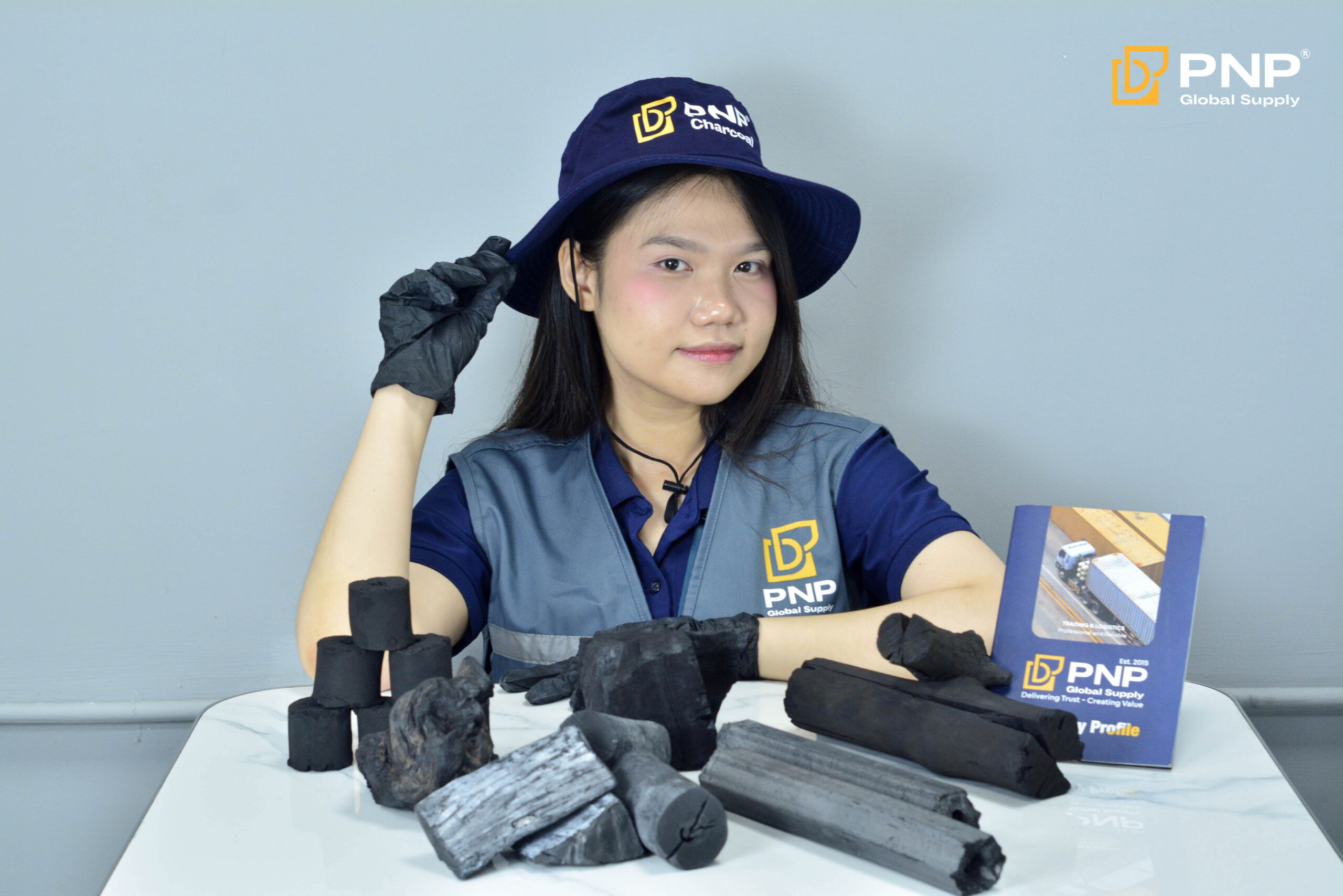
Improving Working Conditions in Charcoal Manufacture
Improving working conditions is another effective way to protect worker health during charcoal making. Proper ventilation systems help reduce smoke concentration and improve air quality in the charcoal production process. Even natural airflow improvements can make a noticeable difference in small-scale operations.
Organizing workspaces to reduce unnecessary movement and heavy lifting also helps minimize physical strain in the process of making charcoal. Clearly marked work zones and safe pathways contribute to a more efficient and secure charcoal manufacture environment.
Long-Term Health Protection in Charcoal Making
Long-term health protection is a critical consideration for sustainable charcoal making. Regular health checkups help detect respiratory or skin issues early, allowing workers to receive timely treatment. Employers who invest in worker health often see improvements in productivity and product quality throughout the charcoal making process.
Reducing daily exposure to smoke, dust, and heat also lowers the risk of chronic illnesses. By combining protective equipment, training, and improved working conditions, charcoal manufacture operations can achieve a healthier and more sustainable workforce, even in traditional charcoal making settings.
Conclusion
The success of charcoal making depends not only on production efficiency but also on the health and safety of the workers involved. From helmets and gloves to masks and protective clothing, proper equipment plays a vital role in minimizing risks during the charcoal production process.
By prioritizing worker protection, producers can improve efficiency, maintain consistent quality, and ensure long-term sustainability in charcoal manufacture. Whether in modern facilities or traditional charcoal making, investing in safety is not just a responsibility—it is the foundation of a resilient and ethical charcoal industry.
________________________________
Contact us for more information
Facebook: PNP Charcoal
Instagram: PNP Charcoal
Email: info@pnpglobalsupply.com