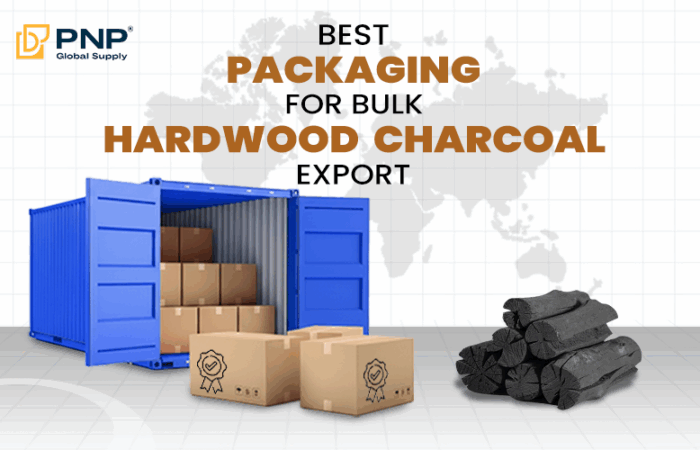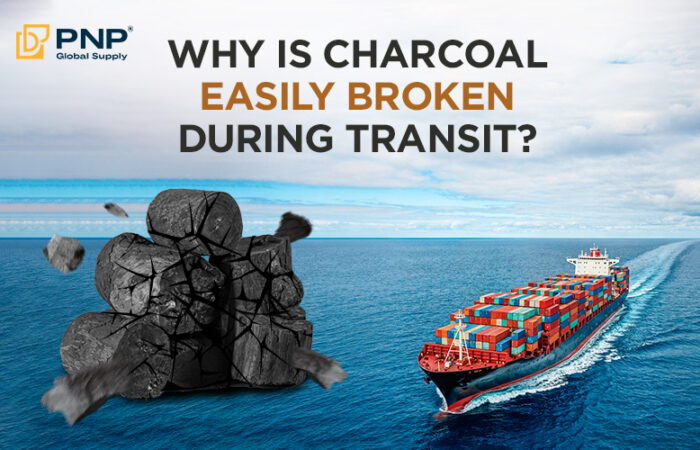
In the global charcoal industry, charcoal packaging plays a crucial role in protecting the product, improving transportation efficiency, and enhancing brand identity. As international demand for BBQ charcoal continues to grow, exporters must pay close attention to how their products are packed and presented. Proper packaging ensures that charcoal maintains its quality during long-distance shipping while also making the product more attractive to distributors and retailers.
Today, charcoal is sold in a variety of formats, from small retail packages to bulk export bags. Popular weights include charcoal 1kg and charcoal 5 kg packs for retail markets, as well as jumbo sizes for bulk buyers and wholesale distribution. Choosing the right charcoal packaging bags not only protects the product but also influences the overall price of charcoal in the international market.
In this article, we explore the top 6 types of charcoal packaging commonly used in exports in 2026 and explain how different packaging options meet the needs of various markets.
Why Charcoal Packaging Matters in the Export Market
When exporting charcoal, packaging is much more than a simple container. It directly impacts product quality, logistics efficiency, and brand recognition.
First, proper charcoal packaging protects the charcoal from breaking during transportation. Charcoal can easily produce dust or small fragments if it is not packed securely. Durable charcoal packaging bags help maintain product integrity throughout the shipping process.
Second, packaging improves product presentation. In retail markets, visually appealing packaging increases consumer trust and helps the product stand out. Many modern brands focus heavily on packaging design, similar to companies like the good charcoal company, which emphasizes both product quality and attractive branding.
Finally, packaging also supports different charcoal bag sizes to meet various market demands. Some customers prefer small packages for home BBQ use, while others require larger bags for commercial kitchens or wholesale distribution.
Standard Charcoal Bag Weight Used in Export
Understanding common charcoal bag sizes is essential for both suppliers and importers. Different markets often prefer different packaging weights.
Charcoal 10kg
The charcoal 10 kg package is one of the most common formats in international markets. It provides enough charcoal for several BBQ sessions while remaining easy to transport and store. Many charcoal exporters use this size as their standard retail packaging option.
Jumbo bags: Charcoal 15 – 20kg
Large charcoal bag sizes such as 15kg or 20kg are typically used for wholesale buyers, restaurants, and catering businesses. These bags prioritize durability and cost efficiency rather than retail presentation.
If you want to learn more about standard charcoal bag weights used in export, you can read the following article for detailed information: What is the suitable kg charcoal BBQ packaging weight for export?
Top 6 Most Popular Charcoal Packaging Types in 2026
As the charcoal export market evolves, packaging materials and designs continue to improve. Here are the six most widely used charcoal packaging types in 2026.
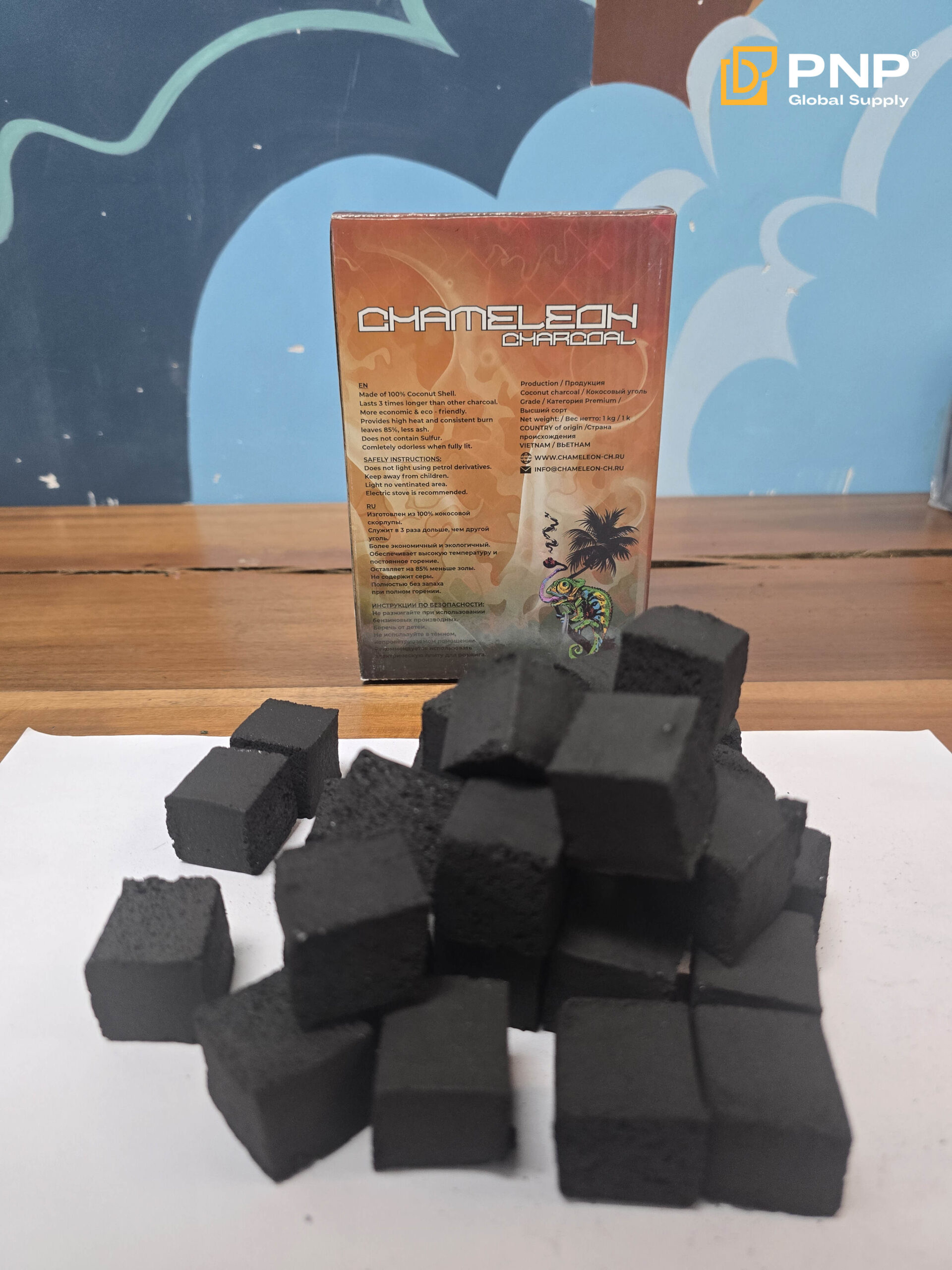
FLEXO Boxes
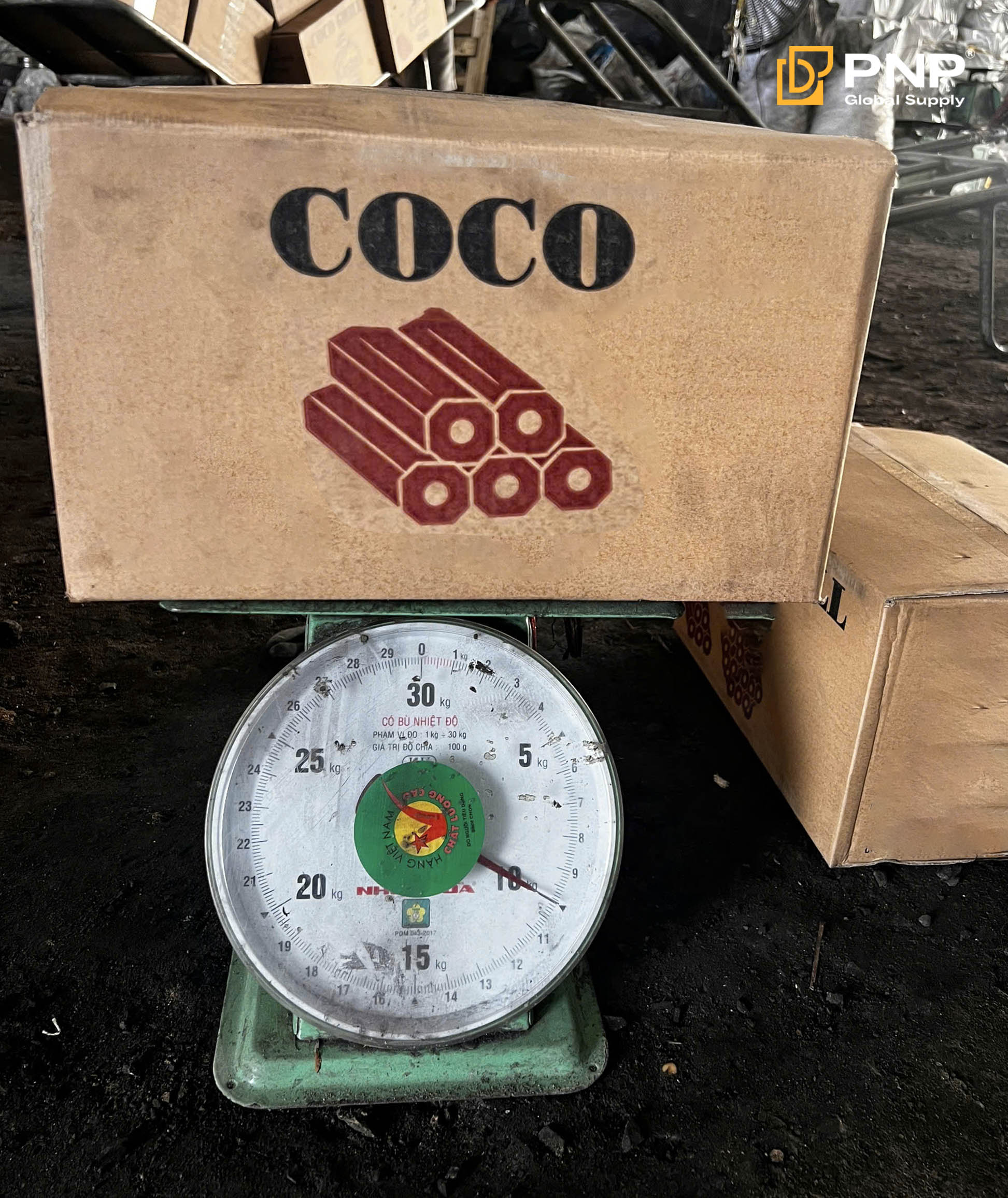
Carton boxes are widely used for charcoal packaging, particularly in bulk export shipments. Thanks to their sturdy structure, these boxes help protect charcoal from physical damage during transportation and can handle heavy stacking without affecting the product inside. In addition, carton boxes can be printed with brand information, allowing exporters to present their products in a more professional way.
OFFSET Boxes
Offset boxes are often used for premium charcoal packaging, especially for retail markets. They are printed using offset printing technology, which produces sharp images, clear colors, and high-quality product presentation.
These boxes are usually laminated on the outside, giving the packaging a more attractive and premium appearance while also improving durability. However, because of the offset printing and lamination process, the production cost is higher compared to regular carton boxes.
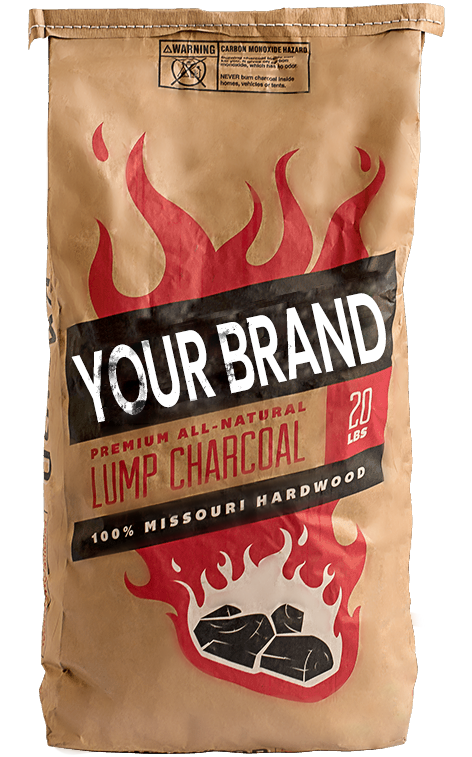
Kraft Paper Bags
Kraft paper bags are among the most common charcoal packaging bags used in retail markets. They are durable, breathable, and environmentally friendly. Kraft paper packaging is especially suitable for charcoal 1kg and charcoal 5 kg retail products.
Another advantage of kraft paper is its excellent printability. Exporters can easily add logos, product descriptions, and branding elements, which helps enhance product recognition in stores.
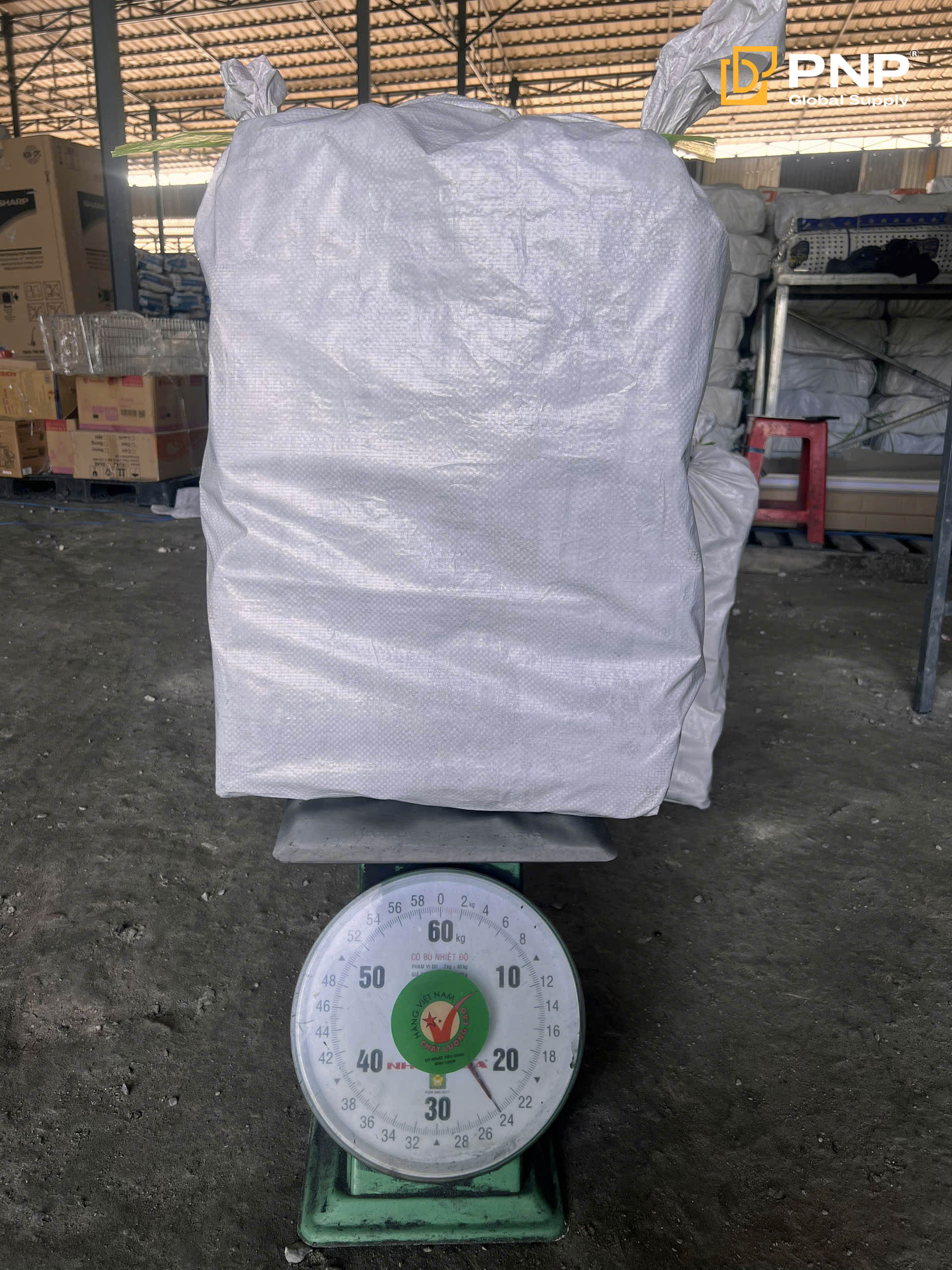
PP Woven Bags
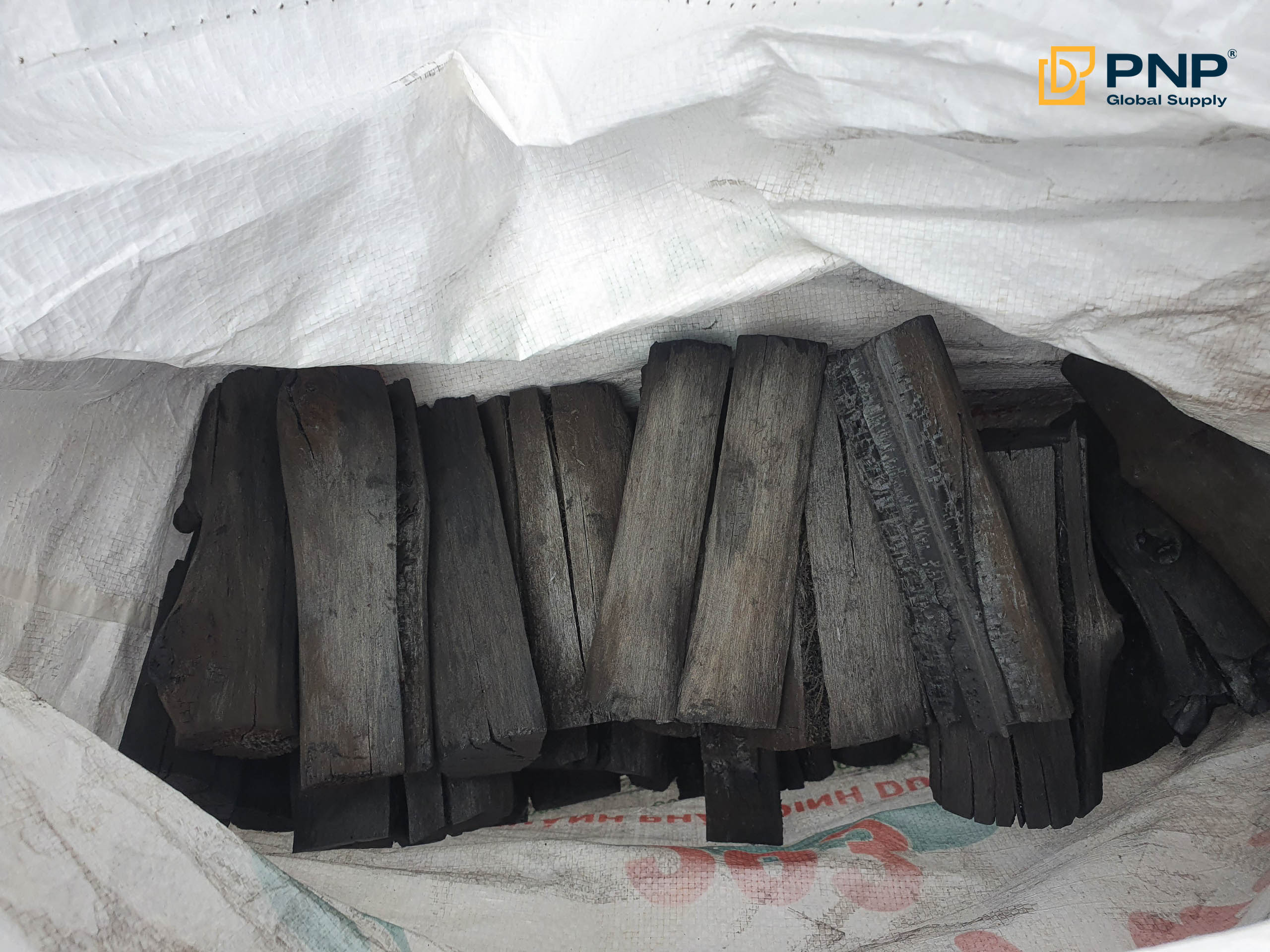
PP woven bags are widely used for bulk charcoal exports. These bags are made from polypropylene fibers and offer high strength and resistance to tearing.
For large charcoal bag sizes, such as 10kg or 20kg, PP woven packaging provides excellent protection during transportation. This type of charcoal packaging is commonly used for container shipments where durability is essential. It is also one of the most cost-effective packaging options, making it a popular choice for large export orders.
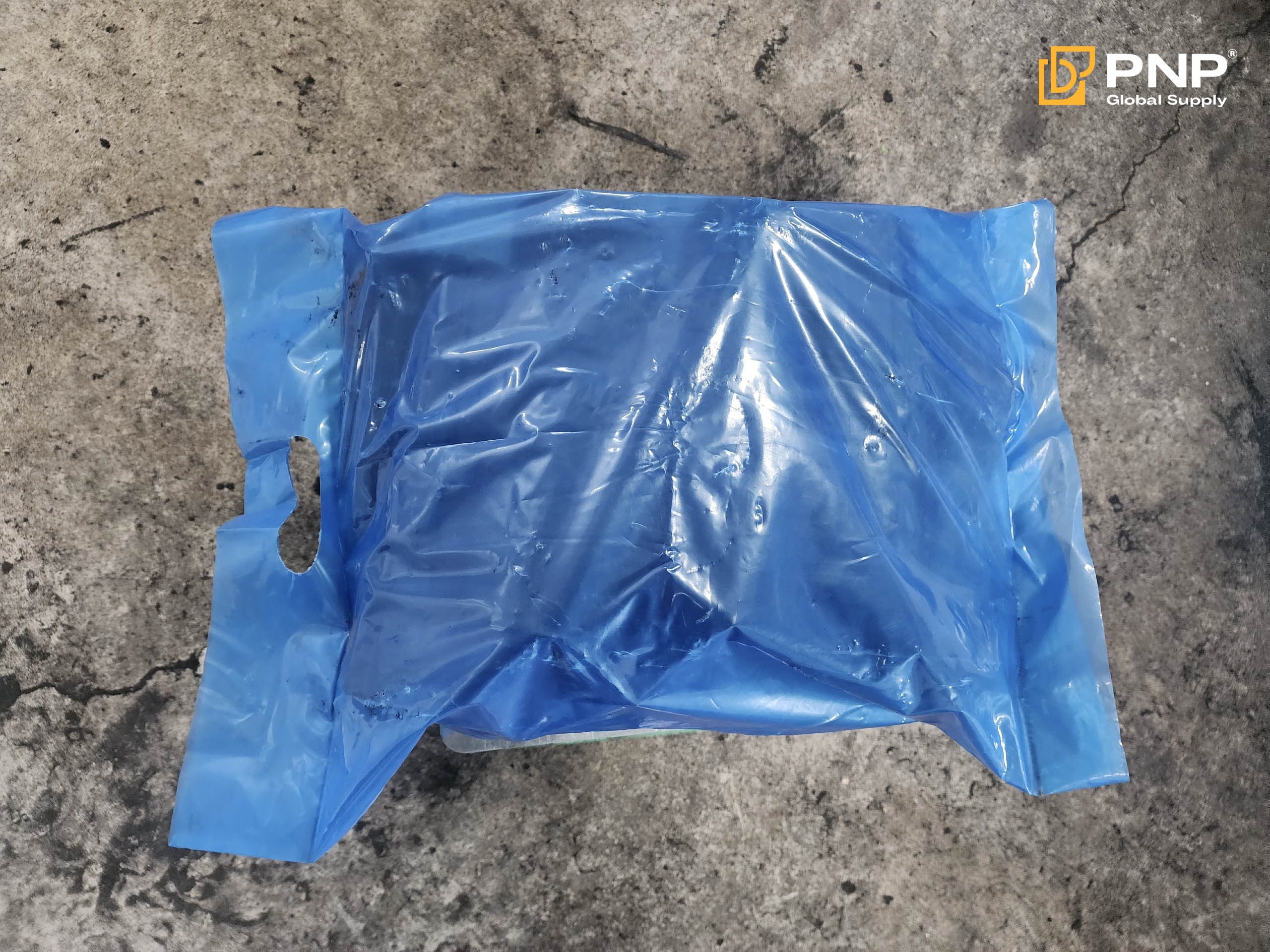
Plastic Bags
Plastic packaging is another widely used option in the charcoal export industry. These charcoal packaging bags offer strong moisture protection and can be sealed tightly to prevent dust leakage.
Plastic bags are often used for medium-sized charcoal bag sizes, including charcoal 5 kg, especially when charcoal needs to be transported over long distances.
OPP bags
OPP bags have a glossy surface that helps prevent dust from sticking to the packaging, making them a popular option for BBQ charcoal products. Meanwhile, PP woven bags are known for their high durability and strong load capacity, allowing them to hold large quantities of charcoal. Because of this strength and reliability, they are widely used for bulk packaging in export shipments.
OPP bags have a glossy surface
Key Factors When Choosing Charcoal Packaging for Export
Selecting the right charcoal packaging requires careful consideration of several factors.
Packaging Strength
The first priority is durability. Charcoal can be heavy and fragile at the same time, so packaging must be strong enough to handle stacking, transportation, and container loading.
Moisture Protection
Moisture is one of the biggest threats to charcoal quality. High humidity can reduce burning efficiency and increase ash production. Good charcoal packaging bags should offer sufficient protection against moisture exposure.
Packaging Cost and Price of Charcoal
Packaging costs directly influence the final price of charcoal. While premium packaging may improve product presentation, exporters must balance aesthetics with cost efficiency.
Branding and Printing
Modern charcoal packaging often includes detailed printing, including brand logos, product descriptions, and safety instructions. This information helps consumers understand how to use the product and increases trust in the brand.
How Suppliers Customize Charcoal Packaging for Buyers
Many charcoal exporters offer customized charcoal packaging to meet the specific needs of their customers. Buyers can request different charcoal bag sizes, suppliers can also print customized branding, logos, and product information on the bags. This level of customization allows importers to build their own brand identity while ensuring that the packaging matches their market positioning and target price range.
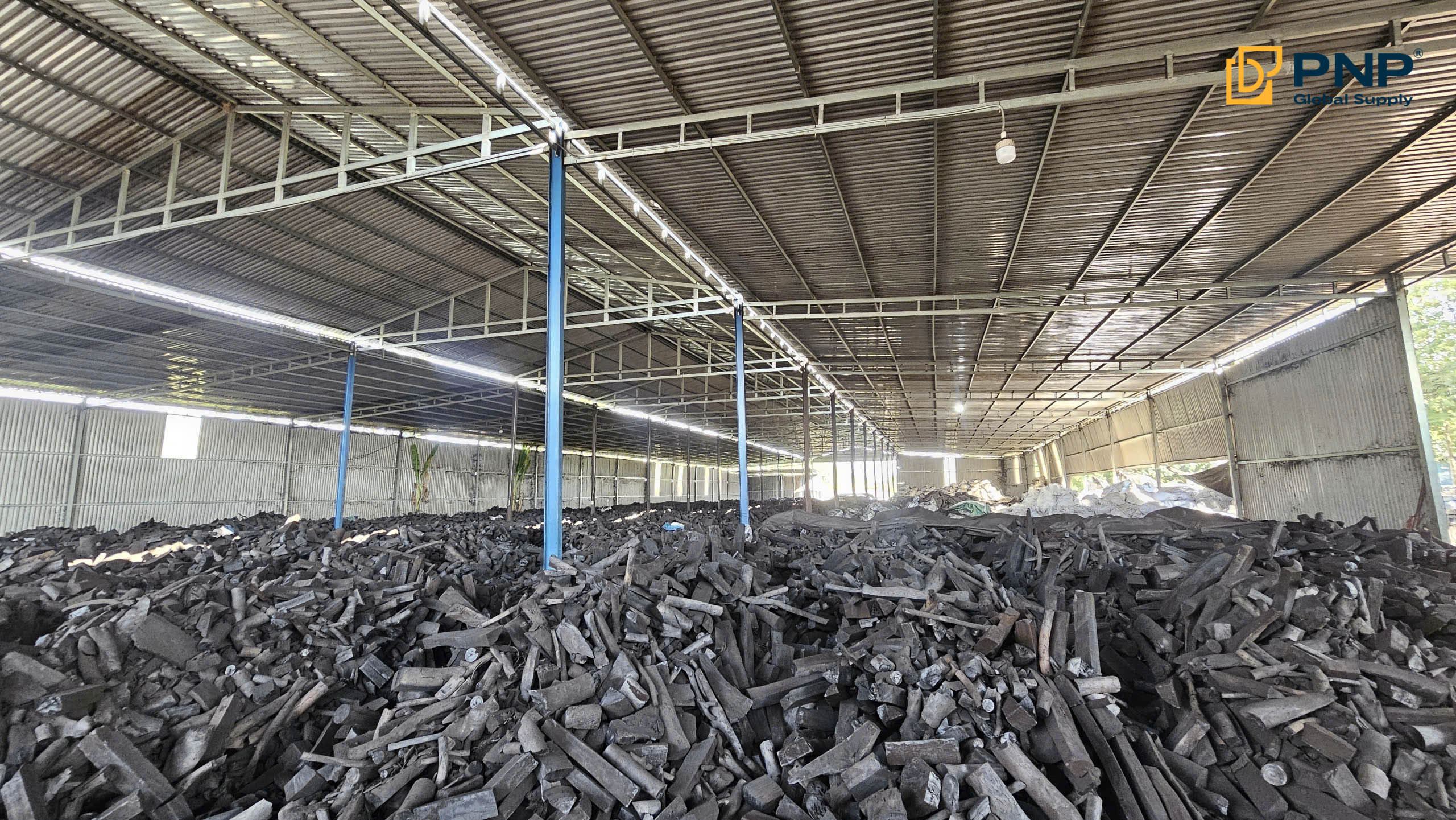
In addition to standard packaging options, PNP Charcoal also provides flexible customization services to meet different buyer requirements. Importers can choose various charcoal bag sizes or larger bulk packaging depending on their market needs. PNP Charcoal also supports customized printing for logos, brand information, and product details, helping partners build a strong brand presence in their local markets. To learn more about packaging options and charcoal products, visit:PNP Charcoal.
Conclusion
In the competitive global market, charcoal packaging plays a vital role in protecting products, supporting logistics, and strengthening brand identity. From kraft paper bags to eco-friendly packaging solutions, exporters now have many options to meet different customer needs.
Understanding the advantages of various charcoal packaging bags and selecting the appropriate charcoal bag sizes, can significantly improve product presentation and transportation efficiency. At the same time, packaging decisions must balance quality with cost to maintain a competitive price of charcoal in international markets.
As demand for high-quality BBQ charcoal continues to grow, choosing the right packaging strategy will remain an essential factor for success in the global charcoal export industry.
________________________________
Contact us for more information
Facebook: PNP Charcoal
Instagram: PNP Charcoal
Email: info@pnpglobalsupply.com