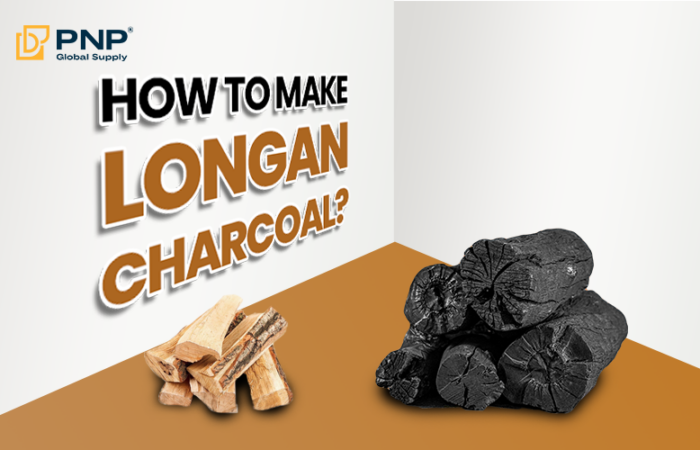
The charcoal making process plays a critical role in determining the final quality of any charcoal product. Coffee charcoal is widely used for BBQ grilling and is gaining attention from global markets. Many importers of charcoal are now actively looking for reliable coffee charcoal suppliers because it offers competitive performance and pricing. Understanding how manufacturers make wood charcoal from coffee wood helps buyers evaluate product quality and production standards.
In this guide, we will walk through the complete step-by-step charcoal making process, from raw material preparation to final packaging.
Key Benefits of Coffee Charcoal
Before diving into production, it is important to understand why coffee charcoal stands out in the market.
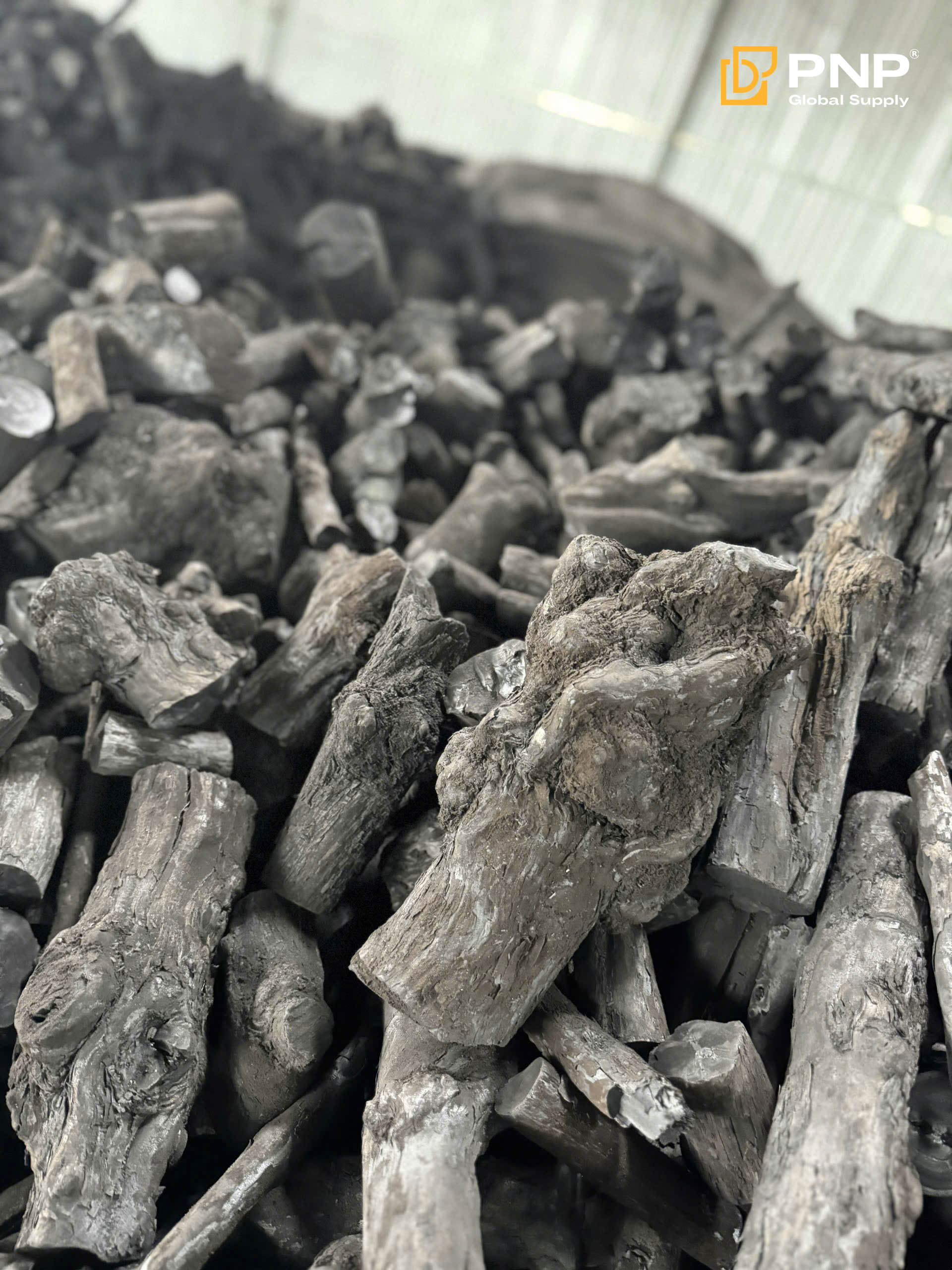
- First, it delivers stable and long-lasting heat. Properly carbonized coffee wood produces consistent burning time, making it suitable for restaurants and outdoor BBQ use.
- Second, when the charcoal carbonization process is well controlled, coffee charcoal produces moderate smoke levels, which improves the grilling experience.
- Third, it offers a balanced structure. Compared to some softer woods, coffee charcoal is firm and less likely to break during transport, which is important for export
Preparation Steps Before the Charcoal Making Process
Every high-quality batch begins with proper preparation.
-
Selecting the Right Coffee Wood
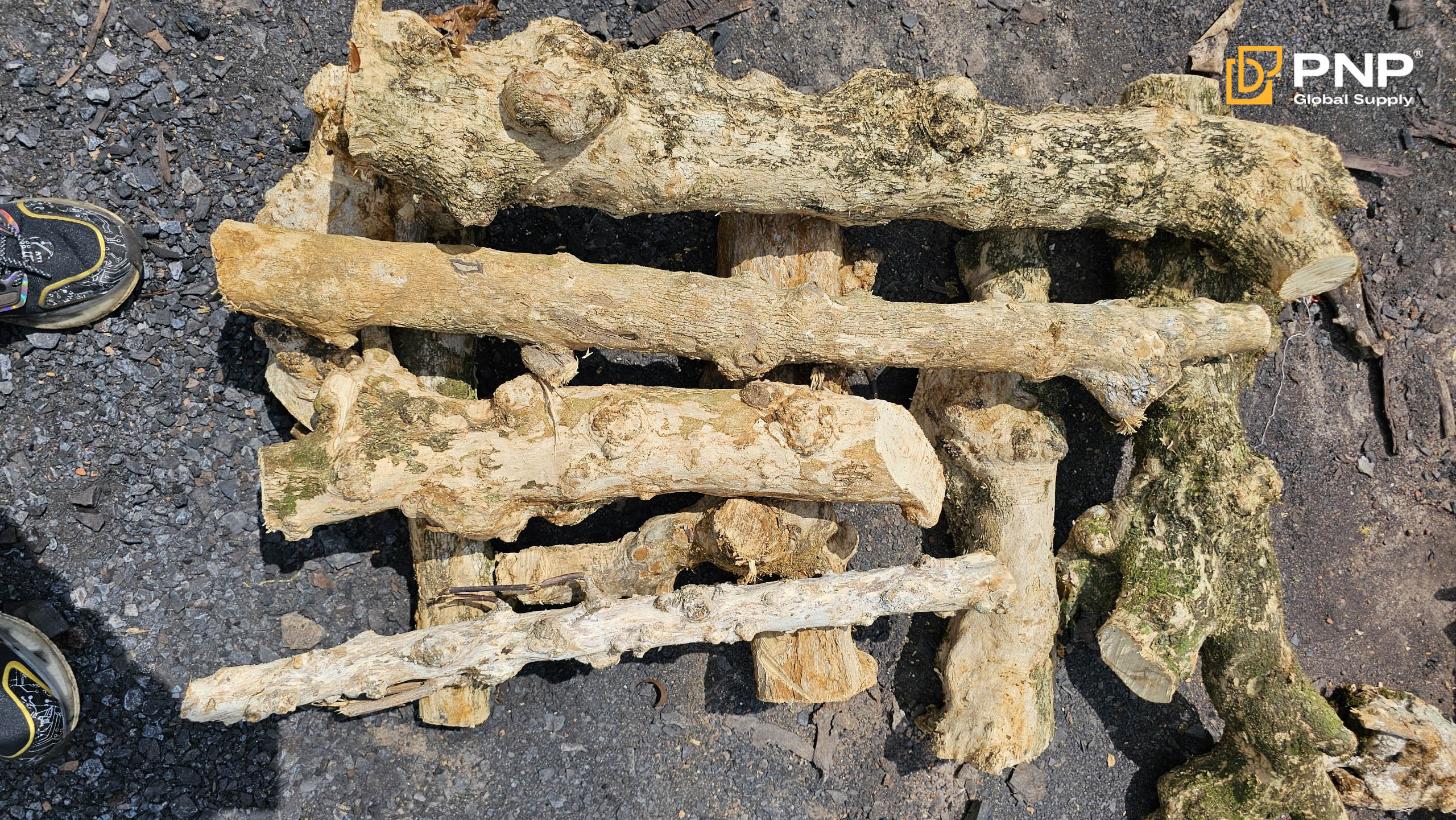
The wood should come from mature coffee trees to ensure proper density and stable performance during the charcoal carbonization process. For best results, each piece should have a diameter of 5–15 cm and a length of 45–60 cm. This size helps ensure even heat distribution, consistent carbonization, and stable charcoal quality.
-
Cutting and Drying
After harvesting, the wood is cut into suitable sizes for kiln loading. Moisture reduction is essential. If the wood is too wet, it will require more heat, extend carbonization time, and reduce efficiency.
This preparation stage is similar to how producers make wood charcoal from other hardwood species. However, understanding the characteristics of coffee wood helps optimize the outcome.
Step-by-Step Charcoal Carbonization Process
Step 1: Arranging Wood in the Kiln
The wood is stacked carefully inside the kiln. Proper arrangement ensures even heat distribution and reduces the risk of uneven burning. In traditional charcoal making, workers rely on experience to position the wood correctly to maintain airflow and control internal temperature. Even with improved kiln designs, manual expertise still plays an important role.
Step 2: Ignition and Temperature Control
The kiln is ignited slowly. Oxygen levels must be controlled to avoid turning the wood into ash. The goal of the charcoal making process is not open burning but controlled heating in a low-oxygen environment.
At this stage, moisture evaporates first. Temperature increases gradually to prepare for carbonization.
Step 3: The Main Charcoal Carbonization Process
The charcoal carbonization process begins when the temperature inside the kiln reaches around 500 to 600°C. At this stage, volatile compounds in the wood start to break down.
Because the kiln has very little oxygen, the wood slowly transforms into carbon-rich charcoal. During this process, the color of the smoke gradually changes. Experienced workers watch these visual signs carefully to know when the carbonization process is almost complete.
This stage is very important because it affects the final charcoal quality. If the charcoal is under-carbonized, it will produce too much smoke when used for grilling. If it is over-carbonized, the charcoal can become too fragile and break easily.
The whole carbonization process usually takes about 18 to 25 days. This slow process allows the wood to turn into high-quality charcoal with a strong structure and stable burning performance.
Step 4: Cooling and Stabilization
After carbonization is completed, the kiln is sealed and left to cool naturally. Cooling is a critical part of the charcoal making process. If charcoal is exposed to oxygen while still hot, it may reignite and turn into ash. Proper cooling ensures safety and maintains product integrity.
After completing the burning stage, the charcoal is left to cool down for approximately 20 days. During this period, the internal temperature gradually decreases to around 27°C before the kiln is opened. Controlled cooling helps prevent cracking, reduces breakage, and preserves the final charcoal quality..
If you want to explore the key features, performance, and advantages of coffee charcoal in more detail, you can read our article Explore Key Features of Coffee Charcoal

Practical Tips for Stable Coffee Charcoal Production
To achieve consistent quality, producers should:
- Maintain stable moisture levels before carbonization.
- Avoid rapid temperature increases during ignition.
- Monitor airflow carefully throughout the charcoal carbonization process.
- Allow sufficient cooling time before unloading.
These practical steps help improve yield and reduce waste in both modern and traditional charcoal making systems.
Storage and Handling After Production
Even after production is complete, proper storage is necessary. Charcoal must be stored in a dry, ventilated warehouse. Moisture absorption can affect performance. Careful handling reduces breakage and preserves product value before shipment.
Additional Enhancements to Improve Quality
Producers aiming for export markets often apply additional quality control measures. Charcoal is sorted by size to meet buyer requirements. Broken pieces are separated. Moisture content is checked before packaging. For serious importers of charcoal, consistent specifications are more important than just price. Reliable suppliers document their charcoal making process and ensure stable production capacity year-round. Packaging also matters. Strong export bags prevent damage during long-distance shipping.
How to Choose Reliable Coffee Charcoal
For buyers and importers of charcoal, choosing the right supplier requires evaluating several factors.
- Ask about the full charcoal making process.
- Understand how the supplier controls the charcoal carbonization process.
- Check production capacity and quality inspection procedures.
- Compare the charcoal price per kg with its quality specs. The average coffee charcoal price is about 500–600 USD/ton.
Reliable manufacturers are transparent about how they make wood charcoal and are willing to provide production details and test results.
Long-term cooperation depends on stable quality, not only low pricing.
As a trusted manufacturer and exporter, PNP Charcoal supplies high-quality coffee charcoal produced under strict carbonization control and transparent production standards. PNP provides quality inspection reports, and stable production capacity to meet international demand.
For more information , please visit: PNP Charcoal.
What make PNP’s Coffee Charcoal so Special?
Conclusion
The production of coffee charcoal involves more than simply burning wood. A well-managed charcoal making process includes raw material preparation, controlled heating, careful carbonization, and proper cooling. By mastering the charcoal carbonization process and applying experience from traditional charcoal making, producers can deliver high-quality coffee charcoal suitable for global BBQ markets. For buyers and importers of charcoal, understanding these production steps helps checking performance and quality charcoal .
Coffee charcoal testing
________________________________
Contact us for more information
Facebook: PNP Charcoal
Instagram: PNP Charcoal
Email: info@pnpglobalsupply.com