For beginners entering the charcoal business, shipping is often the most underestimated yet critical stage of the supply chain. Many charcoal importers focus heavily on price and product quality, but overlook the importance of proper logistics, packaging, and communication during transportation. In reality, poor shipping practices can lead to damaged goods, customs delays, rejected containers, and long-term trust issues with buyers.
This beginner-friendly guide highlights the most important issues charcoal importers need to understand when arranging charcoal delivery, especially when shipping by sea. From container conditions and packaging standards to charcoal dust control and shipping regulations, this article covers the essentials to help importers avoid costly mistakes and build a professional charcoal shipping process.

Understanding Charcoal Shipping Regulations
Before shipping charcoal internationally, importers must understand basic charcoal shipping regulations. Although charcoal is not classified as dangerous cargo, it is still subject to strict requirements related to cleanliness, moisture control, and contamination prevention.
Most shipping lines and port authorities require charcoal to be completely dry. Wet cargo can cause mold growth, unpleasant odors, and even self-heating risks under certain conditions. Failure to comply with charcoal shipping regulations may result in container inspection delays, additional cleaning fees, or cargo rejection at the destination port.
For beginners in the charcoal business, working with suppliers who understand export regulations and documentation requirements is essential. This ensures smooth customs clearance and reduces unexpected costs during the charcoal ship process.
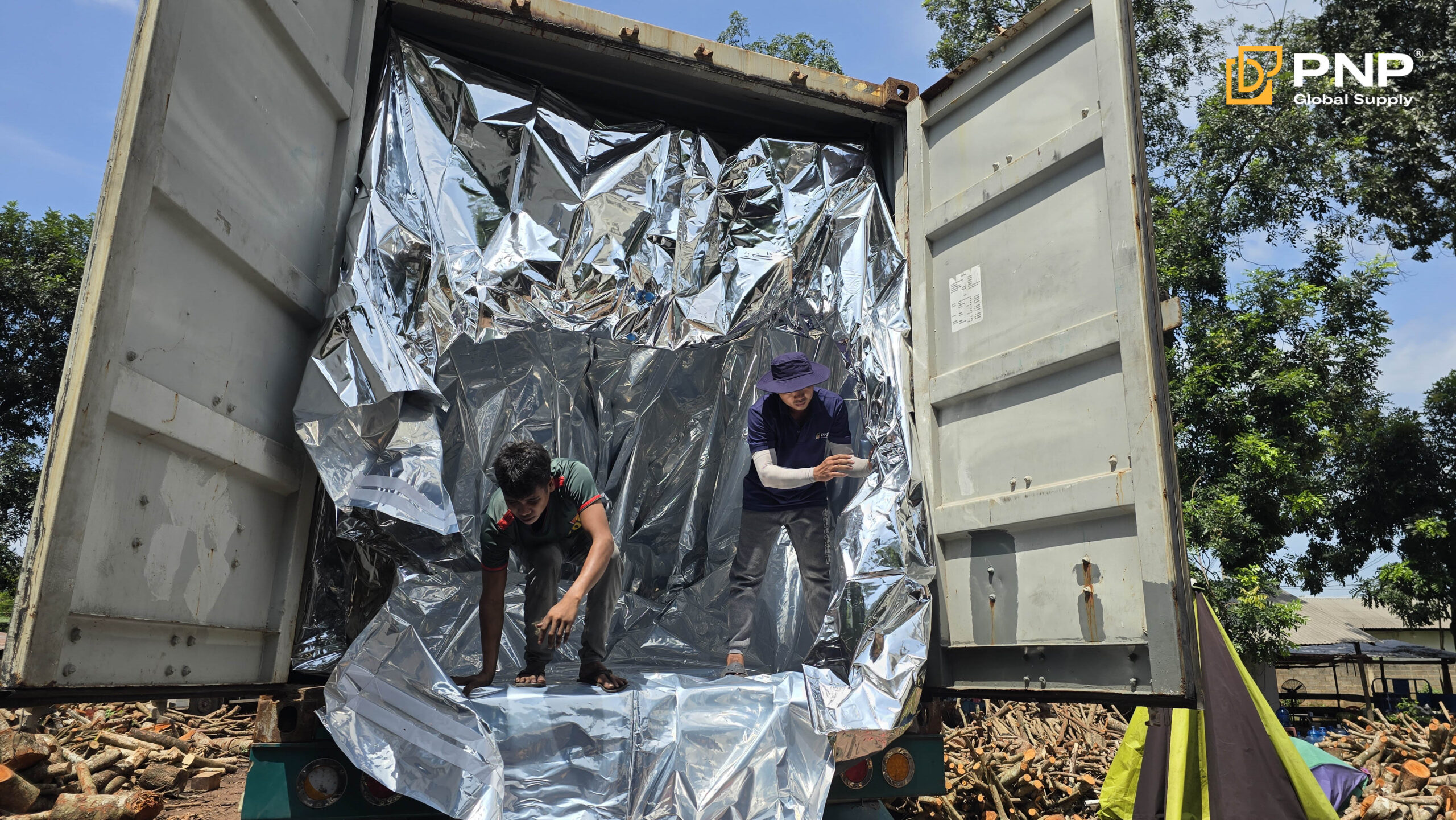
Container Condition: Never Ship Charcoal in a Wet Container
One of the most common mistakes beginners make is loading charcoal into a container that is not completely dry. Moisture is one of the biggest enemies of charcoal during transportation.
If a container is wet, humidity can be absorbed by the bags of charcoal, leading to mold, reduced burning quality, and unpleasant smells upon arrival. This often results in customer complaints, price reductions, or complete rejection of the shipment.
Charcoal importers should always request confirmation that the container is dry before loading. A simple inspection can prevent major losses and protect the reputation of the charcoal business.
Clean Containers and Pre-loading Inspection
Cleanliness is a key requirement when shipping charcoal. Containers must be thoroughly swept and cleaned before loading to remove dirt, dust, or residue from previous cargo.
Professional exporters often provide pre-loading inspection videos showing the empty, clean container. This practice gives charcoal importers confidence and transparency, especially for beginners who may not be familiar with overseas loading procedures.
Sending inspection videos also reduces disputes later, as both parties can clearly confirm the container condition before loading begins. In international charcoal delivery, trust starts with visible proof.
Packaging Standards: Why Bags of Charcoal Matter
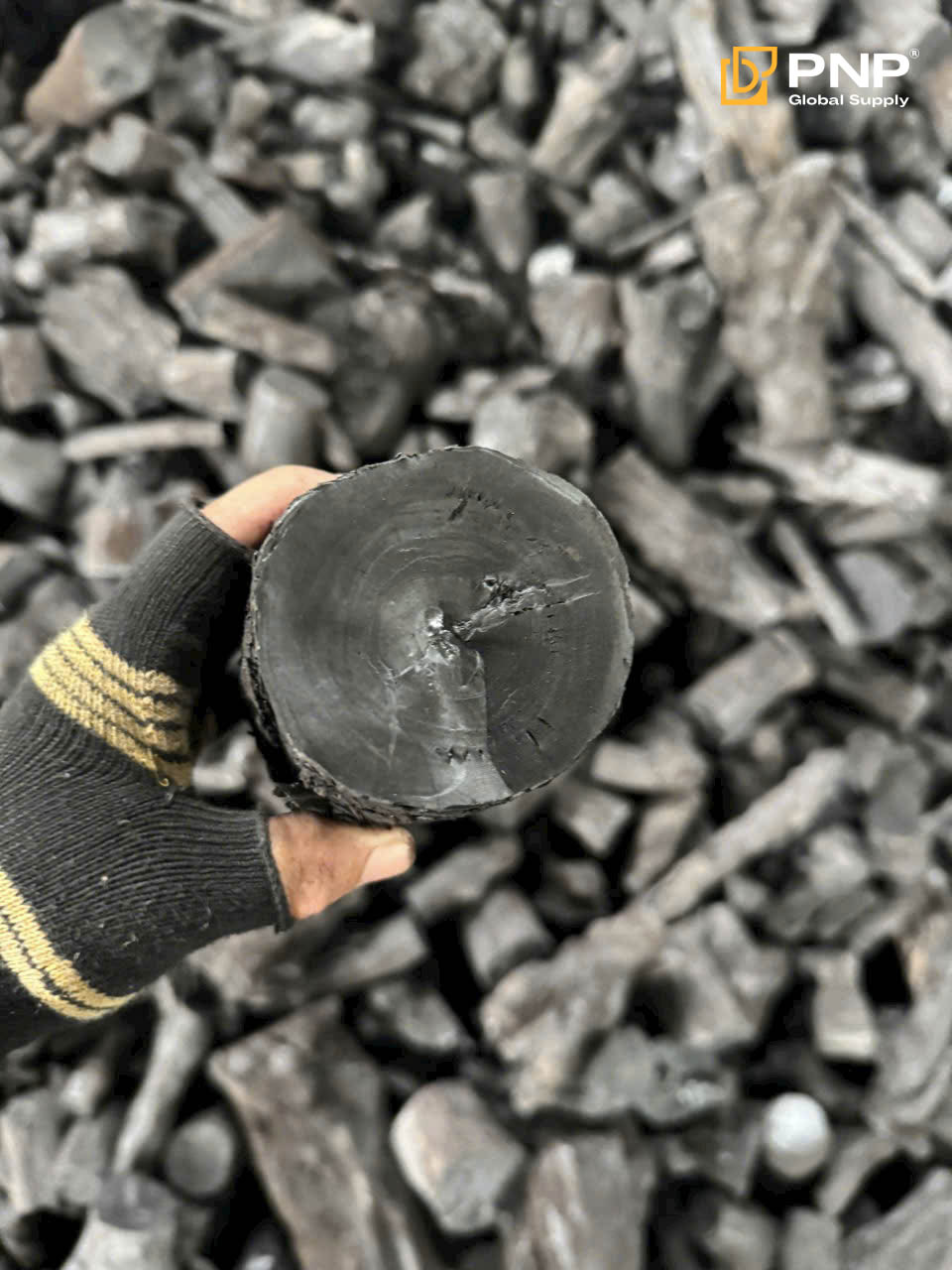
Proper packaging plays a crucial role in protecting charcoal during transportation. Bags of charcoal must be strong, durable, and consistent in size. Using uneven bag sizes or weak materials increases the risk of tearing, spillage, and excessive charcoal dust inside the container.
Uniform packaging not only improves container stability but also creates a more professional appearance when the shipment arrives. For charcoal importers, especially those supplying restaurants, wholesalers, or distributors, consistent packaging reflects reliability and brand credibility.
Before loading, all bags of charcoal should be checked to ensure they are not torn and that the outer surfaces are wiped clean of dust. Clean packaging helps prevent complaints related to contamination and improves the overall customer experience.
To better understand export standards, explore our guide on TOP 4 TYPES OF CHARCOAL PACKAGING FOR EXPORT .
Avoid Overloading the Container
Another common mistake beginners make is trying to maximize container capacity at all costs. Overloading may seem efficient, but it often leads to damaged bags, increased charcoal dust, and safety risks during unloading.
Leaving appropriate space between the cargo and the container ceiling or doors helps maintain airflow and reduces pressure on the bags. In practice, experienced exporters usually leave around 30 cm of clearance from the container ceiling and about 30 cm from the container doors. This spacing helps prevent compression during transit and allows safer handling at the destination.
Experienced charcoal importers understand that optimal loading, not maximum loading, is the key to successful charcoal delivery.
On-Time Charcoal Delivery: Why Timing Is Critical
Timely delivery is a crucial factor in the charcoal business. Delayed shipments can disrupt restaurant supply chains, retail sales schedules, and seasonal demand.
Charcoal importers should work with suppliers and freight partners who prioritize punctual shipping schedules. While delays can sometimes be unavoidable, proactive planning and realistic transit timelines help minimize risks.
For beginners, understanding average transit times and planning buffer periods is essential when arranging charcoal ship logistics.
Communication: Always Keep the Buyer Updated
Clear and consistent communication is one of the most important yet overlooked aspects of charcoal delivery. Buyers expect regular updates on loading status, vessel departure, estimated arrival time, and any potential delays.
Providing timely updates builds trust and reassures customers that their shipment is being handled professionally. Even when delays occur, transparency helps maintain strong business relationships.
For charcoal importers, good communication is just as important as product quality. It shows professionalism and commitment to customer satisfaction.
Why Professional Shipping Practices Matter in the Charcoal Business
In a competitive global market, professional shipping practices can differentiate one charcoal business from another. Importers who pay attention to packaging, cleanliness, dust control, and communication are more likely to build long-term partnerships.
Beginner charcoal importers often focus solely on price, but experienced buyers value reliability and consistency just as much. Proper shipping practices reduce disputes, protect brand reputation, and improve repeat order potential.
A Beginner’s Checklist for Charcoal Importers
Before shipping, charcoal importers should ensure the following:
- The container is completely dry and clean.
- Pre-loading inspection videos are provided.
- Bags of charcoal are strong, uniform, and dust-free.
- The container is equipped with a thermal cover.
- Shipping timelines are clear and realistic.
- Buyers receive regular updates throughout the process.
Following this checklist helps beginners avoid common pitfalls and establish a strong foundation in the charcoal business.
Along with following this checklist, PNP Charcoal is proud to be a reliable supplier of high-quality charcoal, with strict quality control from production to container loading. We ensure consistent product standards, export-ready packaging, and professional logistics support with clear communication at every stage.
Visit our website: PNP Charcoal to learn more about PNP Charcoal’s products and complete charcoal export solutions.
Conclusion
For beginners entering the global charcoal market, understanding shipping fundamentals is essential. From complying with charcoal shipping regulations to managing charcoal dust and ensuring professional packaging, every detail matters.
Successful charcoal importers know that charcoal delivery is not just about moving goods from one port to another. It is about protecting product quality, maintaining customer trust, and building a sustainable charcoal business.
By focusing on clean containers, proper bags of charcoal, on-time delivery, and clear communication, beginners can avoid costly mistakes and position themselves for long-term success in international charcoal shipping.
________________________________
Contact us for more information
Facebook: PNP Charcoal
Instagram: PNP Charcoal
Email: info@pnpglobalsupply.com