In today’s competitive charcoal market, sawdust charcoal briquettes are widely used thanks to their stable shape, easy handling, and suitability for bulk distribution. However, not all briquettes deliver the same performance. Poor-quality charcoal can produce excessive smoke, unstable heat, and unpleasant odors during grilling. This is why charcoal testing is a critical step before deciding to buy charcoal, especially when sourcing from different briquettes charcoal suppliers or directly from a charcoal factory.
This guide explains practical and reliable charcoal testing methods for sawdust charcoal, including burning tests, electrical pen testing, rubbing, and surface inspection. These steps will help you identify high quality charcoal briquettes and choose the best charcoal for grilling.
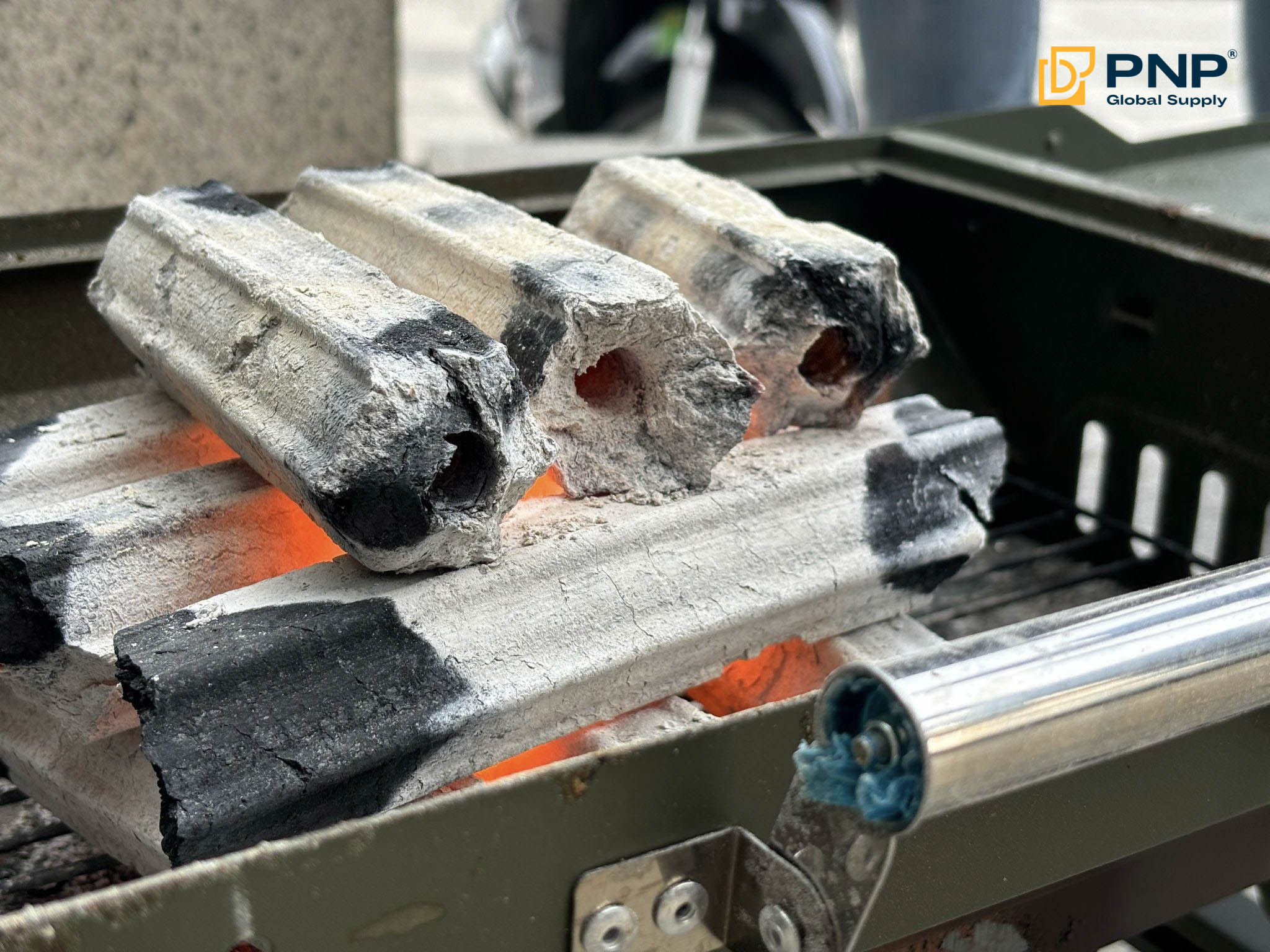
Overview of Sawdust Charcoal Briquettes
Sawdust charcoal briquettes are produced by compressing sawdust under high pressure, followed by carbonization at controlled temperatures. The result is a dense charcoal product with consistent size and shape. Common formats include cylindrical, square, and hexagon briquette charcoal, which is especially popular for BBQ due to its airflow channel.
Compared to natural lump charcoal, sawdust charcoal briquettes offer better uniformity and easier packaging, making them ideal for large orders and charcoal on sale campaigns. However, their quality depends heavily on the raw material, binder ratio, and carbonization process used at the charcoal factory. Proper charcoal testing helps distinguish premium products from low-grade briquettes.
Why Charcoal Testing Is Essential Before Buying Charcoal
For individual users, charcoal testing ensures clean burning and consistent heat. For restaurants and BBQ businesses, using the wrong charcoal can negatively affect cooking performance and food flavor. Importers and distributors also rely on charcoal testing to avoid losses when purchasing from briquettes charcoal suppliers in bulk.
A simple testing process can quickly reveal whether a product qualifies as high quality charcoal briquettes or is unsuitable for professional grilling applications.
Charcoal Testing Method 1: Burning Test
The burning test is the most direct and practical method of charcoal testing. High-quality sawdust charcoal briquettes ignite evenly and maintain stable heat for an extended period. During the initial burn, the flame should be mild and controlled, followed by a consistent red glow.
Excessive smoke, strong chemical odors, or rapid burnout are signs of low-quality briquettes. Products that pass this burning test are more likely to be considered the best charcoal for grilling, especially for BBQ operations that require steady heat.

Charcoal Testing Method 2: Electrical Pen Test
Using an electrical voltage tester is a less common but highly effective charcoal testing technique. Well-carbonized charcoal has better electrical conductivity. When a voltage tester reacts clearly on the surface of the briquette, it indicates a higher carbon content.
This method is often used by professionals inspecting products at a charcoal factory or evaluating samples from briquettes charcoal suppliers. While it does not replace burning tests, it provides quick insight into carbonization quality.
Charcoal Testing Method 3: Rubbing and Scratch Test
Rubbing and scratching the surface is a simple yet valuable part of charcoal testing. High-quality sawdust charcoal briquettes feel firm and compact, producing minimal dust when rubbed. The surface should not crumble easily under light pressure.
If a briquette breaks apart or releases excessive powder, it usually indicates poor compression or low-quality binders. Such products are unlikely to meet the standards of high quality charcoal briquettes, regardless of how attractive the charcoal on sale price may be.
Charcoal Testing Method 4: Surface and Shape Inspection
Visual inspection plays an important role in charcoal testing. Quality sawdust charcoal briquettes typically have a uniform black color and a dry, clean surface. Moisture marks, cracks, or uneven coloring often suggest inconsistent carbonization.
For hexagon briquette charcoal, the central airflow hole should be straight and clearly defined. Consistent shape and smooth edges indicate controlled production processes at the charcoal factory, which directly affect grilling performance.
Common Mistakes in Charcoal Testing
One of the most common mistakes is judging charcoal quality based solely on appearance or price. Many buyers are attracted to charcoal on sale promotions without performing proper charcoal testing, leading to disappointing results.
Another mistake is testing only one briquette from a bulk order. When sourcing from briquettes charcoal suppliers, multiple random samples should be tested to accurately assess overall quality before committing to buy charcoal in large quantities.
How to Choose Reliable Briquettes Charcoal Suppliers
Selecting the right briquettes charcoal suppliers is just as important as testing the product itself. Reputable suppliers are transparent about their production process, allow sample testing, and operate a clearly established charcoal factory.
Reliable suppliers consistently deliver high quality charcoal briquettes that meet grilling requirements and help businesses secure the best charcoal for grilling over the long term.
PNP is a reliable supplier of high-quality sawdust charcoal, produced under strict quality control to ensure stable heat, low smoke, and clean burning performance. With strong experience in export markets, PNP provides premium sawdust charcoal briquettes suitable for BBQ and bulk distribution. To learn more about our products and sourcing solutions, visit our website at PNP Charcoal.
Conclusion
In a market filled with various charcoal options, charcoal testing is the key to making informed purchasing decisions. By applying burning tests, electrical pen checks, rubbing tests, and surface inspections, buyers can confidently evaluate sawdust charcoal briquettes.
Proper charcoal testing not only helps avoid low-grade products but also ensures you select high quality charcoal briquettes that deliver consistent heat and reliable performance. Whether you are a BBQ enthusiast, restaurant owner, or distributor looking to buy charcoal, these testing methods will guide you toward the best charcoal for grilling.
________________________________
Contact us for more information
Facebook: PNP Charcoal
Instagram: PNP Charcoal
Email: info@pnpglobalsupply.com