Mangrove wood charcoal has become one of the most preferred fuel sources for BBQ restaurants, outdoor grilling, and export markets thanks to its strong heat, long burn time, and impressive stability. However, as demand grows, the market also sees a large amount of low-quality or improperly processed charcoal being sold at competitive prices. Many buyers—especially new importers, restaurant owners, and camping enthusiasts—find it difficult to clearly distinguish between high-quality and poor-quality mangrove wood charcoal. Understanding this difference is crucial not only for cooking performance but also for safety, cost-efficiency, and customer satisfaction. In this article, we will guide you through the key characteristics that help you identify premium mangrove wood charcoal and avoid low-grade alternatives.
Benefits and Features of High-Quality Mangrove Wood Charcoal
High-quality mangrove wood charcoal is well-known for its consistent performance. Compared to regular lumpwood charcoal, mangrove charcoal is denser and burns hotter, which makes it suitable for both commercial and household use. One of the biggest advantages lies in its high charcoal burning temperature, allowing chefs to grill meats evenly while maintaining natural flavors. The charcoal produces minimal ash, reducing cleaning time and improving airflow in the grill. It also emits very little smoke, making it ideal for restaurants that require clean, odorless heat sources.
For outdoor enthusiasts, premium mangrove wood charcoal is excellent for charcoal BBQ for camping. Its durability and long-burning properties make it easy to maintain heat without constantly refueling. When used correctly, it offers a steady fire that remains strong throughout the cooking process. These features also appeal to importers seeking a reliable product to meet international standards. Understanding these advantages is the first step before evaluating the quality of the charcoal you’re planning to purchase.
Preparation Steps Before Evaluating Charcoal Quality
Before testing any batch of mangrove wood charcoal, buyers should prepare some basic tools and observation criteria. First, check the packaging: reputable suppliers always label moisture content, weight, and production details clearly. Choosing a trusted mangrove charcoal supplier ensures the product has been produced from mature mangrove trees and carbonized under proper conditions.
Next, prepare a clean surface and a small hammer or metal rod. These tools help you test hardness and structure. You may also need a small grill or heat chamber to assess the burning temperature and smoke behavior. Understanding the typical qualities of good lumpwood charcoal can also serve as a reference point. Once everything is ready, you can begin identifying the differences between high-quality and low-quality charcoal using visual, physical, and burning tests.
Tips and Techniques to Distinguish Good vs. Poor Mangrove Wood Charcoal
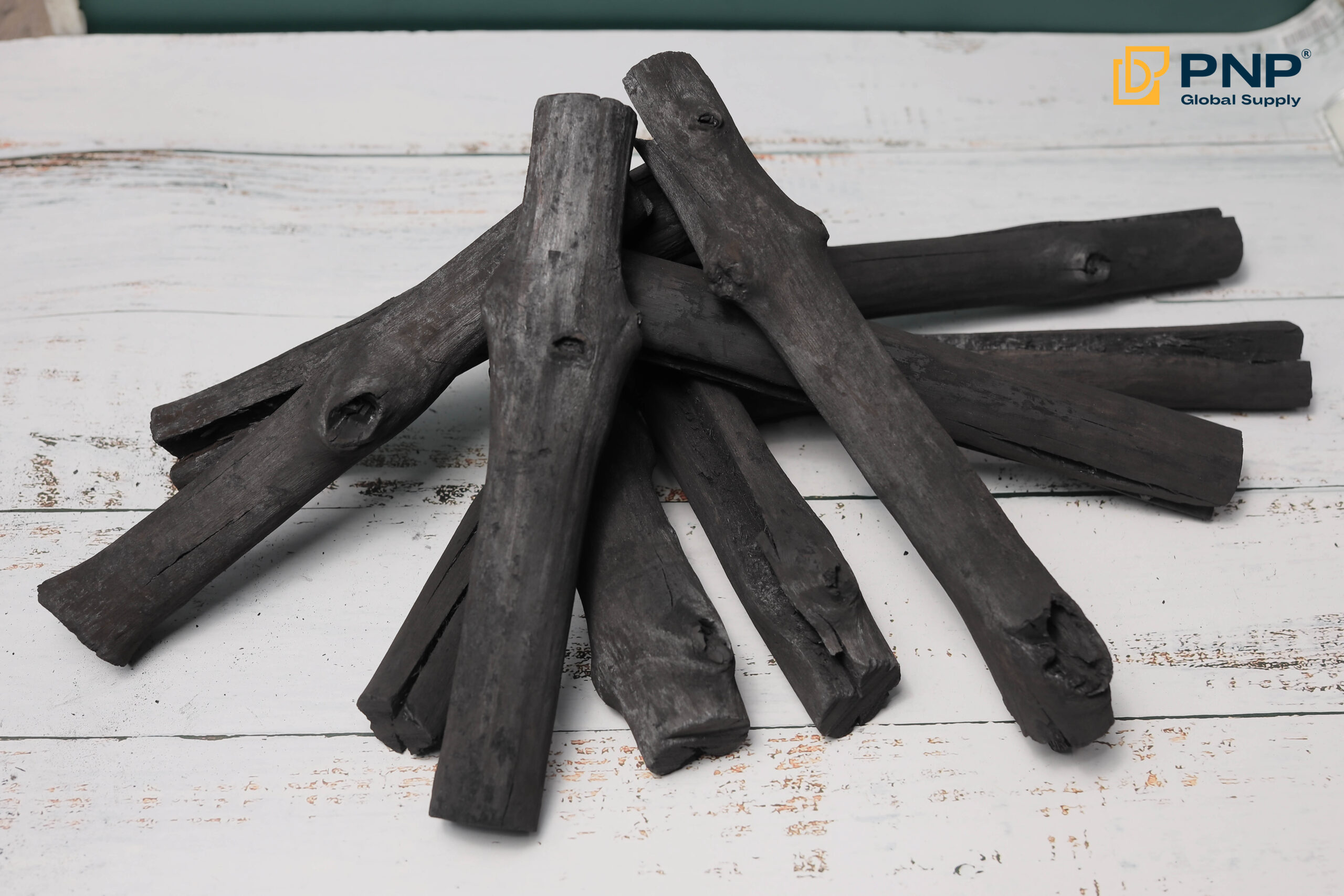
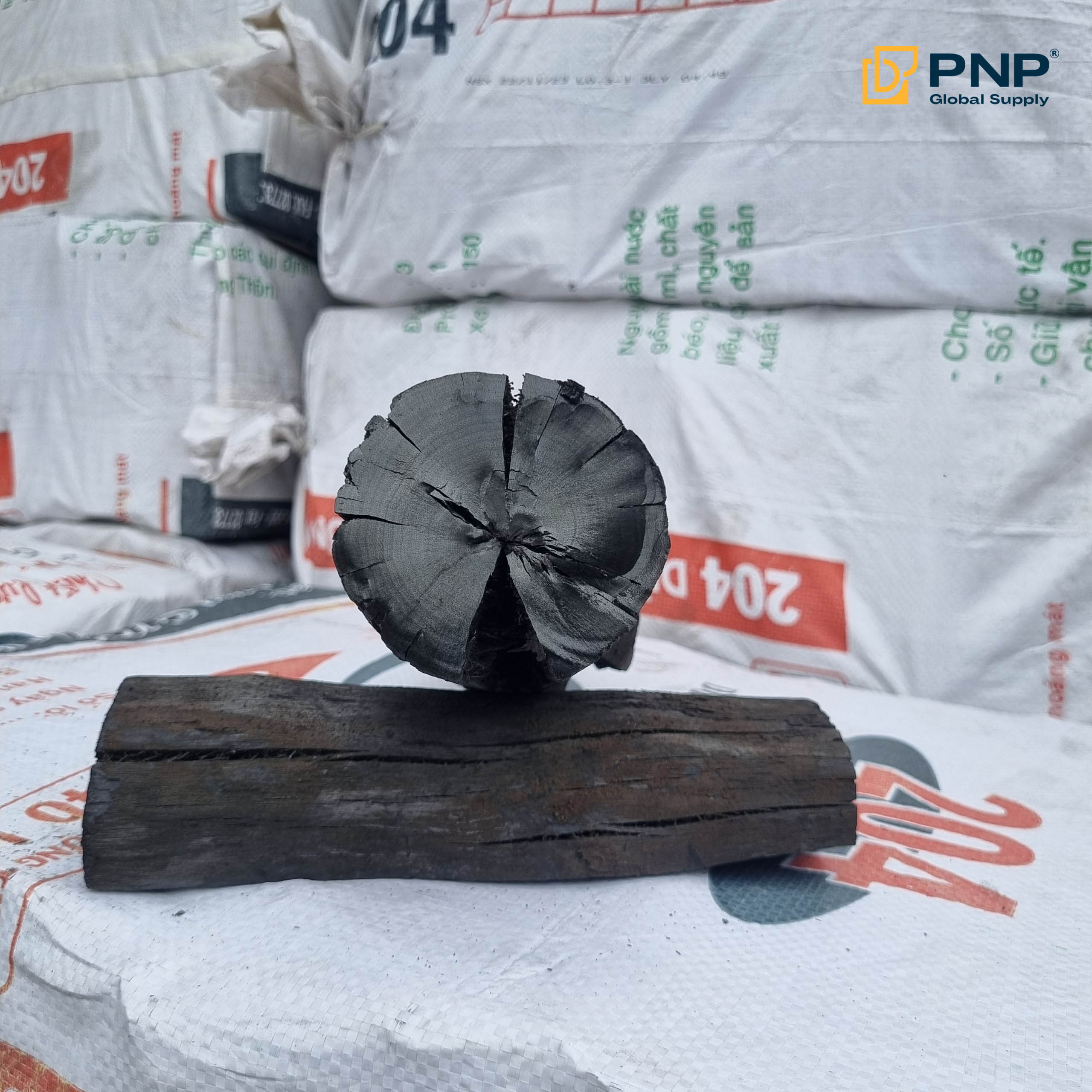
To accurately identify premium mangrove wood charcoal, you should rely on several key indicators. First, observe the appearance. High-quality charcoal should have a deep black color with a natural sheen that indicates complete carbonization. The pieces are typically uniform and intact, not crumbly or dusty. Poor-quality charcoal often displays a dull, greyish tone, showing signs of insufficient carbonization or high moisture content.
Next, test hardness by tapping two pieces together. Quality mangrove wood charcoal produces a clear sound due to its high density. Low-quality pieces generate a low, dull thud, indicating weak structure and leftover moisture. When comparing with lumpwood charcoal, mangrove charcoal is noticeably heavier and more compact.
During the burning test, high-quality mangrove wood charcoal lights quickly and reaches a high charcoal burning temperature with minimal smoke. It maintains a stable heat for a long period, leaving only a small amount of white ash. Poor-quality charcoal, on the other hand, often struggles to ignite and releases thick smoke—an indication of impurities or high moisture levels inside the wood. Once lit, it burns too fast or too weak, causing inconsistent cooking results.
These quality differences also influence the mangrove charcoal price. Premium charcoal with high density and stable heat naturally costs more due to the controlled production process and raw material quality. Low-grade charcoal may look similar when packed but performs poorly in real cooking situations. Therefore, understanding these differences helps buyers avoid overpriced or misleading products.
Mangrove charcoal also comes in various sizes and grades, each suitable for different grilling needs and heat requirements. If you want a clearer comparison of mangrove charcoal size options and how to choose the right one, you can check out the following article for more details: Which Mangrove Charcoal Size Sells Best for Wholesale Importers?
Enhancing Your Evaluation With Advanced Techniques
Besides traditional visual and burning tests, several advanced methods can help identify charcoal quality more accurately. One effective way is to measure the heat output using a thermometer designed for grilling. A high-quality batch of mangrove wood charcoal should consistently reach high charcoal burning temperatures suitable for searing meats. This test is especially helpful when buying in large quantities or comparing suppliers.
Another technique is evaluating the ash content after full combustion. Quality charcoal leaves behind very little ash, which appears fine and light-gray. If the ash is heavy, dark, or clumpy, it indicates inefficient carbonization or impurities. For restaurants and exporters, these advanced methods create more reliable quality control and ensure consistency in performance.
Presentation and Testing Methods for Better Demonstration
When promoting or evaluating mangrove wood charcoal, clear presentation plays an important role. Many buyers appreciate visual comparisons such as side-by-side photos or video demonstrations of the burning process. Showing how the charcoal ignites, how stable the flame remains, and how little smoke it generates helps customers understand its value.
For suppliers and distributors, creating comparison charts between mangrove charcoal and lumpwood charcoal, or showing its performance during charcoal BBQ for camping, can increase trust. Demonstrating real-life cooking results, including grill marks and consistent heat distribution, also helps buyers visualize the benefits of choosing high-quality charcoal.
How to Store Mangrove Wood Charcoal Correctly
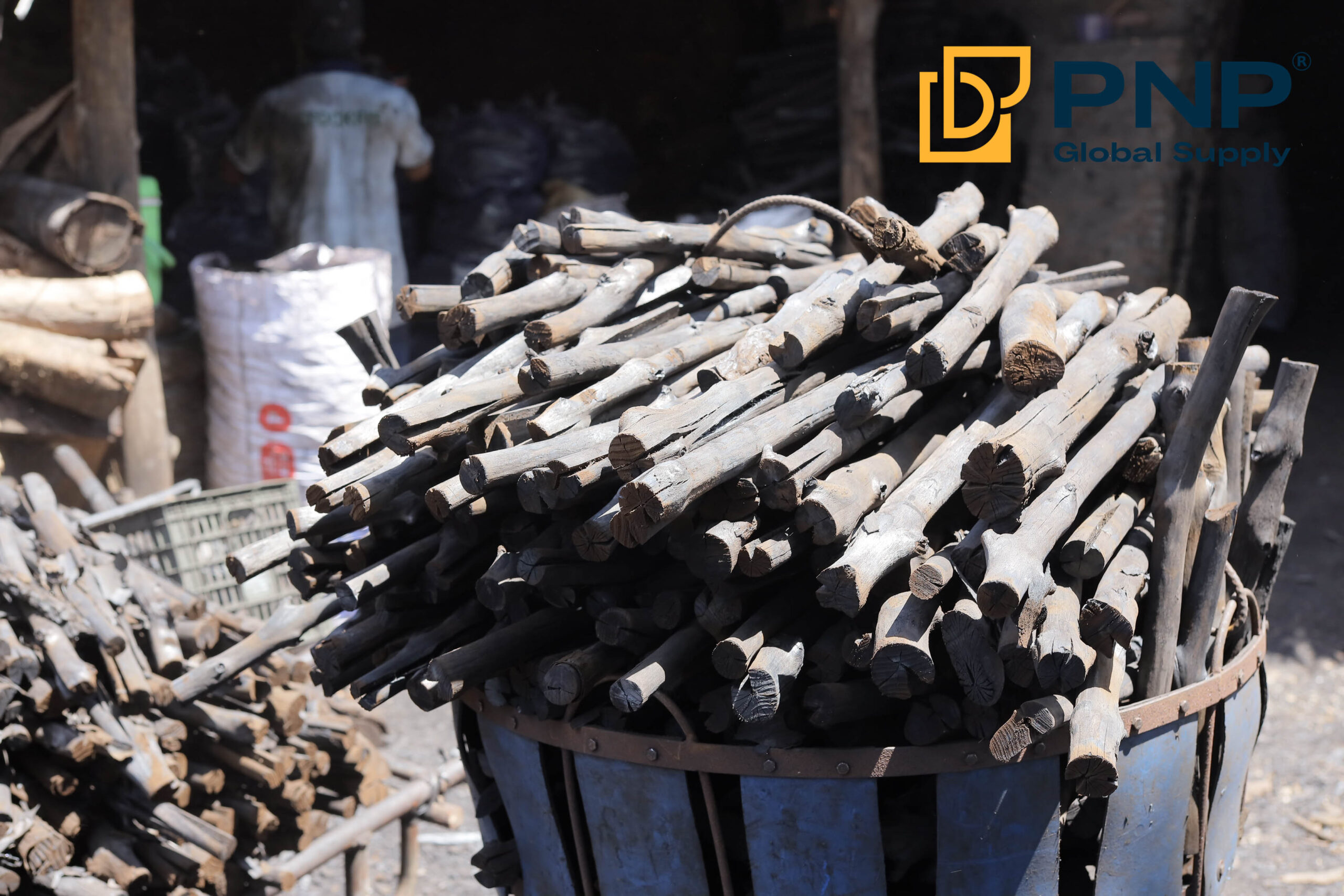
Even the best mangrove wood charcoal can lose quality if stored incorrectly. To maintain performance, charcoal should be kept in a dry, well-ventilated area away from humidity. Moisture can weaken the structure and reduce burning efficiency. Using sealed bags with thick liners or moisture-proof packaging ensures long-term stability, especially for importers or restaurants that store large volumes. Avoid placing charcoal directly on the floor; instead, use pallets or shelves to prevent water absorption from the ground. Proper storage preserves density, reduces dust, and maintains consistent burning temperature.
Where to Buy High-Quality Mangrove Wood Charcoal
Choosing the right mangrove charcoal supplier is essential to ensure you receive authentic, well-processed charcoal. Reliable suppliers provide transparent production details, consistent specifications, and stable supply for export or restaurant use. They also offer competitive and clear mangrove charcoal price options depending on grade and packaging. To avoid low-quality products, buyers should seek suppliers who follow strict carbonization standards, offer testing samples, and provide third-party certifications when required. These indicators ensure the charcoal is suitable for BBQ restaurants, home grilling, and camping applications.
PNP Charcoal is a trusted supplier of premium mangrove wood charcoal, providing consistent quality for both domestic and export markets. With carefully controlled carbonization processes and strict quality checks, PNP ensures every batch delivers high heat, long burn time, and minimal smoke. The company offers clear and competitive mangrove charcoal price options, along with flexible packaging tailored for restaurants, distributors, and importers. By working with PNP Charcoal, buyers gain access to reliable supply, verified specifications, and a product that consistently meets international BBQ and grilling standards.
Visit our website at PNP Charcoal to browse available mangrove charcoal products and place your order.
Conclusion
Understanding how to distinguish high-quality mangrove wood charcoal from low-quality products allows buyers to make informed decisions, reduce fuel waste, and improve cooking performance. Whether you are a restaurant owner, importer, or camping enthusiast, choosing the right charcoal ensures stronger heat, cleaner grilling, and better flavor. If you need a stable, high-heat charcoal that meets export standards, make sure to choose a reputable mangrove charcoal supplier with transparent mangrove charcoal prices and verified quality. Investing in premium mangrove wood charcoal will deliver long-term benefits for all BBQ needs, from restaurant kitchens to charcoal BBQ for camping.
________________________________
Contact us for more information
Facebook: PNP Charcoal
Instagram: PNP Charcoal
Email: info@pnpglobalsupply.com