Lumpwood charcoal has become one of the most preferred fuels for BBQ grilling and professional food service thanks to its natural origin, clean burn, and strong heat performance. Among many options available on the market, khaya charcoal and eucalyptus lump charcoal are two popular types that are often compared—and frequently confused—by buyers and importers. Although both belong to the lumpwood charcoal category, they differ in appearance, burning behavior, and suitability for different grilling needs.
This article provides a clear and practical guide on how to distinguish khaya charcoal from eucalyptus lump charcoal through visual inspection, charcoal testing, and real charcoal review insights, helping buyers make informed purchasing decisions.

Understanding Lumpwood Charcoal
Lumpwood charcoal is produced by carbonizing natural hardwood without additives or binders. Unlike briquettes, it retains the original shape of wood, allowing better airflow and faster ignition. For BBQ users and charcoal importers, lumpwood charcoal is valued for its clean flavor, high heat output, and minimal chemical residue.
The quality of lumpwood charcoal depends heavily on the type of wood used. Different hardwoods produce charcoal with different density levels, burning time, ash output, and visual characteristics. This is why comparing khaya charcoal and eucalyptus lump charcoal is essential, especially for buyers sourcing charcoal from Vietnam or other exporting countries.
What Is Khaya Charcoal?
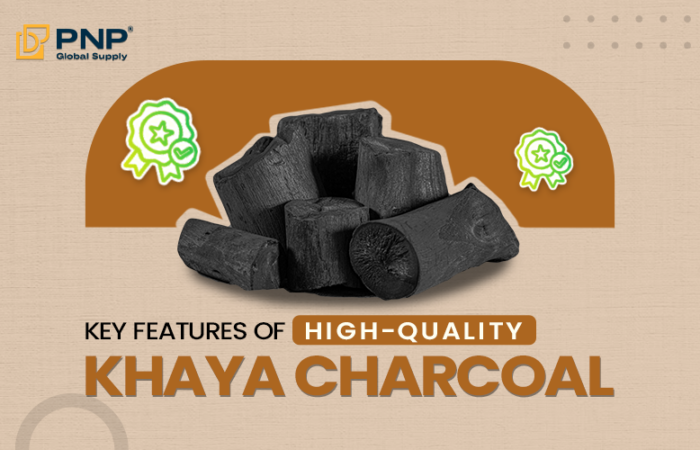
Khaya charcoal is made from Khaya hardwood, a dense tropical wood known for its strength and durability. In charcoal production, Khaya wood produces solid lumpwood charcoal pieces with relatively uniform structure. One of the first things buyers notice is its deep black charcoal color, which often appears matte rather than shiny.
In terms of texture, khaya charcoal feels heavy in hand and does not break easily. This density contributes to a stable burn and consistent heat output, making it suitable for long grilling sessions. Khaya charcoal is commonly used in BBQ restaurants, skewered grilling, and outdoor cooking where heat stability is a priority.
From a visual perspective, khaya charcoal pieces often have irregular but thick shapes, with fewer surface cracks compared to some eucalyptus lump charcoal. These characteristics are useful indicators during initial inspection, especially when buyers evaluate bulk shipments.
What Is Eucalyptus Lump Charcoal?
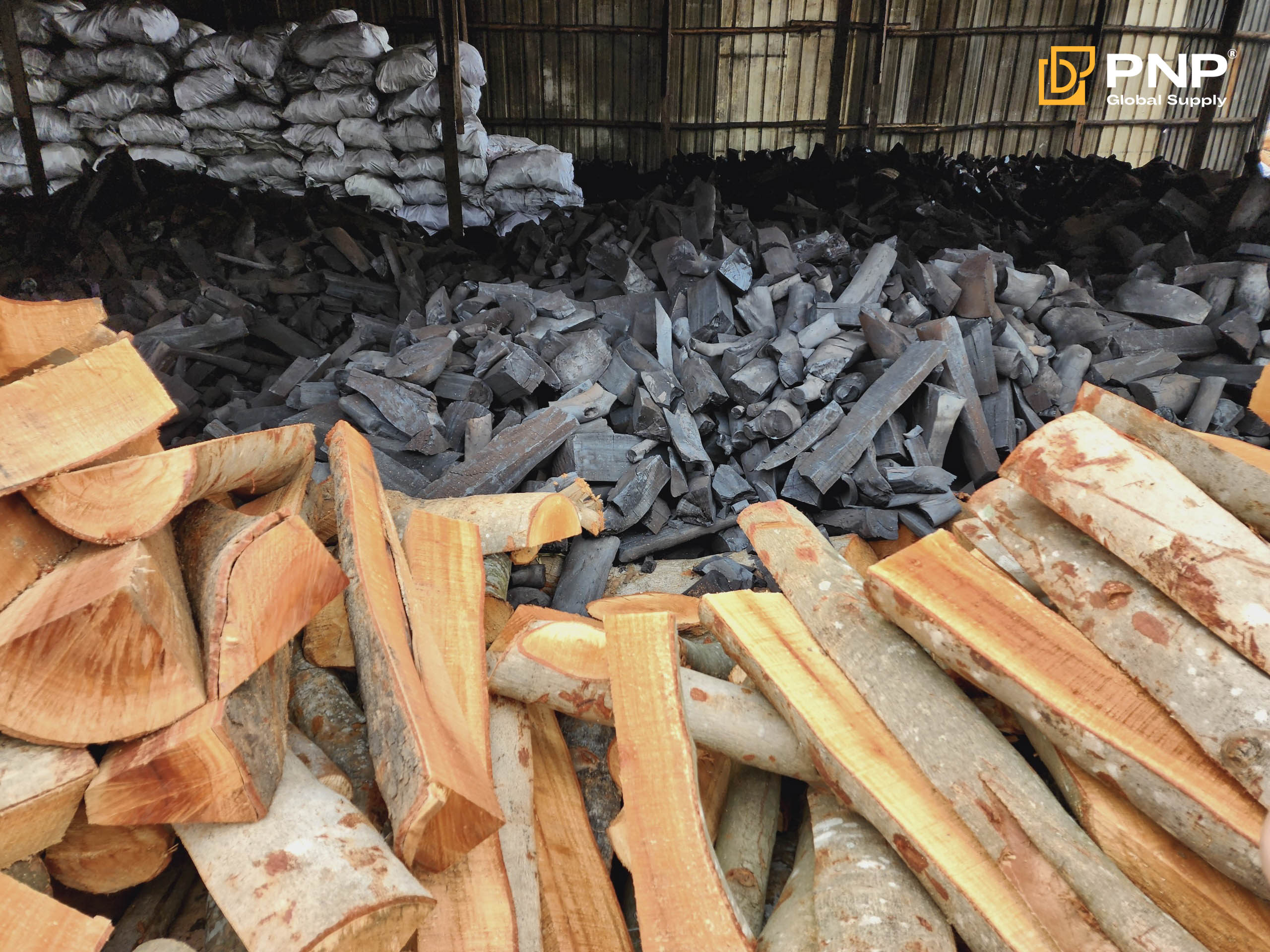
Eucalyptus lump charcoal is produced from eucalyptus wood, which grows faster and has a different fiber structure compared to Khaya. As a result, eucalyptus lump charcoal often appears lighter in weight and slightly more brittle when handled.
The surface of eucalyptus lump charcoal may look smoother and sometimes slightly glossy. The black charcoal color can vary from deep black to dark gray, depending on the carbonization process. In some cases, buyers may notice more visible cracks or hollow sections inside eucalyptus charcoal lumps.
Eucalyptus lump charcoal is known for quick ignition and strong initial heat. This makes it suitable for fast grilling applications, short BBQ sessions, or situations where quick temperature rise is needed. For importers, eucalyptus lump charcoal is often favored for its availability and competitive pricing.
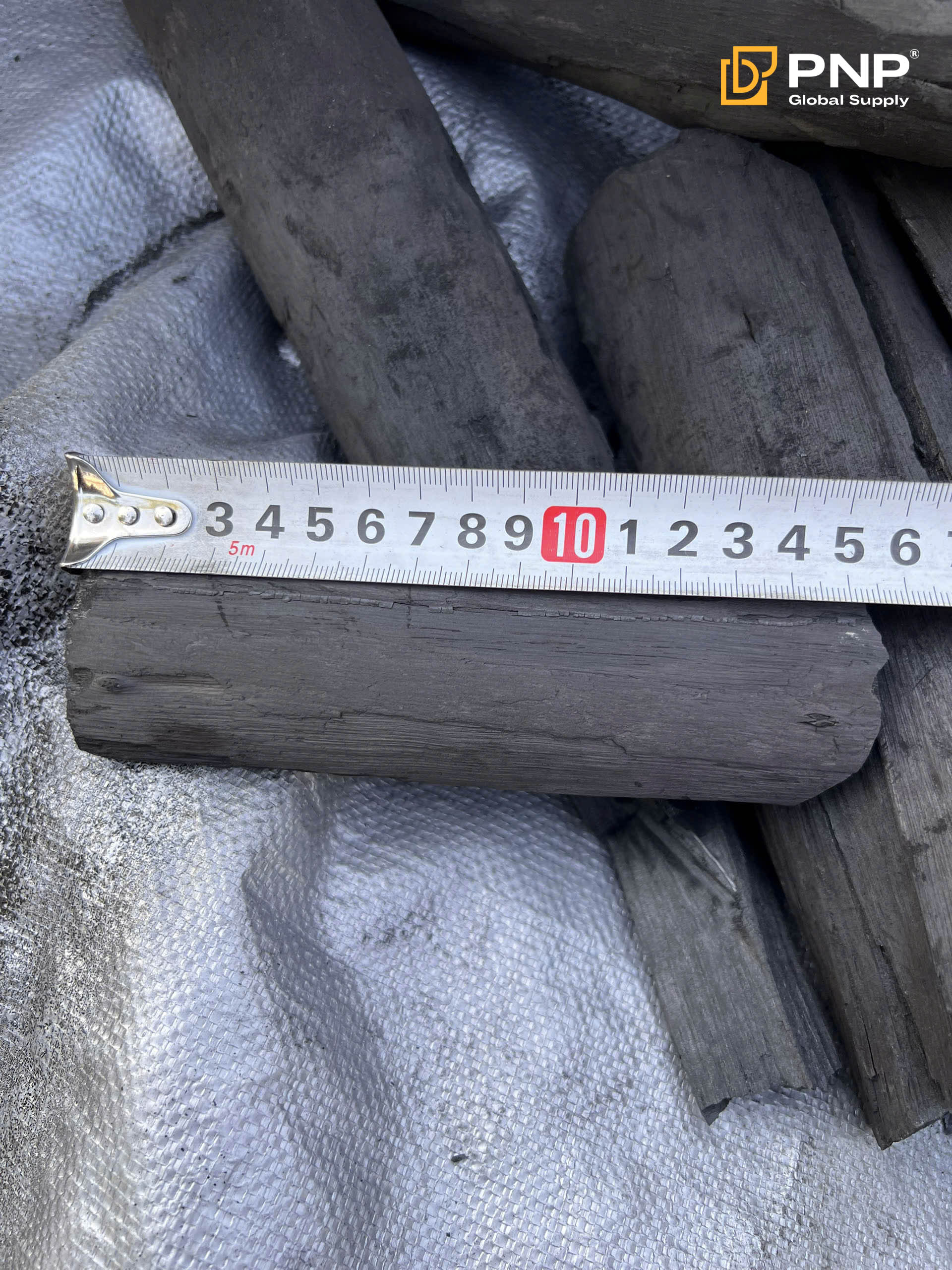
Key Visual Differences Between Khaya and Eucalyptus Lump Charcoal
Visual inspection is the first step in distinguishing between khaya charcoal and eucalyptus lump charcoal. Khaya charcoal generally has a darker, more uniform black charcoal color with a dense and compact appearance. The surface looks solid, and the pieces tend to be heavier for their size.
Eucalyptus lump charcoal, on the other hand, may show more variation in color and texture. The surface can appear slightly shinier, and the internal structure may contain more pores or air gaps. These differences become noticeable when comparing samples side by side.
Experienced buyers often rely on these visual cues before moving to further charcoal testing methods.
Density and Hardness: A Practical Comparison
Density plays a crucial role in how lumpwood charcoal performs during grilling. Khaya charcoal has a higher density, which allows it to burn slower and maintain stable heat over a longer period. When two similar-sized pieces are compared, khaya charcoal typically feels heavier than eucalyptus lump charcoal.
Eucalyptus lump charcoal is generally lighter and easier to break by hand. While this does not mean lower quality, it does affect how the charcoal behaves during use. Lighter density allows faster ignition but may also lead to quicker consumption.
This difference in hardness is particularly important for commercial BBQ users who need predictable heat control throughout service hours.
Charcoal Testing: How to Identify Each Type Accurately
Charcoal testing is the most reliable way to distinguish khaya charcoal from eucalyptus lump charcoal beyond appearance alone. One common method is the break test. When broken, khaya charcoal tends to snap cleanly with a solid interior, while eucalyptus lump charcoal may crumble more easily and show porous inner layers.
Burn testing also reveals clear differences. During ignition, eucalyptus lump charcoal lights faster and produces heat quickly. Khaya charcoal takes slightly longer to ignite but rewards users with steadier and longer-lasting heat.
Another useful charcoal testing method is observing ash residue. Khaya charcoal typically leaves a finer, lighter layer of ash, while eucalyptus lump charcoal may produce slightly more ash depending on carbonization quality. These tests are especially useful for importers evaluating samples before confirming large orders.
Burning Performance and Heat Stability
Burning performance is one of the most important factors in charcoal selection. Khaya charcoal excels in maintaining consistent heat over extended periods, making it ideal for grilling meats that require longer cooking times. Its slow and stable burn reduces the need for frequent refueling.
Eucalyptus lump charcoal performs well in scenarios that demand quick heat and fast cooking. It is commonly used for grilling thin cuts of meat, seafood, or casual BBQ sessions. However, due to its faster burn rate, users may need to add charcoal more frequently during long grilling sessions.
Understanding these performance differences helps buyers choose the right lumpwood charcoal based on their specific use case.
Charcoal Review from Buyers and BBQ Professionals
Charcoal review feedback from BBQ restaurants and professional grillers often highlights khaya charcoal for its reliability and heat consistency. Many users appreciate its strong structure and long burn time, especially in high-volume grilling environments.
Eucalyptus lump charcoal receives positive charcoal review comments for its fast ignition and accessibility. Home BBQ users and small restaurants often favor eucalyptus lump charcoal for its convenience and cost-effectiveness.
Importers also consider packaging, moisture control, and consistency across batches when reviewing charcoal types. Both khaya charcoal and eucalyptus lump charcoal can perform well if produced and packed properly.
Common Misconceptions When Buying Lumpwood Charcoal
One common misconception is assuming that darker black charcoal color always indicates higher quality. While color is an important factor, density, moisture content, and burning behavior are equally critical. Another mistake is judging charcoal quality based solely on lump size. Larger lumps are not always better if internal structure is weak.
Skipping charcoal testing before bulk purchases is another risk. Even visually appealing lumpwood charcoal can perform poorly if not properly carbonized.
Choosing the Right Lumpwood Charcoal for Your Needs
Selecting between khaya charcoal and eucalyptus lump charcoal depends on intended use and market requirements. Khaya charcoal is a strong choice for professional BBQ operations, restaurants, and buyers seeking stable heat and long burn time. Eucalyptus lump charcoal is suitable for fast grilling, casual BBQ use, and price-sensitive markets.
For importers, understanding these differences improves communication with suppliers and ensures the selected charcoal matches customer expectations.
PNP Charcoal supplies high-quality lumpwood charcoal, including khaya and eucalyptus charcoal, to meet diverse grilling needs and market requirements—visit our website: PNP Charcoal to explore suitable solutions for your business
Conclusion
Distinguishing khaya charcoal from eucalyptus lump charcoal requires more than a quick glance. By combining visual inspection, density evaluation, charcoal testing, and real charcoal review insights, buyers can confidently identify each type of lumpwood charcoal and choose the most suitable option.
Both khaya charcoal and eucalyptus lump charcoal have their strengths, and selecting the right one ultimately depends on grilling style, usage duration, and market demand. With proper knowledge, lumpwood charcoal sourcing becomes a strategic advantage rather than a challenge.
________________________________
Contact us for more information
Facebook: PNP Charcoal
Instagram: PNP Charcoal
Email: info@pnpglobalsupply.com