Choosing the right bbq charcoal grill is just as important as selecting quality charcoal. Many people focus only on food or seasoning, but the combination of grill design and charcoal type directly affects heat control, burning time, flavor, and overall grilling efficiency. When the grill and charcoal are mismatched, you may experience uneven heat, excessive charcoal consumption, or unstable temperatures.
In this guide, we will help you understand how to choose the most suitable bbq charcoal grill based on different types of charcoal, while also considering factors such as price of charcoal, grilling style, and long-term usability.
Why the Right BBQ Charcoal Grill Matters
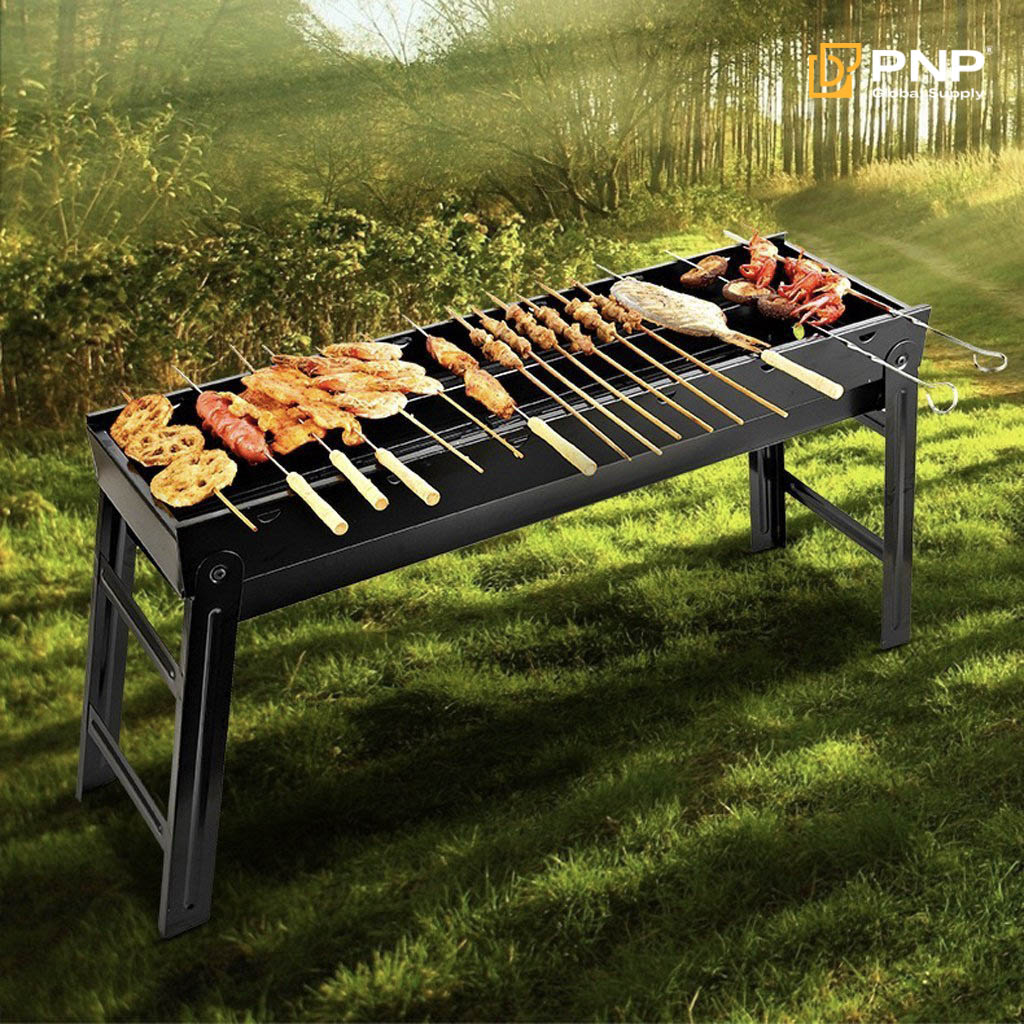
A bbq charcoal grill is not simply a container for burning charcoal. Its structure determines airflow, heat retention, and how efficiently charcoal burns. Different charcoals ignite, burn, and release heat differently, which means not every grill performs well with every charcoal type.
When the grill is compatible with the charcoal, you can achieve higher heat with less fuel, better temperature control, and more consistent cooking results. This is especially important for users who grill frequently, run food businesses, or want to optimize charcoal usage as prices fluctuate in the market.
Key Factors to Consider When Choosing a BBQ Charcoal Grill
Before matching a grill with charcoal, several basic factors should be evaluated.
Heat control is the first consideration. A good bbq charcoal grill should allow you to regulate airflow easily, as oxygen directly affects how fast charcoal burns. Grill size and charcoal capacity also matter, especially when using charcoals that burn quickly at high temperatures.
Ventilation design plays a critical role in ash management and temperature stability. Poor airflow can cause charcoal to smother, while excessive airflow can make it burn too fast. Lastly, the price of charcoal should influence your decision. When charcoal costs are high, an efficient grill that minimizes waste becomes even more valuable.
Overview of Common Types of Charcoal
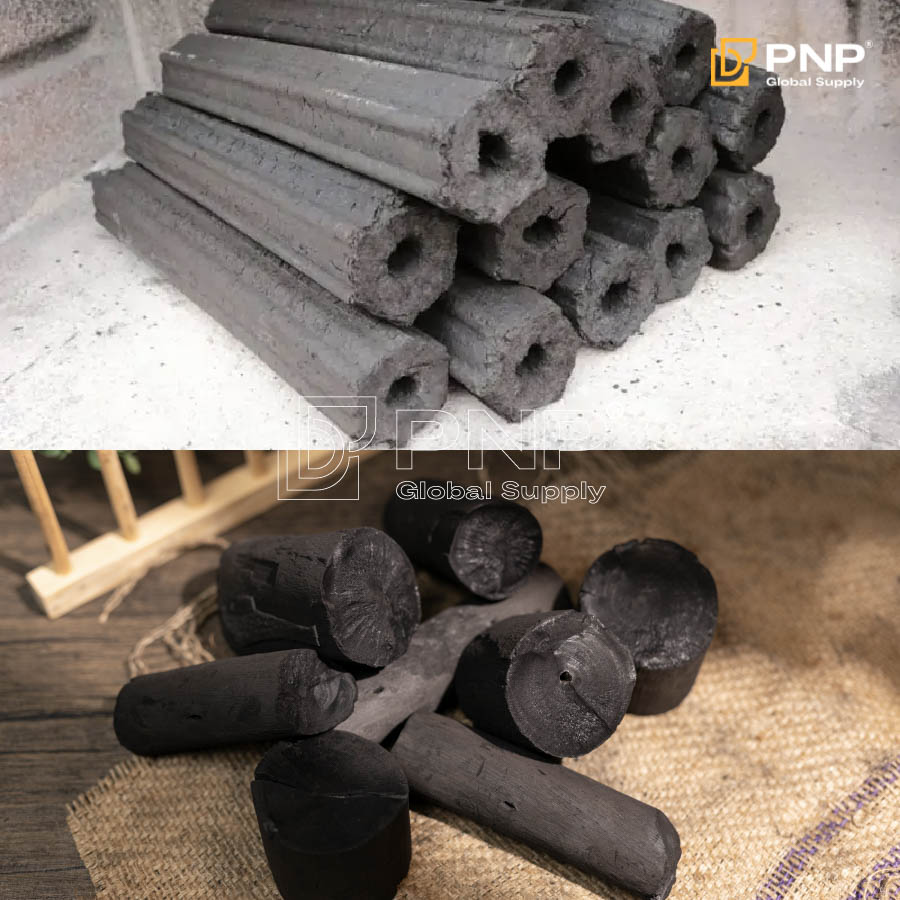
Understanding the basic types of charcoal is essential before choosing the right grill. While there are many variations, the two most widely used in BBQ grilling are lumpwood charcoal and natural briquette charcoal.
Lumpwood charcoal is made from natural hardwood and retains the original wood shape. It ignites quickly, produces high heat, and burns cleanly, but the burn time can be less consistent due to varying piece sizes.
Natural briquette charcoal is compressed from charcoal powder and natural binders. It burns more evenly and lasts longer, making it suitable for controlled cooking, though it generally takes longer to ignite.
Each type behaves differently inside a bbq charcoal grill, which is why proper matching is crucial.
To choose the right charcoal for your BBQ needs, PNP Charcoal supplies a wide range of high-quality lumpwood and natural briquette charcoal—visit our website: PNP Charcoal to explore suitable options for every grilling style.
Choosing a BBQ Charcoal Grill for Lumpwood Charcoal
Lumpwood charcoal is favored by many grillers for its high heat and natural flavor. However, because it burns quickly and responds strongly to airflow, it requires a grill that offers precise ventilation control.
A bbq charcoal grill with adjustable top and bottom vents works best with lumpwood charcoal. This allows users to reduce oxygen flow once the charcoal reaches optimal temperature, preventing it from burning too fast.
Open-style grills and kettle grill designs are particularly suitable for lumpwood charcoal. The dome shape of a kettle grill helps circulate heat evenly while allowing excess heat to escape gradually. This makes it easier to manage flare-ups and maintain stable grilling temperatures.
Choosing a BBQ Charcoal Grill for Natural Briquette Charcoal
Natural briquette charcoal is designed for consistency. It burns longer and produces steady heat, making it ideal for extended cooking sessions. Because of this, the bbq charcoal grill used should focus on heat retention rather than rapid airflow.
Grills with thicker metal walls and well-sealed lids perform better with natural briquette charcoal. These grills help trap heat inside, allowing briquettes to burn efficiently without excessive oxygen.
A kettle grill also works well with natural briquette charcoal, especially for indirect grilling. Its closed design supports slow and even cooking, which is perfect for ribs, chicken, or large cuts of meat that require longer grilling times.
Why the Kettle Grill Is a Versatile Choice
The kettle grill is one of the most popular bbq charcoal grill designs worldwide, and for good reason. Its round shape, domed lid, and adjustable vents make it compatible with multiple types of charcoal.
When using lumpwood charcoal, the kettle grill allows quick heat buildup and easy airflow control. With natural briquette charcoal, it supports long, steady burns without constant refueling. This flexibility makes the kettle grill an excellent option for households and small businesses that use different charcoals depending on the cooking purpose.
Another advantage of the kettle grill is fuel efficiency. By controlling airflow precisely, users can reduce charcoal consumption, which helps manage overall costs when the price of charcoal increases.
Matching Grill Type with Charcoal Cost Efficiency
The relationship between the price of charcoal and grill efficiency is often overlooked. When charcoal prices rise, inefficient grills lead to unnecessary waste. A poorly sealed bbq charcoal grill may require more charcoal to reach and maintain cooking temperature.
Lumpwood charcoal, while often slightly more expensive per kilogram, can be cost-effective when paired with an efficient grill that prevents excessive burning. On the other hand, natural briquette charcoal offers better value for long grilling sessions when used in grills designed for heat retention.
Investing in the right bbq charcoal grill can significantly reduce long-term charcoal expenses, even if the initial grill cost is higher.
Practical Grill and Charcoal Combinations for Different Needs
For quick grilling and high-heat cooking such as steaks or skewers, a kettle grill paired with lumpwood charcoal provides excellent performance. The rapid ignition and intense heat deliver strong searing results.
For slow grilling or extended BBQ sessions, natural briquette charcoal combined with a well-insulated bbq charcoal grill ensures stable temperatures over several hours. This setup is ideal for family gatherings or professional BBQ operations.
For users who grill occasionally and want flexibility, a kettle grill remains the most balanced solution, accommodating multiple charcoal types with minimal adjustments.
Common Mistakes When Choosing a BBQ Charcoal Grill
One common mistake is selecting a grill without considering the charcoal being used. Using lumpwood charcoal in a poorly ventilated grill can result in uncontrolled burning and wasted fuel. Conversely, using natural briquette charcoal in an overly open grill can make temperature control difficult.
Another mistake is focusing solely on grill size without evaluating airflow design. Even a large bbq charcoal grill can perform poorly if ventilation is inadequate.
Understanding the behavior of different types of charcoal helps avoid these issues and ensures a better grilling experience.
Conclusion
Choosing the right bbq charcoal grill is essential for maximizing the performance of your charcoal and improving grilling results. By understanding the characteristics of lumpwood charcoal and natural briquette charcoal, and how each interacts with different grill designs, you can achieve better heat control, reduce fuel waste, and manage the price of charcoal more effectively.
Among various options, the kettle grill stands out as a versatile and efficient choice, suitable for multiple grilling styles and charcoal types. Ultimately, a well-matched grill and charcoal combination not only enhances flavor and cooking consistency but also delivers long-term value for both home users and professional BBQ operations.
________________________________
Contact us for more information
Facebook: PNP Charcoal
Instagram: PNP Charcoal
Email: info@pnpglobalsupply.com