Charcoal is one of the most essential materials in BBQ cooking, industrial heating, and restaurant operations. But not all charcoal is made equal. The charcoal quality of each batch can vary significantly depending on the raw material, production method, burning temperature, moisture, and storage conditions. For businesses in the charcoal industry—especially those exporting to demanding markets—understanding these factors is crucial to ensuring consistent performance, long burn time, clean heat, and premium value.
This article explores the key elements that affect charcoal performance, including charcoal burning temperature, charcoal testing, storage charcoal, and what defines truly smokeless BBQ charcoal. By understanding these factors, buyers and suppliers can better assess product quality and ensure efficient usage across applications.
Why Charcoal Quality Matters
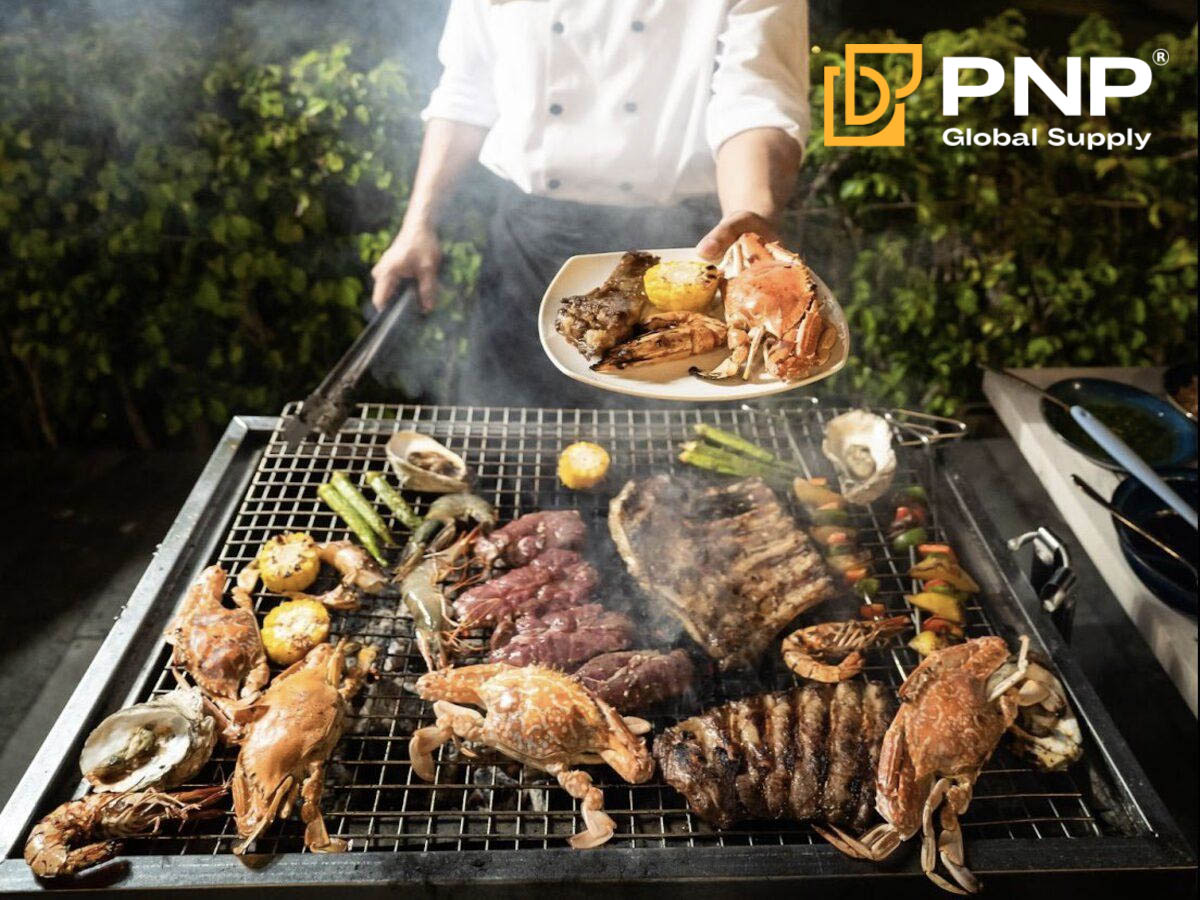
Charcoal is more than just a fuel source. High-quality charcoal influences cooking efficiency, taste, and user experience. In BBQ cooking, superior charcoal burns longer, provides higher heat, produces less smoke, and generates minimal ash. For restaurants and exporters, this translates into better cost-efficiency, customer satisfaction, and reliable performance across every shipment.
Good charcoal quality also reflects a controlled, professional production process—from raw material selection to carbonization and post-production testing. Whether you’re producing or purchasing charcoal, understanding quality indicators helps reduce risks, especially when serving markets like Japan, Korea, Europe, and the Middle East.
Raw Material Selection: The Foundation of Charcoal Quality
One of the most important factors shaping charcoal quality is the type of wood used. Hardwoods such as mangrove, eucalyptus, longan, or coffee wood tend to produce denser charcoal with higher fixed carbon and longer burn time. Softwoods, by contrast, often create charcoal that burns quickly, produces more smoke, and contains higher volatile matter.
Characteristics influenced by raw material include:
- Density and hardness
- Heat retention capacity
- Ash level
- Aroma and smoke production
- Ability to reach high charcoal burning temperature
For example, mangrove and coffee charcoal are known for high heat and long burn time, making them preferred choices for BBQ restaurants. Meanwhile, sawdust charcoal briquettes offer consistency and uniform shape but may differ in burning characteristics depending on binder and compression level.
Production Method: How Carbonization Affects Charcoal Quality
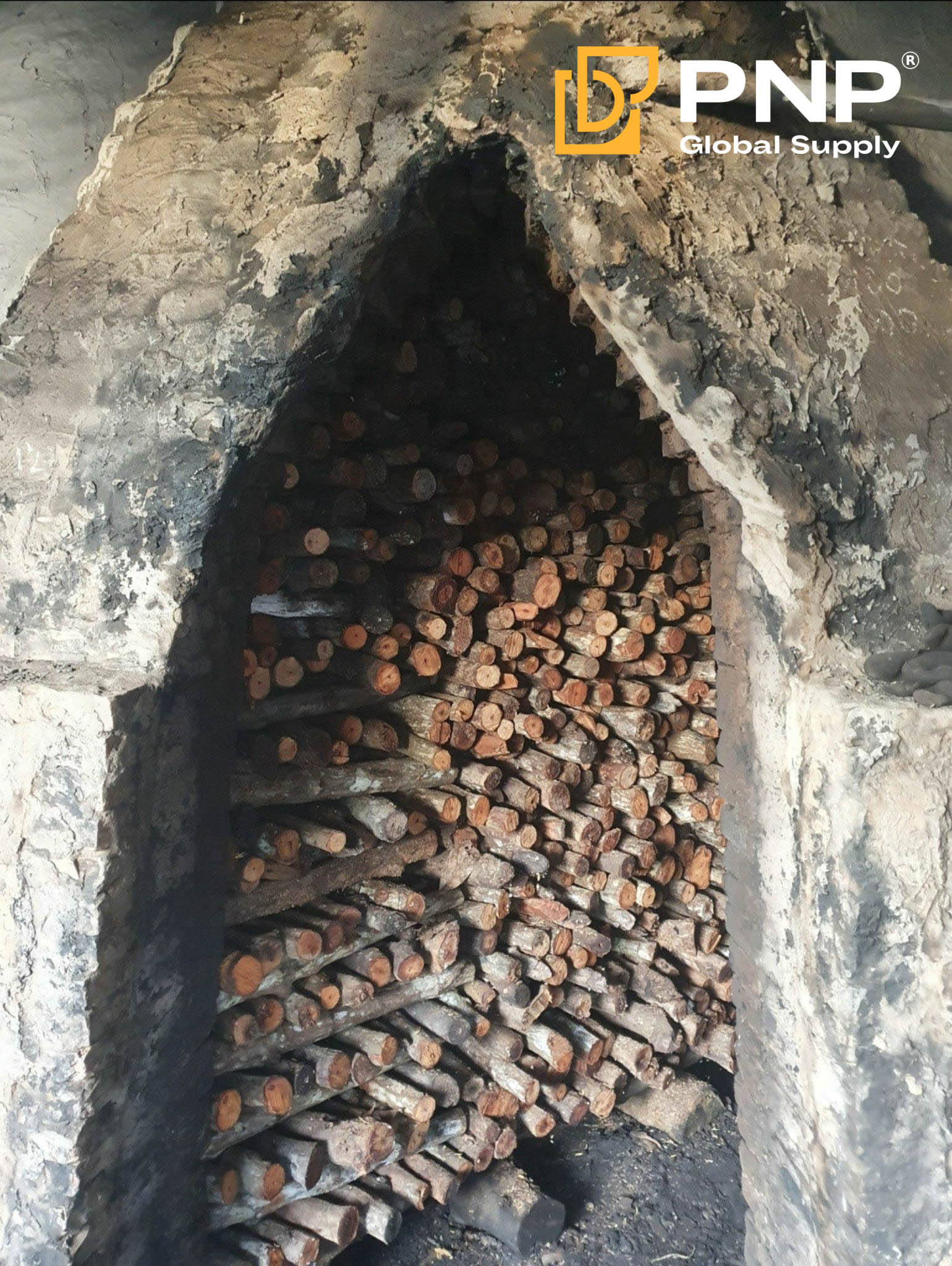
The method used to carbonize wood plays a critical role in determining the final charcoal quality. Carbonization is the process of heating wood under limited oxygen to remove moisture and volatile substances, leaving behind carbon-rich charcoal.
Several factors during this process significantly influence quality:
Controlled Temperature
If the carbonization temperature is too low, the charcoal will contain high volatile matter, produce more smoke, and burn inefficiently. When temperature is too high, wood structure may weaken, causing brittle charcoal that breaks easily during transport.
Achieving optimal charcoal burning temperature in the carbonization chamber ensures proper conversion of raw wood into stable charcoal.
Carbonization Time
Longer carbonization times typically produce better-quality charcoal with higher fixed carbon and lower moisture. Short cycles lead to incomplete carbonization and inconsistent product performance.
Oxygen Control
Proper kiln management is essential. Allowing too much oxygen leads to partial burning rather than carbonization, causing product loss and unstable quality.
Producers with advanced kilns—such as dome kilns, brick kilns, or retort systems—usually offer more consistent results, ensuring high fixed carbon and low volatile matter levels, which directly enhance charcoal quality.
Moisture and Drying Stage: A Critical Step for Clean Burning
Moisture content is one of the most important indicators in determining charcoal quality. High moisture leads to:
- Harder ignition
- Lower heat output
- Excessive smoke
- Shorter burn time
Because charcoal is a porous material, it absorbs moisture easily. Even perfectly carbonized charcoal can lose quality if exposed to humidity after production. This is why proper storage charcoal practices are essential.
Producers typically sun-dry charcoal or use mechanical drying before packaging. For export shipments, moisture levels are usually kept below 8% to prevent mold and maintain stability throughout long-distance transportation.
Charcoal Burning Temperature: How Heat Defines Performance
The charcoal burning temperature is a key technical factor that impacts cooking efficiency and product suitability for restaurants or industrial users. High-quality charcoal typically achieves temperatures between 600°C and 800°C or even higher, depending on the wood species and production process.
A higher burning temperature means:
- Faster heat-up time
- Better searing capability
- Stronger heat retention
- Longer burning duration
- Lower smoke generation
Charcoal made from hardwoods—such as mangrove or coffee—naturally achieves higher charcoal burning temperature thanks to their dense fiber structure and high fixed carbon content.
For BBQ restaurants, high-heat charcoal improves food flavor and reduces the amount of charcoal needed per service, lowering costs.
Charcoal Testing: Ensuring Consistency and Export Quality
Reliable suppliers always perform charcoal testing on each batch before shipment. These tests help buyers confirm product consistency and ensure compliance with international requirements.
Common testing indicators include:
- Fixed Carbon: Higher fixed carbon equals cleaner, hotter, and longer burning.
- Volatile Matter: Lower volatile matter indicates more stable combustion and less smoke.
- Moisture Content: Should remain low to ensure easy ignition and consistent heat.
- Ash Content: Low ash means less waste and better heat transfer.
These charcoal testing parameters are especially crucial for export shipments where documentation and quality guarantees are required. Testing also helps producers identify inconsistencies early and maintain a high standard of charcoal quality across every container.
Storage and Transportation: Protecting Charcoal Quality Over Time
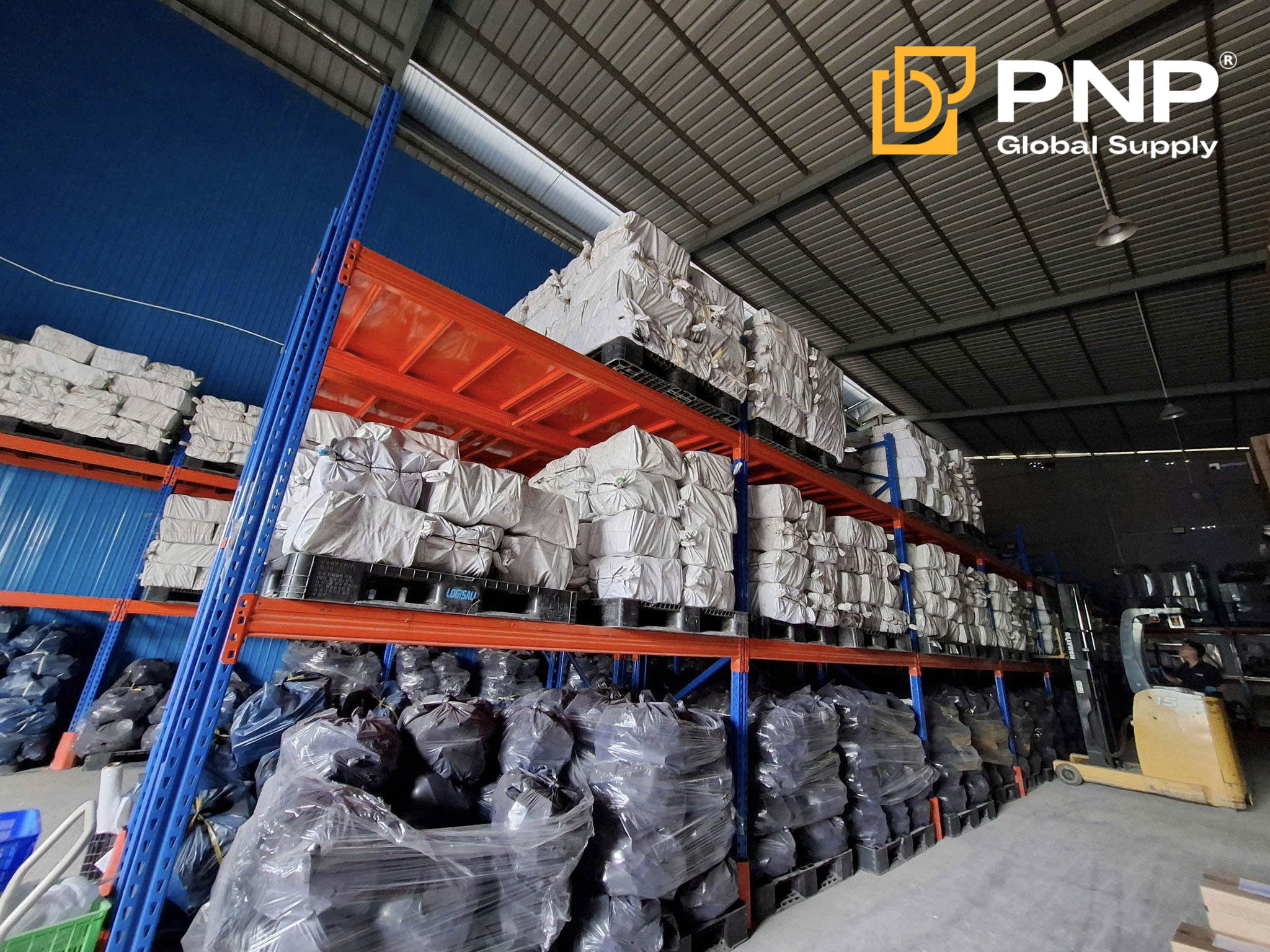
Even high-quality charcoal can degrade if not stored properly. Because charcoal absorbs moisture easily, storage charcoal practices must be carefully managed.
Poor storage conditions can lead to:
- Increased moisture content
- Mold growth
- Crumbling or breakage
- Reduced heat output
- Higher smoke production
To maintain charcoal quality, storage facilities should provide:
- Dry, well-ventilated spaces
- Protection from rain and humidity
- Pallet-based stacking to avoid ground moisture
- Tight packaging to prevent environmental exposure
During export, charcoal must be packed securely in moisture-resistant bags and loaded carefully to avoid breakage. For long routes such as Middle East or Europe, maintaining stable conditions from factory to port is essential for preserving product performance.
PNP Charcoal is committed to delivering high-quality charcoal through strict production and storage standards, ensuring every batch maintains its durability, heat performance, and stability during long-distance transportation. With controlled conditions from factory to port, we guarantee clean, consistent, and reliable charcoal for all customer needs. Visit our website: PNP Charcoal to explore more about our premium products and export solutions.
What Makes Smokeless BBQ Charcoal Special?
The rising demand for smokeless BBQ charcoal reflects consumer interest in cleaner, healthier, and more efficient grilling experiences. Smokeless charcoal is not completely free of smoke but produces significantly less compared to regular charcoal.
Factors that create smokeless BBQ charcoal include:
- High fixed carbon
- Ultra-low moisture
- Low volatile matter
- Dense raw materials
- Precise carbonization temperature
- Proper storage conditions
Smokeless charcoal is especially favored by indoor or semi-indoor BBQ restaurants, premium dining concepts, and export markets with strict environmental standards.
How to Identify High-Quality Charcoal
To choose charcoal with excellent performance, buyers should consider the following:
- The charcoal should feel hard and dense, not brittle.
- It should have a deep black or metallic sheen with minimal dust.
- Smoke should be minimal during ignition and cooking.
- It should maintain stable, high charcoal burning temperature.
- Documentation and charcoal testing results should be available.
Partnering with a reputable supplier ensures reliability, consistent quality, and compliance with international standards.
For more guidance on selecting the right fuel, you can also check out our detailed guide: Best Way to Choose When Buying Charcoal
Conclusion
Charcoal quality is influenced by various factors—from wood selection and carbonization technology to moisture content, storage conditions, burning temperature, and testing standards. Understanding these aspects helps businesses make informed decisions, maintain product consistency, and meet the demands of high-performance BBQ and export markets.
Whether you are a distributor, restaurant owner, or import agency, choosing stable, well-produced charcoal—especially smokeless BBQ charcoal and high-heat hardwood charcoal—ensures long-term efficiency and customer satisfaction.
________________________________
Contact us for more information
Facebook: PNP Charcoal
Instagram: PNP Charcoal
Email: info@pnpglobalsupply.com