In the global charcoal business, understanding charcoal shipping regulations is not optional — it is essential. Because charcoal is classified under dangerous goods shipping in many international transport systems, exporters must comply with strict documentation, packaging, and safety standards before arranging charcoal delivery.
For companies dealing with hardwood lump charcoal or working with charcoal bulk suppliers, regulatory compliance directly affects shipping timelines, costs, and long-term partnerships. This article explains what every exporter must know before shipping charcoal overseas.

Why Charcoal Is Classified Under Dangerous Goods Shipping
Under international transport codes such as the International Maritime Organization (IMO), charcoal is often classified as a self-heating substance (Class 4.2). This means it may pose fire risks if not properly packed and handled.
The International Air Transport Association (IATA) and the IMDG Code also regulate charcoal transportation to prevent spontaneous combustion during sea and air freight.
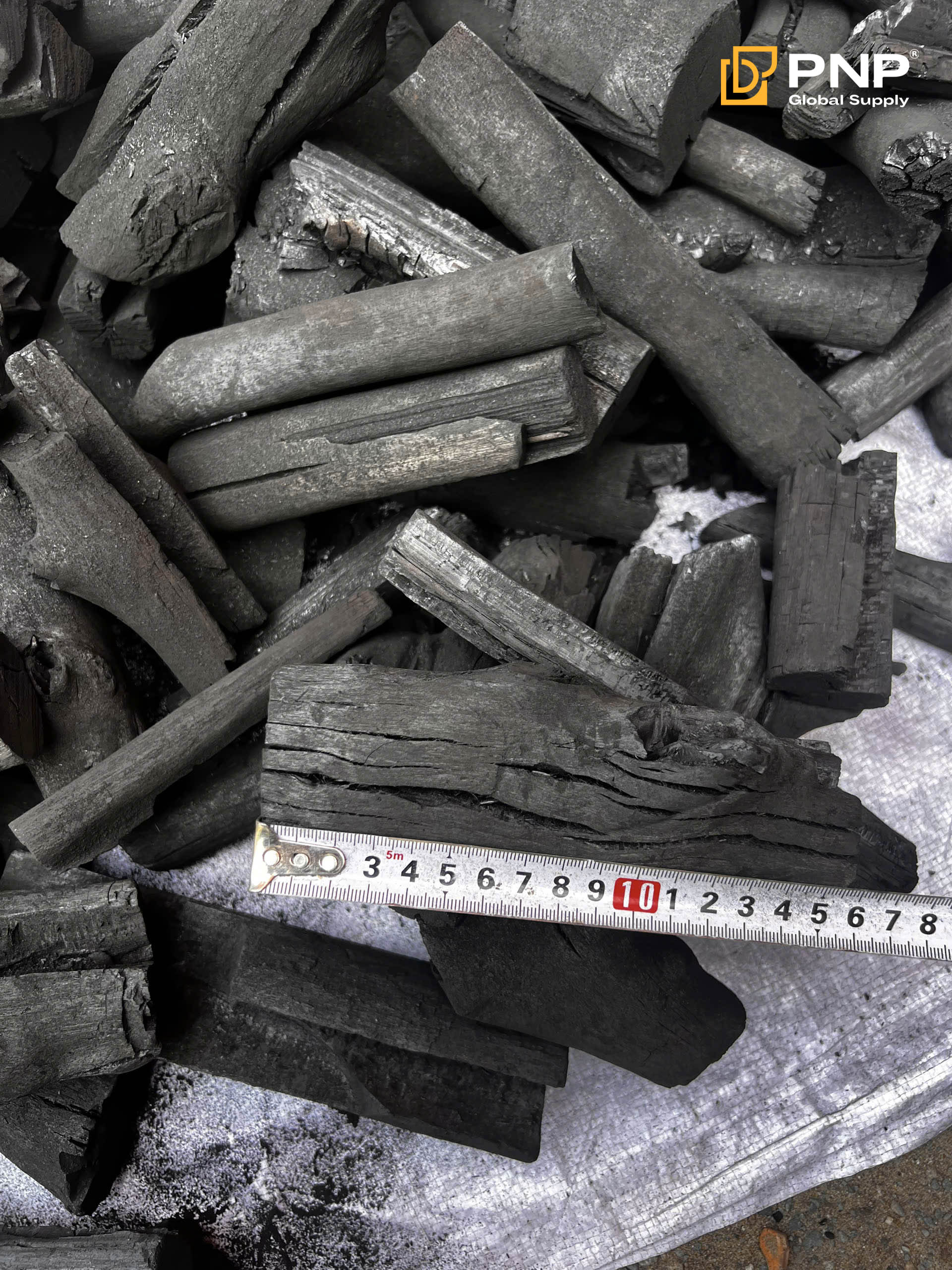
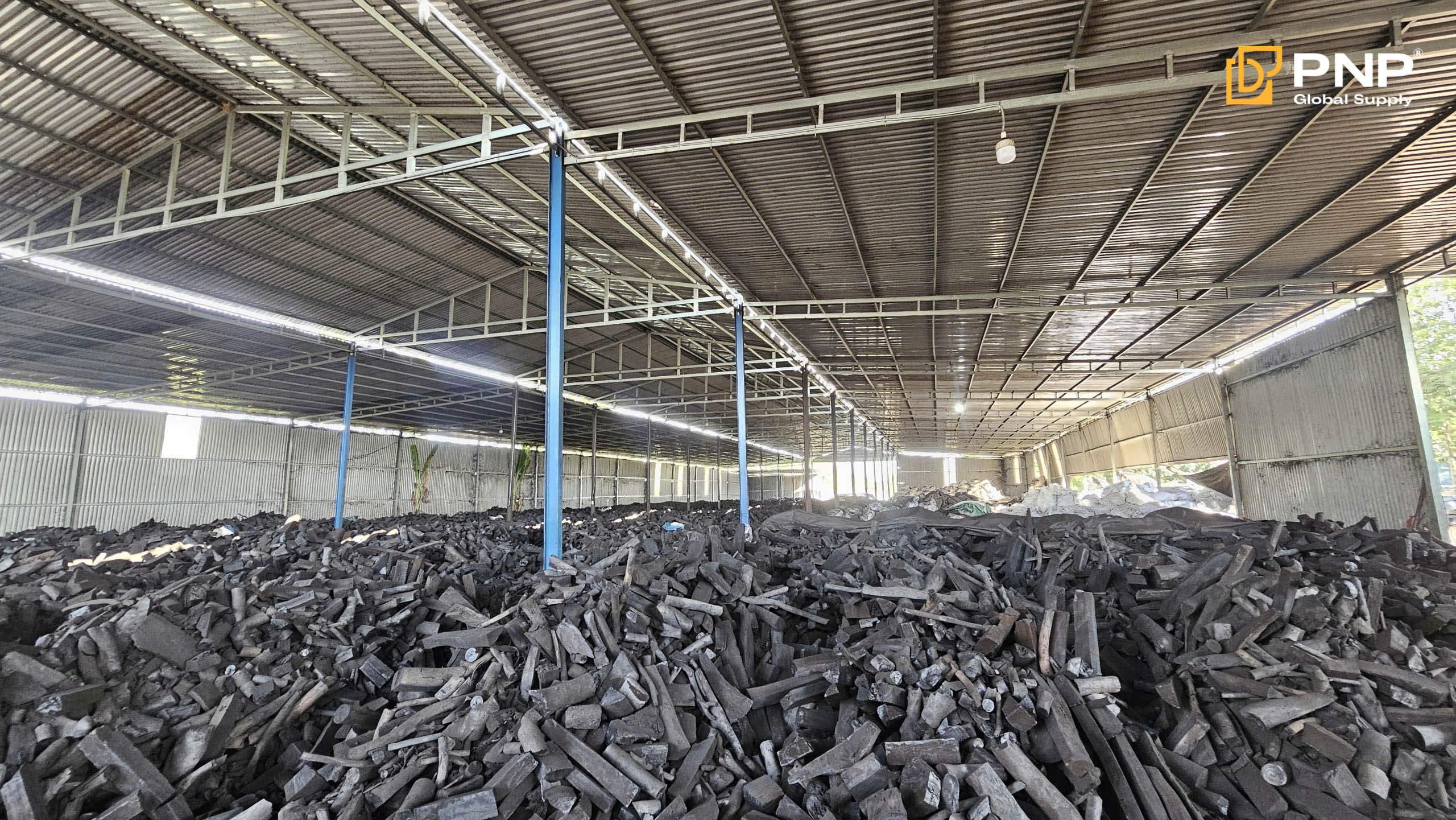
Hardwood lump charcoal retains natural wood structure and may contain residual moisture or volatile matter. If not fully carbonized or improperly stored, it can generate heat during transit.
For exporters of hardwood lump charcoal, moisture control and carbonization consistency are critical to meeting charcoal shipping regulations.
Key Shipping Requirements Before Charcoal Delivery
Proper Documentation
Before arranging charcoal delivery, exporters must prepare:
- Material Safety Data Sheet (MSDS)\
- UN classification (commonly UN 1361 for charcoal)
- Dangerous Goods Declaration (if required)
- Certificate of Origin
- Fumigation certificate (if applicable)
Incorrect or incomplete documentation can lead to container rejection at port.
Packaging and Labeling Standards
Charcoal packaging must:
- Prevent oxygen exposure
- Reduce dust accumulation
- Include proper hazard labels
- Meet container ventilation requirements
Most charcoal bulk suppliers use laminated PP bags with inner liners to reduce moisture and dust risks.
Container Preparation and Loading Requirements
Container Cleanliness and Dryness
Before loading, containers must be:
- Completely dry
- Free from oil, chemicals, or residues
- Properly ventilated
Residual moisture inside containers is one of the main causes of shipment delays and fire risks.
Temperature and Moisture Control
Exporters in the charcoal business must ensure:
- Moisture content is tested before packing
- Charcoal is cooled completely after carbonization
- No “hot loading” occurs
Shipping charcoal while still warm is a major violation of charcoal shipping regulations.
To better understand how moisture testing, cooling time, and strict container preparation are handled before shipment, read our article: Preparation Work at a Charcoal Factory: What Happens Before Delivery Begins
International Compliance Standards Exporters Should Know
IMDG Code for Sea Freight
The IMDG Code (regulated by the International Maritime Organization) outlines:
- Classification rules
- Packaging instructions
- Container stowage guidelines
- Emergency response procedures
Port and Destination Country Regulations
Each importing country may have additional requirements, including:
- Pre-shipment inspection
- Local fire safety certifications
- Customs documentation
Professional charcoal bulk suppliers usually coordinate closely with freight forwarders to ensure full compliance.
Common Mistakes Exporters Must Avoid
- Skipping Moisture Testing: Failing to test moisture content can lead to cargo self-heating during transit.
- Incomplete Dangerous Goods Declaration: Some exporters incorrectly assume charcoal is general cargo. Misdeclaring goods may result in fines, shipment seizure, or blacklisting by carriers.
- Poor Communication With Shipping Lines: Shipping lines often require advance notification for dangerous goods shipping. Late declaration can cause booking cancellation.
How to Ensure Safe and Compliant Charcoal Shipping
Work With Experienced Freight Forwarders
Freight agents familiar with charcoal business regulations can:
- Verify UN classification
- Prepare DG documentation
- Coordinate with shipping lines
Implement Internal Quality Control
Professional hardwood lump charcoal exporters should:
- Conduct pre-shipment lab testing
- Monitor carbonization temperature
- Record cooling time
- Keep inspection reports
Compliance is not only about paperwork — it starts from production.
Choosing Reliable Charcoal Bulk Suppliers
Importers should evaluate suppliers based on:
- Experience in dangerous goods shipping
- Proven export records
- Clear documentation procedures
- Container loading supervision
Reliable charcoal bulk suppliers understand that charcoal shipping regulations directly impact delivery schedules and long-term partnerships.
As a trusted name in the charcoal business, PNP Charcoal is committed to supplying high-quality products while strictly complying with charcoal shipping regulations. With solid experience in dangerous goods shipping, proven export records, transparent documentation procedures, and careful container loading supervision, PNP ensures every shipment meets international safety standards. We understand that regulatory compliance directly impacts delivery schedules and long-term partnerships — which is why reliability and consistency are always our top priorities.
Visit our website to learn more:PNP Charcoal
Conclusion
Charcoal shipping regulations are a critical part of the global charcoal business. Because charcoal falls under dangerous goods shipping in many transport systems, exporters must follow strict rules regarding packaging, documentation, container preparation, and moisture control.
Whether you export hardwood lump charcoal or operate as one of the leading charcoal bulk suppliers, regulatory compliance ensures smooth charcoal delivery, reduces financial risk, and protects your brand reputation in international markets.
Understanding these regulations before shipping is not just about avoiding penalties — it is about building a sustainable and professional export operation.
________________________________
Contact us for more information
Facebook: PNP Charcoal
Instagram: PNP Charcoal
Email: info@pnpglobalsupply.com