For many BBQ and grilling businesses, choosing the right charcoal for restaurants is one of the most important factors in maintaining consistent food quality, stable kitchen operations, and customer satisfaction. While price is often the first thing restaurant owners consider, using low-quality charcoal can lead to hidden costs such as excessive fuel consumption, poor grilling performance, and inconsistent flavors. Many restaurants experience issues like heavy smoke, fast-burning charcoal, or uneven heat without realizing that the main cause is the quality of the charcoal itself.
Today’s market offers many types of charcoal—from sawdust briquettes to hardwood lump charcoal and other forms of charcoal for grilling, each with different burning characteristics. Understanding these differences and recognizing early warning signs is essential for any business relying on charcoal-based cooking. This guide highlights the five most common signs that your restaurant is using substandard charcoal and provides practical solutions to help improve overall grilling quality.

Excessive Smoke – The First Warning Sign
One of the clearest signs of low-quality charcoal is heavy, dark smoke that appears during ignition or cooking. Charcoal with high moisture content, unclean raw materials, or chemical additives produces thick smoke that affects both the food and the dining environment. Excessive smoke can overwhelm your grill station, disturb customers sitting nearby, and create an unpleasant smell that clings to clothes and furniture.
Food prepared under smoky conditions often loses its natural flavor because it absorbs the burnt, chemical-like smell produced by poor-quality charcoal. This problem is especially noticeable in open-kitchen BBQ restaurants, where grilling takes place near guests.
To avoid this issue, restaurants should prioritize stable, clean-burning charcoal for restaurants with low moisture and no artificial binders. Premium types of charcoal such as sawdust briquettes and hardwood lump charcoal typically generate less smoke and maintain a cleaner burn. Because these products are made from pure, carbonized wood, they burn more efficiently and help preserve the natural aroma of grilled food.
Choosing low-smoke charcoal not only improves cooking performance but also enhances the overall customer experience by keeping the dining environment clean and comfortable.
Charcoal Burns Too Fast – Unstable Fuel Consumption
Another common sign of low-quality charcoal is a rapid burn rate. Cheap charcoal is usually lightweight, loosely compacted, and full of impurities, causing it to burn quickly while producing weak heat. This directly increases fuel costs because staff must constantly refill the grill throughout service hours. During peak hours, fast-burning charcoal makes it difficult for chefs to maintain stable heat zones, leading to delays in cooking time and inconsistent food results.
Restaurants that need long-lasting heat often choose sawdust briquettes, known for their dense structure and extended burning time. These briquettes maintain steady heat for several hours, making them ideal charcoal for restaurants with continuous operations. Meanwhile, hardwood lump charcoal is preferred by chefs who require quick heat and strong flames, especially for searing steaks or grilling items that demand high charcoal burning temperature.
Selecting the right charcoal for grilling based on your menu and cooking method can significantly reduce charcoal consumption, save labor time, and help maintain consistent grilling quality throughout the day.
Uneven Heat – Difficulty Controlling Temperature
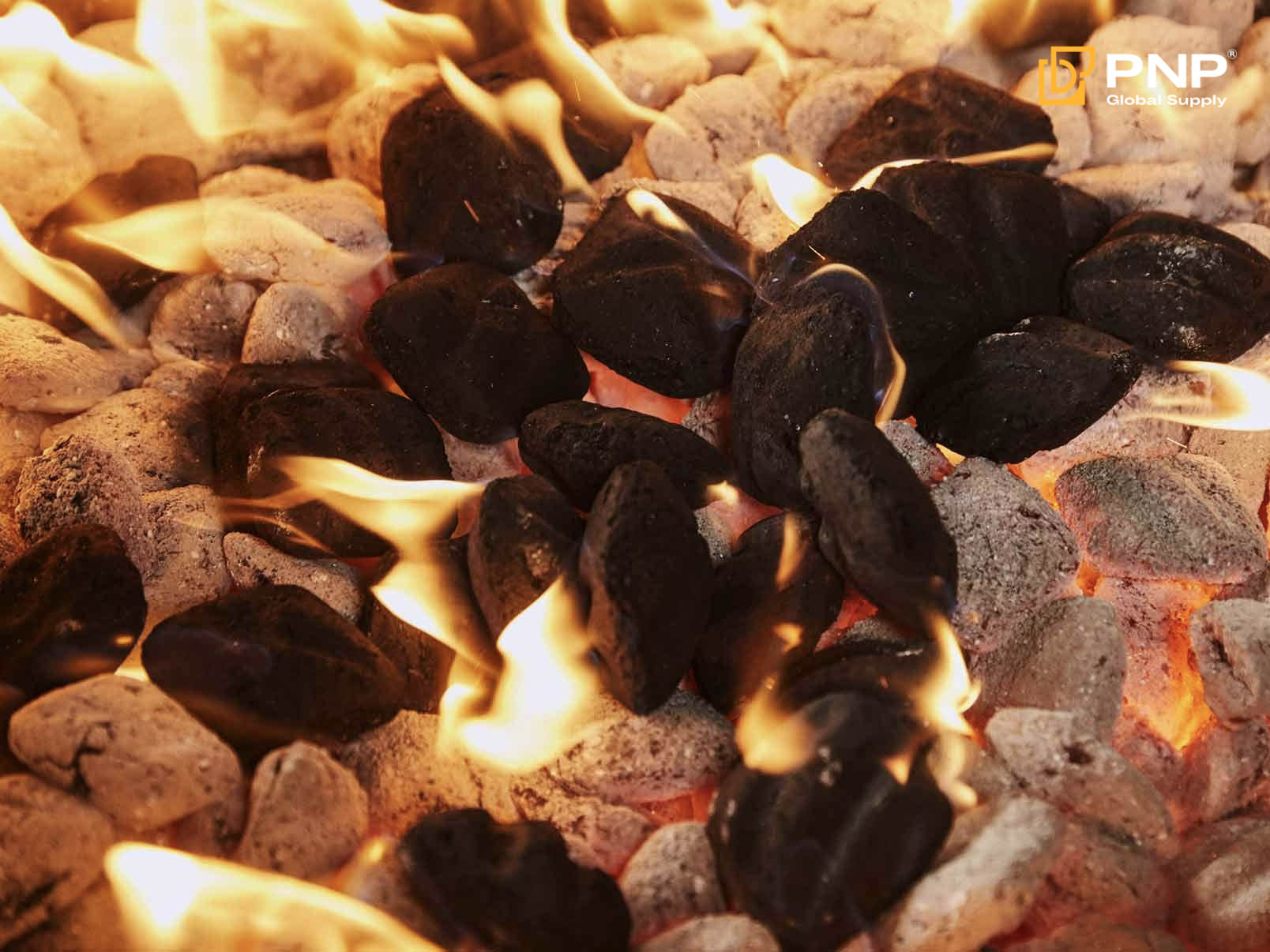
Inconsistent heat distribution is a major issue caused by poor-quality charcoal. When charcoal pieces vary greatly in size or contain non-carbonized materials, the charcoal burning temperature fluctuates unpredictably, resulting in uneven cooking. This is especially problematic for restaurants serving dishes that require stable heat—grilled seafood, premium cuts of meat, Japanese BBQ, or Korean-style tabletop grilling.
Uneven heat forces chefs to constantly adjust food placement on the grill, rotate items excessively, or increase charcoal usage to compensate for cold spots. All these factors slow down workflow and affect the consistency of each dish served. High-quality charcoal, particularly hardwood lump charcoal, is known for producing powerful yet steady heat. Meanwhile, well-made sawdust briquettes offer stable temperature control, allowing chefs to operate efficiently even during busy hours.
Restaurants can also apply simple tips for charcoal grilling such as arranging charcoal in a semicircle, creating indirect and direct heat zones, or distributing briquettes evenly to reduce temperature fluctuations. Pairing these techniques with good-quality charcoal ensures that dishes cook evenly and develop the right texture and flavor.
Excessive Ash – A Major Indicator of Impurities
A high amount of ash is one of the easiest ways to identify low-quality charcoal. Charcoal with too many impurities or low-carbon content produces large volumes of ash that accumulate quickly on the grill. Excess ash restricts airflow, reduces heat output, and makes it difficult to maintain a stable fire. During busy service periods, chefs may need to stop cooking just to clear the grill, which disrupts workflow and slows down table turnover.
From a hygiene perspective, restaurants must also avoid ash particles spreading into the cooking or dining area. This is particularly important for any charcoal restaurant where the grill is visible to customers. Clean-burning charcoal for restaurants, especially sawdust briquettes with high carbonization levels, produces significantly less ash, helping the grill stay clean and efficient throughout service.
Using low-ash charcoal not only reduces maintenance time but also keeps heat consistent—allowing chefs to focus more on flavor, texture, and presentation rather than constantly managing the grill.
Food Becomes Smoky or Has an Unnatural Flavor
The final and most critical sign of low-quality charcoal is the flavor of the food itself. If your grilled dishes frequently have a bitter, chemical, or overly smoky taste, the problem likely lies in the charcoal. Poor-quality charcoal often contains contaminants that affect aroma and taste, making food less appealing and inconsistent across servings. Customers may interpret the unusual flavor as poor cooking technique rather than a charcoal issue, leading to negative dining experiences or reviews.
High-quality charcoal for grilling helps preserve the natural sweetness and aroma of meat, seafood, and vegetables. Hardwood lump charcoal provides a fragrant wood-smoke flavor, while sawdust briquettes offer a neutral, steady burn ideal for restaurants that prefer clean flavor profiles. Using charcoal with stable charcoal burning temperature ensures the food cooks evenly without burning or absorbing unpleasant odors.
For any charcoal restaurant, maintaining the natural taste of grilled dishes is essential to building a loyal customer base. Choosing clean, well-carbonized charcoal is the foundation of consistent quality.
How to Choose the Right Charcoal for Restaurants
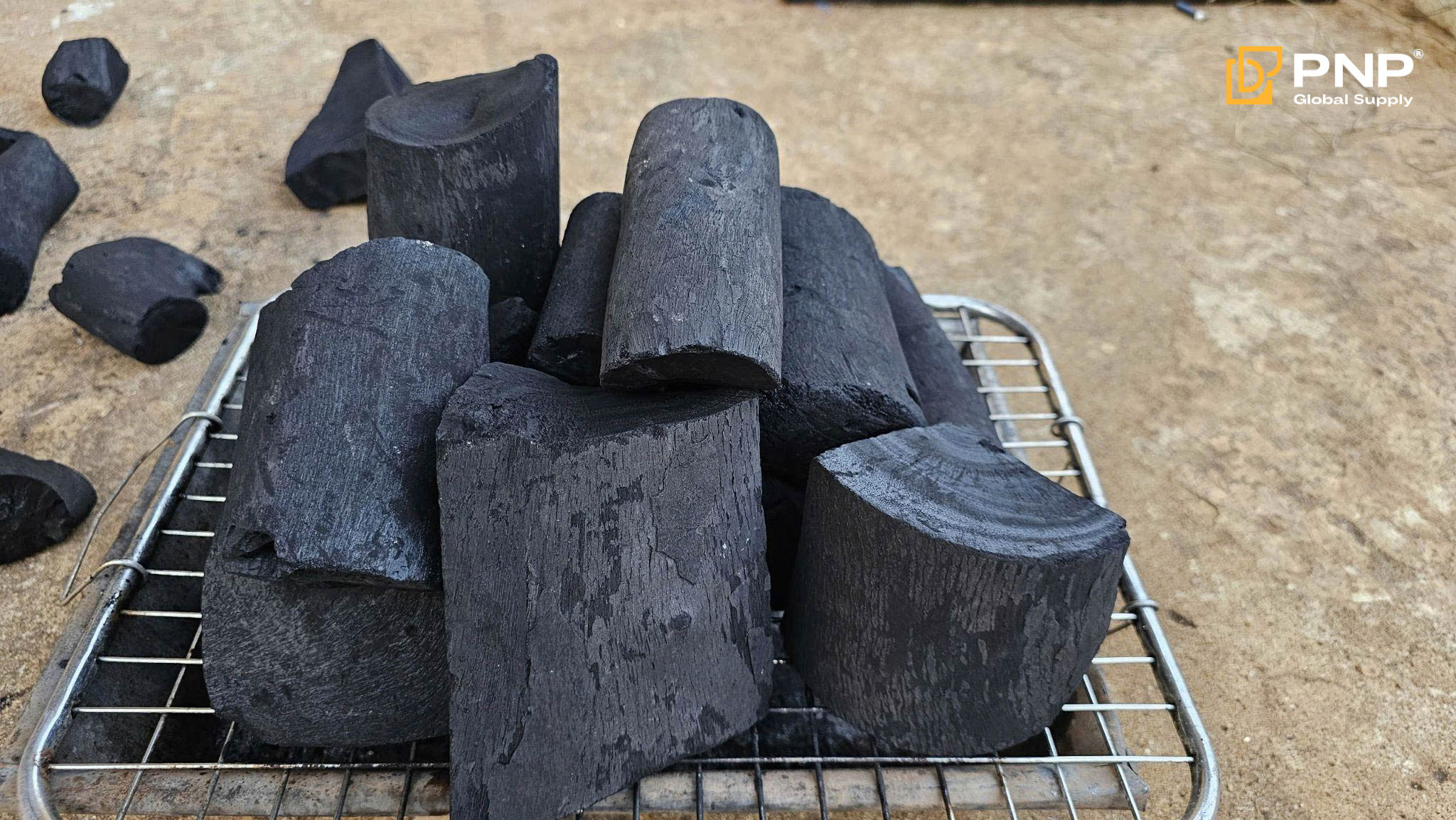
To avoid the issues mentioned above, restaurants need to choose charcoal based on cooking style, equipment, and menu requirements. Dense, long-lasting sawdust briquettes are excellent for BBQ buffets, high-volume grilling stations, and restaurants that operate continuously. For kitchens that require high heat and strong flames, hardwood lump charcoal is often the preferred choice because it ignites quickly and reaches high temperatures ideal for searing.
When evaluating charcoal, check for hardness, density, color, and shape. High-quality charcoal should feel solid and have minimal powder or breakage. Restaurants should also request a quick test of charcoal burning temperature and ash levels to ensure the product meets performance expectations. Working with reliable suppliers who follow strict production standards is equally important to maintain consistent quality and supply.
If you’d like to learn more, check out this article: Hardwood Charcoal vs. Softwood Charcoal: Which to choose?
PNP Charcoal is a trusted supplier for restaurants seeking stable, high-performance fuel. With strict quality control, consistent specifications, and a wide range of products—from long-lasting sawdust briquettes to premium hardwood lump charcoal—PNP Charcoal ensures every batch meets professional kitchen standards. Our charcoal delivers high hardness, low ash, and stable burning temperature, helping restaurants maintain consistent heat, reduce fuel consumption, and improve overall grilling efficiency. Visit the PNP Charcoal website: PNP Charcoal to choose the best charcoal for your restaurant’s needs.
Conclusion
Identifying low-quality charcoal early helps restaurants reduce costs, improve dish consistency, and enhance the customer experience. Choosing the right charcoal for restaurants impacts everything from heat stability and flavor development to operational efficiency. By understanding the characteristics of different types of charcoal—including sawdust briquettes, hardwood lump charcoal, and other charcoal for grilling—restaurant owners can make informed decisions that support long-term performance.
High-quality charcoal is an investment that directly influences food taste, kitchen workflow, and customer satisfaction. For any restaurant that relies on charcoal grilling, choosing the right type and supplier is the key to achieving stable, flavorful, and professional BBQ results.
________________________________
Contact us for more information
Facebook: PNP Charcoal
Instagram: PNP Charcoal
Email: info@pnpglobalsupply.com