When it comes to outdoor grilling, choosing the right type of charcoal can significantly impact your cooking results. Many BBQ enthusiasts often ask about the difference between lump charcoal and briquettes, especially when trying to achieve the perfect balance between flavor, heat, and convenience. While both options are widely used, they offer very different grilling experiences.
Understanding the comparison of lump charcoal vs charcoal briquettes is essential not only for beginners but also for experienced grillers who want to optimize their BBQ performance. Each type of charcoal has its own strengths and limitations, and knowing when to use each one can elevate your grilling to the next level.
What is Lump Charcoal?
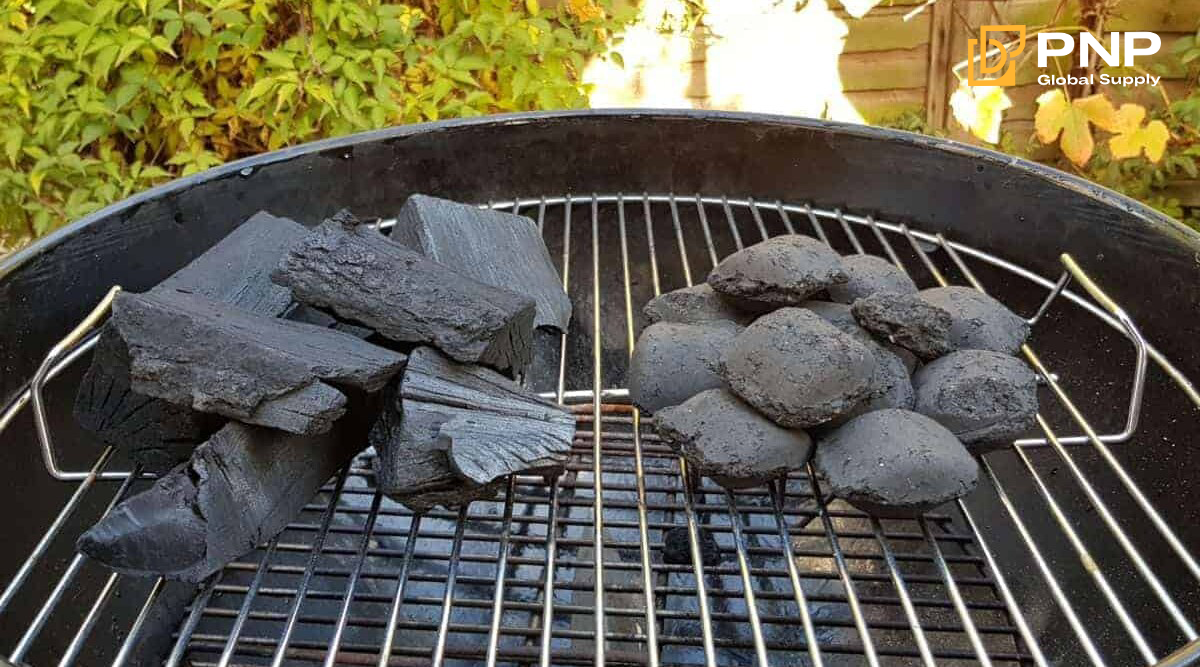
Lump charcoal is made by burning natural hardwood in a low-oxygen environment, a process that removes moisture and volatile compounds, leaving behind pure carbon. Because it is produced directly from wood, lump charcoal retains a natural structure and varies in size and shape.
One of the most appealing aspects of lump charcoal is its ability to ignite quickly and reach high temperatures in a short amount of time. This makes it an excellent choice for high-heat grilling, such as searing steaks or cooking thin cuts of meat. Additionally, lump charcoal produces very little ash, making cleanup easier after grilling.
Another important advantage is flavor. Since it contains no additives, lump charcoal burns cleanly and enhances the natural taste of food. For those seeking a more authentic BBQ experience, lump charcoal is often the preferred option in the lump charcoal vs charcoal briquettes debate.
Lump charcoal lights fast and delivers high heat with natural flavor
What are Charcoal Briquettes?
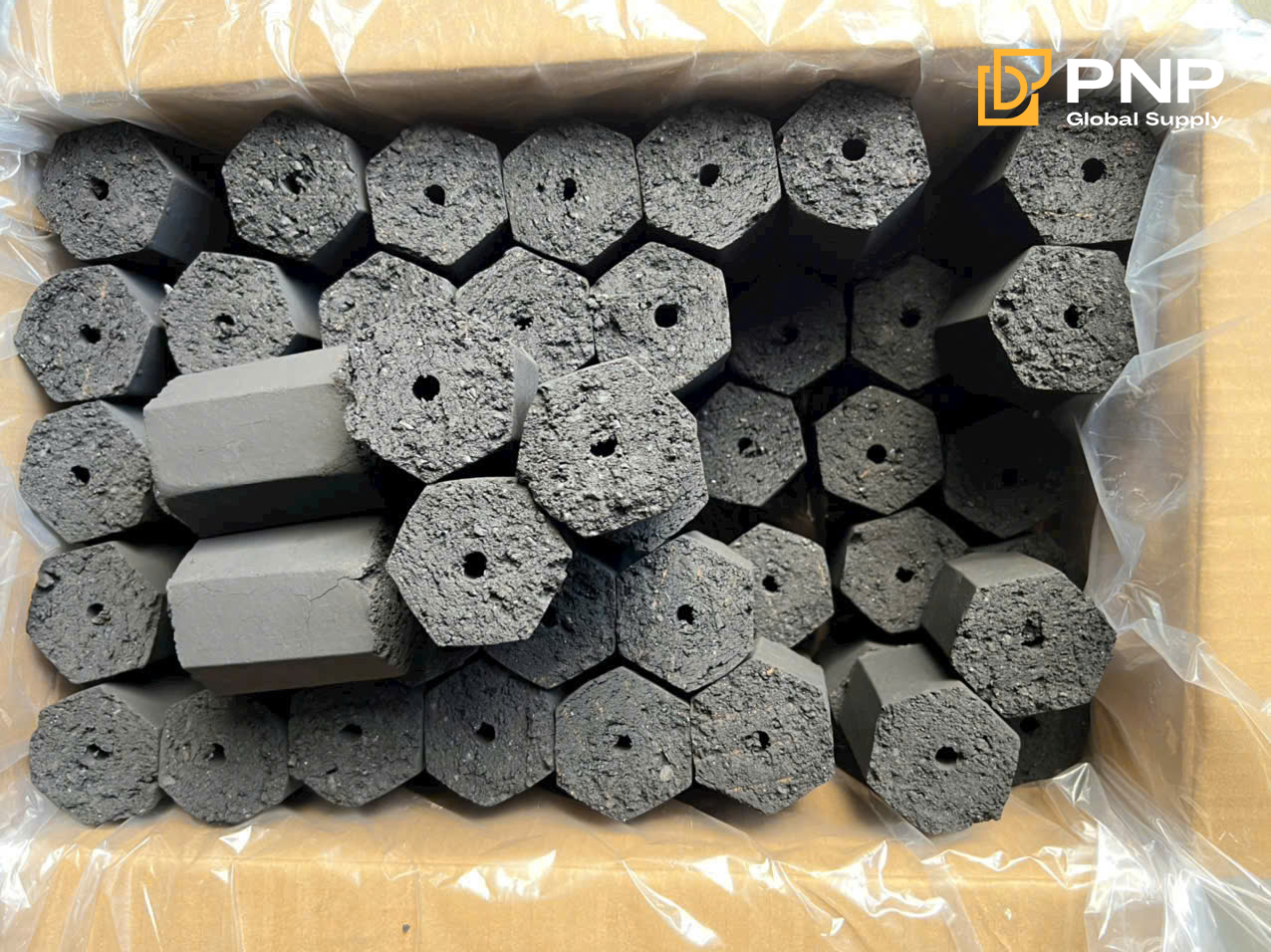
Charcoal briquettes are manufactured using compressed charcoal dust, sawdust, and binding agents. Unlike lump charcoal, briquettes are uniform in size and shape, which allows for more consistent burning.
One of the main benefits of briquettes is their long and steady burn time. They are designed to maintain a consistent temperature over an extended period, making them ideal for slow cooking, smoking, or grilling large cuts of meat. This stability is especially useful for beginners who may find temperature control challenging.
However, because briquettes often contain additives, they may produce more ash and sometimes a slight chemical odor when first ignited. Despite this, modern briquettes have improved significantly, with many options now marketed as smokeless charcoal, offering a cleaner and more efficient burn.
Preparation and Usage Differences
When comparing the difference between lump charcoal and briquettes, preparation is one of the most noticeable distinctions. Lump charcoal lights faster and reaches cooking temperature quickly, making it ideal for spontaneous grilling sessions. In contrast, briquettes take longer to ignite but provide a more predictable and controlled heat once fully lit.
Temperature control is another key factor. Lump charcoal burns hotter but less evenly, which can require more attention during cooking. Briquettes, on the other hand, offer stable heat distribution, making them easier to manage for longer cooking sessions.
For those wondering which is better lump charcoal or briquettes, the answer often depends on how you plan to cook. Quick grilling favors lump charcoal, while slow and steady cooking benefits from briquettes.
Detailed Comparison: Lump Charcoal vs Charcoal Briquettes
Heat Output
Lump charcoal is known for its high heat output. It can reach very high temperatures quickly, which is perfect for searing meat and achieving a crispy exterior. However, this heat can fluctuate due to the irregular size of the charcoal pieces.
Briquettes, in comparison, provide a more consistent and controlled heat. Although they do not reach the same peak temperatures as lump charcoal, their stability makes them ideal for longer cooking processes.
Burning Time
When it comes to burning time, briquettes have a clear advantage. They are designed to burn slowly and evenly, allowing for extended cooking sessions without frequent refueling.
Lump charcoal burns faster, which can be both an advantage and a disadvantage. While it is great for quick grilling, it may require additional charcoal for longer cooking.
Smoke and Flavor
Flavor is one of the most debated aspects in the lump charcoal vs charcoal briquettes comparison. Lump charcoal produces a natural wood aroma that enhances the taste of grilled food. It is also closer to smokeless charcoal, as it burns cleaner with fewer emissions.
Briquettes can produce more smoke, especially during ignition, due to the presence of binders and additives. However, high-quality briquettes now offer improved performance with reduced smoke levels.
Ash Production
Ash production is another important factor. Lump charcoal produces minimal ash, making it easier to clean up after grilling. Briquettes, on the other hand, generate more ash due to their composition, which may require more frequent maintenance.
Cost and Availability
Lump charcoal is generally more affordable and widely available, making it a practical choice for many grilling needs. In contrast, briquettes tend to be more expensive due to their more complex manufacturing and compression process.
For a clearer understanding of charcoal pricing, check out this guide: How Much Charcoal per kg? A Complete Buyer’s Guide for BBQ Users
Which is Better: Lump Charcoal or Briquettes?
The question which is better lump charcoal or briquettes does not have a one-size-fits-all answer. The best choice depends on your grilling style, preferences, and specific cooking needs.
If you prioritize high heat, quick ignition, and natural flavor, lump charcoal is the better option. It is especially suitable for grilling steaks, burgers, and other foods that require intense heat.
On the other hand, if you need a steady and long-lasting heat source for slow cooking or smoking, briquettes are the more practical choice. Their consistency makes them ideal for beginners and those who prefer a more controlled cooking process.
Tips for Choosing the Right Charcoal
Selecting the right charcoal involves more than just understanding the difference between lump charcoal and briquettes. You should also consider your cooking habits and preferences.
If you frequently grill for short periods, lump charcoal offers convenience and efficiency. For longer cooking sessions, briquettes provide reliability and ease of use. Additionally, opting for smokeless charcoal can improve your grilling experience by reducing unwanted smoke and odors.
Quality is also an important factor. Always choose charcoal from reputable sources to ensure consistent performance and safety.
Where to Buy Quality Charcoal
Finding reliable sources is an important step in your grilling journey. Searching for charcoal suppliers near me can help you locate local distributors who offer high-quality products.
When choosing a supplier, look for those that provide detailed product information, consistent quality, and good customer support. Whether you prefer lump charcoal or briquettes, sourcing from a trusted supplier ensures better grilling results.
PNP Charcoal provides high-quality lump charcoal: and briquettes with consistent performance for better grilling results.
PNP Charcoal provides high-quality lump charcoal and briquettes—visit PNP Charcoal to explore and order today.
Conclusion
Understanding the difference between lump charcoal and briquettes is key to improving your BBQ experience. While lump charcoal offers high heat and natural flavor, briquettes provide consistency and long-lasting performance. The choice ultimately depends on your cooking style and preferences.
By carefully considering the advantages of each type and selecting the right charcoal for your needs, you can achieve better grilling results every time. Whether you are a beginner or an experienced griller, mastering the use of charcoal is an essential step toward creating delicious and memorable BBQ dishes.
________________________________
Contact us for more information
Facebook: PNP Charcoal
Instagram: PNP Charcoal
Email: info@pnpglobalsupply.com