Excessive smoke is a common problem in charcoal grilling, affecting food flavor, customer comfort, and overall cooking performance. In most cases, heavy smoke is not caused by grilling technique alone, but by charcoal type, moisture content, and incomplete combustion. Choosing the right charcoal for grilling and preparing it properly are the most effective ways to reduce smoke. This article explains the main causes of smoke and practical solutions to control it.
Why Charcoal Grilling Produces Smoke
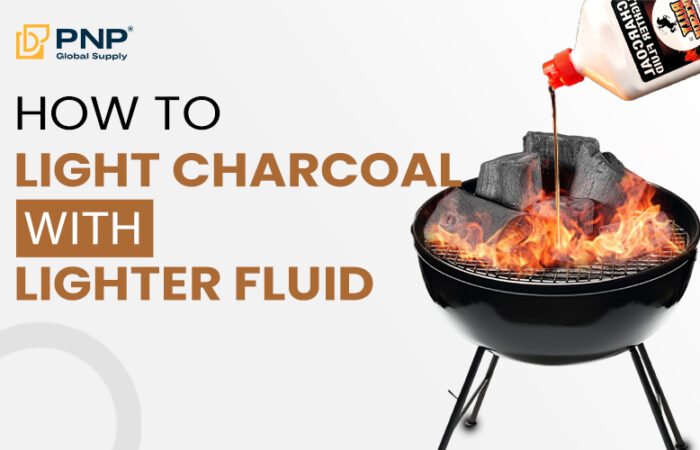
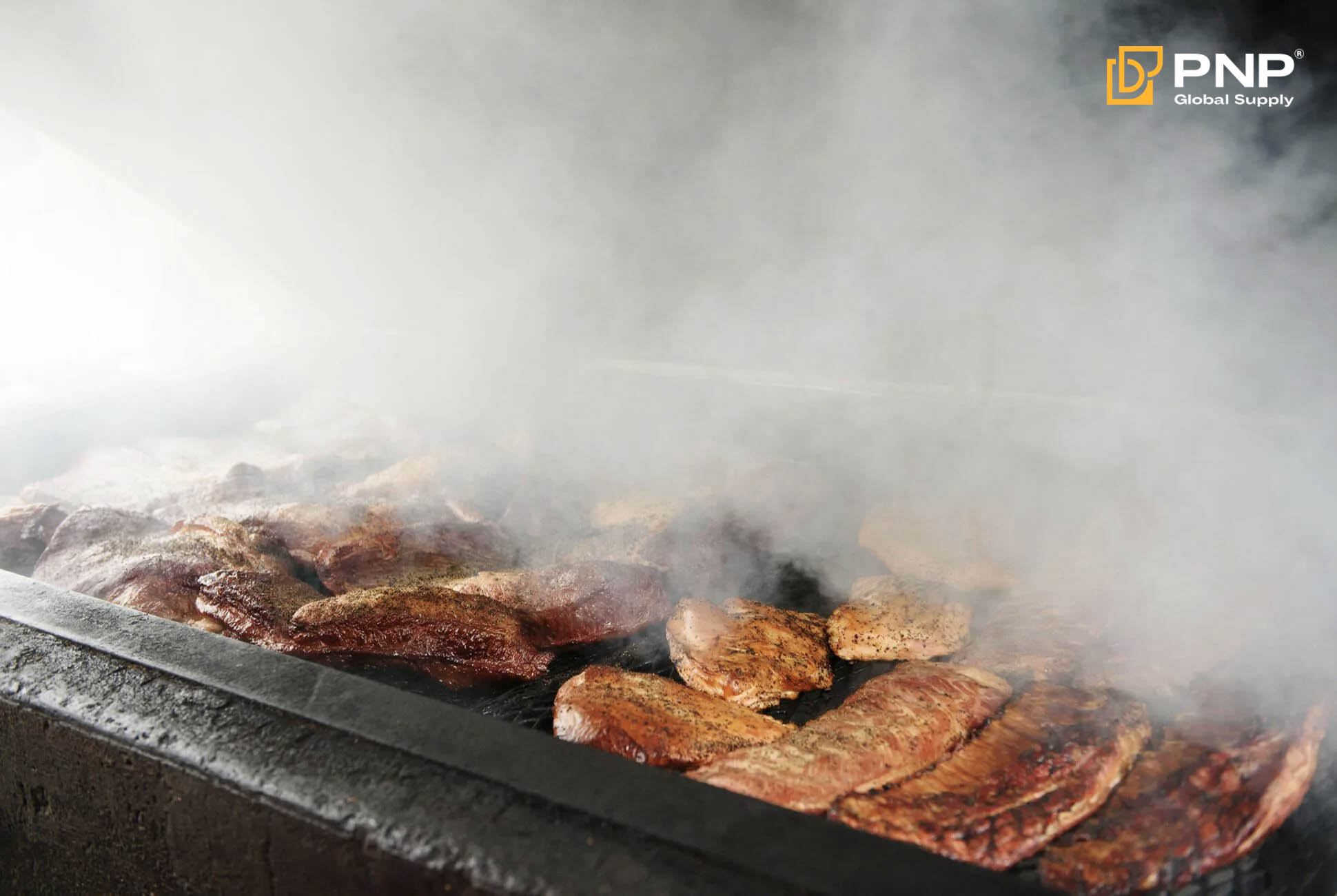
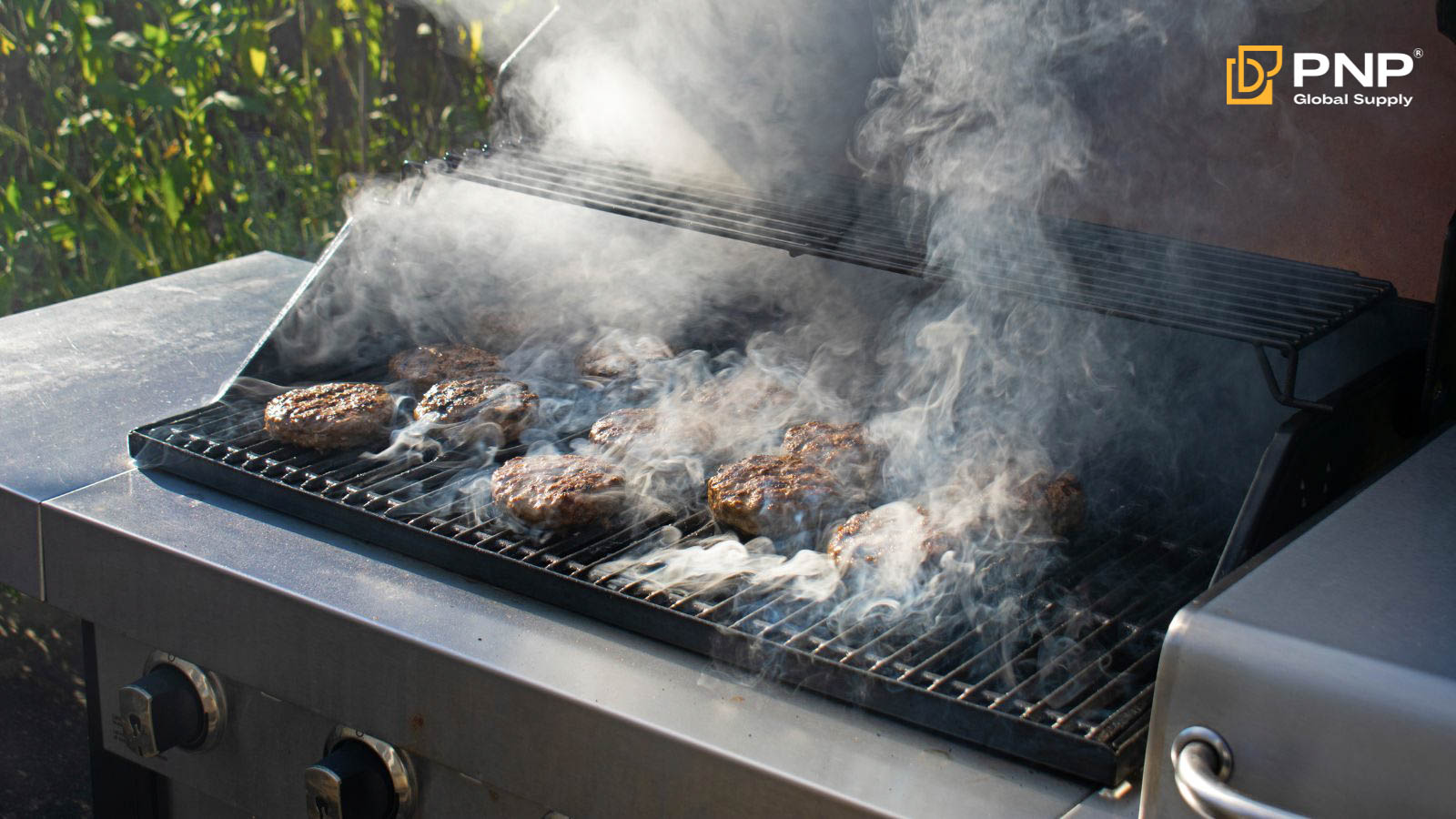
Charcoal grilling produces smoke because the charcoal does not always burn completely clean. When charcoal still contains moisture or unburned compounds, it releases smoke as it heats up. In addition, when fat and oil drip onto hot coals, they burn instantly and create extra smoke. Poor-quality charcoal or limited airflow can make this problem worse, leading to thicker and heavier smoke during grilling.
How to Reduce Smoke When Grilling
Even high-quality charcoal can produce excess smoke if it is not prepared properly. Correct preparation is essential for achieving clean combustion and stable heat.
Allow Full Ignition
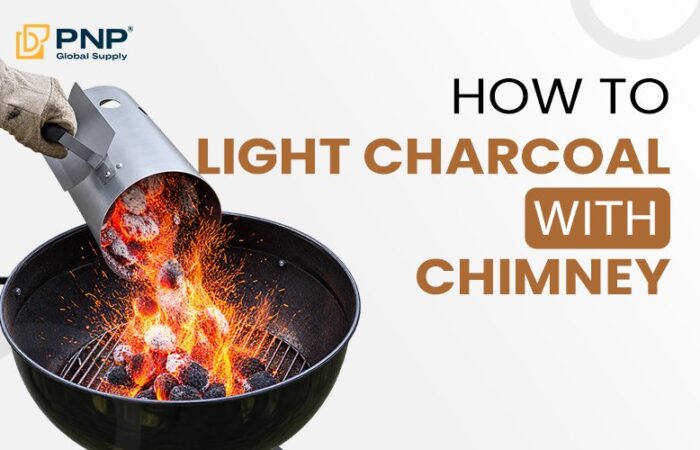
Charcoal should never be used immediately after lighting. To reduce smoke:
- Wait until the charcoal is fully ignited
- The surface should turn white or light gray
- Visible flames should disappear
This stage indicates that residual moisture and volatile gases have burned off, resulting in cleaner heat and lower smoke output.
Remove Charcoal Dust
Charcoal dust ignites quickly, burns unevenly, and often creates unnecessary smoke. Before grilling:
- Shake off excess dust
- Avoid mixing small fragments with large pieces
This improves airflow and promotes more complete combustion.
Control Fat and Oil Dripping
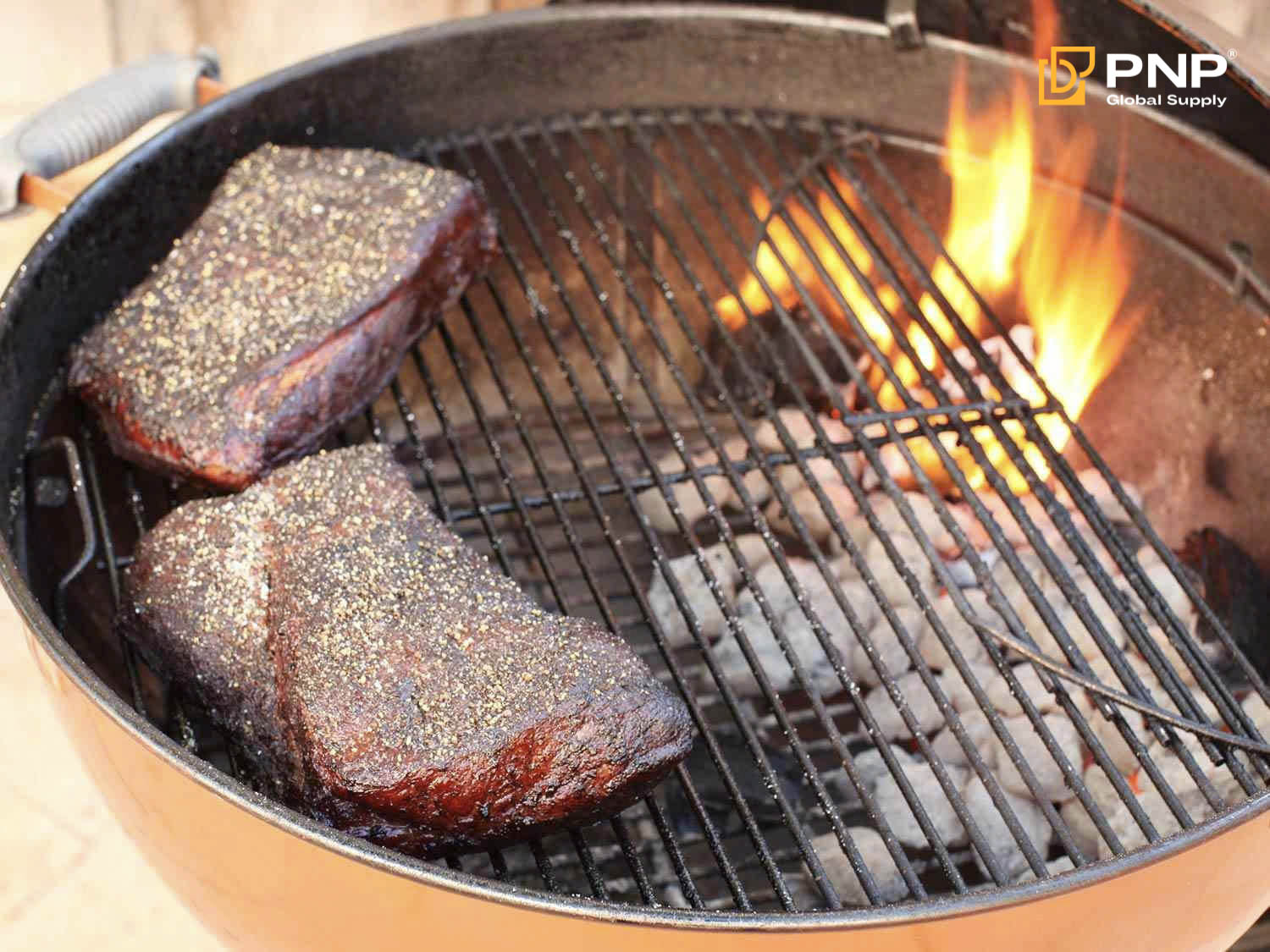
One of the most common causes of excessive BBQ smoke is fat dripping onto hot charcoal. To minimize flare-ups and smoke:
- Avoid heavily oil-based marinades
- Use drip trays when possible
These simple charcoal grilling techniques are widely used in professional kitchens to maintain consistent heat and cleaner smoke control.
Airflow Management in Charcoal Grilling
Clean combustion requires sufficient oxygen. Poor airflow causes charcoal to smolder instead of burn efficiently, leading to thick smoke.
Tips for charcoal grilling:
- Keep air vents open and adjustable
- Avoid overloading the grill with too much charcoal
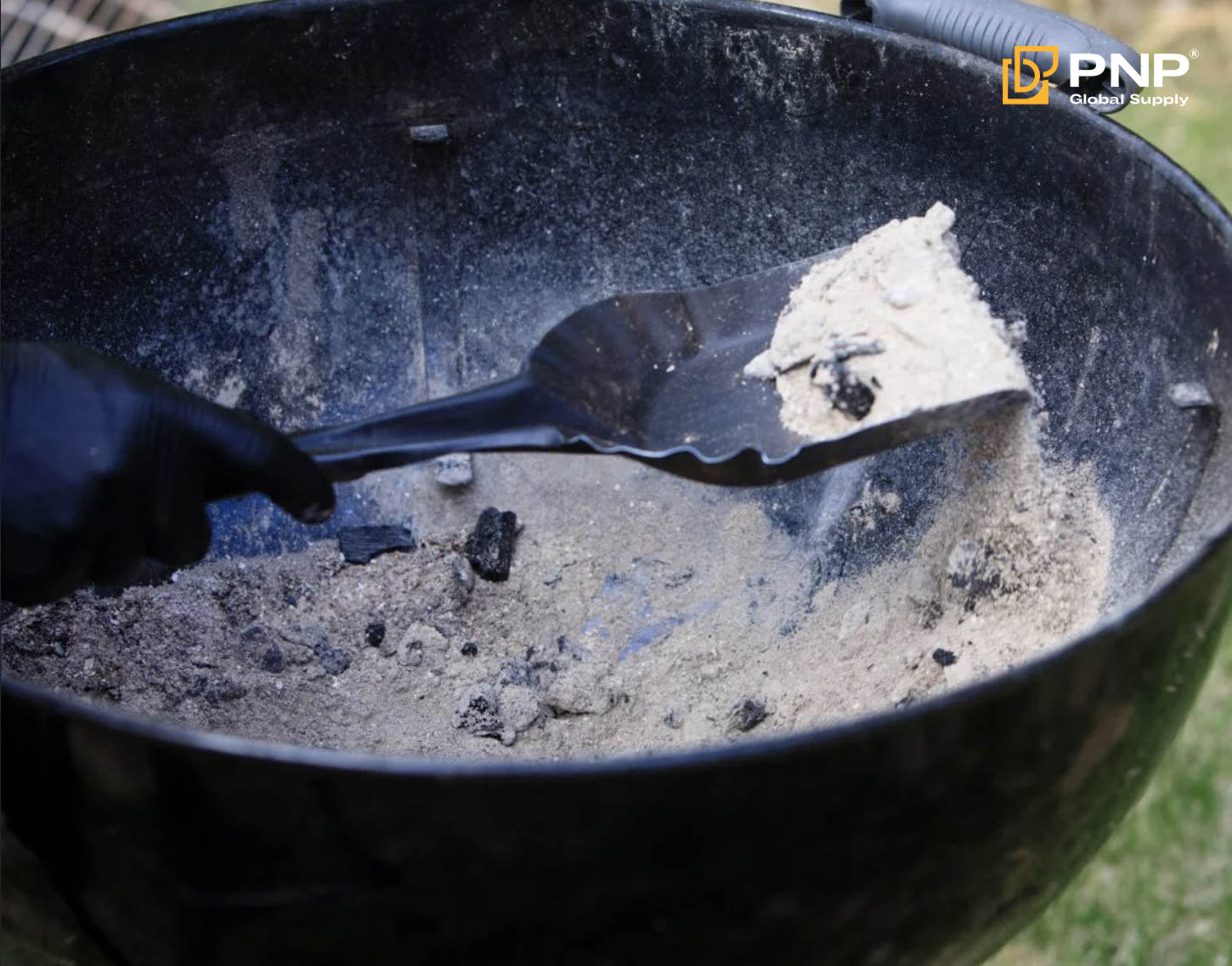
- Remove ash buildup regularly
Maintaining proper airflow is one of the most effective ways to reduce smoke bbq during charcoal grilling.
Use Indirect Heat to Reduce BBQ Smoke
Creating indirect heat zones is a proven method to stabilize temperature and control smoke:
- Place charcoal on one side of the grill
- Cook food away from direct flames
- Move food temporarily if flare-ups occur
This reduces grease contact with the charcoal and prevents sudden smoke spikes.
Charcoal Quality Considerations
Many buyers focus primarily on price when purchasing charcoal. However, cheaper charcoal often results in heavier smoke due to incomplete carbonization and poor production standards. When charcoal is not properly carbonized, it retains moisture, volatile gases, and other impurities that create thick smoke during ignition and cooking.
Low-grade charcoal may seem cost-effective at first, but it typically burns unevenly, produces unstable heat, and generates more visible smoke.
High-quality charcoal, on the other hand:
- Is fully carbonized with low moisture content
- Burns more efficiently and completely
- Produces cleaner heat with less smoke
- Provides better temperature control
For professional kitchens and commercial BBQ operations, charcoal quality is far more important than short-term cost savings.
Smoke Levels: Lump Charcoal vs. Briquettes
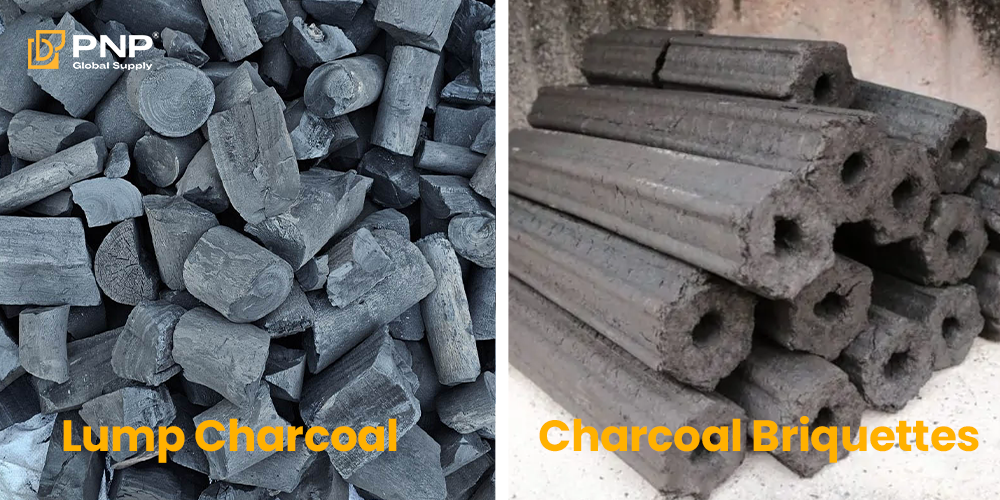
In real-world grilling, lump charcoal generally produces more smoke than charcoal briquettes. Because lump charcoal is made from irregular pieces of natural hardwood, it burns less evenly and can release more visible smoke during ignition and temperature fluctuations—especially if the carbonization process was inconsistent or the charcoal retains residual moisture.
By contrast, high-quality charcoal briquettes, particularly sawdust charcoal briquettes, are compressed into uniform shapes with controlled density and low moisture content. This allows for a more stable, consistent burn and significantly lower smoke output during grilling.
For those looking to reduce smoke when grilling or achieve a clean-burning BBQ experience, premium briquettes are typically a more reliable choice than traditional lump charcoal.
Want to explore different types of charcoal and find the best option for your needs? Learn more here
In conclusion
Understanding how to reduce smoke when grilling requires more than basic cooking tips. It starts with selecting the right charcoal, understanding production methods, and preparing charcoal correctly. By choosing suitable different charcoal types, following proper charcoal cooking tips, and managing airflow and grease, smoke can be reduced effectively.
If you are looking for high-quality charcoal for grilling that burns cleanly and helps reduce smoke, contact PNP Charcoal today.
________________________________
Contact us for more information
Facebook: PNP Charcoal
Instagram: PNP Charcoal
Email: info@pnpglobalsupply.com