The global demand for charcoal continues to grow as BBQ culture expands across Europe, the Middle East, Australia, and Asia. From restaurants and catering services to retail BBQ markets, the need for reliable charcoal for sale has become more competitive than ever. While charcoal quality remains the foundation, packaging is now a decisive factor that influences buyer confidence, logistics efficiency, and long-term partnerships. For exporters offering bulk charcoal for sale, choosing between hand-sealed and machine-sealed packaging is no longer a minor detail—it is a strategic decision.

Understanding Bulk Charcoal for Sale in the Export Market
Bulk charcoal for sale typically refers to large-volume orders supplied to distributors, wholesalers, or wood charcoal importers who further distribute products to restaurants or retail chains. These buyers usually source hardwood lump charcoal and bbq charcoal in container quantities, expecting consistent size, stable heat output, and clean burning performance. However, even premium charcoal can lose its value if the packaging fails to protect it during transport or does not meet market expectations.
For many importers, packaging is the first physical impression of the product. Strong, well-sealed bags signal professionalism, reliability, and attention to detail. That is why charcoal exporters must pay close attention to both packaging materials and sealing methods.

Charcoal Packaging Bags for Bulk Orders
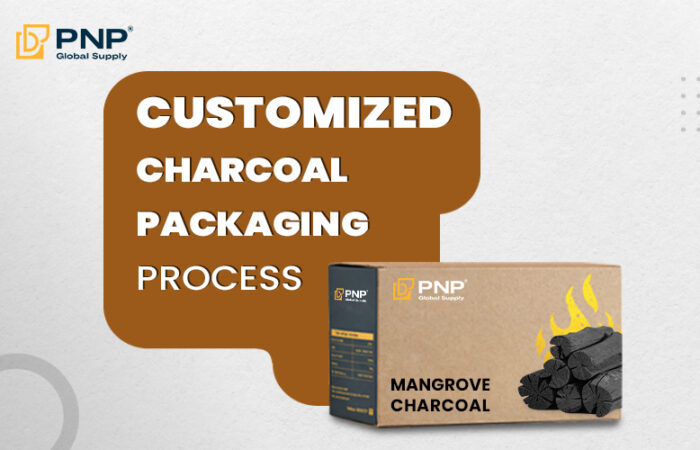
Choosing the right charcoal packaging bags is essential when selling charcoal in bulk. These bags must withstand long shipping times, container stacking, and repeated handling during unloading and redistribution. The most common materials include PP woven bags, kraft paper bags, or multi-layer laminated bags designed specifically for charcoal products.
For bbq charcoal, packaging must allow minimal airflow while preventing moisture absorption. Poor-quality bags may lead to broken charcoal, dust accumulation, or exposure to humidity, all of which reduce product value. Most wood charcoal importers request standardized packaging formats based on market demand, such as 2kg, 5kg, 10kg, or larger kg charcoal BBQ options for food service buyers.
Well-designed charcoal packaging bags also support branding and compliance, allowing exporters to display product information, weight, origin, and handling instructions clearly.
Hand-Sealed Packaging for Flexible Charcoal for Sale
Hand-sealed packaging remains a popular option for exporters offering flexible charcoal for sale, especially for mixed orders or smaller-volume contracts. This sealing method allows producers to adapt quickly to different bag sizes and kg charcoal BBQ requirements without investing heavily in automated systems.
For certain markets, hand-sealed bags provide a cost-effective solution while maintaining acceptable sealing quality. This method works particularly well when exporters supply multiple SKUs of bbq charcoal or customize packaging for different clients. Small-batch hardwood lump charcoal, for example, often benefits from this flexibility.
However, hand sealing requires skilled labor and careful quality control. Inconsistent sealing can affect bag strength and appearance, which may not meet the expectations of large-scale wood charcoal importers or retail-oriented markets.
Machine-Sealed Packaging for Large-Scale Bulk Charcoal for Sale
Machine-sealed packaging is increasingly preferred for exporters targeting high-volume bulk charcoal for sale contracts. Automated sealing ensures consistent bag closure, uniform weight distribution, and a professional finish across every unit. This level of consistency is especially important when supplying hardwood lump charcoal to demanding international markets.
Machine-sealed charcoal packaging bags offer superior durability during long-distance transport. Bags remain tightly sealed, reducing charcoal breakage and minimizing dust formation inside containers. For bbq charcoal shipped in large quantities, this translates into lower product loss and fewer complaints upon arrival.
Most established wood charcoal importers favor machine-sealed packaging because it simplifies warehouse handling and retail distribution. Standardized kg charcoal BBQ formats are easier to stack, palletize, and manage, improving overall supply chain efficiency.
Comparing Hand-Sealed and Machine-Sealed Packaging
When comparing hand-sealed and machine-sealed options for charcoal for sale, the key difference lies in scalability and consistency. Hand sealing offers flexibility and lower upfront costs, making it suitable for exporters serving niche markets or customized orders. Machine sealing, on the other hand, supports higher production capacity and uniform quality, which is critical for long-term bulk supply agreements.
From a buyer’s perspective, machine-sealed charcoal packaging bags often create a stronger impression of reliability. However, some markets still accept hand-sealed packaging when charcoal quality is proven and pricing is competitive. The choice ultimately depends on the exporter’s target market and operational strategy.
Packaging Choices Based on Market Demand
Different regions have different expectations for charcoal for sale. European importers often emphasize sustainability, clean presentation, and standardized weights. Middle Eastern markets prioritize durability and heat performance for bbq charcoal, while Australia focuses on consistent hardwood lump charcoal sizing and premium appearance.
Understanding these preferences helps exporters select the appropriate sealing method and bag format. Offering both hand-sealed and machine-sealed options allows suppliers to serve a wider range of wood charcoal importers without compromising efficiency.
Export Standards for Bulk Charcoal Packaging
Regardless of sealing method, exporters must comply with basic export standards. Packaging must clearly indicate product type, origin, and net weight in kg charcoal BBQ formats. Bags should be strong enough to protect charcoal throughout the shipping process and remain intact until final delivery.
High-quality charcoal packaging bags also reduce the risk of moisture exposure, ensuring that bbq charcoal arrives ready for immediate use. These standards are not only about compliance but also about building trust with international buyers.
At PNP Charcoal, we supply high-quality BBQ charcoal that fully meets international export standards. Every bulk charcoal shipment is carefully packaged with clear product labeling, verified origin, and accurate net weight, using durable bags designed to withstand long-distance transportation. Our packaging solutions help protect charcoal from moisture and damage, ensuring it arrives in optimal condition and ready for immediate use—reinforcing long-term trust with global partners and buyers.

Conclusion
In the global charcoal industry, packaging is no longer secondary to product quality—it is part of the product itself. For exporters offering bulk charcoal for sale, choosing between hand-sealed and machine-sealed packaging directly impacts market perception, logistics efficiency, and customer satisfaction.
By aligning packaging strategy with buyer expectations, exporters can strengthen their position in the competitive charcoal for sale market. Whether supplying flexible orders or large-scale contracts, the right packaging solution enhances the value of hardwood lump charcoal, supports reliable bbq charcoal distribution, and builds lasting partnerships with wood charcoal importers worldwide.
________________________________
Contact us for more information
Facebook: PNP Charcoal
Instagram: PNP Charcoal
Email: info@pnpglobalsupply.com